George Chandra Eka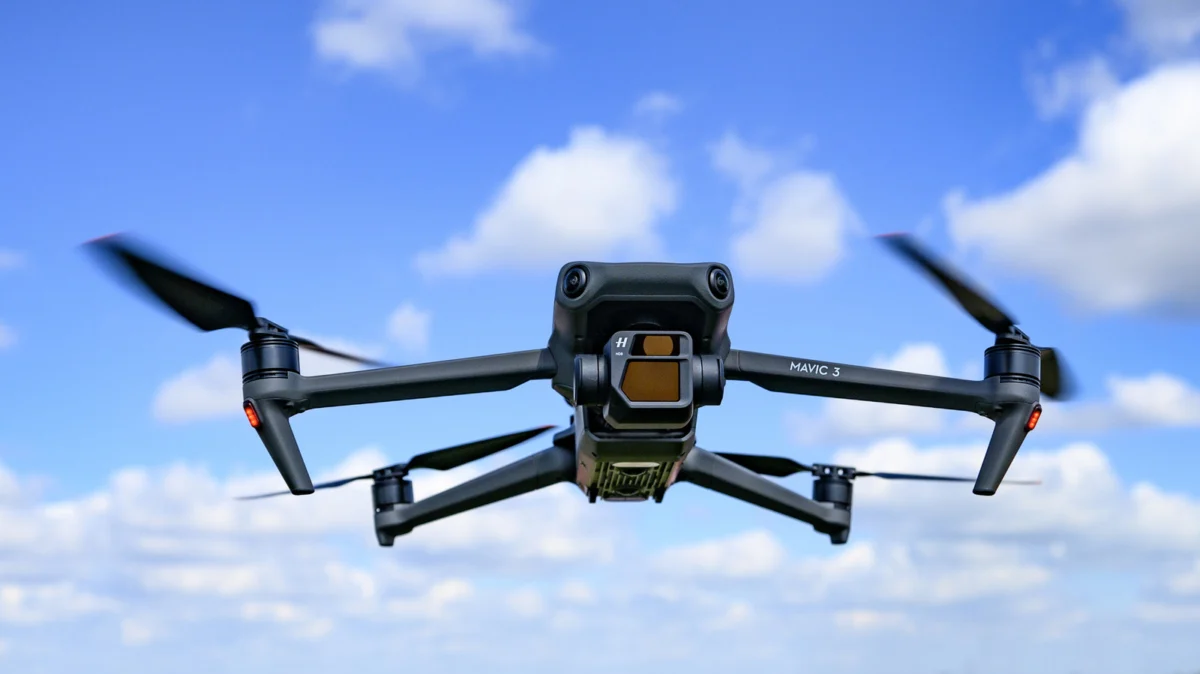
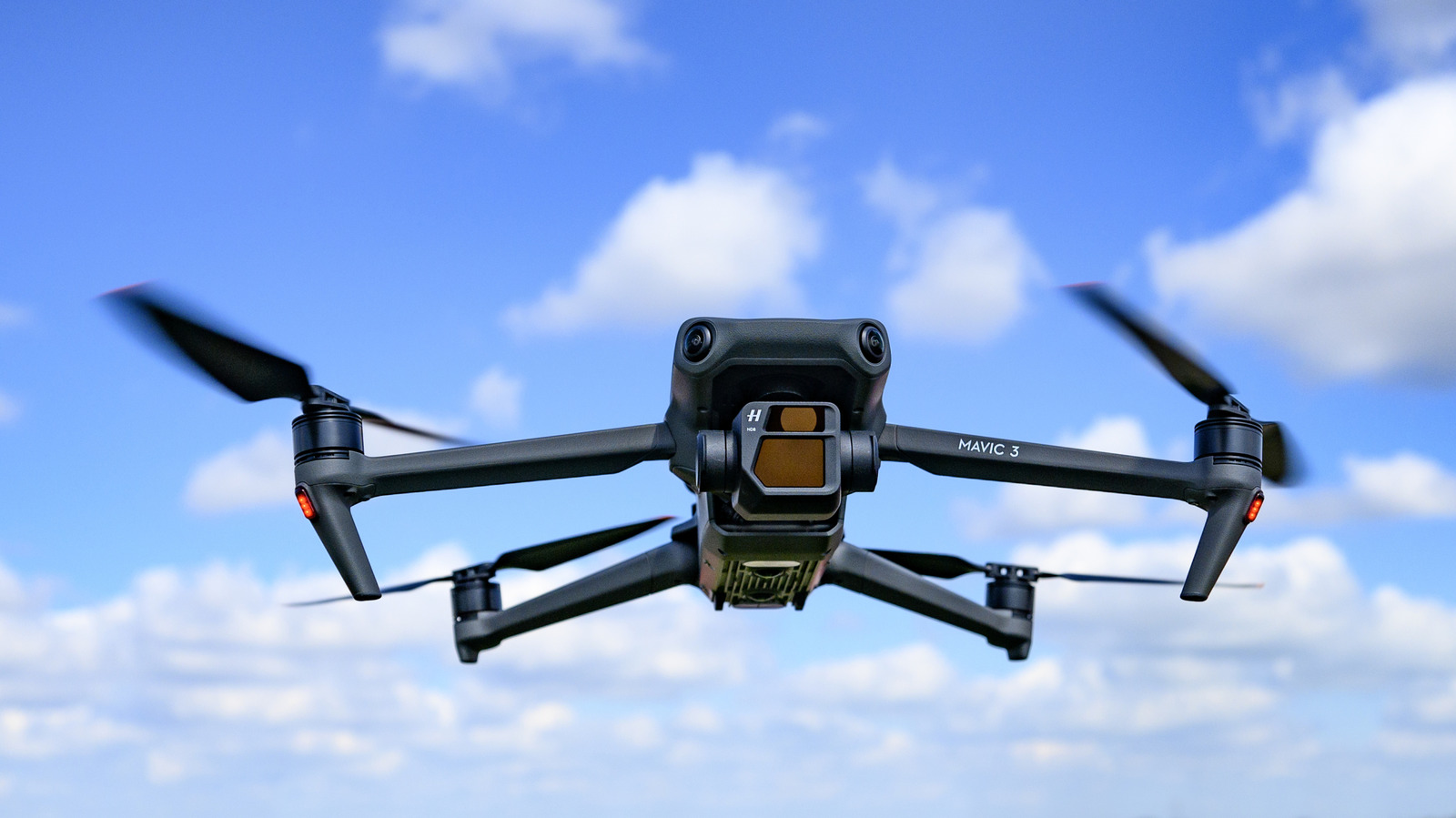
The Federal Communications Commission (FCC) has unveiled a significant proposal aimed at bolstering national security by prohibiting the importation and marketing of products from nine companies suspected of selling rebranded and "re-shelled" versions of DJI drones and cameras. This move marks a crucial escalation in the United States’ efforts to curb the use of technology from entities deemed to pose an "unacceptable risk" to national security, particularly those with ties to foreign adversaries.
The companies explicitly named in the FCC’s proposal are Cogito, Fikaxo, Lyno Dynamics, Skyhigh Tech, Spatial Hover, SZ Knowact, WaveGo, Xtra, and XAG. These entities are accused of attempting to circumvent existing US restrictions on DJI, the world’s largest drone manufacturer, by repackaging its technology under different brand names. The proposed ban extends beyond new models, explicitly targeting "certain previously authorized equipment" believed to be older DJI products given a new exterior. This aspect of the proposal leverages the FCC’s recently acquired power to retroactively ban devices, setting a potentially far-reaching precedent.
The Expanding Scope of US Restrictions on Foreign Technology
The FCC’s latest action is not an isolated event but rather the culmination of a series of strategic decisions aimed at safeguarding US infrastructure and data from potential foreign surveillance and interference. The underlying framework for these prohibitions is the FCC’s "Covered List," which designates communications equipment and services deemed to pose an unacceptable risk to US national security.
In December 2025, the commission made a landmark decision to add all new foreign-made drones and their components to this Covered List. This broad inclusion significantly impacted DJI, which, despite its global dominance in the commercial and consumer drone market, found its new products effectively barred from import and sale within the United States. The rationale behind this decision, as articulated by US lawmakers and intelligence agencies, centers on concerns about data security, potential for espionage, and the integrity of critical infrastructure. Specifically, fears exist that data collected by these drones, ranging from sensitive imagery to geospatial information, could be accessed by foreign governments, potentially compromising national security or proprietary information.
DJI, headquartered in Shenzhen, China, has consistently pushed back against these allegations. Following its inclusion on the Covered List, the company issued a statement expressing its disappointment, asserting that concerns about its "data security have not been grounded in evidence and instead reflect protectionism, contrary to the principles of an open market." DJI maintains that its products are secure and that it adheres to the highest standards of data privacy, offering robust features like local data mode to prevent data transmission to the internet. However, these assurances have not swayed US regulators and policymakers, who remain wary of the company’s ties to the Chinese government and the potential for mandatory data sharing under Chinese national security laws.
A Chronology of Escalation and Regulatory Action
The current proposal to ban rebranded DJI products follows a clear escalation of regulatory pressure, demonstrating the FCC’s increasing assertiveness in addressing perceived national security threats in the technology sector.
-
October 2025: The Precedent of Retroactive Powers. A pivotal moment occurred when the FCC voted to grant itself the authority to retroactively ban devices from companies already on the Covered List. This expansion of power was a significant regulatory shift, enabling the commission to address existing equipment that might later be deemed a security risk, rather than being limited to only new models. At the time, legal experts highlighted the unprecedented nature of this authority and its potential implications for various technology sectors, setting the stage for actions like the current proposed ban on re-shelled DJI products.
-
December 2025: Drones Added to the Covered List. Following the grant of retroactive power, the FCC officially added all new foreign-made drones and components to the Covered List. This decision immediately put DJI’s new offerings under severe restrictions in the US market. The commission cited the increasing proliferation of drones in various sectors, from commercial deliveries and infrastructure inspection to public safety operations, making their security paramount.
-
A Week Prior to the Current Proposal: Fines Precede Ban. In an earlier, but related, action, the FCC had proposed levying $25,000 fines against the very companies now targeted by the full ban. These fines were suggested because the companies were suspected of evading the agency’s official inquiries regarding whether they were marketing products under the country’s Covered List. This initial punitive measure indicated the FCC’s growing suspicion and determination to crack down on attempts to bypass its regulations. It served as a clear warning shot before the more drastic step of a full importation and marketing ban.
The current proposal, therefore, represents the FCC wielding its newly acquired retroactive power for the first time in a major way against a widely used technology. By targeting "re-shelled" versions of old DJI products, the commission is sending a strong message that attempts to circumvent national security bans through superficial rebranding will not be tolerated.
Unpacking the National Security Concerns
The core of the FCC’s actions lies in the profound national security concerns associated with foreign-made drones, particularly those from Chinese manufacturers like DJI. These concerns are multi-faceted and extend beyond simple data privacy to encompass critical infrastructure vulnerabilities and geopolitical considerations.
Firstly, data collection is a primary worry. Modern drones, especially those equipped with advanced cameras, LiDAR, and other sensors, collect vast amounts of sensitive data. This includes high-resolution imagery of landscapes, buildings, and people, precise GPS coordinates, flight paths, and even telemetry data from critical infrastructure inspections. If this data were to fall into the hands of a foreign adversary, it could be used for intelligence gathering, mapping strategic locations, or identifying vulnerabilities in national defense systems or critical infrastructure like power grids, communication networks, and transportation hubs. While companies like DJI offer local data modes, critics argue that the underlying software and hardware could still contain backdoors or vulnerabilities that might be exploited by state-sponsored actors.
Secondly, the potential for remote control or disruption poses another significant threat. A drone’s operating system or hardware could theoretically be compromised, allowing a foreign entity to remotely control the device, gather intelligence without the operator’s knowledge, or even disrupt its operation in sensitive areas. For instance, a fleet of drones used for public safety or agricultural purposes could potentially be weaponized or disabled during a crisis, creating chaos or hindering response efforts.
Thirdly, the integrity of the supply chain is a broader concern. The reliance on foreign components and manufacturing processes introduces potential vulnerabilities at various stages of production. Hardware components could be tampered with, or software could be embedded with malicious code during manufacturing, making it difficult to detect and mitigate once the product is in use. This "trust deficit" is a major driver behind the US government’s push for secure, domestic alternatives.
The Practice of Rebranding and Re-shelling
The FCC’s specific focus on "re-shelled" and rebranded DJI products highlights a common tactic used to bypass trade restrictions and sanctions. Rebranding involves selling an existing product under a new company name, often with minor cosmetic changes, while "re-shelling" implies taking the core internal components of a product and placing them into a new casing to disguise its original manufacturer.
In the drone industry, this could mean taking DJI’s flight controllers, cameras, and propulsion systems, which are highly advanced and reliable, and integrating them into a new drone frame with different branding. These rebranded drones might then be marketed by companies that do not explicitly appear on restricted lists, making it harder for consumers and procurement officials to identify their true origin. The companies named in the FCC’s proposal – Cogito, Fikaxo, Lyno Dynamics, Skyhigh Tech, Spatial Hover, SZ Knowact, WaveGo, Xtra, and XAG – are suspected of engaging in precisely this practice to continue selling DJI-derived technology in the US market. This practice not only undermines national security efforts but also creates an uneven playing field for companies that adhere to regulatory guidelines.
Industry Reactions and Expert Perspectives
While the named companies have not yet issued public statements specifically addressing this proposed ban, their previous actions (evading FCC inquiries) suggest an attempt to maintain market access despite restrictions. For DJI, this further entrenches their position as a target of US tech restrictions. Their consistent narrative of being unfairly targeted due to "protectionism" will likely continue, arguing that the US market is being closed off to superior foreign technology without concrete evidence of security flaws.
Industry analysts are likely to view this move as a significant tightening of the regulatory environment. Dr. Evelyn Stone, a geopolitical technology expert at the Center for Digital Policy, might comment, "This retroactive application of the ban power by the FCC is a potent signal. It demonstrates that regulators are not just looking at new imports but are actively working to purge existing, potentially compromised technology from the US ecosystem. It also highlights the persistent cat-and-mouse game between regulators and companies attempting to find loopholes in sanctions." She might further add, "The challenge for the FCC will be effective enforcement. Identifying every re-shelled DJI product on the market, especially those already in use, will be a monumental task requiring sophisticated technical analysis and robust intelligence gathering."
The drone industry in the US will likely continue its trajectory toward diversification. Companies developing domestic alternatives, particularly those focusing on ‘Blue UAS’ compliant drones (drones approved by the Department of Defense for government use), will see increased demand and investment. However, these alternatives often come at a higher cost and may not yet match the feature set or affordability of DJI products, especially for prosumer and small business applications.
Economic and Market Implications
The proposed ban carries substantial economic and market implications for various stakeholders. For the named companies, if the ban is finalized, it would mean a complete cessation of their ability to import and market these products in the US, potentially leading to significant financial losses and even business closure for those heavily reliant on rebranded DJI technology.
For US distributors and retailers who might unknowingly or knowingly have stocked these rebranded products, the ban could result in unsellable inventory and financial write-offs. This underscores the need for greater transparency in the drone supply chain and increased due diligence from businesses.
More broadly, the drone market in the United States could experience shifts. While the immediate impact on consumer choice might be limited given DJI’s direct presence is already restricted, the removal of rebranded alternatives could further consolidate market share among a smaller pool of approved manufacturers. This could potentially lead to higher prices for drones as competition is reduced, and consumers and businesses might face fewer options for specific applications.
However, from a strategic perspective, the ban is intended to stimulate the growth of a secure domestic drone industry. By creating a clear distinction between approved and unapproved technologies, the US government hopes to incentivize innovation and investment in American or allied-country drone manufacturing. This long-term vision aims to reduce reliance on foreign supply chains deemed risky and build a resilient, secure domestic drone ecosystem capable of meeting both commercial and governmental needs. The development of ‘Blue UAS’ programs, which certify drones as secure for government use, is a testament to this strategic imperative.
The Path Forward: Public Scrutiny and Enforcement Challenges
As part of its standard procedure, the FCC has opened a 30-day public comment period for this proposal. This allows interested parties – including the named companies, drone industry associations, national security experts, and the general public – to submit "specific evidence" supporting or refuting the FCC’s conclusion that the aforementioned companies are selling re-shelled DJI drones and cameras. The input received during this period will be crucial in shaping the final decision and potentially influencing the scope and enforcement mechanisms of the ban. The FCC’s Electronic Comment Filing System (ECFS) will be the platform for these submissions under docket 26-184.
The challenge of enforcement will be significant. Identifying every single rebranded or re-shelled DJI product, especially those already in circulation, will require a sophisticated approach. This could involve enhanced customs inspections, technical analysis of drone components, and intelligence sharing among various government agencies. Furthermore, the FCC will need to remain vigilant against new attempts to circumvent the ban through increasingly sophisticated rebranding tactics or the emergence of new proxy companies.
This proposed ban is a clear indicator of the US government’s unwavering commitment to national security in the face of evolving technological threats. It underscores the belief that the origins and integrity of technology, especially in critical areas like drones, are paramount. As the digital landscape becomes increasingly intertwined with national security, such regulatory actions are likely to become more frequent and more assertive, shaping the future of technology markets and international trade relations. The outcome of this public comment period and the subsequent FCC decision will set a critical precedent for how the United States manages the risks associated with global technology supply chains.