Galang Taruna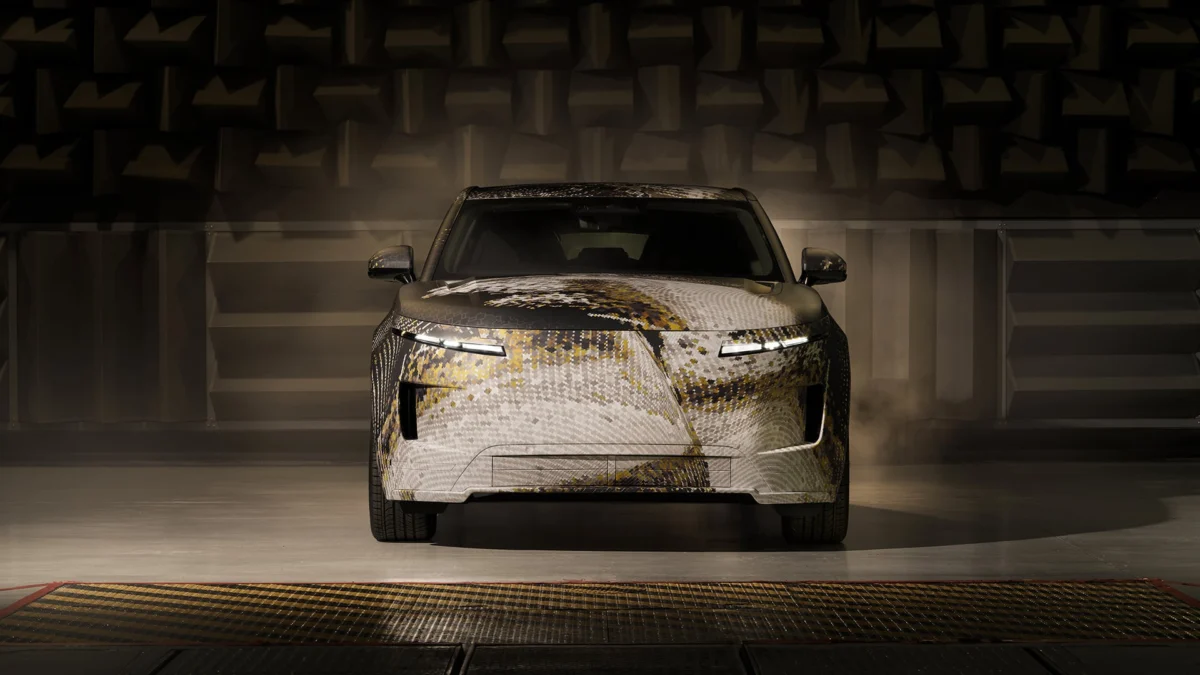
Range Rover, a marque synonymous with unparalleled luxury and formidable off-road capability, is poised to redefine its legacy with the introduction of its most clandestine model to date: the Range Rover GT. This unprecedented electric Grand Tourer represents a bold departure from the brand’s traditional SUV-centric portfolio, signaling a strategic shift into a new segment of high-performance, ultra-luxury electric vehicles. An exclusive, albeit highly restricted, preview at JLR’s Gaydon facility in England offered a rare glimpse into the future of British automotive excellence, focusing primarily on the GT’s revolutionary interior and its underlying technological architecture.
A Strategic Pivot: Redefining Range Rover’s Future
The unveiling of the Range Rover GT is a pivotal moment in Jaguar Land Rover’s (JLR) "Reimagine" strategy, a comprehensive roadmap announced in 2021 to transform the company into a more agile, sustainable, and profitable luxury automotive manufacturer. This strategy places electrification at its core, committing to an all-electric future for Jaguar by 2025 and six all-electric Range Rover, Discovery, and Defender models by the end of the decade. The Range Rover GT, however, stands out as a unique proposition, moving beyond the established SUV format to embrace the Grand Tourer segment, traditionally characterized by powerful engines, luxurious interiors, and exceptional long-distance comfort. This move suggests Range Rover is not merely electrifying its existing lineup but actively expanding its brand identity to capture new luxury demographics and compete in a burgeoning high-end EV market that includes players like Porsche Taycan, Mercedes-AMG GT, and potentially future electric offerings from Bentley.
The timing of this reveal is also significant. While consumers eagerly await the arrival of the electric Range Rover and Range Rover Sport — with the former expected for deliveries starting late 2026 and the latter by the end of the current year — the Range Rover GT emerges as a surprise, demonstrating JLR’s aggressive innovation pipeline. It underscores the brand’s commitment to lead in the luxury electric space, even as the broader market experiences a more gradual transition to EVs than initially projected, prompting some flexibility in platform development.
Exterior Design: A Glimpse Through Camouflage

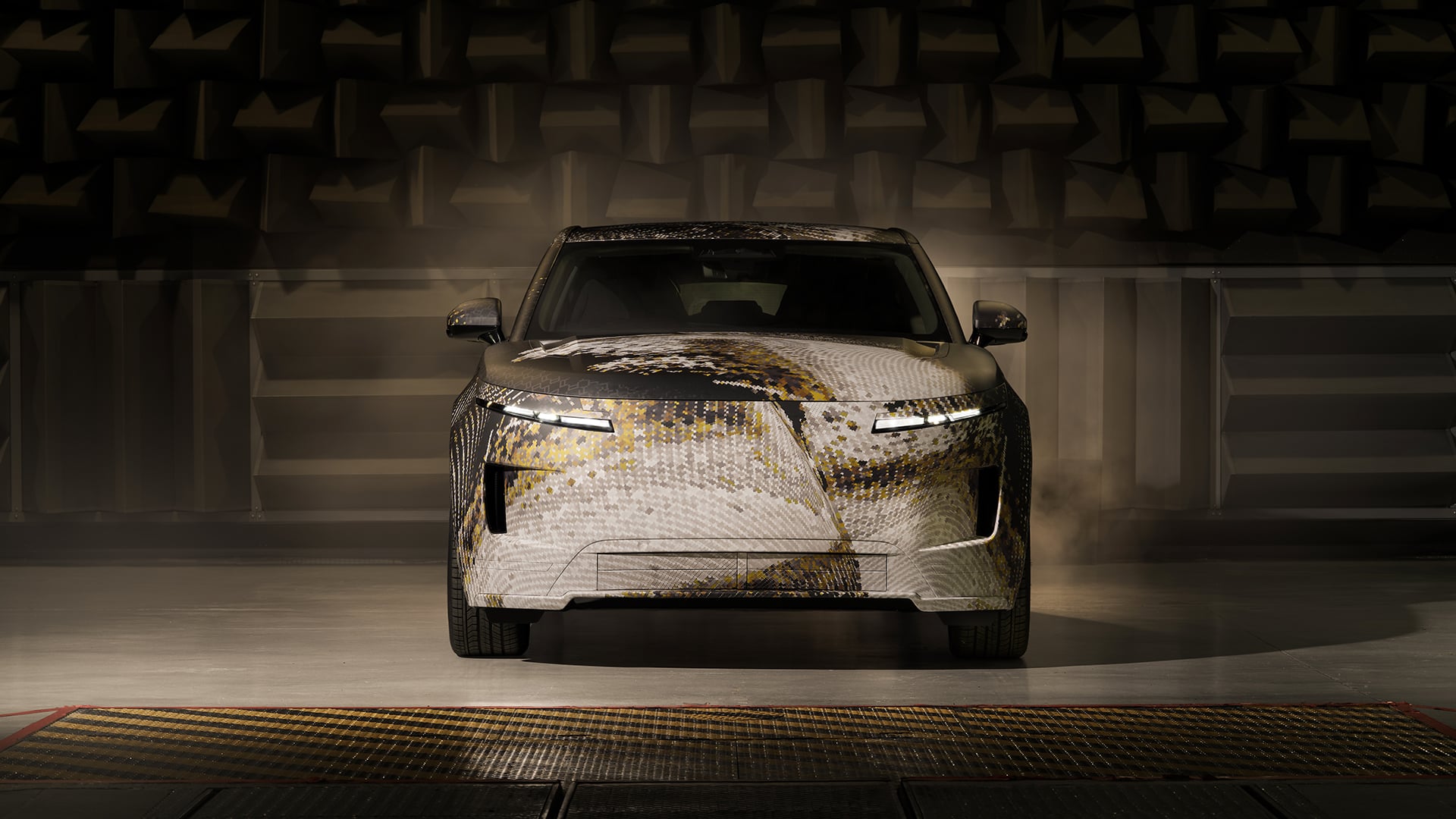
Despite stringent embargoes on discussing its full exterior design, the camouflaged prototype offered tantalizing clues about the Range Rover GT’s aesthetic direction. Far from the imposing, upright stance of its SUV siblings like the Range Rover, Range Rover Sport, Evoque, and Velar, the GT presents a sleeker, more ground-hugging profile. Observers describe it as a "rounded Velar," albeit one that has been "crushed" – implying a significantly lower roofline and an extended, aerodynamic silhouette. The vehicle boasts an elongated hood, flowing gracefully into a steeply raked tailgate, culminating in a visually compressed rear section.
Key design elements discernible even through the light camouflage include a notably thin lighting signature, both front and rear, characterized by a distinctive three-segment block pattern. The front fascia appears to feature a closed and smooth grille, a common design choice for electric vehicles to optimize aerodynamics and differentiate from combustion-engine counterparts. Functional air intakes are strategically placed at the extremities of the front bumper, hinting at performance-oriented cooling requirements. From the side, the vehicle unmistakably carries Range Rover’s design DNA, notably the rising sill line that subtly ascends towards the rear bumper, visually slimming the body mass. The long wheelbase suggests expansive interior space, while the relatively low ground clearance and wide stance point to a focus on dynamic on-road performance. Impressive body shoulders, large exterior mirrors, flush door handles for enhanced aerodynamics, and a distinctive roof arch encompassing a rear quarter window further contribute to its unique, athletic yet elegant presence. Despite its GT classification, the broad stance and large wheels subtly nod to the brand’s legendary all-terrain capabilities, suggesting a hybrid design philosophy that aims to retain some of Range Rover’s rugged essence within a luxury Grand Tourer package.
Under the Hood (Platform, Not Powertrain)

Perhaps the most significant technical revelation about the Range Rover GT is its foundation: it is the first vehicle to be built on JLR’s innovative new Electric Modular Architecture (EMA). This platform is a cornerstone of the "Reimagine" strategy, specifically engineered from the ground up to support purely electric powertrains. Crucially, the EMA platform incorporates an advanced 800-volt architecture, a technology increasingly adopted in high-performance EVs for its numerous advantages. An 800-volt system allows for significantly faster charging speeds, reducing downtime and enhancing the convenience of electric travel. It also permits the use of thinner, lighter cabling, contributing to overall vehicle efficiency and potentially greater range by reducing weight. Furthermore, it enables more efficient power delivery to electric motors, which can translate into superior performance characteristics.
While primarily conceived for 100% electric vehicles, JLR has strategically announced that the EMA platform will also be capable of accommodating conventional (non-rechargeable) hybrid powertrains in the future. This adaptability reflects a pragmatic response to evolving market dynamics, where the pace of EV adoption has been slower than some initial projections, ensuring the platform remains versatile and competitive across different consumer preferences. This contrasts with the MLA (Modular Longitudinal Architecture) platform, which underpins the forthcoming Range Rover Electric and Range Rover Sport Electric, showcasing JLR’s multi-platform strategy to cater to diverse segments and electrification requirements. The GT’s role as the EMA platform’s debut model positions it as a technological vanguard for the brand.
An Exclusive Peek Inside: The Minimalist Sanctuary

The interior of the Range Rover GT was the main event of the clandestine preview, presented under conditions of extreme secrecy – phones confiscated, vehicles cloaked in subtle camouflage, and access granted only within a dimly lit, controlled environment. The experience revealed a cabin that epitomizes minimalist luxury, a stark yet sophisticated departure from the often opulent and button-laden interiors of traditional luxury vehicles. The journalist described it as a "temple of minimalism," designed to be devoid of visual and acoustic clutter, fostering an environment of serene calm.
The color palette is deliberately subdued, predominantly featuring light tones ranging from pristine white to various shades of gray, creating an airy and expansive feel. A defining feature is the immense, opaque glass roof that floods the cabin with natural light, a crucial element given the vehicle’s low roofline. While its standard inclusion is yet to be confirmed, its presence dramatically enhances the sense of spaciousness.
Technological Integration and Comfort Features

The dashboard is strikingly uncluttered, reflecting a design philosophy where form follows function, and complexity is hidden beneath a sleek surface. A single, linear ventilation outlet spans the width of the dashboard, serving as the sole visible design flourish. Physical buttons are conspicuously absent, even for fundamental controls like climate management. Instead, all functionalities are centralized within a large, intuitive touchscreen interface, complemented by a digital instrument cluster positioned behind the steering wheel. Although the vehicle was not powered on during the preview, an allocated space for a head-up display (HUD) confirmed its integration into the advanced digital ecosystem.
The materials used in the pre-production model presented a curious paradox, described as simultaneously "cheap" and "quali." The current interior combines woven textiles, "leather" (likely high-quality synthetic alternatives in line with sustainability trends), and various synthetic polymers. The floor carpeting was noted as being quite basic, suggesting that further refinement is planned. Range Rover representatives stated that the materials were approximately 60% definitive, indicating a significant uplift in perceived quality and luxury is expected for the final production version, aligning with the brand’s premium positioning.
The Driver’s Domain and Passenger Indulgence

The steering wheel emerged as a particular highlight, praised for its compact dimensions and distinctive wide central hub. Uniquely, it retains a selection of physical buttons, offering tactile control amidst the prevailing digital interface. The rectangular control stalks were also lauded for their stylish design and intuitive, impulse-driven operation. The main rearview mirror, incorporating a camera display, featured six unidentified buttons, adding an element of intrigue.
A prominent feature is the wide, floating center console, a masterpiece of discreet functionality. Beneath sliding "curtains" or drawers, it cleverly conceals two induction charging pads, two USB ports, two cup holders, and a mini-fridge – a thoughtful touch for long-distance touring. A spacious storage compartment beneath the console provides ample room for larger items like a handbag, enhancing practicality without compromising the minimalist aesthetic.
The door panels feature a subtle button for automatic door opening and a decorative chrome "claustra" element that adds a touch of sophistication, though it becomes hidden when the door is closed. The seats, while not exceptionally sculpted, are elegantly appointed with subtle stitching and perforated details, prioritizing comfort over overt ornamentation.

The attention to detail extends to the rear passengers, who are equally catered to. Ample legroom was noted, despite the journalist’s personal encounter with the door pillar upon entry, indicating a priority on passenger space. The digital central armrest in the rear also houses two USB ports and two induction chargers, mirroring the front cabin’s connectivity. It is anticipated that rear passengers will have individual controls for features such as massage functions and climate settings (heating and cooling), reinforcing the GT’s luxury credentials. The preview model was configured as a four-seater, emphasizing individual comfort, but a five-seat option will be available, offering flexibility for different owner needs.
Acoustic Excellence: The Meridian Sound Experience
Further enhancing the cabin’s sanctuary-like quality is the integration of a sophisticated Meridian sound system. The interior is replete with numerous Meridian speakers, strategically placed throughout, including within the headrests. This innovative speaker placement, which contributes to the headrests’ slightly bulkier appearance, promises to deliver an immersive and acoustically remarkable audio experience, further isolating occupants from external noise and creating a truly serene environment for travel.

Market Positioning and Competitive Landscape
The Range Rover GT’s entry into the luxury electric Grand Tourer segment positions it in a unique and increasingly competitive space. It aims to blend the traditional Range Rover attributes of understated luxury and robust capability (even if subtly expressed in the GT’s form) with the high-performance, long-range comfort expected of a Grand Tourer. Its 800-volt architecture and all-electric focus will appeal to discerning buyers seeking cutting-edge technology, rapid charging, and zero-emission driving. The GT will likely target customers who appreciate the exclusivity and refinement of Range Rover but desire a more dynamic, road-focused electric vehicle than an SUV. Its minimalist interior design and advanced digital integration also speak to a modern luxury aesthetic, potentially attracting a younger, tech-savvy clientele. This strategic diversification allows Range Rover to broaden its appeal beyond its traditional SUV stronghold and compete directly with established luxury sports car manufacturers venturing into the EV space.
The Road Ahead: Testing and Anticipation

Currently undergoing its final stages of rigorous testing, the Range Rover GT prototypes are accumulating miles to fine-tune every aspect of their performance and refinement. The controlled reveal of its name and interior, while maintaining a shroud of secrecy around its full exterior and technical specifications, is a masterclass in automotive teasing. Martin Limpert, Range Rover General Manager, eloquently encapsulated the brand’s vision, stating that this new technological marvel "combines effortless electric performance and refinement capable of rivaling any conventional GT."
The strategic drip-feed of information builds anticipation for a comprehensive unveiling later this year, when Range Rover is expected to finally reveal all the details of this groundbreaking model. Until then, the automotive world remains on tenterhooks, awaiting the full emergence of this titan of the road, which promises to redefine luxury, performance, and sustainability for the Range Rover brand. Stay tuned.