Metty Iskandar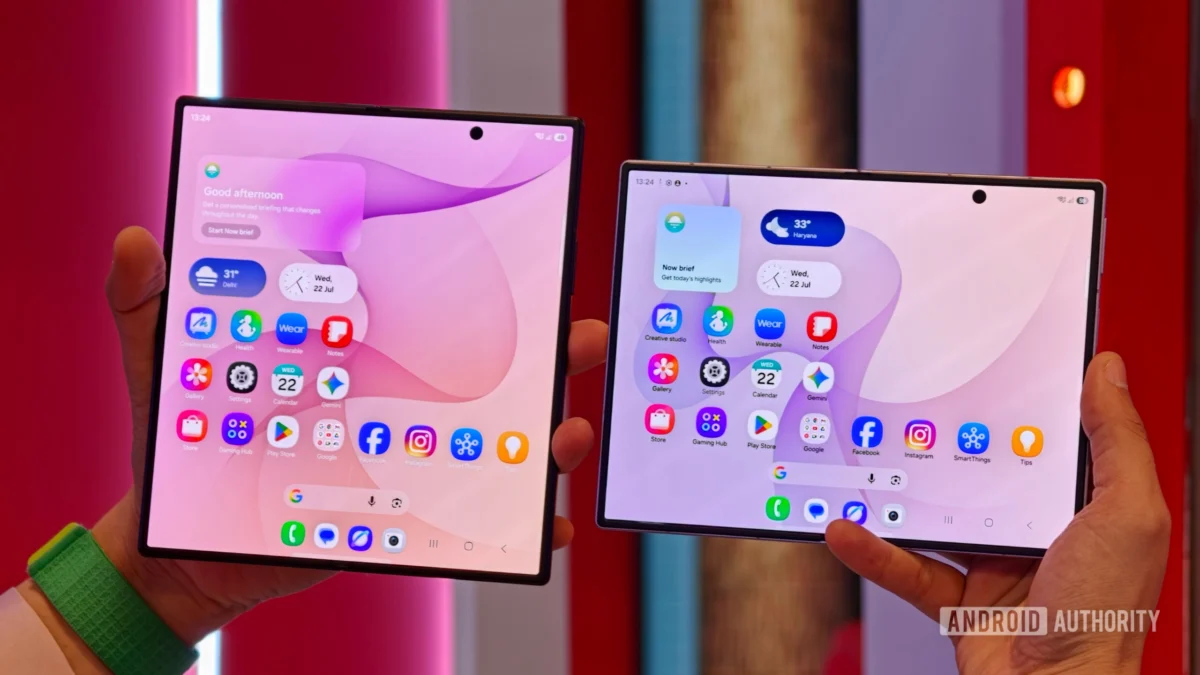
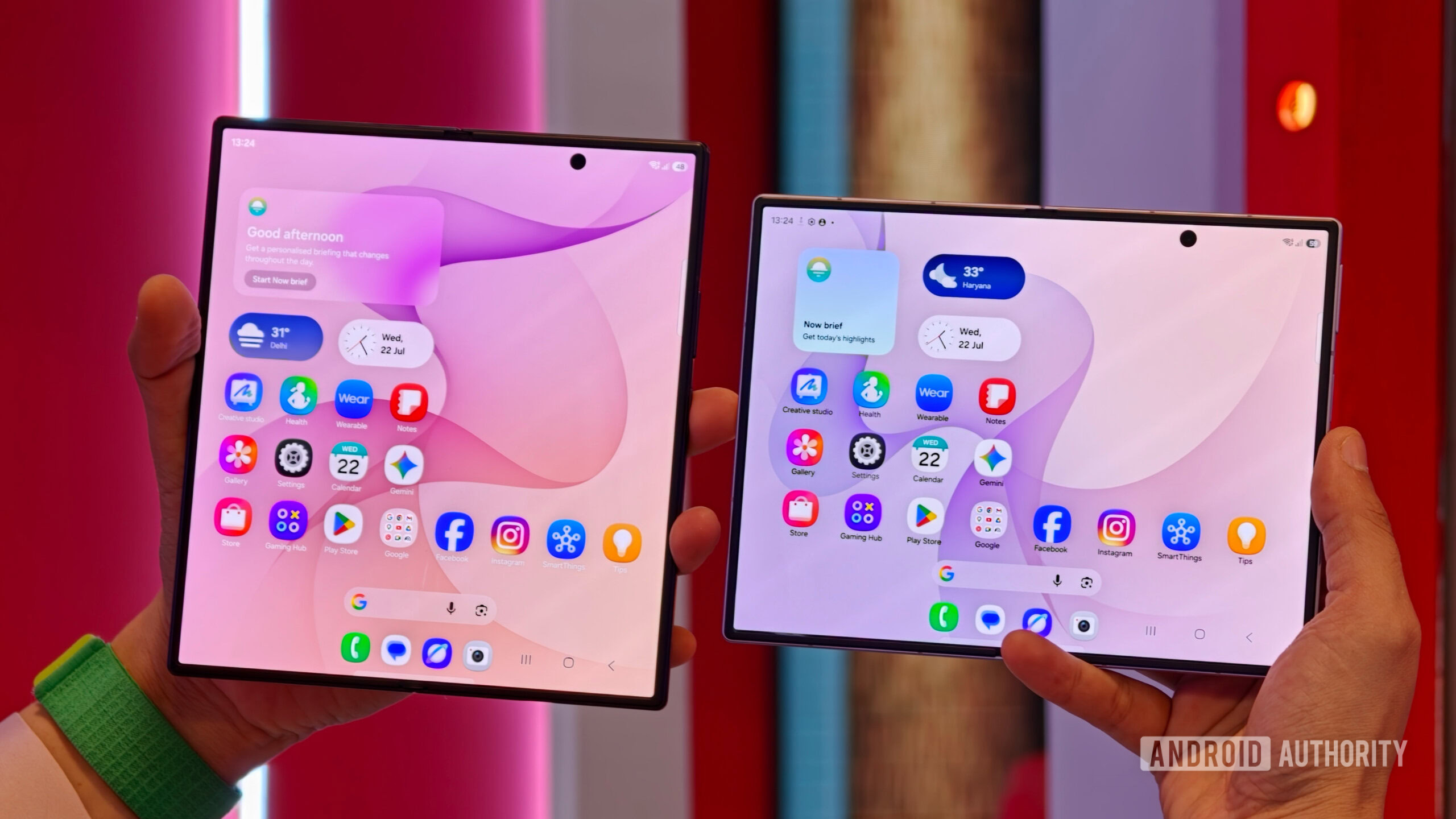
Samsung has officially launched its latest generation of foldable smartphones, the Galaxy Z Flip 8, Z Fold 8, and Z Fold 8 Ultra, marking a significant technological leap with the integration of silicon-carbon batteries across all three models. This strategic adoption, coming after many competitors have already embraced similar battery technology, represents Samsung’s commitment to pushing the boundaries of mobile power efficiency and device design. The move not only enhances the immediate capabilities of its foldable lineup but also strongly suggests a future where this advanced battery technology will become a cornerstone of its flagship Galaxy S series, beginning with the anticipated Galaxy S27.
The introduction of silicon-carbon batteries signifies a departure from traditional lithium-ion technology, offering a higher energy density. This allows for either a substantial increase in battery capacity within the same physical footprint or a reduction in battery size while maintaining equivalent power output. This dual advantage is already evident in the new Z Fold 8 series. The Galaxy Z Fold 8 Ultra, for instance, boasts a substantial 5,000mAh battery, a notable upgrade from the 4,400mAh cell found in its predecessor, the Galaxy Z Fold 7, all within a chassis that maintains similar dimensions. Concurrently, the Galaxy Z Fold 8, despite its remarkably thin and lightweight design, manages to house a respectable 4,800mAh battery. The Galaxy Z Flip 8 also benefits from this technology, achieving the same 4,300mAh capacity as its predecessor but within an even slimmer profile.
This strategic implementation of silicon-carbon batteries in Samsung’s premium foldable devices is not merely an incremental upgrade; it’s a foundational shift that sets the stage for future innovations. The company’s decision to debut this technology in its most cutting-edge and design-intensive products suggests a confidence in its stability and performance, a crucial factor given the historical challenges associated with silicon-based battery expansion.
The Evolution of Mobile Battery Technology: Silicon-Carbon Takes Center Stage
The journey towards silicon-carbon batteries has been a gradual but persistent one within the industry. For years, the pursuit of higher energy density has driven battery research, aiming to overcome the inherent limitations of conventional graphite-based lithium-ion anodes. Silicon, with its theoretical capacity to hold approximately ten times more lithium ions than graphite, has long been identified as a promising material. However, its practical application has been hampered by significant swelling and degradation during the charge-discharge cycles, leading to a shortened lifespan and potential safety concerns.
Samsung’s adoption of silicon-carbon technology signifies that the company has likely overcome these hurdles through advanced material science and engineering. Silicon-carbon batteries typically incorporate a composite material where silicon particles are integrated into a carbon matrix. This structure helps to mitigate the expansion issues associated with pure silicon, providing a more stable and durable battery. The "carbon" component acts as a scaffold, offering structural integrity and facilitating ion transport.
While the exact composition and manufacturing processes remain proprietary, the successful integration into the Z Fold 8 series indicates a significant breakthrough. This technology has been a key area of development for many battery manufacturers and smartphone brands over the past few years, with companies like Apple, Google, and various Chinese manufacturers exploring and implementing similar advancements. Samsung’s entry, while later than some, is significant due to its market leadership and the potential for this technology to cascade across its entire product ecosystem.
Strategic Rollout: Foldables as the Proving Ground
The choice of Samsung’s foldable phones as the initial platform for silicon-carbon batteries is a calculated move. Foldable devices present unique engineering challenges, including tight internal space constraints and the need for robust yet flexible components. Successfully integrating advanced battery technology into these complex designs demonstrates a high level of technical maturity. The physical thinness and sophisticated hinge mechanisms of foldables leave little room for error in battery design. Therefore, achieving increased capacity or reduced size in these devices is a testament to the efficacy of the silicon-carbon solution.
The timeline of this development suggests a multi-year effort. While specific internal research and development timelines are not public, the widespread industry interest in silicon-carbon batteries and Samsung’s own patent filings in this area indicate a concerted push. The fact that this technology is now ready for mass production in consumer devices suggests that initial research and development phases, followed by rigorous testing and refinement, have been successfully completed. The potential for issues, such as the infamous Galaxy Note 7 battery incidents in 2016, would undoubtedly have made Samsung exceptionally cautious about deploying new battery technology without absolute certainty regarding its safety and reliability.
Implications for the Galaxy S27 Series and Beyond
The most compelling implication of this announcement is the strong likelihood that the upcoming Galaxy S27 series will feature silicon-carbon batteries. This technology holds the key to addressing some of the most persistent user demands: longer battery life and sleeker device designs.
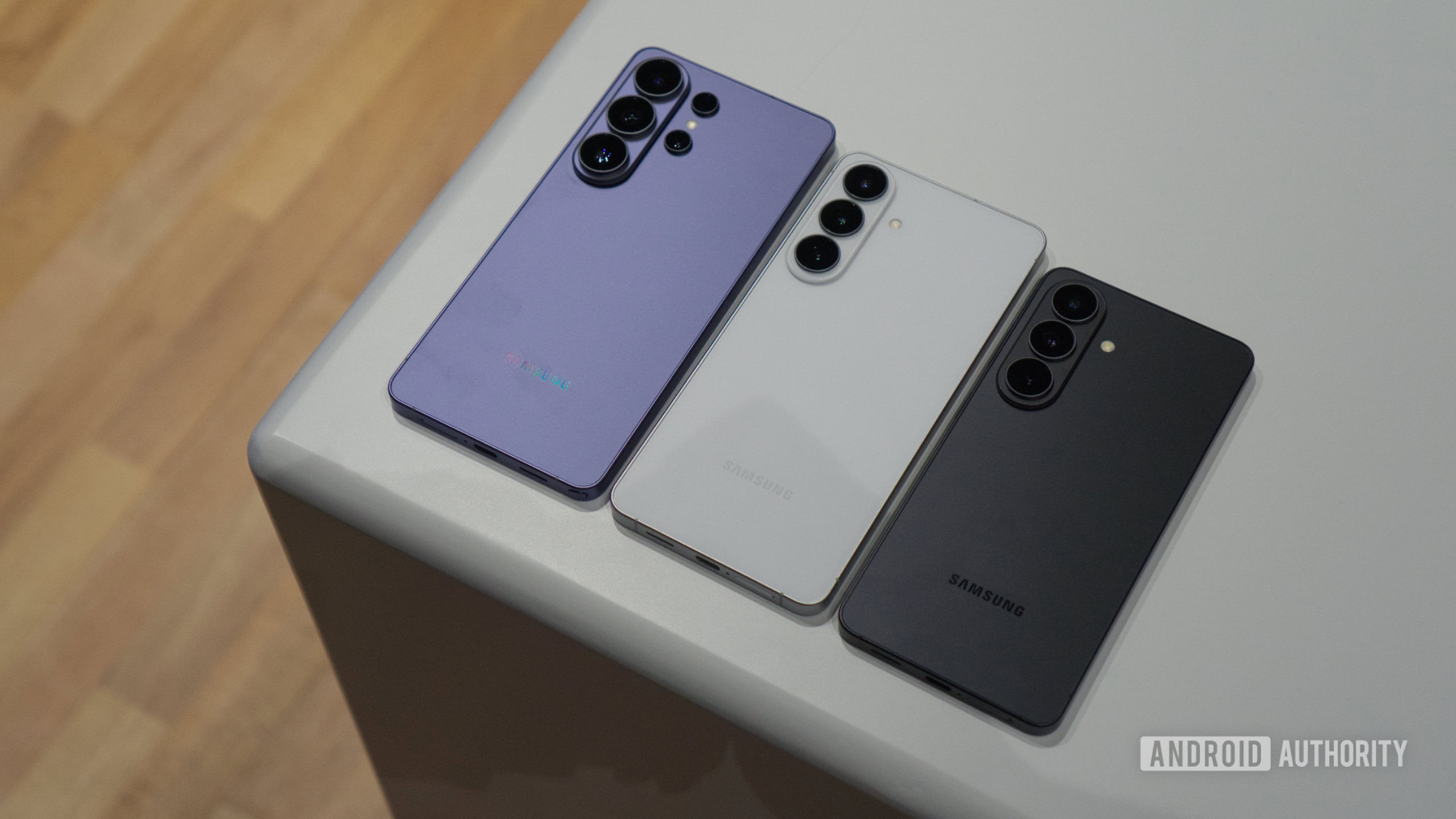
For the base Galaxy S27 model, which in the S26 generation featured a 4,300mAh battery within a 6.3-inch display, the adoption of silicon-carbon could lead to several possibilities. Samsung might maintain the current battery capacity while further reducing the device’s dimensions or thickness, offering a more compact and ergonomic experience. Alternatively, they could retain the S26’s form factor and significantly increase the battery capacity, providing a substantial boost in endurance without a physical increase in size. This flexibility is precisely what silicon-carbon technology enables.
The rumored Galaxy S27 Pro, expected to feature a 6.47-inch display, could also benefit immensely. Early speculation points towards a 5,000mAh battery, aligning with the capacity of the S26 Ultra. This projection becomes far more plausible with the proven success of silicon-carbon in the Z Fold 8 Ultra. Such a capacity would represent a significant upgrade for the Pro model, addressing potential concerns about battery life given its larger screen size.
The flagship Galaxy S27 Ultra, which has seen its battery capacity largely unchanged since the S21 Ultra’s 5,000mAh cell, is also poised for an upgrade. While a massive leap to 6,000mAh or 7,000mAh might still be ambitious and potentially constrained by regulatory limits in certain markets (like the EU’s regulations on single-cell batteries exceeding a certain threshold), an increase to around 5,300mAh to 5,500mAh seems entirely feasible. This would mark the first significant battery capacity enhancement for the Ultra line in several years, offering users extended usage times. It’s also possible Samsung could opt for a more modest capacity increase to further slim down the device, reduce weight, or free up internal space for other advanced components.
Furthermore, the potential for a Galaxy S27 Edge variant, which in the past has struggled with battery life due to its ultra-thin design, could be revitalized by silicon-carbon technology. The S25 Edge, for instance, was reportedly hampered by its 3,900mAh battery, leading to disappointing endurance. With silicon-carbon batteries, Samsung could equip such a device with a more substantial power source without compromising its signature sleekness.
Addressing Potential Challenges and Ensuring Reliability
While silicon-carbon batteries offer significant advantages, their implementation is not without technical complexities. The inherent tendency of silicon to expand during charging and discharging requires sophisticated battery management systems and robust structural designs to prevent premature degradation and ensure safety. Samsung’s success in integrating this technology into its foldable devices suggests that these challenges have been effectively managed.
The company’s history with battery safety, particularly the Galaxy Note 7 recall, would have instilled a profound sense of caution and a rigorous testing protocol. It’s reasonable to infer that Samsung has invested heavily in advanced electrolyte formulations, anode coatings, and structural reinforcements to ensure the long-term stability and safety of its silicon-carbon batteries. The fact that they are implementing this in a product category as demanding as foldables indicates a high degree of confidence in their ability to control these expansion issues.
A New Horizon for Samsung’s Mobile Power Strategy
The widespread adoption of silicon-carbon batteries across the Z Fold 8 series is more than just an upgrade; it’s a strategic declaration of intent. It signals that Samsung is no longer content with incremental battery improvements and is actively embracing next-generation power solutions. This technological leap is not only about delivering more power but also about enabling greater design freedom. By potentially fitting more energy into smaller spaces, Samsung can continue to innovate in areas like display technology, camera systems, and overall device form factors.
The industry will be watching closely as Samsung continues to roll out this technology. The successful integration into the foldable line sets a strong precedent for the Galaxy S27 series, promising enhanced user experiences through improved battery life and potentially more refined device designs. This move solidifies Samsung’s position at the forefront of mobile technology innovation, demonstrating a forward-thinking approach to addressing the evolving needs of smartphone consumers. The era of silicon-carbon batteries has truly arrived for Samsung, and its impact is set to resonate across its entire flagship portfolio for years to come.