Metty Iskandar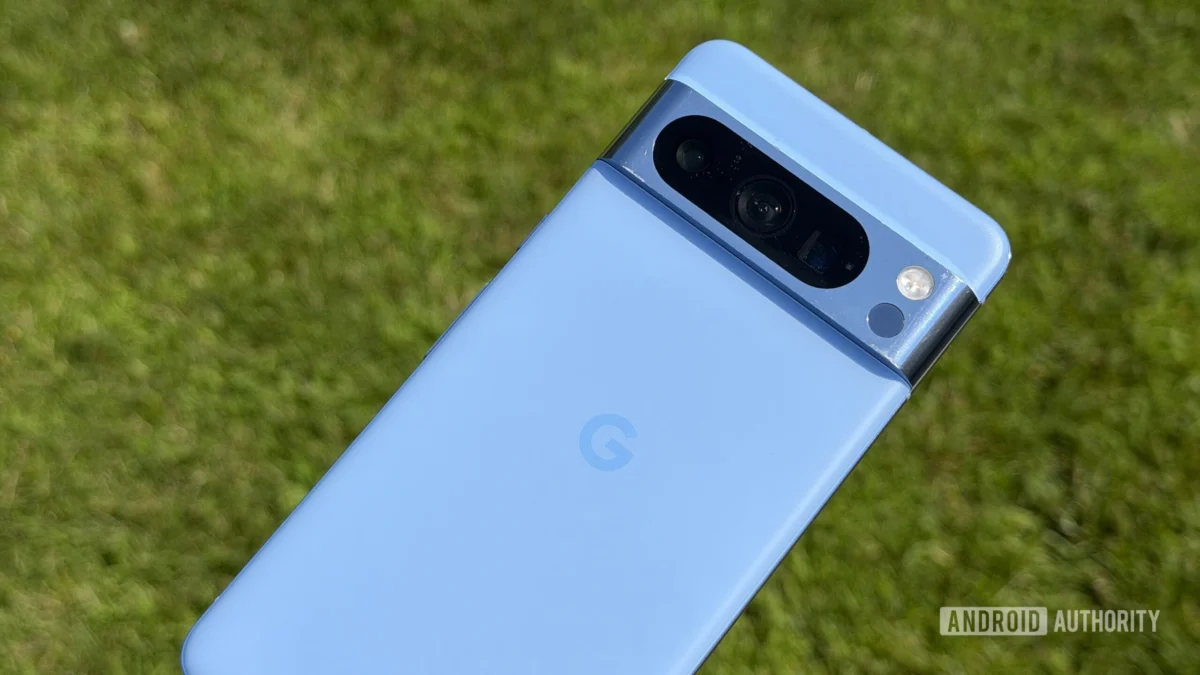
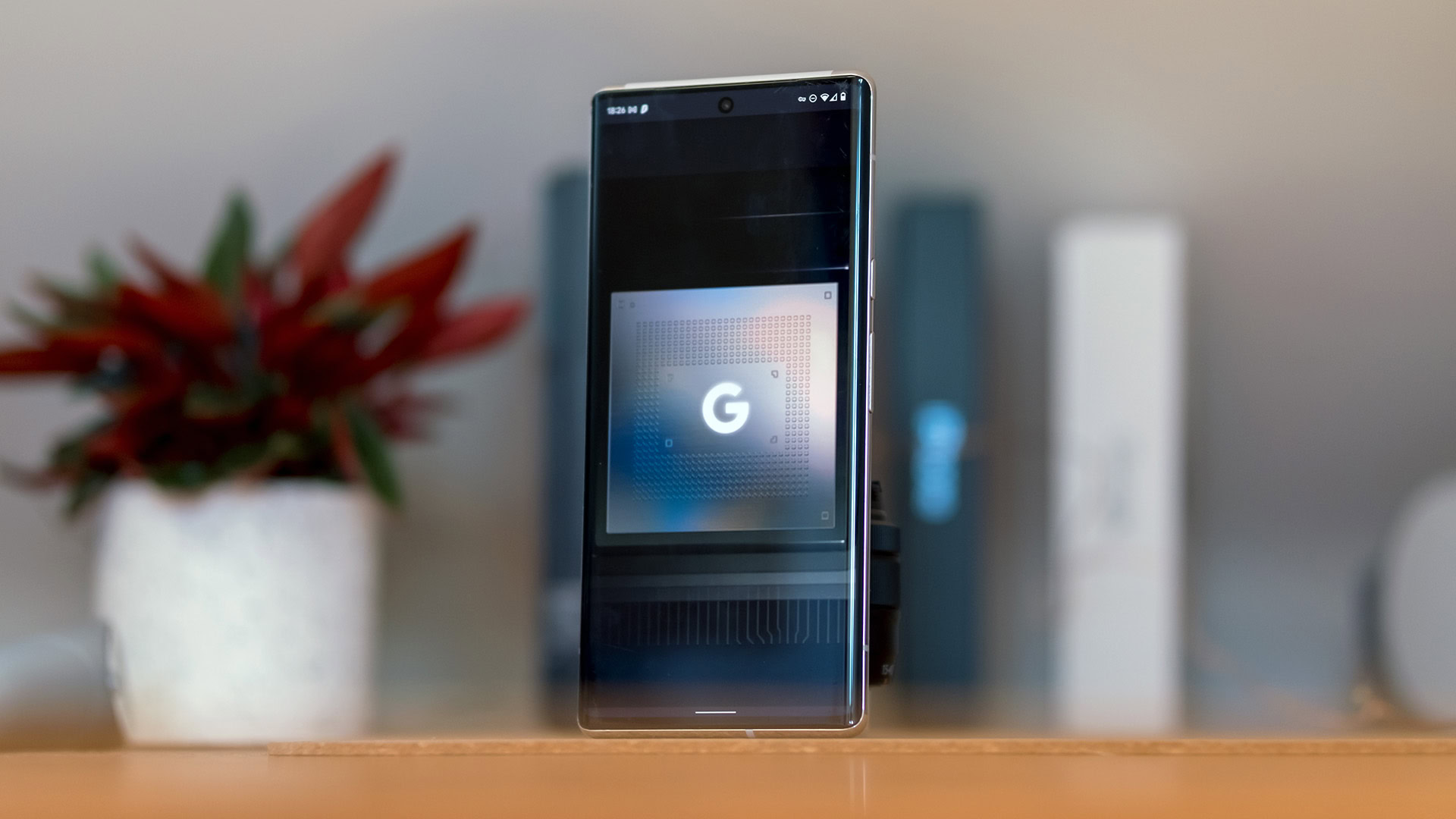
The smartphone industry is in a perpetual state of evolution, with manufacturers constantly striving to differentiate themselves through innovative hardware and software. For Google, this journey has been intrinsically linked to its in-house Tensor chipsets, a bold move designed to imbue its Pixel devices with unique AI capabilities and a distinct user experience. However, this ambitious endeavor has not been without its challenges, as evidenced by recent user sentiment and the looming introduction of the Tensor G6, poised to power the upcoming Pixel 11. A recent survey conducted by Android Authority revealed a significant degree of user frustration and hesitancy regarding the purchase of the Pixel 11, contingent on a clear understanding of the Tensor G6’s capabilities. This sentiment underscores a critical juncture for Google’s custom silicon strategy.
A Tumultuous Genesis: The Early Days of Tensor
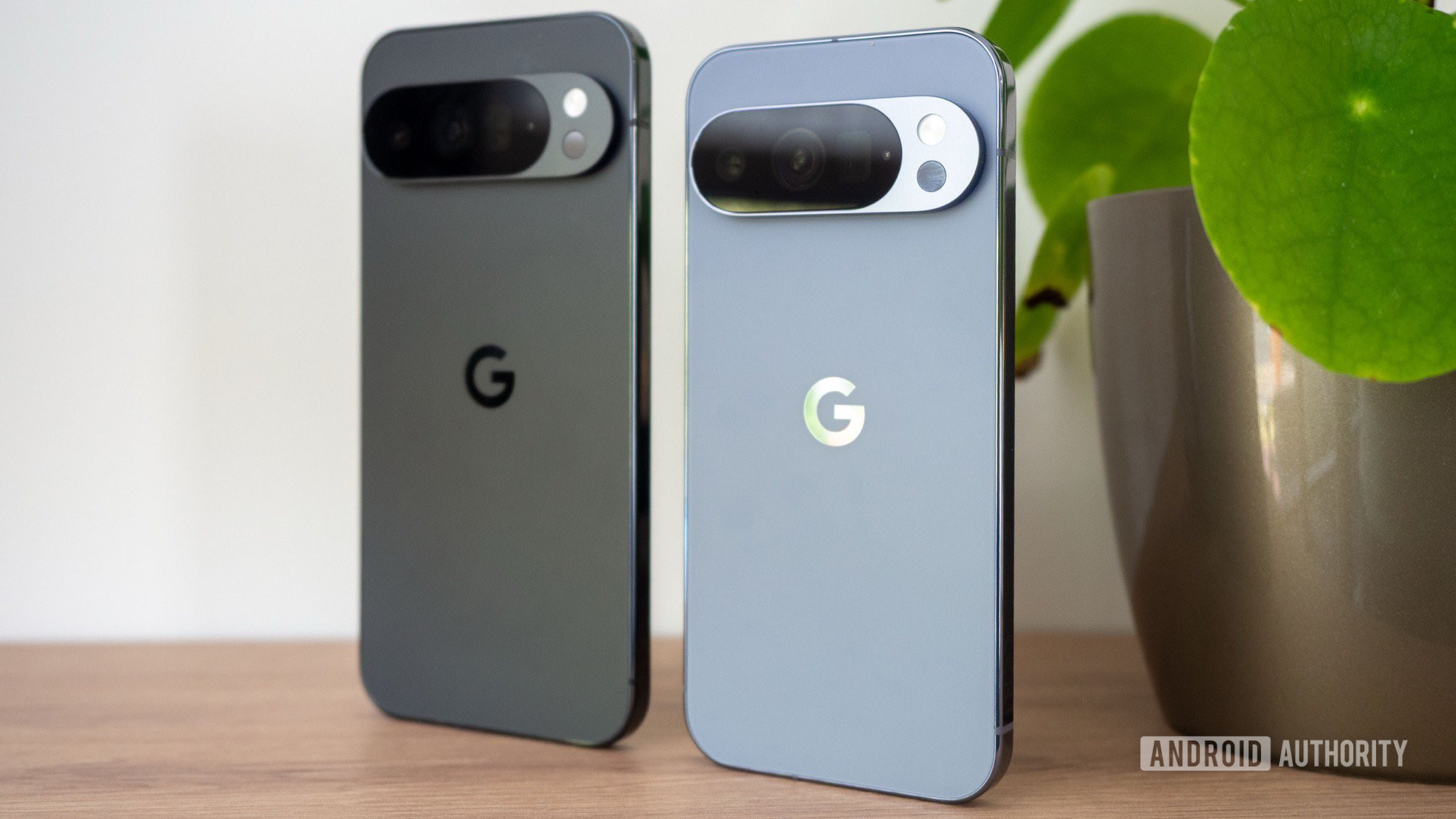
The introduction of the first-generation Tensor chip in the Pixel 6 series in late 2021 marked a pivotal moment for Google’s smartphone ambitions. The promise was a device deeply integrated with Google’s AI prowess, delivering features and performance previously unattainable. However, the initial rollout was marred by considerable performance issues. Users reported frequent overheating, leading to performance throttling and a noticeable degradation in battery life. While subsequent software updates provided some relief, the early months of Pixel 6 ownership were, for many, a period of significant frustration.
This rocky start cast a long shadow over the subsequent iteration, the Tensor G2, found in the Pixel 7 lineup. While an improvement, it still struggled with thermal management, with the device’s aluminum frame often becoming uncomfortably hot during extended use, invariably impacting battery longevity. This pattern of thermal issues and the associated user experience concerns led a substantial portion of the consumer base to question the viability of Tensor-powered Pixels, leading to a decline in confidence and a cautious approach to future purchases. The narrative that emerged was one of a promising concept hampered by early execution, a narrative that continues to influence consumer perception.
The Turning Point: Pixel 8 and the Promise of Refinement
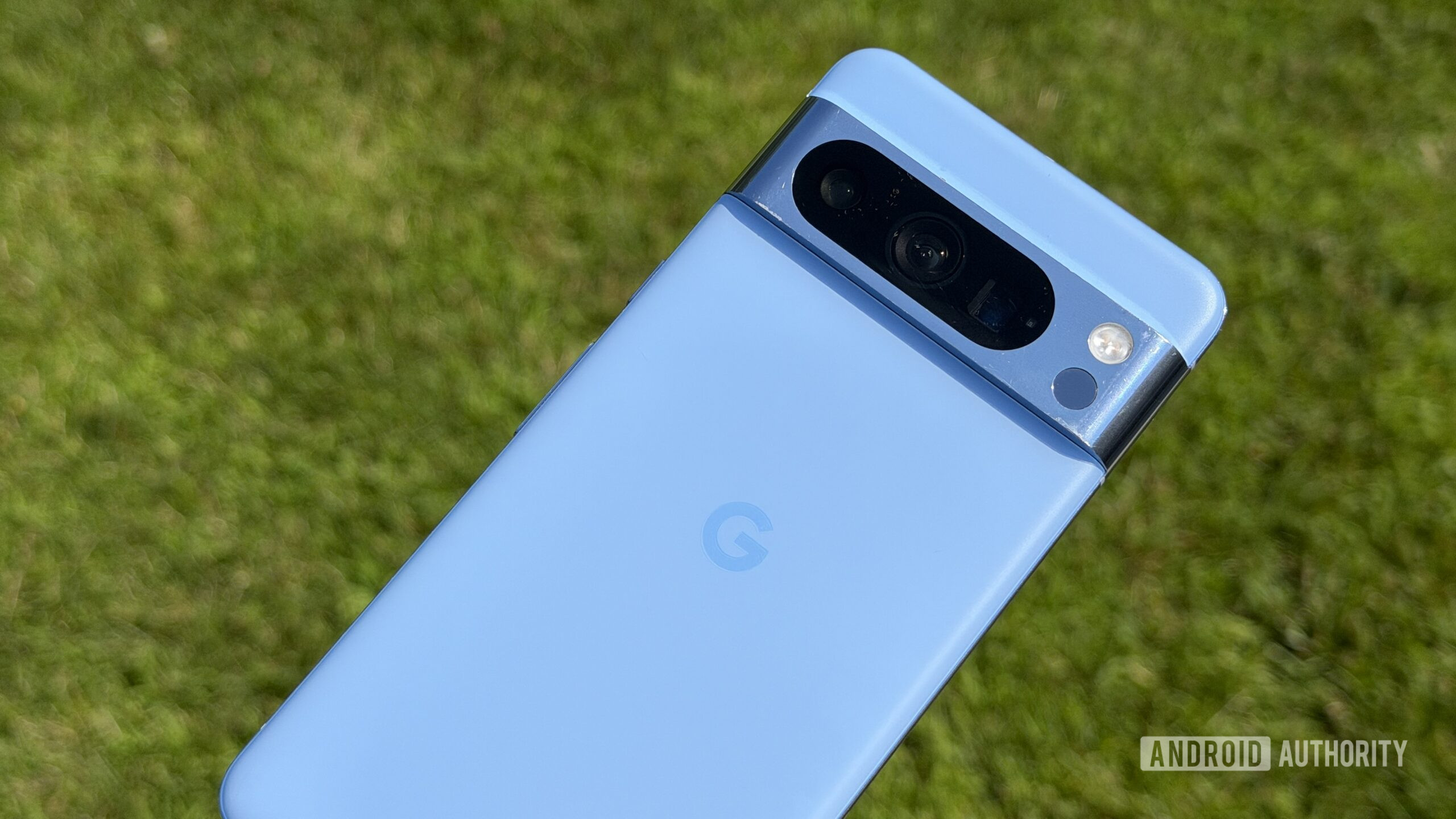
The landscape began to shift with the release of the Google Pixel 8 and Pixel 8 Pro in late 2023. The author’s personal experience, as well as broader market reception, indicated a significant leap forward. The Pixel 8 Pro, in particular, was lauded for its dramatically improved battery performance, a crucial area where its predecessors had faltered. While instances of the device running warm were still reported by some users, the pervasive overheating issues that plagued earlier generations were substantially mitigated.
Crucially, while Tensor chips have historically lagged behind their Snapdragon counterparts in raw synthetic benchmarks, the real-world user experience on the Pixel 8 Pro was described as "silky smooth." This emphasis on user experience, coupled with Google’s signature software enhancements, proved to be a compelling combination for many consumers. The ability to seamlessly integrate with other devices, such as the now-universal Quick Share functionality that works with Apple’s AirDrop, highlighted Google’s focus on practical, everyday usability rather than purely on benchmark dominance. This strategic pivot, prioritizing a fluid and intuitive user interaction, began to win back some of the disillusioned consumer base.
The author’s continued positive experiences with the Pixel 9 Pro XL and the subsequent Pixel 10 Pro XL further solidify this narrative of incremental yet significant progress. The inclusion of improved modems in successive Tensor generations has enhanced connectivity, and the current Tensor G5 has been described as "excellent" in day-to-day usage. While acknowledging that the Pixel line may not cater to hardcore mobile gamers seeking maximum performance at the highest settings, the article asserts that for the vast majority of casual users, the gaming experience on modern Pixels is more than adequate, with most AAA mobile titles running smoothly, albeit with minor concessions at peak graphical settings.
The Evolving Market Landscape and the Tensor G6 Challenge
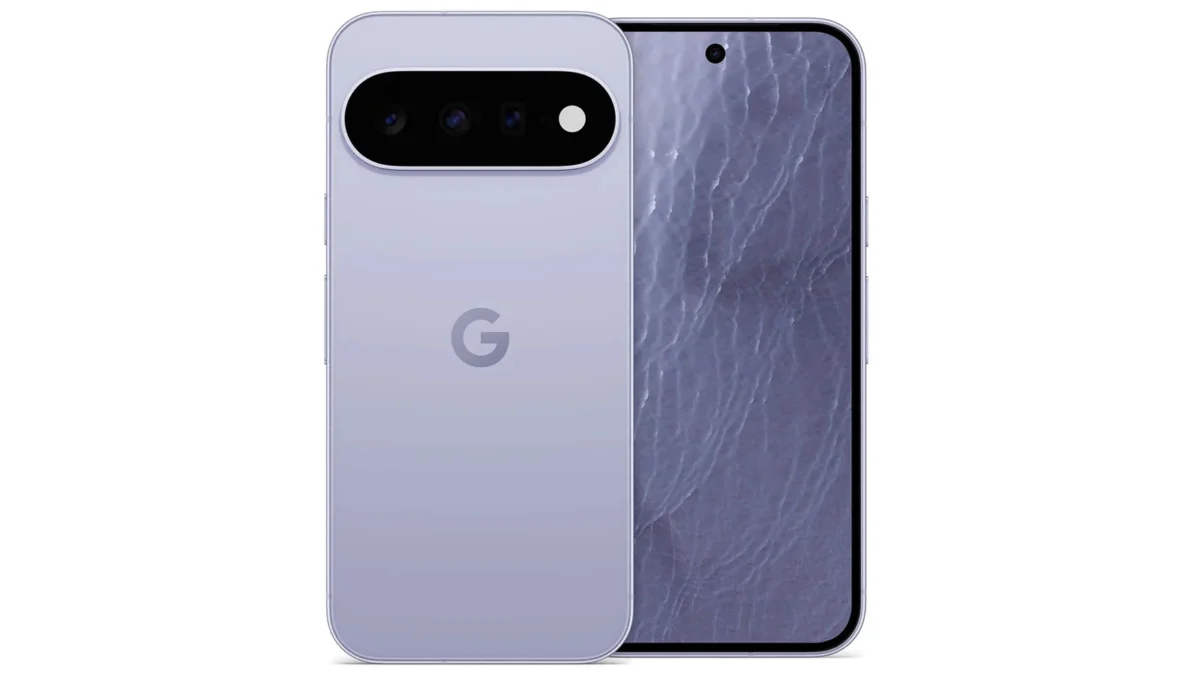
Despite the progress, the competitive landscape presents a formidable challenge for the upcoming Tensor G6 and the Pixel 11. The smartphone market is characterized by escalating prices, with flagship devices now frequently commanding figures around the $1,400 mark. This puts Google in a precarious position. When Pixel devices are priced in direct competition with established powerhouses like Samsung’s Galaxy S series, consumers naturally expect parity in all aspects of performance and feature set.
The article points out that devices like the Samsung Galaxy S26 Ultra offer comparable AI capabilities and Android features, making it increasingly difficult for Google to justify any perceived value gap based solely on a superior user experience. While the author expresses a preference for Google’s Material 3 design language and the performance of Android 17 on their Pixel 10 Pro XL, they concede that buyers investing such significant sums are entitled to demand comprehensive performance across the board.
Leaks and industry speculation suggest that Google is aware of these market pressures and is targeting a more powerful Tensor G6. However, the article expresses a degree of skepticism about the feasibility of a complete paradigm shift in performance and consumer perception within a single generation. The challenge for Google is not just to improve the Tensor chip but to demonstrably prove its competitive edge against industry leaders who have a longer track record of delivering top-tier performance.
Implications and Future Outlook
The success of the Tensor G6 and the Pixel 11 hinges on Google’s ability to strike a delicate balance. They must not only enhance raw performance but also maintain the user experience that has become a hallmark of the Pixel brand. The market’s current trajectory suggests that a premium price tag will necessitate a premium performance package that can stand toe-to-toe with the best offerings from competitors.
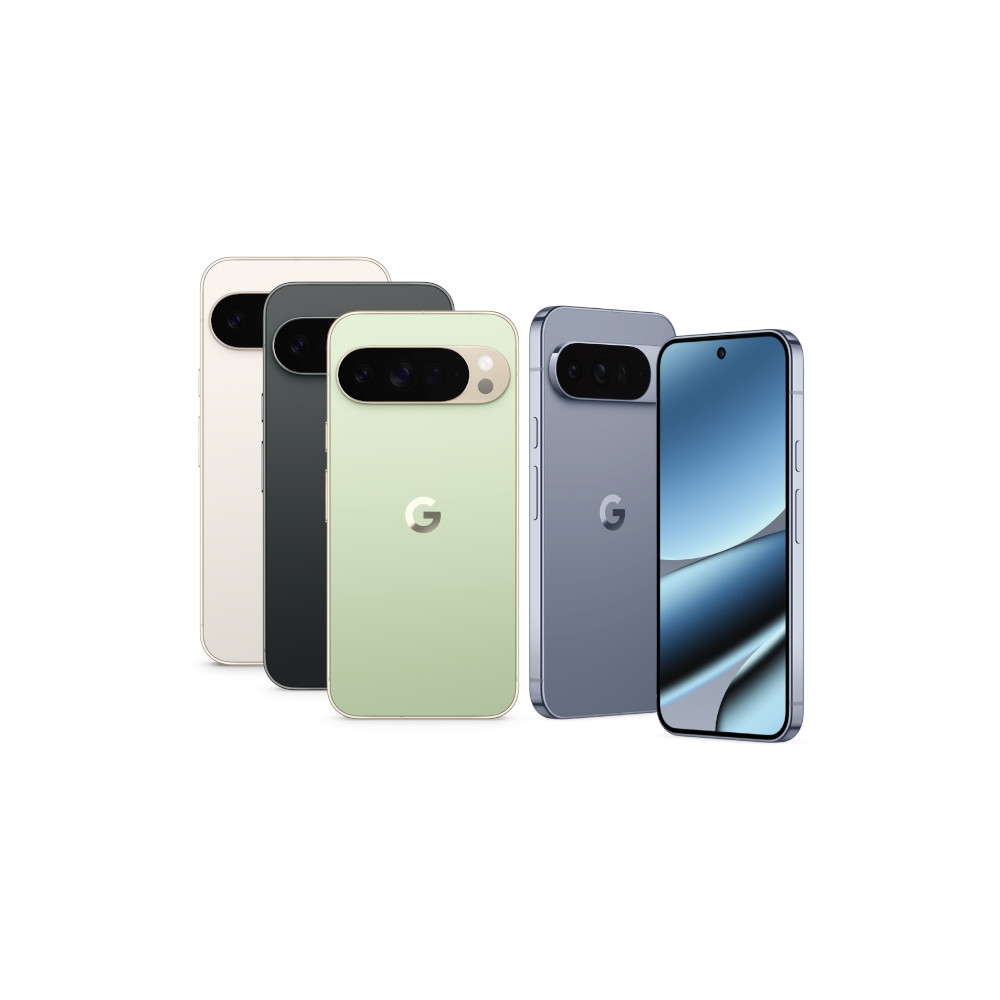
The article concludes by acknowledging the difficult journey Google has undertaken with its custom silicon. It recognizes the validity of consumer frustration stemming from the early Tensor generations and emphasizes that holding Google perpetually accountable for past missteps may be unfair given the demonstrable improvements. The Pixel 11 faces a significant task in proving its worth, particularly if it arrives with a heightened price point. However, the author maintains an overall positive outlook on Google’s progress with its Tensor chipsets, underscoring that the journey, while fraught with challenges, has yielded genuinely enjoyable user experiences. The critical test for the Tensor G6 will be its ability to deliver a polished, powerful, and reliable performance from day one, meeting the elevated expectations of today’s discerning smartphone consumer. The success of this generation will be a key indicator of Google’s long-term strategy and its ability to carve out a sustainable and competitive niche in the high-end smartphone market.