Metty Iskandar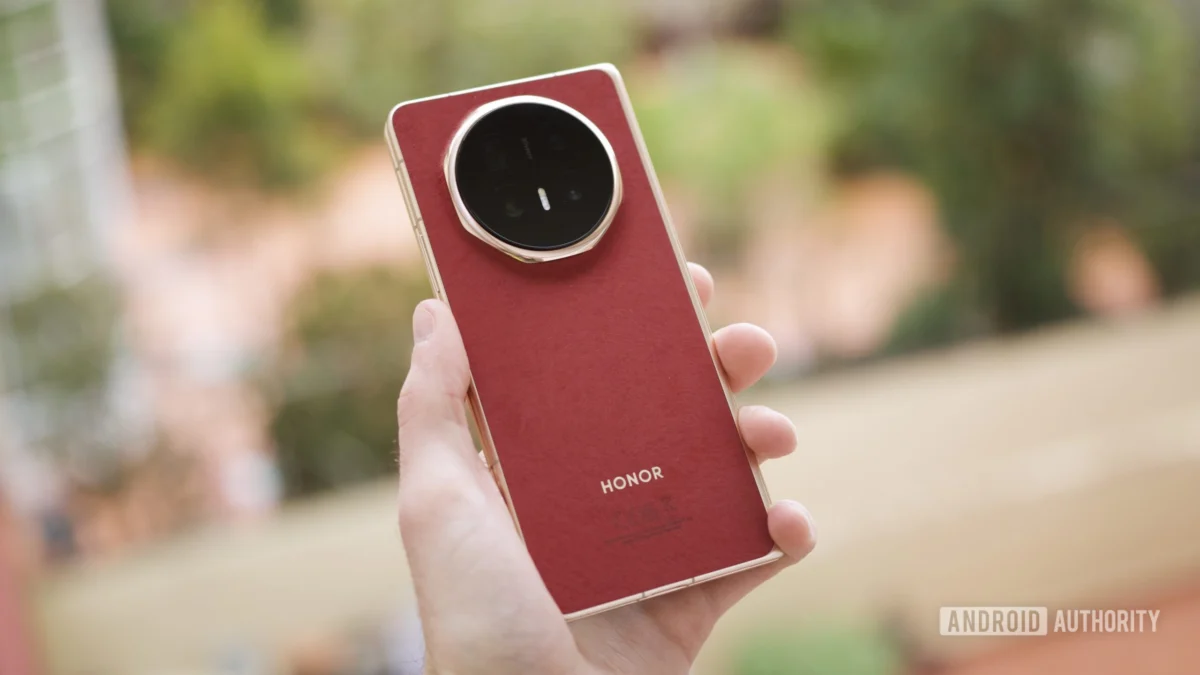
Samsung has officially launched its latest generation of foldable smartphones, the Galaxy Z Fold 8, Galaxy Z Fold 8 Ultra, and Galaxy Z Flip 8, at its highly anticipated Unpacked event. These new devices boast a refined slim design, cutting-edge chipsets, and advancements in battery technology, including the integration of silicon-carbon batteries. While these specifications paint a picture of technological progress, a persistent concern regarding their durability rating has emerged, drawing scrutiny from industry analysts and consumers alike.
The IP48 Rating: A Recurring Point of Contention
The most significant point of contention for the new Galaxy Z Fold 8 series and the Z Flip 8 is the continued adherence to an IP48 rating. This rating was first introduced with the Galaxy Z Fold 6 and Flip 6 models in 2024, and its reappearance on the 2026 models has reignited debate about Samsung’s commitment to comprehensive device protection, particularly in the context of foldable technology.
The International Protection (IP) marking system is designed to provide consumers with a standardized understanding of a device’s resistance to environmental factors. The first digit of the IP rating, in this case, ‘4’, indicates protection against solid objects. An IP4 rating signifies that the device is protected against objects greater than 1 millimeter in diameter. This means it can prevent the ingress of relatively larger foreign bodies like wires or small pebbles. However, it explicitly does not offer protection against dust, which is significantly smaller than 1 millimeter.
The second digit, ‘8’, denotes protection against water immersion. An IPX8 rating typically means a device can withstand submersion in water under specified conditions, usually up to a certain depth and for a defined period.
The combination of IP48, therefore, signifies a device that is protected against larger solid objects and is water-resistant. However, it falls short of providing the robust dust resistance that many consumers, especially those investing in premium, high-priced devices, have come to expect.
Understanding the Limitations of IP48 for Foldables
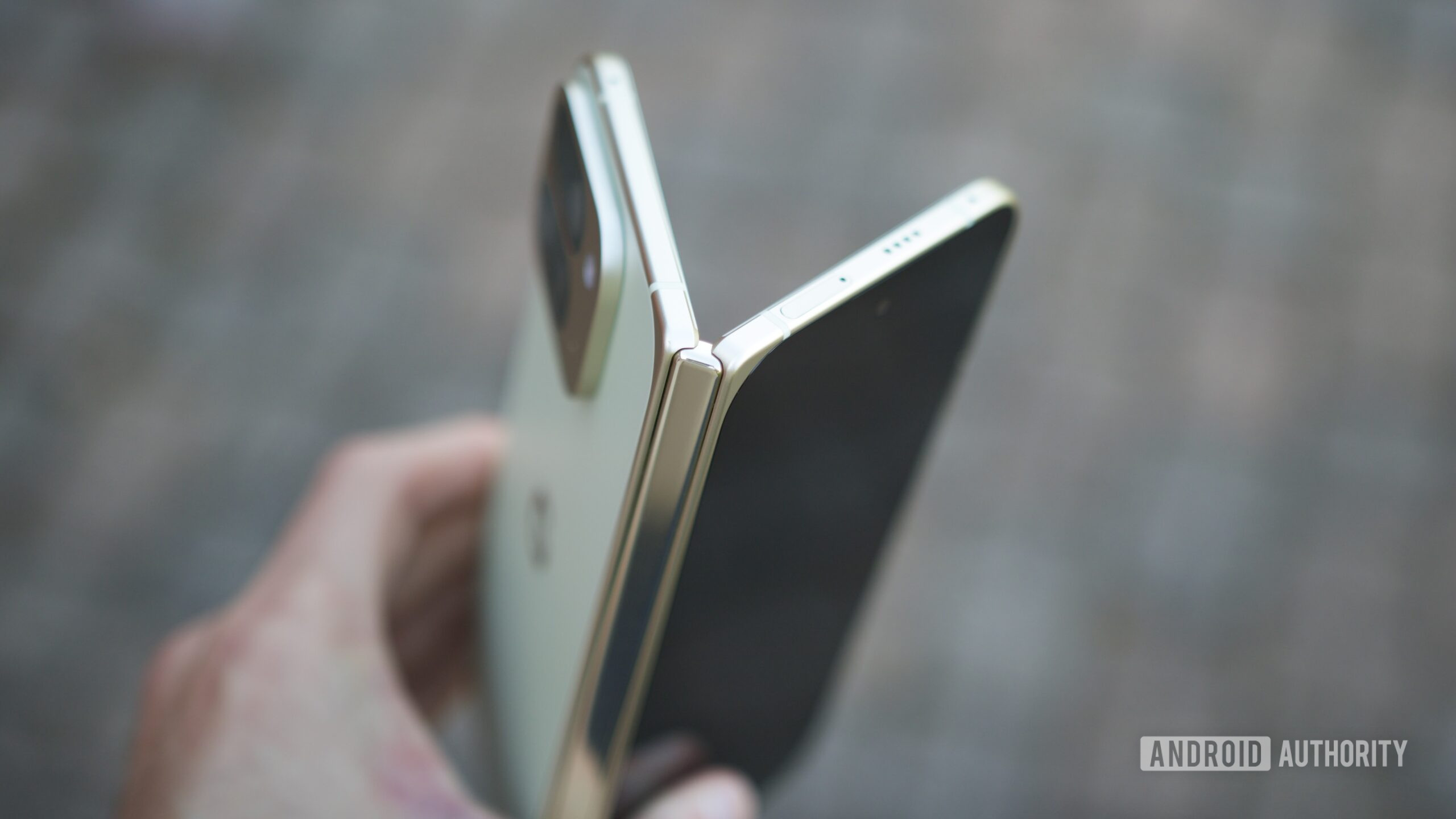
In practical terms, an IP48 rating means that the new Samsung foldables are not protected against common environmental hazards such as lint accumulation in pockets, sand encountered at a beach, or even a dusty tabletop. This lack of dust ingress protection is particularly concerning for foldable phones, given their complex hinge mechanisms. While Samsung has made strides in ejecting debris from its hinges in previous iterations, the absence of a true dust seal leaves these intricate components vulnerable to microscopic particles that could potentially lead to long-term wear, reduced functionality, or even catastrophic failure.
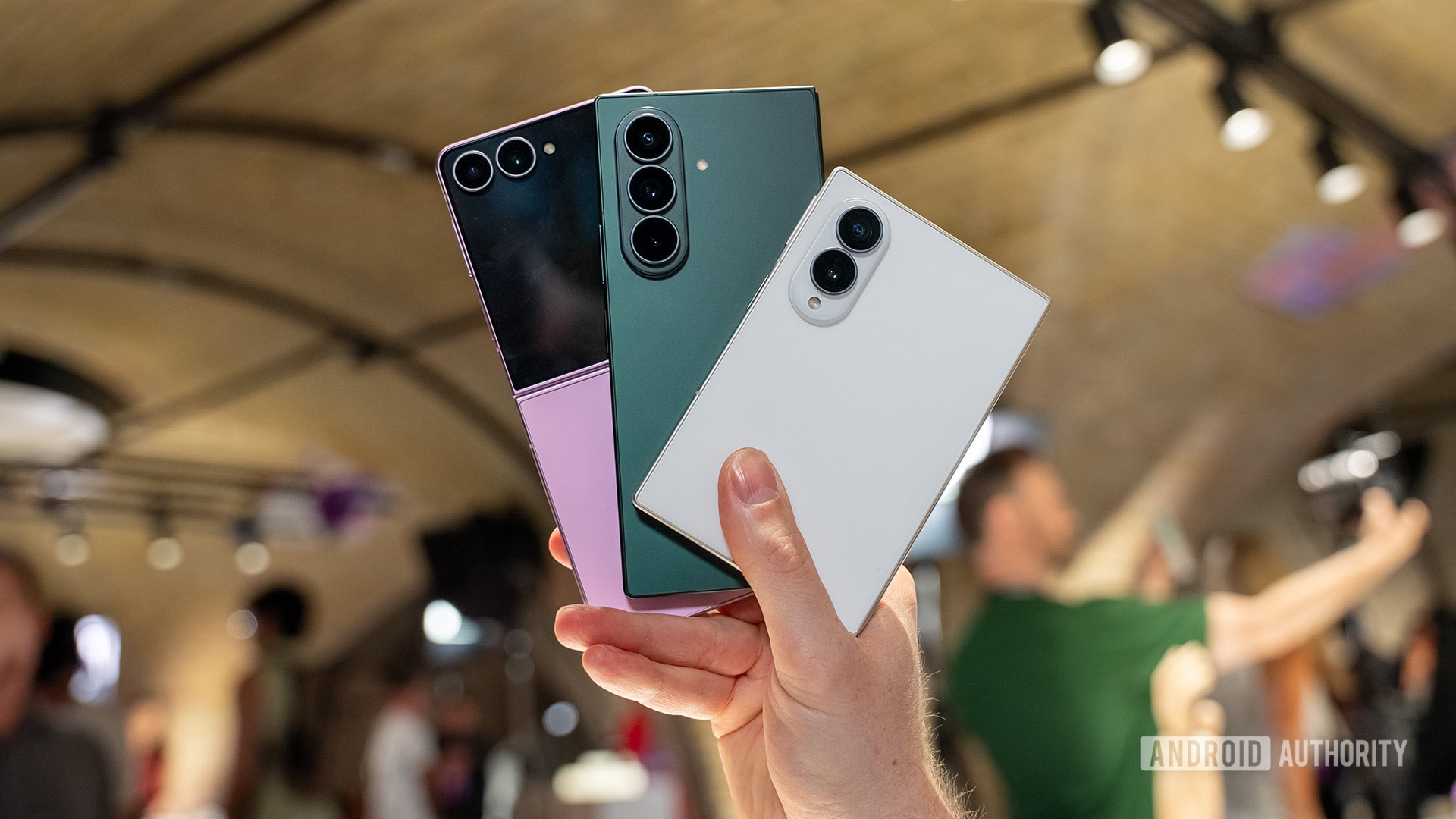
For a device that can cost upwards of $1,200 for the standard foldable and potentially $2,100 for the Ultra variant, the absence of comprehensive dust protection raises questions about value and long-term durability. This is especially true when compared to many entry-level and mid-range smartphones, which often feature superior dust resistance ratings.
A Shifting Landscape: Competitors Lead the Way in Durability
The reluctance of Samsung to fully embrace higher IP ratings for its foldables becomes more apparent when examining the offerings from its competitors. The foldable market, though still niche, has seen significant innovation in durability standards.
In 2025, companies like HONOR and Google began pushing the boundaries of what was considered acceptable for foldable device protection. The HONOR Magic V5 and vivo X Fold 5, launched in 2025, both featured an IP58 rating. This represents an improvement, offering a higher level of dust protection (rated for objects larger than 1mm, but with some consideration for finer particles) in addition to water resistance.
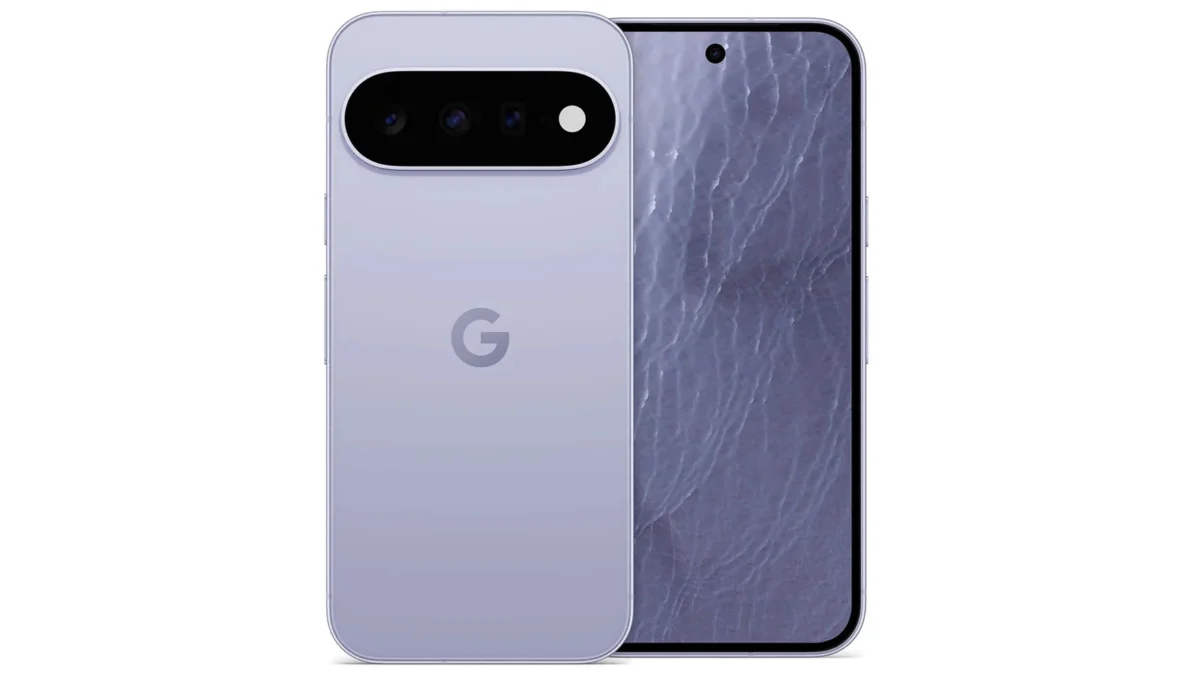
However, the true benchmark for foldable durability was arguably set by the Google Pixel 10 Pro Fold. This device was the first foldable smartphone to achieve a full IP68 rating. An IP68 rating signifies complete dust ingress protection, meaning the device is sealed against dust, and also offers enhanced water resistance capabilities, often exceeding the specifications of an IPX8 rating. This achievement demonstrated that a high level of dust and water resistance could be integrated into a foldable form factor without necessarily compromising its sleek design.
The HONOR Magic V6: A New Standard for Foldable Durability
Further solidifying the trend towards enhanced durability, HONOR’s Magic V6, released earlier in 2026, has impressed the market with its robust protection. This device not only boasts an IP68 rating but also an IP69 rating, which indicates protection against high-pressure, high-temperature water jets. Crucially, the Magic V6 achieves this level of protection while maintaining a remarkably thin profile, measuring approximately 9 millimeters when folded. This development directly challenges the notion that superior durability necessitates a bulky design, a potential justification that may have previously been considered for less protected devices.
A Global Comparison of Foldable Durability in 2026
Beyond HONOR and Google, several other major manufacturers are offering foldable phones with competitive or superior IP ratings in 2026. The OPPO Find N6, vivo X Fold 6, and HUAWEI Pura X Max all continue to offer IP58 ratings, providing a significant level of dust and water resistance. These devices often also present compelling features in terms of battery life, camera technology, and overall design, further highlighting the perceived shortcomings of Samsung’s current IP48 offering.
This leaves Samsung and Motorola as notable exceptions in the premium foldable segment for 2026. Both the latest Galaxy foldable lineup and the new Motorola Razr 2026 phones are equipped with IP48 ratings. For consumers in markets like the United States, this situation narrows the choices for a foldable device with certified dust resistance, effectively leaving Google as the primary option for those prioritizing this specific aspect of durability.
Samsung’s Strategic Approach and Potential Implications
Samsung’s consistent reliance on the IP48 rating for its foldable devices raises questions about its strategic priorities and its perception of market demand for enhanced durability. While the company has undoubtedly invested heavily in refining its foldable hinge technology, which does incorporate mechanisms for debris expulsion, the absence of a full dust seal remains a significant omission in a competitive landscape.
Several factors could be at play behind Samsung’s decision. Cost of implementation could be a barrier, as achieving higher IP ratings often involves more intricate sealing mechanisms and materials, potentially increasing manufacturing expenses. Furthermore, Samsung might be banking on its established brand loyalty and the overall technological prowess of its devices to outweigh concerns about dust resistance for a significant portion of its consumer base. The company may also believe that its existing hinge technology, while not fully sealed, is sufficient for the average user’s experience.
However, the implications of this persistent limitation are far-reaching. Consumer expectations are continuously evolving, and as more manufacturers offer more robust protection, Samsung risks falling behind in a key aspect of device quality. For many potential buyers, particularly those considering a foldable phone as a long-term investment, the prospect of a "crunchy" hinge or potential internal damage from dust ingress, especially given the high cost, can be a significant deterrent. The narrative around foldable phones is shifting from novelty to everyday practicality, and durability is a crucial component of that transition.
The Path Forward for Foldable Durability
The market’s trajectory suggests a clear demand for more resilient foldable devices. Consumers are increasingly less willing to "baby" their smartphones, especially those priced at a premium. The success of competitors in integrating higher IP ratings without sacrificing design aesthetics or overall functionality sends a clear message to Samsung.
For Samsung to maintain its leadership position in the foldable market, it is imperative that it addresses the dust resistance concerns head-on. The technological hurdles may be significant, but the competitive pressure and evolving consumer expectations indicate that a move towards IP58 or, ideally, IP68 ratings for future generations of the Galaxy Z Fold and Z Flip series is not just desirable but necessary.
The upcoming iterations of Samsung’s foldable technology will be closely watched to see if the company will adapt to the growing industry standard for durability. Until then, the persistent IP48 rating on its latest flagship foldables remains a significant point of concern for consumers seeking a truly worry-free, robust, and long-lasting foldable smartphone experience. The company’s commitment to innovation in other areas is commendable, but neglecting a fundamental aspect of device protection in an increasingly challenging environment could prove to be a strategic misstep. The future of foldable phones hinges on their ability to seamlessly integrate into daily life without the constant fear of environmental damage, and that future requires more than just water resistance.