Clarissa Hana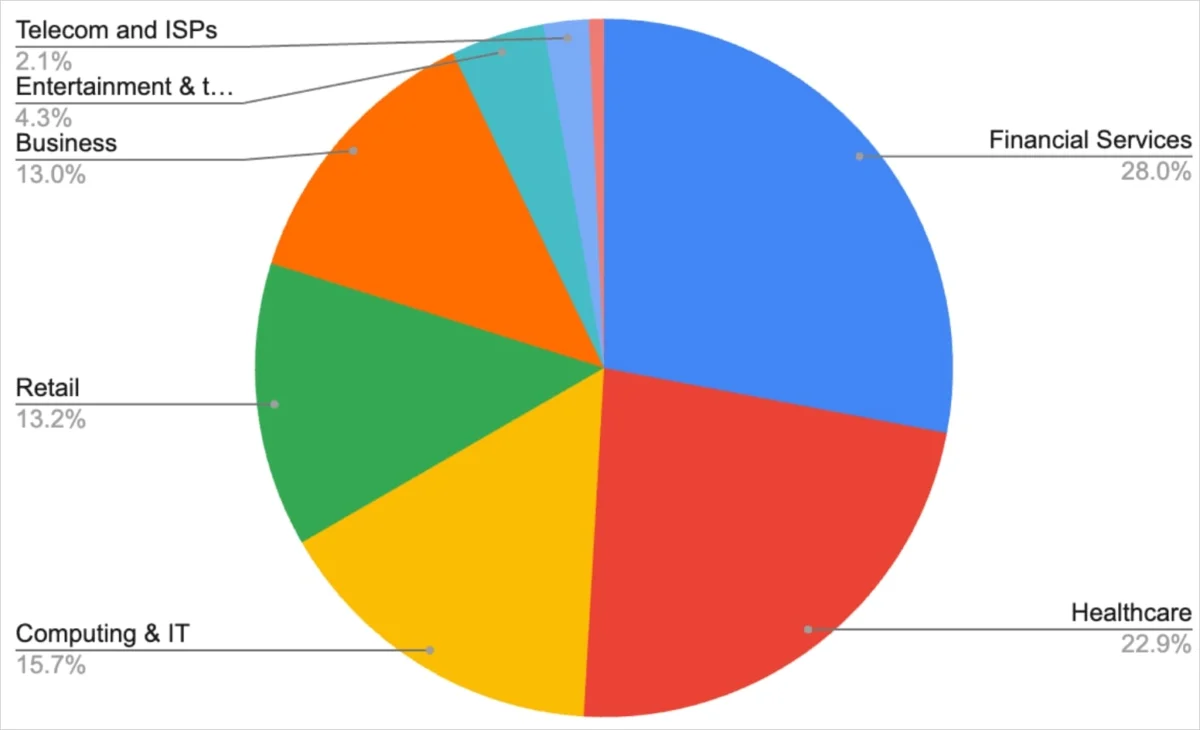
Cybercriminals are actively leveraging a critical zero-day vulnerability within the widely used FastJson Java library, enabling them to execute arbitrary code on targeted systems without requiring user interaction or elevated privileges. This sophisticated exploitation campaign, identified as impacting FastJson versions 1.2.68 through 1.2.83, has been observed primarily targeting a diverse range of organizations across the United States, with initial reports also indicating a limited presence in Singapore and Canada. The ongoing nature of these attacks suggests a potential for global expansion as threat actors continue to identify and exploit vulnerable systems.
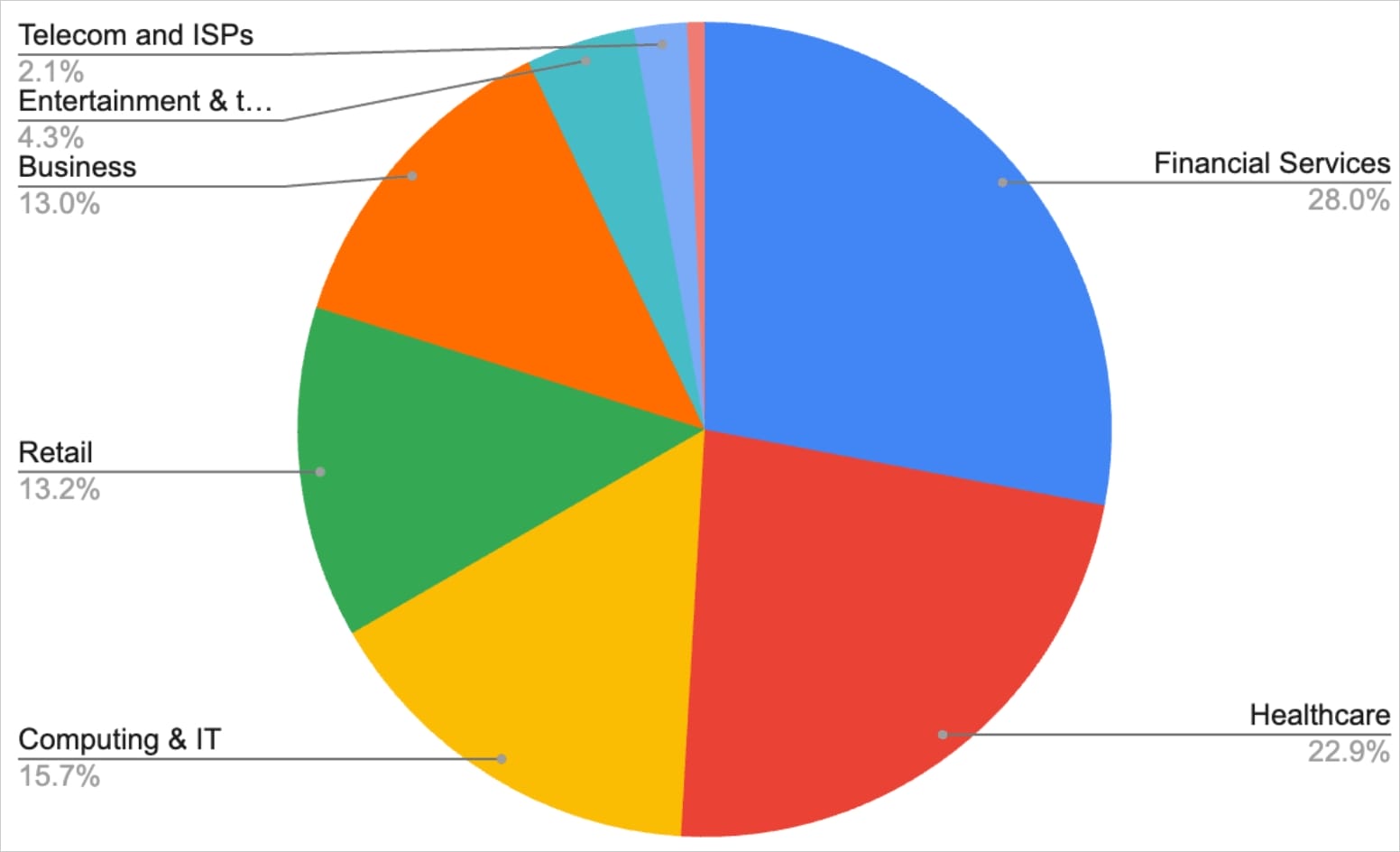
The discovery and initial reporting of this active exploitation emerged last week from the agentic security company ThreatBook. Their researchers observed the malicious activity, prompting further investigation by other cybersecurity firms. Imperva, a prominent business protection company, has since corroborated these findings, stating that the attacks are not confined to a single sector. Instead, they are "targeting a wide range of organizations, across Financial Services, Healthcare, Computing, Retail, Business, and other industries." This broad targeting underscores the pervasive nature of the FastJson library and the significant risk it poses to a broad spectrum of businesses.
FastJson, an open-source Java library developed by Alibaba, plays a crucial role in the serialization and deserialization of Java objects to and from JSON format. Its popularity is evidenced by its substantial presence on GitHub, boasting over 25,600 stars and 6,400 forks. It is particularly prevalent in enterprise software solutions originating from China and projects integrated within Alibaba’s extensive technology ecosystem. This widespread adoption means that a significant number of applications and services worldwide are potentially susceptible to this newly discovered exploit.
Unveiling CVE-2026-16723: The Technical Underpinnings of the Exploit
The security flaw, officially cataloged as CVE-2026-16723, was brought to light earlier this month by FearsOff, an offensive security company. In a detailed technical write-up, FearsOff researchers elucidated the mechanism by which the vulnerability can be exploited. The core of the issue lies within FastJson’s intricate type-resolution logic. This logic, when processing deserialized data, performs lookups for attacker-controlled resources before fully enforcing its AutoType restrictions. This oversight creates a critical pathway for remote code execution, particularly in environments utilizing Spring Boot fat-JAR deployments.

The researchers demonstrated that by skillfully manipulating the @type processing within FastJson, they could initiate the loading and execution of malicious classes. Crucially, this could be achieved even when the AutoType feature was ostensibly disabled or without the need for complex, third-party gadget chains – a common requirement for many Java deserialization exploits. This streamlined attack vector significantly lowers the barrier to entry for threat actors, making the vulnerability particularly dangerous.
A Critical Vulnerability with No Immediate Patch: Alibaba’s Response and Advisory
Alibaba, the original developer of FastJson, has acknowledged the critical severity of CVE-2026-16723 in a dedicated security bulletin. The company’s advisory confirms that the vulnerability is indeed exploitable on "the most common Spring Boot deployment model." This specific deployment model, where applications are launched via java -jar xxx.jar, is a prevalent method for distributing and running Spring Boot applications, further amplifying the potential impact of this zero-day.
The vendor’s bulletin further clarifies that simply specifying a target class during the deserialization process does not offer protection against CVE-2026-16723. Threat actors can artfully embed their malicious payloads within seemingly innocuous fields, such as those designated as ‘Object’ or ‘Map’ types, thereby bypassing such mitigation attempts. This indicates a deep-seated flaw in the library’s parsing and deserialization mechanisms.
Encouragingly, the FastJson2 library, a newer iteration, does not exhibit this vulnerability. FastJson2 employs an "allowlist-first" model for polymorphic deserialization, a more secure approach that does not rely on annotations like @JSONType as indicators of trust. This architectural difference means that applications built with FastJson2 are inherently protected from this specific exploit. Furthermore, older versions of FastJson, specifically 1.2.60 and earlier, are not affected. Similarly, non-fat-JAR deployments of affected FastJson versions are also considered safe, as the exploit’s success is contingent on the specific deployment methodology.
Despite the critical nature of the vulnerability, there is currently no official patch or fix available for CVE-2026-16723 within the FastJson 1.x branch. Imperva has also highlighted a significant concern: FastJson 1.x is no longer actively maintained by its developers. This lack of ongoing support strongly suggests that a security update for the vulnerable versions is highly improbable, leaving organizations reliant on alternative mitigation strategies.

Immediate Mitigation Strategies and the Path Forward
Given the absence of a direct fix, developers and system administrators utilizing FastJson versions between 1.2.68 and 1.2.83 are urged to implement immediate mitigation measures. The primary recommendations include enabling FastJson’s SafeMode feature, which can help restrict potentially dangerous deserialization operations, or, more ideally, migrating to a non-impacted build of the library. The most robust solution, however, is to transition to FastJson2 or an alternative JSON processing library that adheres to more secure deserialization practices.
The timeline of events leading to the public disclosure of this vulnerability paints a picture of rapid development in the threat landscape:
- Earlier this month: FearsOff, an offensive security company, discovers and details the CVE-2026-16723 vulnerability, publishing a technical write-up.
- Last week: ThreatBook, an agentic security company, observes active exploitation of the FastJson vulnerability in the wild.
- Concurrent reporting: Imperva, a business protection company, confirms the broad targeting of various industries in the U.S. and provides details on the affected versions and deployment models.
- Present: Alibaba issues a security bulletin confirming the vulnerability and its critical nature, while emphasizing the lack of an immediate fix for the 1.x branch.
Broader Implications for the Cybersecurity Landscape
The exploitation of this FastJson zero-day vulnerability carries significant implications for the broader cybersecurity landscape. Firstly, it highlights the persistent risks associated with the use of open-source libraries, particularly those with a vast user base and complex functionalities. While open-source software offers numerous benefits, including cost-effectiveness and community-driven development, it also presents challenges related to security oversight and the timely patching of vulnerabilities. Organizations must maintain rigorous software supply chain security practices, including continuous monitoring of dependencies for known vulnerabilities.
Secondly, the prevalence of the affected FastJson versions in enterprise environments, especially those utilizing Spring Boot, means that a substantial number of critical infrastructure and business-critical applications could be at risk. The financial services and healthcare sectors, often prime targets for cybercriminals due to the sensitive data they handle, are among those explicitly mentioned as being targeted. This underscores the potential for significant financial losses, operational disruptions, and regulatory penalties for affected organizations.
The fact that FastJson 1.x is no longer actively maintained is a stark reminder of the lifecycle management challenges associated with software components. Organizations that continue to rely on unpatched, end-of-life software place themselves at an unacceptable level of risk. The proactive migration to actively supported and more secure alternatives, such as FastJson2, is not merely a recommendation but a necessity for maintaining a robust security posture.
The discovery of this vulnerability by FearsOff and the subsequent confirmation and analysis by ThreatBook and Imperva exemplify the crucial role of independent security research in identifying and exposing critical threats. Their work enables organizations to take defensive measures before widespread damage occurs. However, it also places a burden on system administrators and security teams to stay abreast of emerging threats and implement swift, effective countermeasures.
The Path to Resilience: Proactive Defense and Strategic Migration
In the absence of a direct patch for FastJson 1.x, organizations must focus on a multi-pronged approach to mitigate the risks associated with CVE-2026-16723. This includes:
- Inventory and Assessment: Conducting a thorough audit of all applications and services to identify instances of FastJson versions 1.2.68 through 1.2.83. This inventory should specifically note the deployment model (e.g., Spring Boot fat-JAR).
- Immediate Mitigation: For identified vulnerable instances, enabling
SafeModewithin FastJson is a critical first step. However, this should be viewed as a temporary measure. - Strategic Migration: The long-term solution is to migrate away from vulnerable FastJson 1.x versions. This involves transitioning to FastJson2, which is not affected by this vulnerability, or adopting alternative, well-maintained JSON processing libraries. This migration may require significant development effort and testing, underscoring the need for proactive planning.
- Enhanced Monitoring and Detection: Implementing robust security monitoring solutions that can detect suspicious network activity or anomalous code execution patterns that might indicate exploitation attempts. This includes leveraging Intrusion Detection/Prevention Systems (IDPS) and Security Information and Event Management (SIEM) solutions.
- Developer Education: Ensuring development teams are aware of the risks associated with deserialization vulnerabilities and best practices for secure coding, particularly when working with third-party libraries.
The ongoing exploitation of the FastJson zero-day vulnerability serves as a critical warning. It emphasizes the dynamic nature of cyber threats and the imperative for organizations to remain vigilant, proactive, and adaptable in their cybersecurity strategies. The continued reliance on unpatched or unsupported software components represents a significant liability, and the recent attacks underscore the severe consequences of such oversights. The cybersecurity community, through collaborative efforts in research and reporting, plays a vital role in navigating these evolving threats, but the ultimate responsibility for implementing protective measures lies with individual organizations. The global reach of FastJson means that the impact of this vulnerability could extend far beyond the initially identified targets, necessitating a concerted and immediate response from the worldwide IT community.