admin
admin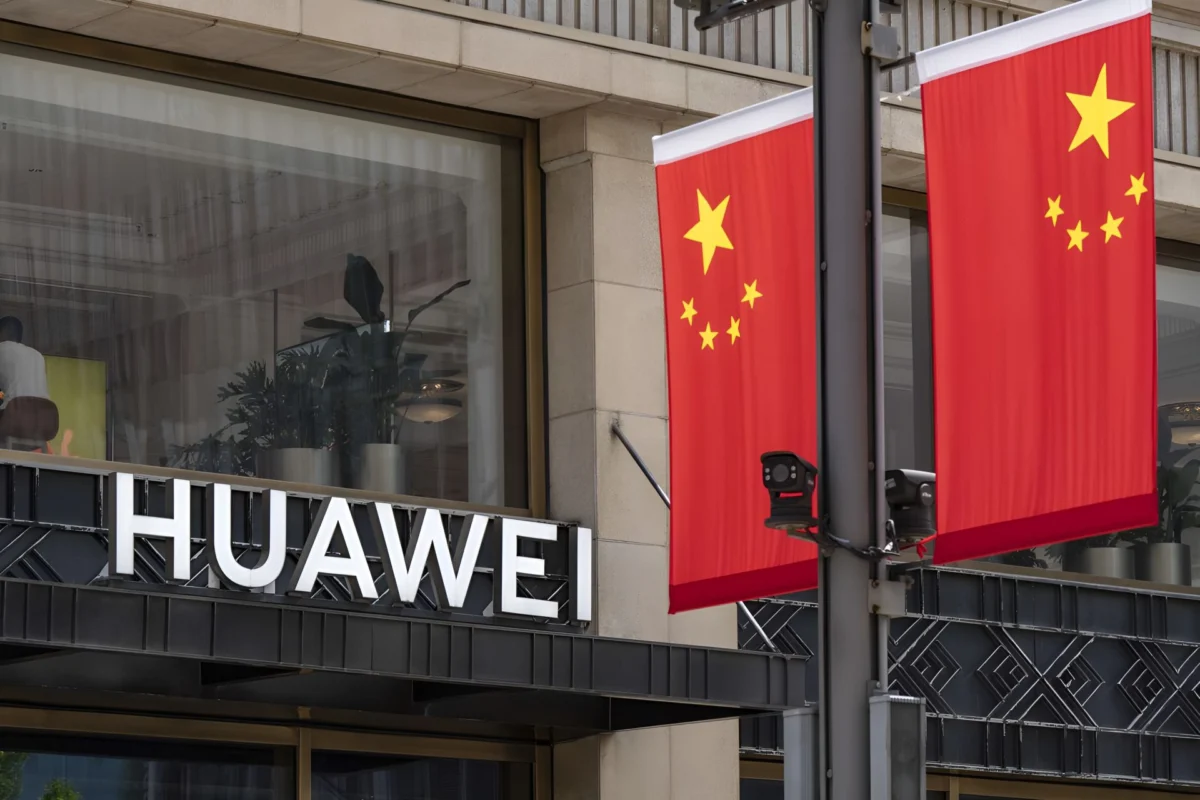
Unverified reports and high-level speculation have emerged regarding the whereabouts of Ren Zhengfei, the founder and Chief Executive Officer of Huawei Technologies Co., amid a backdrop of significant regulatory shifts in the People’s Republic of China. According to a series of reports circulating within Asian financial and technology circles, there are allegations that the 79-year-old executive may have departed the country via a maritime route shortly before the enactment of rigorous new exit controls. While these claims remain unconfirmed by official government or corporate channels, the intensity of the discourse reflects the heightened sensitivity surrounding China’s strategic technology sector and its high-profile leadership.
The rumors gained initial momentum on September 12, following the dissemination of alleged internal communication screenshots from within Huawei’s corporate infrastructure. These communications suggested a state of internal disarray, citing unresolved wage issues and a notable security presence at the company’s headquarters in Shenzhen. Coinciding with these internal murmurs, several regional publications in Taiwan and Hong Kong began reporting on a potential "maritime escape" involving a vehicle purportedly transporting members of the Ren family to the Dapeng Peninsula, a coastal area known for its proximity to international waters.
A Chronology of Recent Developments
The timeline of these events suggests a period of approximately 96 hours during which the narrative transitioned from internal corporate concerns to a matter of international intrigue.
On September 11, reports began to surface suggesting that members of Ren Zhengfei’s immediate family had become incommunicado, failing to respond to standard professional and social inquiries. This lack of communication served as the first red flag for analysts who monitor the movements of China’s "national champion" executives. By the morning of September 12, the situation escalated as digital footprints of internal Huawei chat groups were leaked to social media platforms. These leaks highlighted two primary concerns: an unusual deployment of police and security personnel at Huawei’s main campus and discussions regarding administrative delays in compensation.
By September 13, the focus shifted from the headquarters to the periphery of Shenzhen. Eyewitness accounts, though difficult to verify independently, described a high-security vehicular movement toward the Dapeng Peninsula. This geographic location is strategically significant, offering various maritime points of departure that bypass the more heavily monitored land-based checkpoints between Shenzhen and Hong Kong.
The urgency of these alleged movements is widely attributed to the looming deadline of September 15. This date marks the implementation of a new suite of exit regulations designed to tighten the oversight of individuals possessing critical technical knowledge or "state secrets" related to sensitive industries. As of September 14, Huawei has not issued a formal denial or a "proof of life" statement regarding its CEO, a silence that has inadvertently fueled further speculation across global markets.
The Regulatory Catalyst: September 15 Exit Controls
The primary driver behind the sudden focus on Ren Zhengfei’s movements appears to be a new regulatory framework aimed at safeguarding China’s technological sovereignty. These rules, which were signaled earlier in the year, are specifically designed to prevent the "brain drain" of senior engineering talent and executive leadership in sectors deemed vital to national security.
The regulations, effective September 15, grant Chinese authorities expanded powers to restrict the travel of individuals involved in industries subject to export controls, such as semiconductor manufacturing, artificial intelligence, and rare earth processing. Under these rules, authorities are empowered to:
- Mandate pre-approval for any international travel for high-level technical and executive personnel.
- Confiscate passports of individuals deemed to be in possession of "core technological secrets."
- Prohibit visits to "high-risk" nations, with specific mentions of jurisdictions like Japan and the United States, where intellectual property transfer is a heightened concern.
- Establish a monitoring system for the families of high-ranking tech figures to ensure compliance with domestic security protocols.
Ren Zhengfei, as the founder of a company that sits at the heart of China’s 5G, telecommunications, and semiconductor aspirations, would logically be among the primary figures subject to such scrutiny. Analysts suggest that the implementation of these rules effectively turns high-level corporate roles into positions of "permanent domestic residency," a prospect that may have prompted a preemptive response from those with the means to relocate.
Huawei’s Strategic Importance and the Burden of Leadership
To understand the gravity of these rumors, one must consider Huawei’s unique position within the Chinese economic and political landscape. Huawei is not merely a consumer electronics manufacturer; it is a symbol of China’s rise as a global technological power. With annual R&D investments frequently exceeding $20 billion, the company is the vanguard of China’s effort to achieve semiconductor self-sufficiency in the face of Western sanctions.

Ren Zhengfei himself is a figure of immense symbolic and practical importance. An ex-People’s Liberation Army engineer, he founded Huawei in 1987 and steered it through decades of global expansion and, more recently, intense geopolitical friction. His leadership style and personal philosophy are deeply embedded in the company’s "wolf culture," which emphasizes resilience and aggressive growth.
However, this importance comes with a heavy burden of state oversight. The Chinese government views Huawei’s intellectual property as a national asset. Consequently, the departure of its founder—especially under clandestine circumstances—would be viewed not just as a corporate transition, but as a significant breach of national security and a potential loss of critical strategic intelligence.
Historical Context: The Shadow of the 2020 CFO Arrest
The current atmosphere of suspicion is informed by the historical precedent of the Meng Wanzhou incident. In December 2018, Ren Zhengfei’s daughter and Huawei’s Chief Financial Officer, Meng Wanzhou, was detained in Vancouver, Canada, at the request of the United States. She faced extradition on charges related to the violation of American sanctions against Iran.
The ensuing three-year legal and diplomatic standoff, which concluded with her return to China in 2021, solidified Huawei’s status as a central player in the "Tech Cold War." This event profoundly affected the Ren family’s relationship with international travel and heightened the Chinese state’s protective—and restrictive—stance toward Huawei’s top brass. The memory of Meng’s detention serves as a reminder of the risks faced by Huawei executives abroad, but it also highlights why the Chinese state would be loath to see Ren Zhengfei move beyond its direct sphere of influence.
Potential Implications for the Global Tech Sector
Should the rumors of Ren’s departure prove accurate, the implications for the global technology sector would be profound. First and foremost, it would signal a catastrophic breakdown in the relationship between one of China’s most successful private entrepreneurs and the state apparatus. This could trigger a crisis of confidence among other tech leaders in Shenzhen and Hangzhou, potentially leading to further attempts at capital and talent flight.
From a market perspective, Huawei remains a private company, meaning it is not subject to the same disclosure requirements as publicly traded firms like Apple or Samsung. However, its vast network of suppliers and partners worldwide would be thrown into a state of uncertainty. A leadership vacuum at the top of Huawei could disrupt the company’s long-term strategic projects, including the development of the HarmonyOS ecosystem and its clandestine efforts to build advanced chip fabrication capabilities.
Furthermore, if Ren Zhengfei were to emerge in a third-party country, it would create a diplomatic firestorm. The question of whether he would seek political asylum or continue to lead the company from abroad would present unprecedented challenges for international law and corporate governance.
Official Silence and the Path Forward
As of this writing, neither the Chinese Ministry of Foreign Affairs nor the State-owned Assets Supervision and Administration Commission (SASAC) has commented on the rumors. Huawei’s public relations department has maintained a standard operational posture, continuing to post routine updates about product launches and corporate social responsibility initiatives, while conspicuously avoiding any mention of the CEO’s current location.
In the absence of a verified sighting or an official statement, the situation remains in a state of high-stakes ambiguity. The heavy police presence reported at the Shenzhen headquarters could be interpreted in two ways: either as a measure to prevent internal unrest following a leadership departure, or as a routine security enhancement ahead of the new September 15 regulations.
The coming days will be critical. If Ren Zhengfei does not appear at scheduled corporate events or internal meetings following the mid-month regulatory deadline, the pressure for a formal explanation will become insurmountable. For now, the world watches the Dapeng Peninsula and the halls of Huawei’s "Ox Horn" campus, waiting for a signal that will either debunk a wild rumor or confirm one of the most significant corporate defections in modern history.
The intersection of private enterprise, state security, and personal liberty has rarely been as visible as it is in the current saga surrounding Huawei. Whether this is a "James Bond" style exit or a localized administrative anomaly, it underscores the volatile reality of operating at the pinnacle of the global technology industry in an era of deepening geopolitical fractures.