Metty Iskandar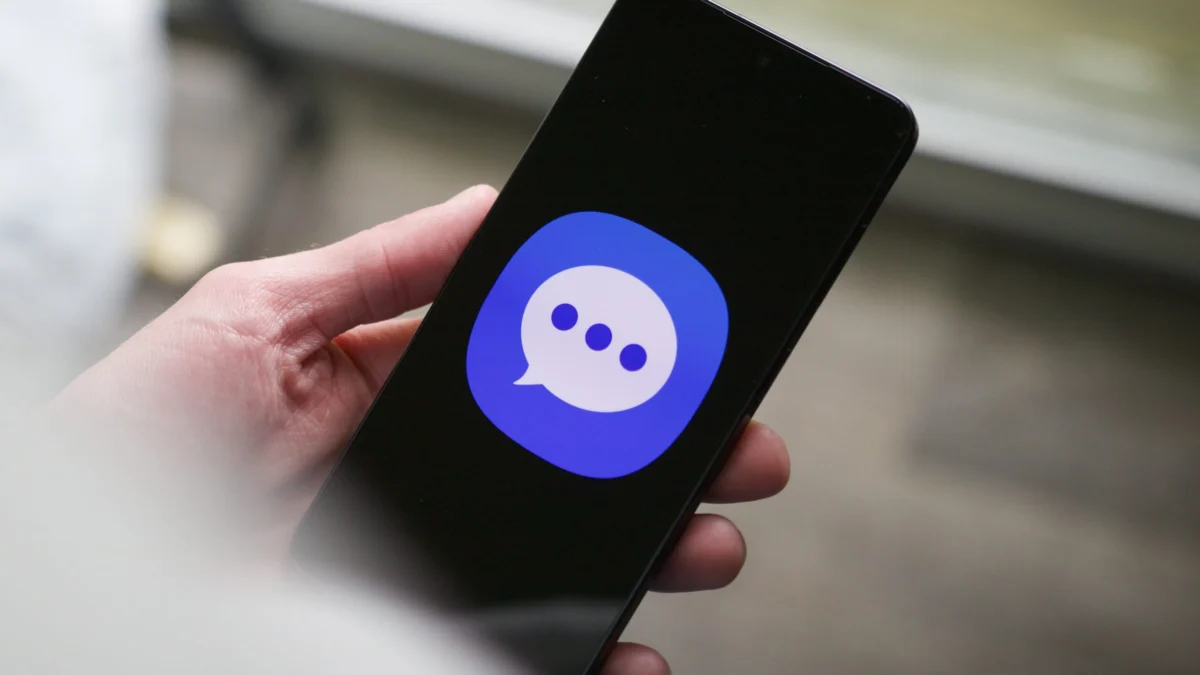
The digital communication landscape for Samsung Galaxy users in the United States has undergone a significant shift, prompting a wave of adaptation and, for some, disappointment. Earlier this month, Samsung officially discontinued its native Samsung Messages application in the US, forcing a transition for millions of long-time users to Google Messages. This abrupt change, while seemingly a minor app swap, has disrupted user habits and preferences, leading to a search for familiar interfaces. In response to this void, a new application, aptly named Messages by OzarksMade, has emerged with a clear ambition: to meticulously replicate the user experience of the departed Samsung Messages app.
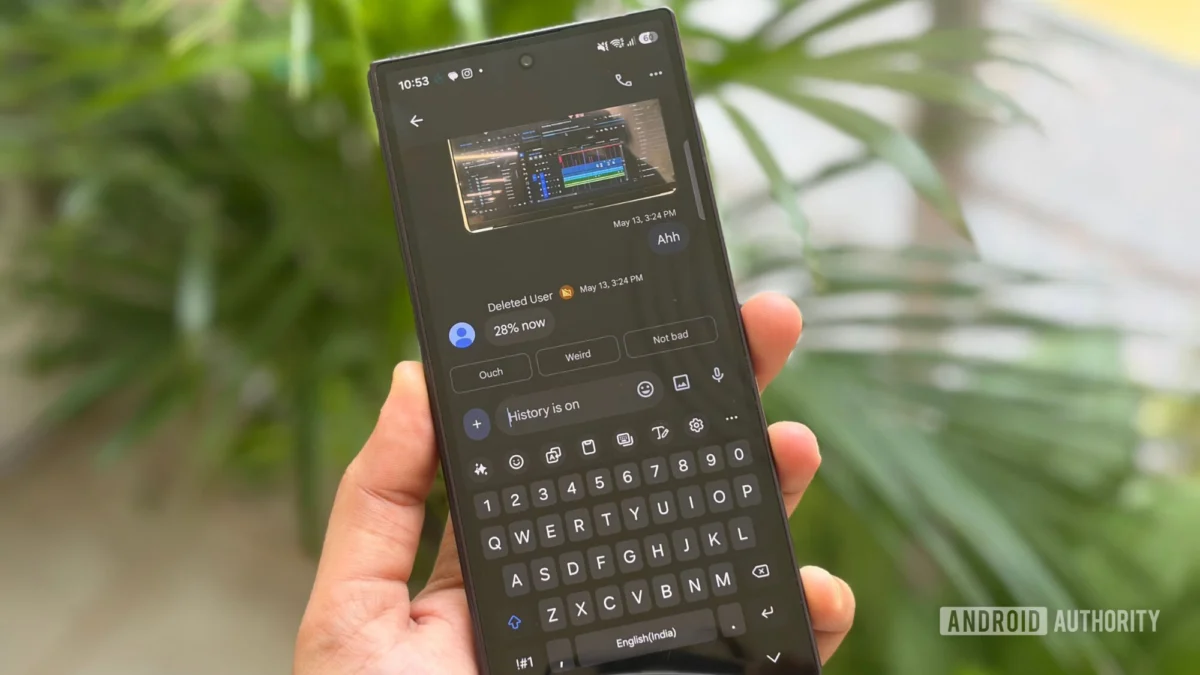
The core appeal of Messages by OzarksMade lies in its profound sense of familiarity. Developers have provided visual demonstrations, showcasing an interface that bears an uncanny resemblance to the original Samsung Messages. From the precise layout and intuitive navigation to the very aesthetic of the app icon, the dedication to mirroring Samsung’s design language is evident. This deliberate choice is aimed squarely at One UI and Galaxy enthusiasts who have grown accustomed to Samsung’s messaging ecosystem and are disinclined to embrace the distinct user interface of Google Messages. The developers explicitly state their objective is to provide a haven for users who cherish the Samsung Messages experience and seek to retain it.
The Genesis of the Shift: Samsung’s Messaging Strategy Evolution
Samsung’s decision to retire its proprietary messaging app in the US market is part of a broader strategic recalibration within the Android ecosystem. For years, manufacturers like Samsung have developed their own suite of core applications, including messaging, dialers, and calendars, often integrating them deeply with their custom user interfaces, such as Samsung’s One UI. This approach offered a consistent and branded experience across their device lineups. However, with the increasing standardization of core Android functionalities and the growing dominance of Google’s services, a shift has been underway.
Google has been actively promoting its own suite of applications, including Google Messages, which boasts advanced features like Rich Communication Services (RCS). RCS messaging is the modern successor to SMS and MMS, offering features such as read receipts, typing indicators, high-resolution media sharing, and group chat enhancements, all delivered over data networks. Google’s strategy has been to encourage device manufacturers to adopt Google Messages as the default, thereby unifying the RCS experience across the Android platform. This move aims to provide a more seamless and feature-rich messaging experience for all Android users, akin to Apple’s iMessage.
Samsung’s participation in this trend, particularly its decision to withdraw Samsung Messages from the US, signifies a move towards greater platform integration and a potential streamlining of its software development efforts. While this may offer long-term benefits in terms of faster updates and a more unified Android experience, it has created an immediate disruption for users who were deeply integrated with the existing Samsung application. The closure of Samsung Messages in the US means that users who relied on its specific features, design, and integration with other Samsung services now face a learning curve and the potential loss of a familiar digital companion.
Features and Functionality: A Deep Dive into Messages by OzarksMade
Messages by OzarksMade promises a comprehensive feature set designed to assuage the concerns of migrating users. According to the developer’s specifications, the app fully supports essential messaging functionalities including SMS (Short Message Service), MMS (Multimedia Messaging Service), and group messaging. Furthermore, it includes advanced features such as scheduled messages, a crucial utility for users who manage their communications meticulously. Local backup capabilities are also integrated, allowing users to secure their message history without relying on cloud-based solutions, a feature often appreciated for its privacy and control.
A significant point of interest is the app’s purported support for RCS. However, this functionality comes with a notable caveat. Due to the proprietary nature of Google’s RCS infrastructure, third-party developers do not possess direct access to implement it natively. Consequently, Messages by OzarksMade employs a "Companion Mode" for RCS. In this mode, the app leverages Google Messages in the background to facilitate RCS communication. This means that while users interact with the familiar interface of Messages by OzarksMade, the underlying RCS messaging is handled by Google’s services. For users who do not require RCS capabilities, the app also offers a standalone mode that operates purely on SMS and MMS protocols, providing a simpler, albeit less feature-rich, messaging experience.
This approach to RCS support highlights the challenges faced by independent developers in integrating with core Google services. While it offers a workaround to provide RCS functionality, it also underscores the dependence on Google’s ecosystem and the potential for future changes to impact this implementation. The availability of a dedicated SMS/MMS mode, however, ensures that users who prioritize simplicity and the exact replication of older messaging paradigms are not excluded.
Navigating the Beta and Beyond: User Adoption and Potential Challenges
The application is currently accessible for beta sign-ups via the Google Play Store. This early access phase allows interested users to test the app and provide feedback, a critical step in refining its performance and user experience. The developer has indicated that upon its official release, Messages by OzarksMade will be available for a modest fee of $0.99. This pricing strategy suggests a commitment to maintaining the app as a sustainable, albeit niche, product rather than a free, ad-supported service.
While the promise of a familiar Samsung Messages experience is compelling, it is essential for users to approach this new application with a degree of caution. As with any application that assumes control of a user’s primary communication channel, thorough testing and an understanding of its capabilities and limitations are paramount. The fact that this is not an official Samsung product, despite its close resemblance, is a crucial distinction. Users should be aware that they are entrusting their communications to a third-party developer, and while the current presentation is positive, the long-term reliability and support depend on the developer’s ongoing commitment.
Legal and Brand Implications: A Tightrope Walk for Developers
The striking similarity between Messages by OzarksMade and Samsung Messages, while a deliberate design choice to attract users, also presents potential legal and brand challenges. Samsung, as the owner of its intellectual property, including branding, user interface designs, and app icons, has the right to protect these assets. If Samsung’s legal team deems that the new app infringes upon its trademarks, copyrights, or trade dress, they could initiate legal action. This could range from a cease and desist letter to more formal legal proceedings, potentially forcing the developer to alter the app’s design or even withdraw it from the market.
The developer’s intentional mimicry of Samsung’s aesthetic walks a fine line. While the app aims to serve users who miss the experience, it also risks accusations of unauthorized appropriation of Samsung’s brand identity. The success of such a venture often hinges on navigating these legal gray areas carefully, ensuring that the homage does not cross the threshold into outright infringement. The long-term viability of Messages by OzarksMade may, in part, be determined by Samsung’s reaction and its willingness to enforce its intellectual property rights.
The Broader Impact: User Choice in a Standardizing Ecosystem
The emergence of Messages by OzarksMade underscores a significant aspect of the current tech landscape: the tension between standardization and user preference. As major technology companies push for greater integration and uniformity, there often arises a segment of users who value the unique experiences offered by legacy applications and interfaces. Samsung’s decision to sunset its messaging app, while aligning with broader industry trends, has inadvertently created an opportunity for third-party developers to cater to a specific user demand.
This situation reflects a broader trend in the Android ecosystem where fragmentation has historically been a challenge, but a move towards consolidation, driven by companies like Google and supported by manufacturers like Samsung, is also underway. While consolidation can lead to improved interoperability and a more streamlined user experience, it can also alienate users who have developed strong preferences for existing, non-standardized solutions.
The success or failure of Messages by OzarksMade will be a case study in whether niche applications can thrive in an increasingly standardized digital environment. If it can offer a stable, functional, and legally sound alternative, it may carve out a loyal user base. However, the shadow of potential legal challenges and the inherent reliance on Google’s backend infrastructure present significant hurdles. For now, users displaced by Samsung’s messaging app shift have a new, albeit unofficial, option to explore, one that attempts to bring back a familiar digital handshake in a rapidly evolving communication world.