Metty Iskandar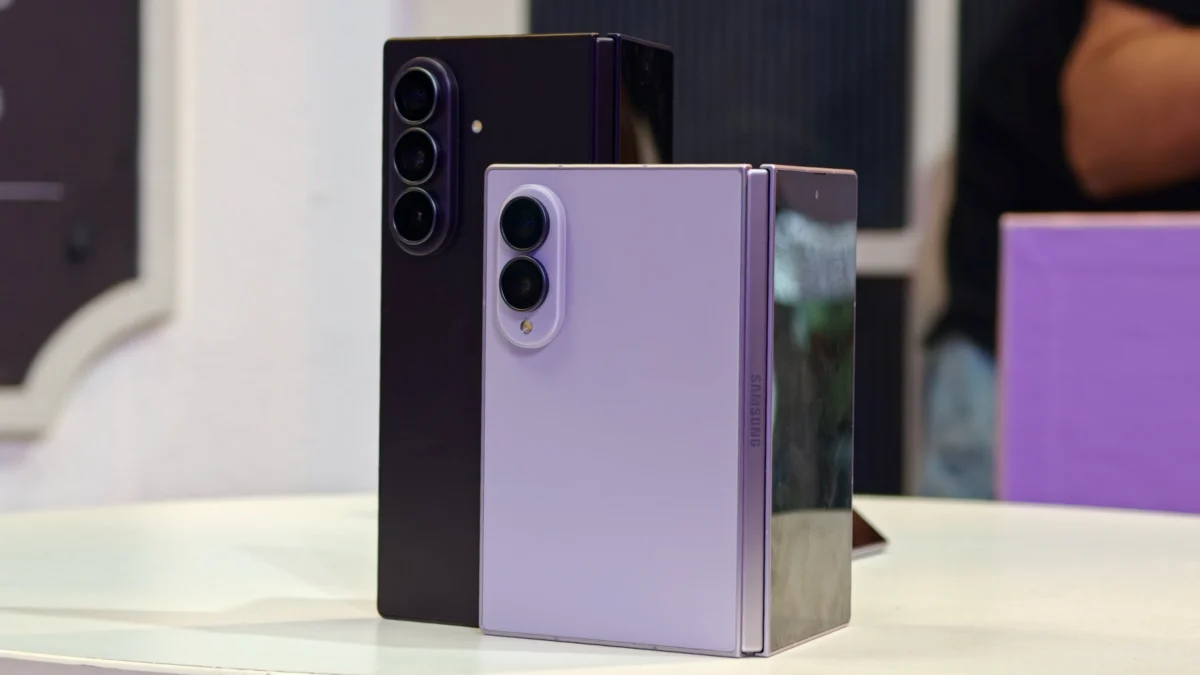
The highly anticipated Samsung Galaxy Z Fold 8 and Z Flip 8 devices have officially launched, bringing with them a host of significant upgrades and refinements. While the striking, extra-wide form factor of the Galaxy Z Fold 8 has been a major talking point, the accompanying software, One UI 9 stable, is also a crucial component of this year’s foldable iteration. Among the many enhancements detailed in the latest iteration of Samsung’s custom Android skin, a particularly noteworthy feature making a comeback is the ability to utilize the smartphone’s camera as a high-quality webcam for a PC via a simple USB connection. This functionality, previously seen on the Galaxy S26 series and introduced by Google for Pixel devices with Android 14, now extends to Samsung’s newest foldable lineup, further solidifying the convergence of mobile and desktop computing experiences.
A Familiar Feature Returns: Transforming Foldables into Powerful Webcams
The integration of a USB webcam mode into the Galaxy Z Fold 8, Z Fold 8 Ultra, and Z Flip 8 marks a significant convenience for users who rely on high-quality video conferencing, content creation, or streaming. This feature allows individuals to bypass the often-limited quality of built-in laptop webcams and leverage the superior camera sensors present in their flagship smartphones. The process is straightforward: users simply connect their new foldable device to a computer via a USB cable. Upon connection, a notification will appear on the phone, presenting a list of USB options. Within this list, "webcam mode" can be selected, instantly transforming the smartphone into a functional webcam for the connected PC.
This functionality is not entirely new to Samsung’s ecosystem. The Galaxy S26 series, released earlier, also incorporated this capability, signaling Samsung’s growing commitment to offering versatile connectivity options for its premium devices. Google’s implementation on Pixel phones with Android 14 also paved the way for wider adoption of this feature across the Android landscape. However, its inclusion on the Z Fold 7 series was notably absent, making its reappearance on the Z Fold 8 and Z Flip 8 particularly welcome.
Strategic Implementation Enhances Usability for Foldables
The utility of this webcam feature is arguably amplified by the inherent design of Samsung’s foldable devices. The ability of the Galaxy Z Fold 8 and Z Flip 8 to fold open to a halfway point, effectively acting as a built-in stand, or to be propped up in various configurations, makes them uniquely suited for webcam applications. Unlike traditional smartphones that require external stands or awkward balancing acts, the foldables can be positioned with ease to achieve optimal camera angles without additional accessories. This inherent flexibility makes the USB webcam mode a more seamless and practical addition for these specific devices.
The introduction of this feature on the Z Fold 8 series, alongside the release of One UI 9 stable, highlights a strategic approach by Samsung to enhance the productivity and versatility of its foldable form factors. By integrating features that bridge the gap between mobile and desktop workflows, Samsung aims to position its foldables not just as innovative gadgets, but as indispensable tools for modern professionals and creators.
Background and Chronology of USB Webcam Functionality
The concept of using a smartphone as a webcam is not entirely novel. Early iterations and third-party applications have allowed users to achieve this for years. However, native, hardware-level integration by major manufacturers signifies a shift towards more robust and reliable solutions.
- Early Android Implementations (Pre-Android 14): Users often relied on third-party apps that established a Wi-Fi or USB connection, streaming video from the phone’s camera to a PC client. These solutions could be prone to latency and required manual setup.
- Google’s Native Integration (Android 14): Google introduced native support for USB webcam functionality with the release of Android 14. This move aimed to standardize the feature and improve its performance and reliability across compatible devices, primarily focusing on Pixel smartphones. The ability to simply plug in and select "webcam mode" became a key selling point for users seeking better video call quality.
- Samsung’s Adoption (Galaxy S26 Series): Samsung followed suit by integrating this native USB webcam feature into its Galaxy S26 series. This demonstrated Samsung’s intention to adopt and expand upon Google’s foundational work, offering it as a premium feature on its flagship slab phones.
- Exclusion from Z Fold 7 Series: Curiously, the Z Fold 7 series, which launched prior to the S26 and Android 14’s widespread adoption, did not include this native USB webcam functionality. This absence left a gap in the feature set for users who expected a seamless transition between their mobile and desktop needs on these high-end devices.
- Reintroduction with Z Fold 8 and Z Flip 8 (One UI 9): The official launch of the Galaxy Z Fold 8 and Z Flip 8, coinciding with the stable release of One UI 9, sees the return and expansion of this USB webcam feature. This indicates a re-evaluation of feature priorities and a commitment to offering a more comprehensive user experience across Samsung’s entire flagship portfolio.
Supporting Data and Technological Underpinnings
The effectiveness of the USB webcam feature is underpinned by advancements in several key technological areas:
- High-Resolution Camera Sensors: Modern smartphones, including the Galaxy Z Fold 8 and Z Flip 8, are equipped with sophisticated camera systems boasting high megapixel counts, advanced image processing, and superior low-light performance. This translates directly to sharper, clearer video feeds when used as a webcam, far surpassing the quality of typical laptop webcams. For instance, the primary camera on the Z Fold 8 is rumored to feature a 50MP sensor with optical image stabilization, capable of capturing detail that would be lost on a standard 1080p webcam.
- High-Speed USB Connectivity: The adoption of USB 3.2 Gen 1 (formerly USB 3.0) and potentially USB 3.2 Gen 2 standards in these devices allows for significantly higher data transfer rates compared to older USB versions. This is critical for streaming uncompressed or lightly compressed video data in real-time without noticeable lag or dropped frames. A sustained bandwidth of 5Gbps or 10Gbps is more than sufficient to handle high-definition video streams.
- Efficient Video Encoding: On-device video encoding capabilities within the smartphone’s processor (System on Chip – SoC) play a crucial role in compressing the video stream efficiently before transmission. The latest Qualcomm Snapdragon processors, which are likely to power the Z Fold 8 series, are optimized for real-time video encoding and decoding, ensuring smooth performance without excessively taxing the device’s battery.
- Optimized Software Integration: The successful implementation of the USB webcam mode relies heavily on software optimization within One UI 9. This includes the development of drivers and protocols that allow the operating system to recognize the phone as a standard UVC (USB Video Class) device, ensuring compatibility with a wide range of PC operating systems and video conferencing applications.
Broader Impact and Implications for the Market
The inclusion of this enhanced USB webcam functionality on Samsung’s latest foldables has several significant implications for the mobile technology market and user behavior:
- Elevated Productivity for Foldable Users: For professionals who frequently engage in video calls or content creation, this feature transforms their foldable device into a more potent productivity tool. It eliminates the need for a separate webcam, streamlining setups and reducing clutter, particularly for those who work remotely or travel frequently.
- Increased Value Proposition for Foldables: As foldable phones continue to mature, manufacturers are focused on adding practical features that justify their premium price points. The seamless integration of advanced webcam capabilities enhances the overall value proposition of the Galaxy Z Fold 8 and Z Flip 8, making them more attractive to a wider audience beyond early adopters.
- Setting a New Standard for Mobile Devices: Samsung’s consistent implementation of such features across its flagship lines, from the S series to the Z series, signals a potential industry-wide trend. It is plausible that future high-end smartphones from various manufacturers will adopt similar native USB webcam functionalities, further blurring the lines between mobile and desktop computing.
- Potential for Enhanced Content Creation: Beyond video conferencing, this feature can empower mobile content creators. Streamers, vloggers, and social media influencers can leverage the superior cameras of their foldables for higher-quality live streams or recorded content, directly from their devices, without the need for complex capture card setups.
- Focus on Ecosystem Integration: This move underscores Samsung’s ongoing efforts to foster a cohesive ecosystem where its devices work seamlessly together. By enabling greater interoperability between smartphones and PCs, Samsung encourages users to invest further in its product range.
Official Responses and Future Outlook
While specific executive statements directly addressing this particular USB webcam feature upon launch are not yet widely publicized, Samsung’s consistent emphasis on innovation and user experience in their product announcements provides a clear indicator of their strategic intent. The company has repeatedly highlighted its commitment to enhancing productivity, creativity, and connectivity across its device portfolio.
The return and refinement of the USB webcam functionality within One UI 9, particularly on the new foldable devices, is a testament to this ongoing commitment. It suggests that Samsung views this feature not as a fleeting addition, but as a core component of a modern smartphone’s utility.
Looking ahead, the widespread adoption of this feature across Samsung’s future device releases, including subsequent Galaxy S and Galaxy Z series models, is highly probable. This indicates a long-term strategy to solidify the smartphone’s role as a central hub for both personal and professional digital activities, further integrating it into the daily workflows of users worldwide. As users receive their pre-ordered Galaxy Z8 foldables, they are encouraged to explore this valuable addition, which promises to enhance their communication and content creation capabilities significantly.