Galang Taruna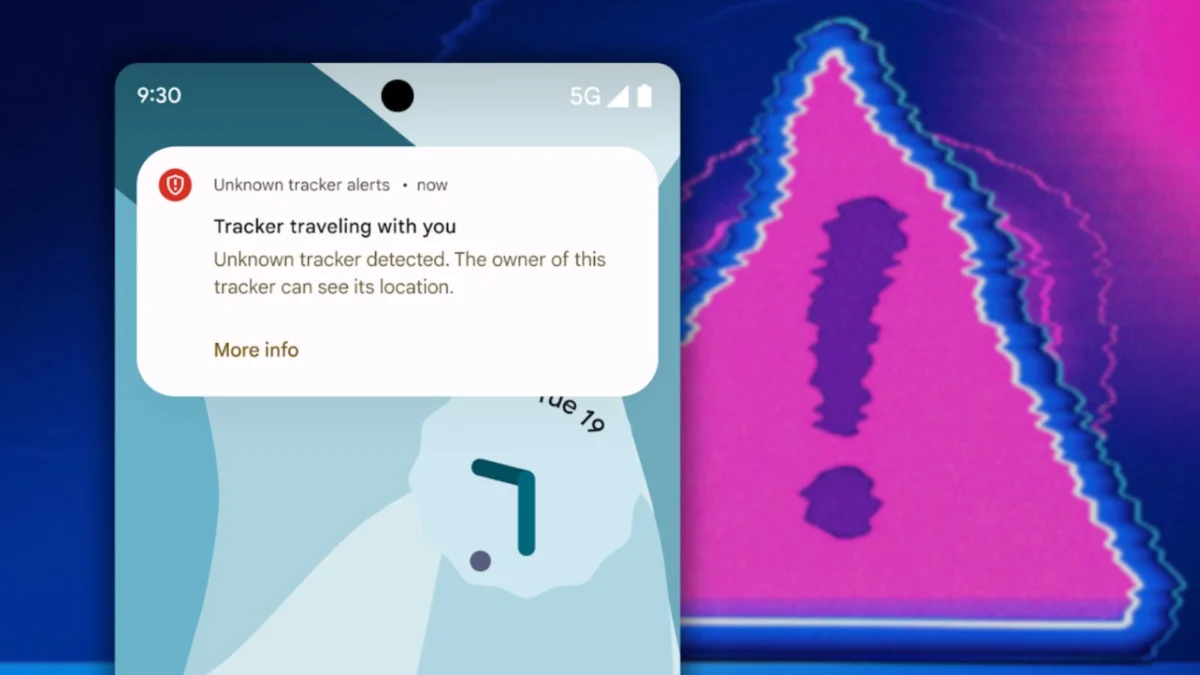
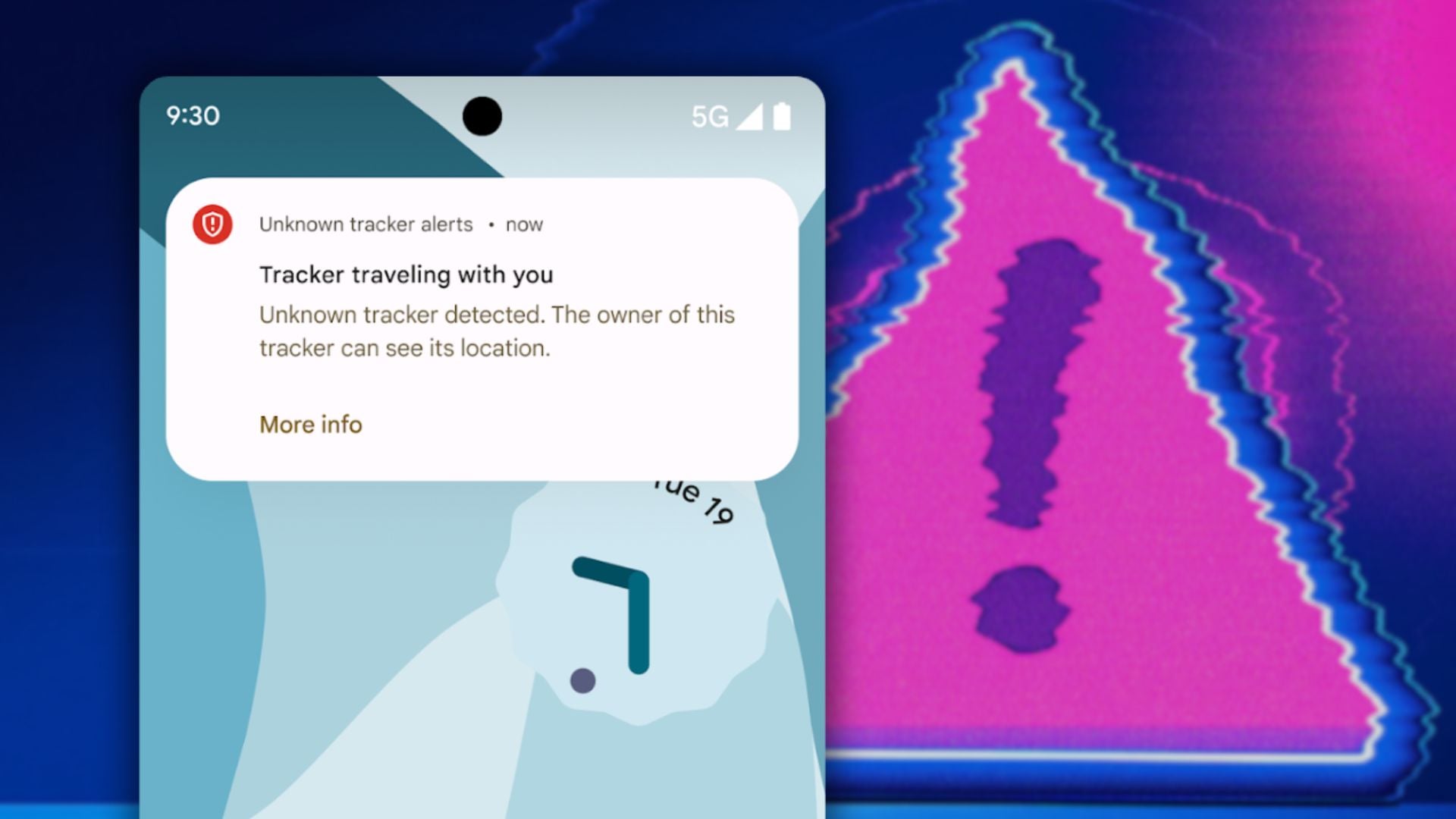
Since 2024, users of both iPhone and Android smartphones are equipped with a unified defense mechanism against surreptitious Bluetooth tracking, a significant stride born from an unprecedented collaboration between tech giants Apple and Google. This innovative system now actively alerts individuals when an unknown Bluetooth tracker is detected accompanying them, marking a pivotal moment in the ongoing battle against digital harassment and privacy infringement. The initiative addresses a growing concern where compact, low-cost tracking devices, originally designed for locating lost items, have been increasingly repurposed for malicious surveillance. This article delves into the mechanics of this new alert system, its underlying technological standards, and the broader implications for personal safety and digital privacy.
The Genesis of a Problem: Trackers Turned Tools for Surveillance
Bluetooth trackers, such as Apple’s AirTag, Samsung’s Galaxy SmartTag, and various third-party devices from brands like Tile, Chipolo, and eufy, were initially introduced to help users keep tabs on their belongings – keys, wallets, bags, and even pets. These devices leverage Bluetooth Low Energy (BLE) signals, which are then picked up by a vast network of nearby smartphones. For instance, Apple’s "Find My" network, comprising hundreds of millions of iOS devices worldwide, can anonymously relay the location of an AirTag to its owner, even if the owner’s device is not in proximity. This ingenious system, while incredibly effective for its intended purpose, quickly revealed a dark side: its potential for misuse in stalking and non-consensual tracking.
Reports of AirTags being secretly planted in bags, coats, or even attached to vehicles to monitor individuals’ movements began surfacing shortly after their release in 2021. Law enforcement agencies and victim advocacy groups documented numerous instances where these devices facilitated harassment, domestic abuse, and even criminal activities. The discreet nature of these small, inexpensive gadgets made them ideal for covert tracking, leading to widespread public outcry and calls for stronger protective measures from tech companies. Initially, Apple implemented some safeguards, such as shortening the time an AirTag would audibly "chirp" when separated from its owner and introducing basic unknown tracker alerts within iOS. However, these early solutions were fragmented and often inconsistent across different platforms, leaving Android users particularly vulnerable to non-Apple trackers, and vice versa.
DULT: A Unified Defense Standard Emerges
Recognizing the cross-platform nature of the threat, Apple and Google, often fierce competitors, announced an unprecedented alliance in May 2024. Their collaboration culminated in the publication of a joint specification dubbed DULT, or "Detecting Unwanted Location Trackers." This standard aims to harmonize the detection and alert mechanisms for unwanted Bluetooth trackers across both iOS and Android ecosystems. The DULT specification ensures that a tracker designed for one ecosystem can be detected as an unwanted presence by a device running on the other, thereby creating a more comprehensive and robust protective shield for users globally. This industry-wide approach signifies a shared commitment to user safety that transcends individual corporate interests.
The DULT standard dictates a common set of protocols for how tracking devices should behave when separated from their registered owner and how smartphones should identify and notify users of such separation. This includes defining parameters for the broadcast of BLE signals, the rotation of Bluetooth MAC addresses for privacy, and the triggers for both silent on-screen notifications and audible alerts from the trackers themselves. Several major tracker manufacturers, including Chipolo, eufy, Motorola, and Pebblebee, have already pledged to make their products compatible with the DULT standard, ensuring that the protective umbrella extends beyond first-party devices like AirTags and SmartTags to the broader market of connected key finders and asset trackers.
Deconstructing the Alert System: How it Works and When It Triggers
The DULT-powered alert system operates on a sophisticated set of algorithms designed to differentiate between a genuinely lost item and a tracker being used for illicit surveillance. The core principle revolves around the "separated state" of a tracker.
1. The "Separated State" and BLE Signals:
Every Bluetooth tracker continuously emits a low-power Bluetooth Low Energy (BLE) signal. When a tracker is no longer within the Bluetooth range of its paired owner’s smartphone, the system flags it as being in a "separated state." This is the initial condition under which a tracker can become suspicious if it then begins to consistently follow another, non-owner device.

2. Algorithmic Detection of Persistent Following:
If your smartphone (iPhone or Android) repeatedly detects a tracker in a "separated state" moving with you from one location to another over a certain duration, it will trigger an alert. Unlike a fixed time threshold, this detection is dynamic and multifaceted. It considers various contextual cues, such as:
- Consistent Movement: The tracker’s proximity to your device across different geographical points.
- Return to Familiar Locations: Detection of the tracker at your home, workplace, or other frequently visited places.
- End-of-Day Patterns: Alerts often trigger after a full day of persistent, non-owner-associated tracking, suggesting a more deliberate pattern of surveillance.
While Apple and Google do not publish a single, fixed threshold for these silent on-screen notifications, real-world observations suggest that these alerts can appear after a few hours of consistent tracking, especially during significant travel or changes in routine. For instance, an individual might receive an alert after several hours of traveling alongside a colleague who owns an AirTag, or a partner might be notified after half a day of hiking with a personal Chipolo tracker whose owner’s phone was in airplane mode, thereby severing its legitimate connection. These scenarios highlight the system’s ability to identify persistent tracking, even if benign, when the legitimate owner’s device is not actively connected to the tracker.
3. Audible Alerts: A Time-Bound Fail-Safe:
Beyond the silent on-screen notifications, trackers themselves are mandated to emit an audible beep if they remain separated from their owner for an extended period. The DULT technical documentation provides specific figures for this mechanism:
- Initial Beep Activation: A separated tracker’s motion detector activates after a random delay ranging from 480 minutes (8 hours) to 1440 minutes (24 hours).
- Repetition Period: As long as the tracker remains separated, it will repeat this audible alert approximately every 360 minutes (6 hours).
This timeframe aligns with Apple’s historical adjustments to AirTag alerts, which initially sounded after three days of separation but were shortened to the 8-24 hour interval in June 2021 to enhance safety. While the exact delay can be shorter if the tracker is in motion, the published figures provide a clear baseline for users to expect an audible warning.

4. Enhanced Privacy Through MAC Address Rotation:
A critical technical detail supporting DULT’s effectiveness is the way trackers manage their Bluetooth MAC addresses. When a tracker is near its owner, its MAC address (a unique identifier used for Bluetooth pairing) rotates approximately every 15 minutes. This frequent rotation is a privacy measure, preventing others from continuously tracking the owner’s device. However, once a tracker enters the "separated state," this rotation slows significantly, changing only every 24 hours. This deliberate slowdown allows DULT algorithms to consistently identify the same tracker accompanying an individual who is not its legitimate owner over an extended period, making detection far more reliable.
5. Data Retention for Android Alerts:
On Android, alerts related to unknown trackers are automatically deleted after 48 hours. This detail is crucial for users who might need to document an incident, emphasizing the importance of taking screenshots or noting details immediately upon receiving an alert if there’s suspicion of malicious intent.
Device Compatibility and Industry Adoption
The rollout of DULT and its associated features has made these enhanced protections widely accessible:
- iPhone Users:
- Alerts for Apple AirTags and accessories compatible with the "Find My" network have been available since iOS 14.5.
- Detection of third-party trackers compliant with the DULT standard requires iOS 17.5 or a more recent version.
- Android Users:
- The function covers virtually all devices running Android 6.0 (Marshmallow) or higher, encompassing the vast majority of active Android smartphones globally.
The commitment from various manufacturers to integrate DULT compatibility means that the ecosystem of protected devices is rapidly expanding. This broad adoption is key to the standard’s success, as it prevents stalkers from simply switching to non-Apple or non-Google branded trackers to evade detection.

The Misconception of Disabling Bluetooth: Why it Doesn’t Fully Protect You
A common query among users concerns the effectiveness of disabling Bluetooth on their own smartphone to prevent unwanted tracking or detection. The answer is nuanced and critical for understanding personal safety in this context:
1. Receiving Alerts Requires Bluetooth Activation:
For your iPhone or Android device to detect an unknown tracker and display an alert, your Bluetooth must be active. Apple explicitly lists this as a prerequisite, alongside location services and the "Find My" (or "Find My Device" on Android) feature. Without an active Bluetooth radio, your phone cannot scan for the BLE signals emitted by nearby trackers, thus rendering the detection system inert. Completely deactivating Bluetooth on your device effectively blinds it to potential threats.
2. Disabling Your Bluetooth Doesn’t Stop the Tracker from Being Located:
This is perhaps the most crucial point. Deactivating Bluetooth, location services, or even enabling airplane mode on your own phone does not prevent the owner of a malicious tracker from continuing to locate it. This is because these trackers do not rely solely on your specific device for location relay. Instead, they leverage the vast, anonymous global network of other devices (any iPhone in the "Find My" network, or any Android device participating in Google’s "Find My Device" network) that happen to pass within range of the tracker. These other devices then anonymously relay the tracker’s location back to its owner. While your personal device might not contribute to the network’s data, the omnipresence of other active smartphones ensures that the tracker’s location can still be updated, albeit potentially with less precision depending on network density.
Furthermore, a specific trap exists for iPhone users: merely turning off Bluetooth from the Control Center does not fully disable the radio chip. It remains partially active for essential services like AirDrop and the "Find My" network. To truly sever the Bluetooth signal, users must navigate to the main Settings app or activate Airplane Mode. This subtle distinction can lead to a false sense of security.

Practical Steps Upon Receiving an Alert
If your smartphone issues an alert about an unknown tracker, it’s essential to take immediate and informed action:
- Do Not Panic, But Act Promptly: The alert is a warning, not an immediate threat. However, swift action is advisable.
- Locate the Tracker: Your phone’s alert system will often provide options to make the tracker emit an audible sound, helping you pinpoint its exact location. Check your belongings, vehicle, or any items that have been with you.
- Neutralize the Threat: Once located, the only truly effective way to stop a tracker from reporting its location is to physically disable it. For most trackers, this involves removing the battery. For devices with non-removable batteries, destruction might be necessary, though consulting law enforcement is always recommended.
- Document and Report: If you suspect malicious intent, take screenshots of the alert and any location history provided by your device. Contact local law enforcement or a domestic abuse support organization. They can provide guidance and assist in investigations. The 48-hour data retention period on Android makes prompt documentation particularly important.
- Review Your Digital Footprint: Consider reviewing your privacy settings on social media and other platforms, and be mindful of who has access to your physical location.
Broader Implications for Privacy and Safety
The DULT standard represents a significant step forward in digital safety, establishing a unified industry-wide front against unwanted surveillance. It empowers users with tools to detect and respond to threats that were previously difficult to identify. However, it also highlights the persistent challenges in maintaining privacy in an increasingly connected world.
The rapid evolution of technology means that the cat-and-mouse game between privacy-enhancing features and tools for misuse will likely continue. Vigilance, user education, and continuous innovation from tech companies remain paramount. While DULT offers robust protection against common tracking devices, it does not eliminate all forms of surveillance. Users must remain aware of their surroundings, understand the capabilities of their devices, and take proactive steps to protect their personal information and physical safety. This collaboration between Apple and Google sets a precedent for how industry leaders can unite to address societal challenges stemming from technological advancements, paving the way for a more secure and privacy-conscious digital future.