Metty Iskandar
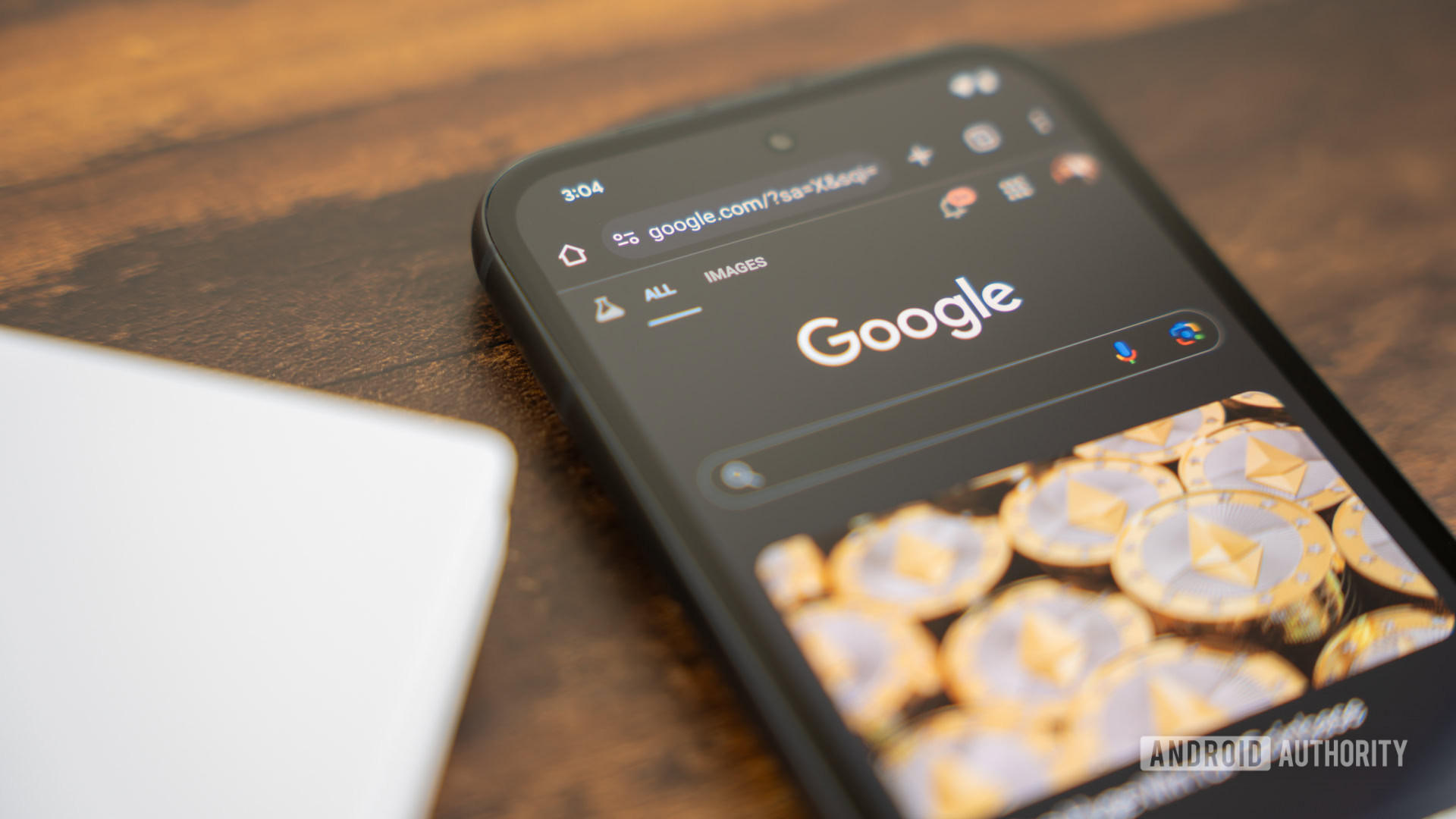
Google Search, a cornerstone of digital information retrieval for billions worldwide, is currently experiencing a significant technical glitch that is rendering its crucial time filtering functionality inoperable. This widespread issue, first identified by vigilant users and subsequently confirmed by multiple sources, prevents the search engine from accurately displaying results within user-selected timeframes, such as the past hour, 24 hours, week, month, or year. The malfunction has disrupted the workflow of many who rely on these filters to access the most current news, software updates, product releases, and evolving discussions across the internet.
The core of the problem appears to lie in the dropdown menu that users have historically employed to narrow down their search results. This interface, long a staple of Google’s user-friendly design, is no longer adhering to its intended purpose. Instead of presenting a curated selection of content published within the specified period, it is now returning a mixed bag of results, often including older articles and irrelevant content that falls outside the chosen temporal boundaries. This inconsistency has been observed across various Google accounts, different devices, and a wide array of search queries, indicating a systemic flaw rather than an isolated incident.
A Widespread Disruption to Information Access
The implications of this malfunction are far-reaching, particularly for those who depend on timely information. Journalists tracking breaking news, researchers monitoring the latest developments in their fields, and consumers looking for the most recent product reviews or software patches are all finding their search efforts hampered. The ability to filter by time has been instrumental in navigating the ever-expanding digital landscape, allowing users to quickly ascertain the recency and relevance of information. Without this functionality, the task of sifting through potentially outdated content becomes a tedious and inefficient endeavor.
Initial reports of the issue began surfacing on online forums, with users expressing frustration over the inaccurate results. One user on Reddit, in a post that garnered significant attention, highlighted how searches intended to retrieve "recent results" were failing to do so, sparking a cascade of similar complaints from other users who had independently encountered the same problem. These anecdotal accounts, when aggregated, paint a clear picture of a significant disruption affecting a fundamental feature of the world’s most popular search engine.
Technical Underpinnings and Potential Causes
While Google has yet to issue an official statement acknowledging the problem or providing a timeline for a resolution, preliminary analysis by users suggests that the underlying search operators responsible for time-based filtering may still be functional. This theory posits that the glitch is localized to the front-end interface, specifically the JavaScript code that powers the time filter dropdown menu. If this is the case, it implies that while the engine’s ability to process time-based queries remains intact, the mechanism by which users interact with and select these queries has been compromised.
The robustness of Google’s search infrastructure is generally well-regarded, making such a widespread and persistent bug a notable occurrence. The company invests heavily in maintaining and updating its algorithms and user interfaces, and disruptions of this magnitude are typically addressed with urgency. The fact that this issue has persisted for at least a few days, as indicated by user reports, suggests a complexity that may require more than a superficial fix. Potential causes could range from a recent, unintended code deployment that introduced a conflict, to a more intricate bug within the server-side processing of filter requests.
A Brief Chronology of the Glitch
While a precise timeline for the emergence of the bug is difficult to establish without an official Google announcement, user reports indicate that the issue became noticeable around the first week of August 2026. Some users reported noticing discrepancies as early as August 1st, with the problem becoming more widely reported and discussed on platforms like Reddit in the days following. By August 4th, the issue had become prominent enough to warrant reporting by tech news outlets. The lack of immediate resolution or public acknowledgment from Google has only amplified user concern and speculation.
Workaround: Leveraging Advanced Search Operators
In the interim, while Google works to resolve the issue, a viable workaround exists for users who require precise time-filtered search results. By bypassing the faulty dropdown menu and directly employing Google’s advanced search operators, users can still achieve the desired outcome. The after: operator, for instance, allows for the specification of a date, after which all returned search results will have been published. For example, a search query formatted as [your search term] after:YYYY-MM-DD will effectively limit results to content published on or after the specified date.
Similarly, the before: operator can be used to retrieve results published prior to a given date, and combinations of after: and before: can establish a precise date range. This method, though requiring a more technical understanding of search syntax, proves to be a reliable substitute for the malfunctioning dropdown. The persistence of these operators underscores the theory that the core search functionality remains intact, with the issue being confined to the user interface.
Broader Implications for Information Ecosystems
The malfunction of Google’s time filters, however temporary, serves as a stark reminder of the dependency modern society places on sophisticated search technologies. The ability to quickly and accurately access relevant information is fundamental to education, commerce, journalism, and civic engagement. When a tool as ubiquitous as Google Search experiences such a significant disruption, the ripple effects can be substantial.
This event also highlights the importance of user-generated reports and community-driven problem identification. Without the keen observation of users noticing and discussing the anomalies, it might have taken longer for Google to become aware of the full scope of the problem. It underscores the symbiotic relationship between search engine providers and their user base, where active participation and feedback are crucial for maintaining the integrity and functionality of these vital digital tools.
Furthermore, the incident might prompt a re-evaluation of the reliance on single-platform solutions for critical information needs. While Google Search remains the dominant search engine, the existence of alternative search engines and specialized databases that offer robust filtering capabilities might see renewed interest as users seek more reliable alternatives during such disruptions.
The Path Forward: Awaiting Google’s Resolution
The current situation presents a challenge for users accustomed to the seamless operation of Google Search. The expectation is that Google, recognizing the critical nature of this feature, will prioritize a swift resolution. The company’s commitment to providing a reliable and efficient search experience is paramount, and a prompt fix will be essential to restoring user confidence. Until then, the advanced search operator workaround remains the most effective method for navigating the digital landscape with temporal precision. The tech community will undoubtedly be watching for an official statement and a clear indication of when this pervasive glitch will be rectified, restoring a vital function to billions of users worldwide.