Vera Intan Clara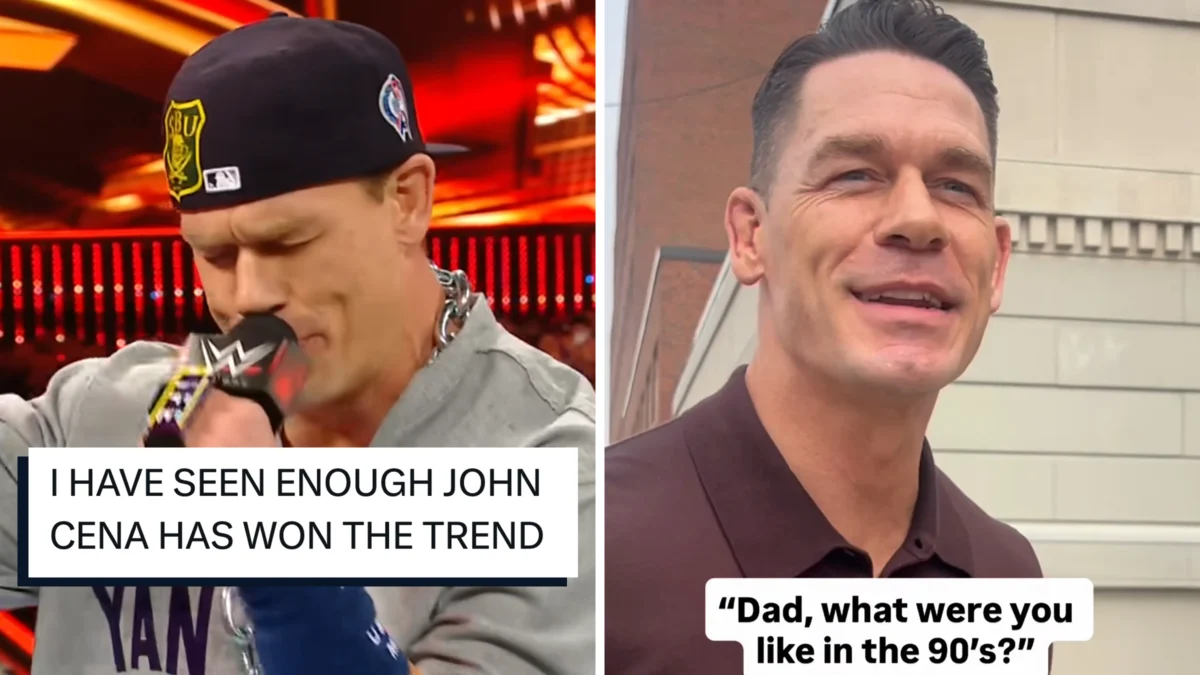
The popular “what were you like in the ‘90s?” trend, which began gaining significant traction across social media platforms in February 2026, has seen a resurgence in nostalgic content. This particular trend invites users, predominantly Gen Z and Gen Alpha, to prompt their parents with the question, “Mom/Dad, what were you like in the ‘90s?” The resulting videos typically feature a slideshow of old photographs depicting the parents in their younger years, often set to the Goo Goo Dolls’ iconic 1998 hit song “Iris.” The trend taps into a collective longing for the pre-digital culture of the decade, a period often romanticized for its distinct fashion, music, and societal norms. Cultural commentators also attribute renewed interest in the 1990s to contemporary media, such as the FX/Hulu series Love Story, which dramatizes the high-profile romance between John F. Kennedy Jr. and Carolyn Bessette, further fueling a broader ‘90s revival across various entertainment sectors.
The Resurgence of ’90s Nostalgia in Digital Culture
The phenomenon of ’90s nostalgia is not a new concept, but its manifestation on platforms like TikTok highlights a fascinating intergenerational dialogue. For Gen Z and Gen Alpha, born after the turn of the millennium, the 1990s represent a historical period distinct from their lived experience, characterized by dial-up internet, VHS tapes, and a nascent digital landscape. This era is often viewed through a lens of romanticized simplicity, free from the pervasive influence of smartphones and constant digital connectivity that defines their present. The “what were you like in the ‘90s?” trend serves as a bridge, allowing younger generations to connect with their parents’ youth and explore the cultural touchstones that shaped them.
The choice of "Iris" by the Goo Goo Dolls as the ubiquitous soundtrack for these videos is particularly significant. Released in 1998, the power ballad perfectly encapsulates the emotional and somewhat melancholic tone often associated with looking back at a bygone era. Its enduring popularity underscores the lasting impact of ’90s music and its ability to evoke strong feelings of nostalgia across different age groups. This deliberate sonic backdrop amplifies the trend’s emotional resonance, transforming simple photo slideshows into poignant reflections on time and identity.
Beyond individual users, a multitude of celebrities and public figures have participated in the trend, leveraging their own ’90s archives to engage with their fan bases. Notable ’90s icons such as Drew Barrymore, known for her roles in films like Scream and Never Been Kissed; Jewel, the Grammy-nominated singer-songwriter; and the legendary British pop group the Spice Girls, have all shared their youthful throwbacks. Their participation not only validated the trend but also offered a unique glimpse into the lives of cultural shapers during that era, providing a direct link for fans to the decade they adore. However, despite the strong entries from these bona fide ’90s figures, it was John Cena’s contribution that swiftly captivated the internet and was declared the definitive winner by an overwhelming majority of online users.
The Enduring Power of the "Invisible" John Cena Meme
John Cena’s victory in the ‘90s trend is inextricably linked to one of the most pervasive and long-standing internet memes associated with him: his “invisibility.” This meme originated from his WWE catchphrase, “You Can’t See Me,” which he would famously deliver while waving his hand in front of his face, implying that he was undetectable by his opponents. Over time, this in-ring taunt evolved into a widespread internet joke, suggesting that John Cena is literally invisible. Memes depicting empty spaces where Cena should be, or photos of crowds with a humorous caption indicating his presence, have circulated for years across various platforms, cementing his unique, almost mythical, digital persona.
The "invisible" meme has become a cornerstone of Cena’s public image, transcending the wrestling world and permeating mainstream pop culture. It highlights the internet’s capacity to take a specific cultural reference and transform it into a universally recognized piece of humor. This meme is particularly potent because it subverts expectations, playing on the idea of a highly visible, physically imposing individual being entirely unseen. Cena himself has embraced the meme, occasionally playing into it in interviews, social media posts, and even public appearances, demonstrating a self-awareness that further endears him to his audience and perpetuates the joke’s longevity. His willingness to participate in and even fuel the meme has solidified its place as a quintessential internet phenomenon.
John Cena’s Unconventional Winning Entry
On March 14, 2026, John Cena unleashed his entry into the “what were you like in the ‘90s?” trend, and it instantly went viral, setting the internet ablaze. The video, initially posted as an Instagram reel by X user @charliegc15 (who seemingly reposted Cena’s original content), racked up an astonishing 468 thousand likes and was shared relentlessly across multiple platforms, including X. In a repost by @FadeAwayMedia on X, the user succinctly captured the collective sentiment, declaring, “I HAVE SEEN ENOUGH JOHN CENA HAS WON THE TREND.”
Cena’s winning strategy was elegantly simple and profoundly effective: he leveraged his “invisible” meme. Instead of presenting a slideshow of actual photographs from his youth in the 1990s, his video ostensibly featured… nothing. The humor lay in the conspicuous absence of any visual representation of Cena, playing directly into the long-established joke that he cannot be seen. This meta-commentary on his own internet persona, combined with the trend’s nostalgic premise, created a comedic masterpiece that resonated deeply with online audiences. The unexpected twist, where participants expected to see old photos but instead were met with the ultimate embodiment of the "invisible" meme, delivered a powerful and unforgettable punchline.
The immediate and overwhelming reaction from online users underscored the brilliance of his approach. Comments poured in, universally crowning Cena the undisputed champion of the trend. User @lifes.a.batch_ commented, “Okay that’s it, trends over. You win.” Another user, @4korners, wrote, “You sir are the undisputed champion of this trend! 🏆🐐💪🏽.” The sentiment was echoed by @_ChaoticGood42, who remarked, “This is definitely the best one 😂😂😂😂.” The sheer volume of agreement and the enthusiasm in the comments section solidified Cena’s status as the definitive victor. Many users also expressed their admiration for the enduring nature of the "invisible" meme itself, with @sleepyorstoned replying, “May this joke never die,” and another user agreeing, “I sleep well at night knowing this is still a meme.” These reactions highlight not only the success of Cena’s specific entry but also the deep affection the internet community holds for this particular running gag.
Fact-Based Analysis of Cena’s Triumph and Broader Implications
John Cena’s win was not merely a fleeting moment of internet virality; it represents a confluence of strategic celebrity engagement, cultural timing, and the inherent power of established internet memes. His entry succeeded because it brilliantly fused two distinct viral elements: the nostalgic appeal of the ‘90s trend and the universally recognized humor of his “invisible” meme. This clever juxtaposition created a comedic effect that transcended the simple premise of the trend, elevating it to a higher level of internet-savvy humor.
The effectiveness of Cena’s approach lies in its unexpected subversion of expectations. While other celebrities dutifully showcased their actual ‘90s photos, Cena chose to lean into his digital persona, demonstrating a profound understanding of how to engage with and leverage internet culture. This wasn’t just participation; it was a reinterpretation of the trend through his unique comedic lens. His ability to deliver a punchline without uttering a single word or appearing on screen speaks volumes about the strength of his meme and his brand.
Some super fans, in their meticulous observation, pointed out minor factual discrepancies for comedic effect, noting that Cena does not have children, which is typically the implied audience asking the "what were you like…" question. Additionally, his "invisible" catchphrase and persona largely gained prominence in the mid-2000s, rather than the 1990s. For instance, @les_saravia91 commented, "He doesn’t even want to have kids, so him making this video doesn’t make sense 😂 still hilarious though." Similarly, @PoetAnderson182 humorously stated, "He only became invisible in the mid 2000s, get your facts straight." However, these observations did not detract from the humor; rather, they added another layer of meta-commentary, demonstrating that the internet’s appreciation for a good joke often outweighs strict adherence to chronological or biographical accuracy. The core humor derived from the juxtaposition of the trend’s premise with Cena’s meme proved far more potent than any minor factual quibbles.
The Role of Celebrity in Shaping Digital Trends
Cena’s triumph underscores the significant influence celebrities wield in shaping and amplifying digital trends. When a figure of his stature participates in a viral challenge, it not only broadens the trend’s reach but also injects a new level of creativity and competition. His entry served as a benchmark, demonstrating how established personal brands and internet lore can be ingeniously integrated into contemporary digital phenomena. This strategic engagement transforms passive viewership into active participation and discussion, further cementing the celebrity’s relevance in the ever-evolving digital landscape.
The broader implications extend to the commercial and cultural power of TikTok as a platform for trendsetting. Originating in February 2026, the "what were you like in the ‘90s?" trend quickly became a cultural phenomenon, illustrating TikTok’s unparalleled ability to disseminate content and catalyze widespread participation. The platform’s algorithm, designed to promote engaging and shareable content, ensured rapid virality for both the trend itself and Cena’s particularly clever entry. This incident serves as a prime example of how TikTok has become a crucial arena for cultural discourse, meme propagation, and celebrity interaction, often dictating the ebb and flow of internet humor and popular interest.
Moreover, the enduring nature of the "invisible" Cena meme highlights the longevity of certain internet jokes. Unlike fleeting trends, some memes become cultural touchstones, evolving and adapting over time while retaining their core humor. Cena’s continuous embrace and clever deployment of his meme ensure its perpetual relevance, proving that a well-crafted, consistently applied internet joke can have a lifespan far exceeding initial expectations. This phenomenon speaks to the collective memory of the internet and its capacity to sustain humor across years and platforms.
In conclusion, John Cena’s acclaimed victory in the TikTok “what were you like in the ‘90s?” trend is a testament to the power of creative digital engagement, the enduring appeal of internet memes, and the strategic leveraging of a celebrity’s established online persona. By merging the nostalgic allure of the 1990s with his iconic "invisible" meme, Cena delivered a universally lauded comedic stroke that transcended the conventional boundaries of the trend. His ingenious entry not only captured the internet’s imagination but also solidified his status as a master of contemporary digital culture, reaffirming that a well-executed joke, deeply rooted in internet lore, can achieve unparalleled viral success and leave an indelible mark on the collective consciousness of online communities.