Vera Intan Clara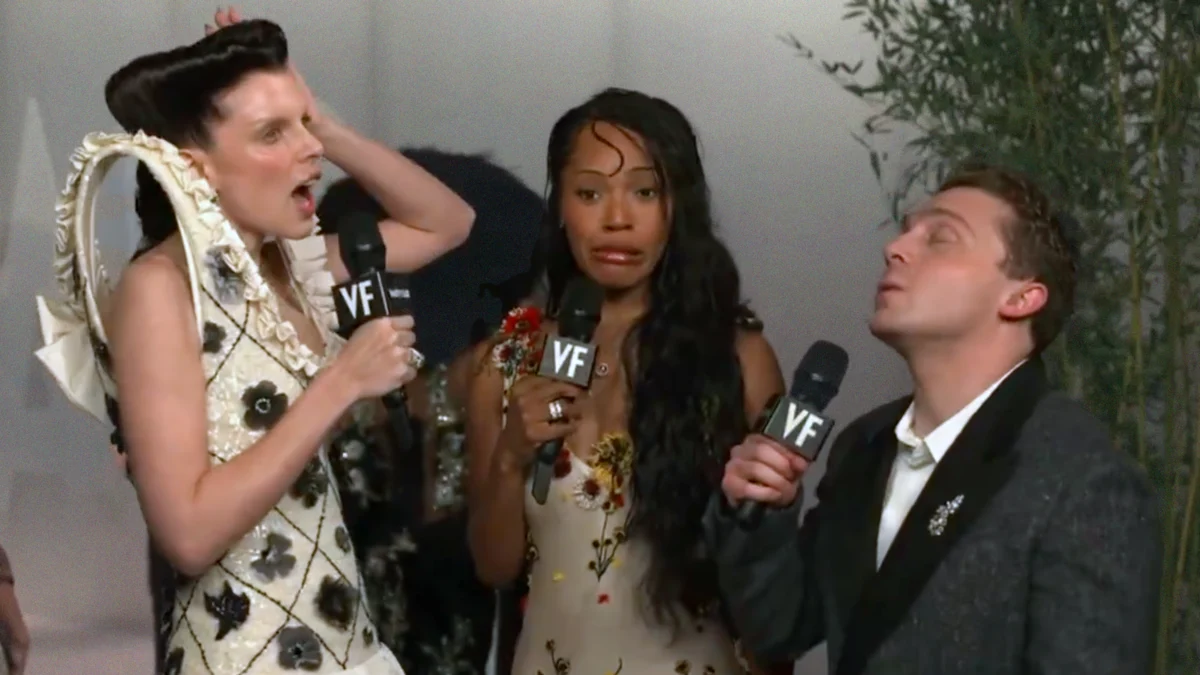
The recent Academy Awards season culminated in a significant cultural moment that transcended the cinematic accolades themselves: the controversial deployment of social media influencers as red carpet interviewers at the prestigious Vanity Fair Oscars afterparty. This strategic shift, intended by some to inject fresh energy and reach a younger demographic, instead sparked a fervent backlash from long-time fans, industry observers, and traditional media professionals, launching a broader discourse into the evolving landscape of media coverage and the perceived erosion of journalistic standards at high-profile events. The immediate aftermath saw widespread criticism of the influencers’ performance, particularly that of TikTok sensation Jake Shane, whose interactions with celebrities like Julia Fox and Lewis Pullman were widely panned for their perceived lack of professionalism, preparation, and depth.
The Prestigious Canvas: The Vanity Fair Oscars Party and Red Carpet Tradition
The Vanity Fair Oscars afterparty is not merely an event; it is an institution, a glittering epilogue to Hollywood’s biggest night. For decades, it has served as an exclusive gathering where industry titans, Oscar winners, and A-list celebrities unwind, network, and celebrate, often in a more relaxed atmosphere than the main Academy Awards ceremony. Its red carpet, therefore, is a prime journalistic territory, a coveted space for seasoned entertainment reporters to capture candid moments, elicit insightful commentary on the night’s wins and losses, discuss ongoing projects, and delve into the fashion and cultural significance of the event.
Historically, red carpet reporting has demanded a unique blend of quick wit, extensive research, journalistic integrity, and an innate understanding of the delicate ecosystem of celebrity and public relations. Reporters are expected to be well-versed in the films, careers, and personal narratives of the stars they encounter. Their role is to facilitate meaningful exchanges that offer the public a glimpse into the personalities behind the glamour, providing context and substance beyond superficial soundbites. This tradition has been upheld by dedicated entertainment journalists who have spent years honing their craft, building relationships, and mastering the art of the concise, compelling interview in a high-pressure, time-sensitive environment. The Vanity Fair carpet, in particular, has long been synonymous with sophisticated, discerning coverage, reflecting the publication’s own editorial ethos.
The Emerging Trend: Influencers Enter the Fray
In recent years, the media landscape has undergone a seismic shift, driven by the exponential growth of social media platforms and the rise of the creator economy. Brands, publications, and event organizers have increasingly looked to leverage the immense reach and perceived authenticity of social media influencers to engage new audiences, particularly younger demographics who consume media predominantly through platforms like TikTok, Instagram, and YouTube. This trend has seen influencers integrate into various aspects of marketing and content creation, from sponsored posts to brand ambassadorships, and more recently, into roles traditionally held by trained journalists.
The decision to feature TikTokers Jake Shane, Quen Blackwell, and Brittany Broski as hosts for the Vanity Fair Oscars afterparty red carpet represents a significant foray into this new frontier. While the precise motivations for this specific hiring decision have not been explicitly detailed by Vanity Fair or its parent company, Condé Nast, industry analysts widely interpret it as an attempt to tap into the influencers’ collective following, which numbers in the tens of millions. The aim was likely to generate viral moments, increase digital engagement, and potentially introduce the prestigious event to a demographic less inclined to tune into traditional broadcast or print media coverage. This strategy aligns with a broader industry push to diversify content distribution and capture the attention of a generation that values relatability and spontaneity often associated with influencer content.
A Series of Missteps: Dissecting the Awkward Interviews
The night, however, quickly devolved into a series of awkward exchanges that starkly highlighted the perceived mismatch between the influencers’ unique talents and the demands of high-stakes red carpet reporting. The public and media critics swiftly pointed to specific interactions that underscored a lack of preparation, an unfamiliarity with journalistic protocols, and a conversational style ill-suited for the gravitas of the event.
One of the most widely cited blunders involved Jake Shane’s interview with actress Julia Fox. Fox, known for her distinctive style and candid commentary, was attempting to discuss the cultural significance of an independent film, If I Had Legs I’d Kick You, describing it as "every mother’s story." Shane abruptly interjected with a seemingly flippant and reductive question: "Did you think the kid was annoying?" The moment created an immediate and palpable awkwardness. Fox paused, visibly hesitant, before attempting to pivot back to a more substantive discussion, demonstrating the abrupt derailment of a potentially insightful conversation. This interaction exemplified a fundamental disconnect: Fox was aiming for an exploration of thematic depth, while Shane’s question appeared to seek a superficial, perhaps "viral-ready," reaction. Critics argued that a seasoned reporter would have either allowed Fox to elaborate or followed up with a question that deepened the discussion, rather than trivializing it.
Another notable incident involved Lewis Pullman, the actor from the upcoming film Thunderbolts. Shane initiated the interview by referencing a prior personal encounter: "We were recently in Mexico together. Did we have a good time, or is there a separate group chat talking about me?" Pullman’s reaction was one of genuine surprise and discomfort. "God, no, Jake," he responded, clearly taken aback. "Who do you think I am? You trust me. You know me. I’m almost offended that you would ask." The exchange was widely seen as unprofessional, bordering on intrusive, and indicative of Shane’s failure to conduct basic research into Pullman’s professional work or to maintain a professional distance appropriate for a red carpet interview. When confronted with the awkwardness, Shane offered a defense that further fueled criticism: "it was written," implying that the ill-advised question was pre-scripted without adequate consideration for its impact or suitability. This explanation, rather than absolving him, merely shifted the blame to a production team seemingly equally out of touch with red carpet etiquette and celebrity rapport.
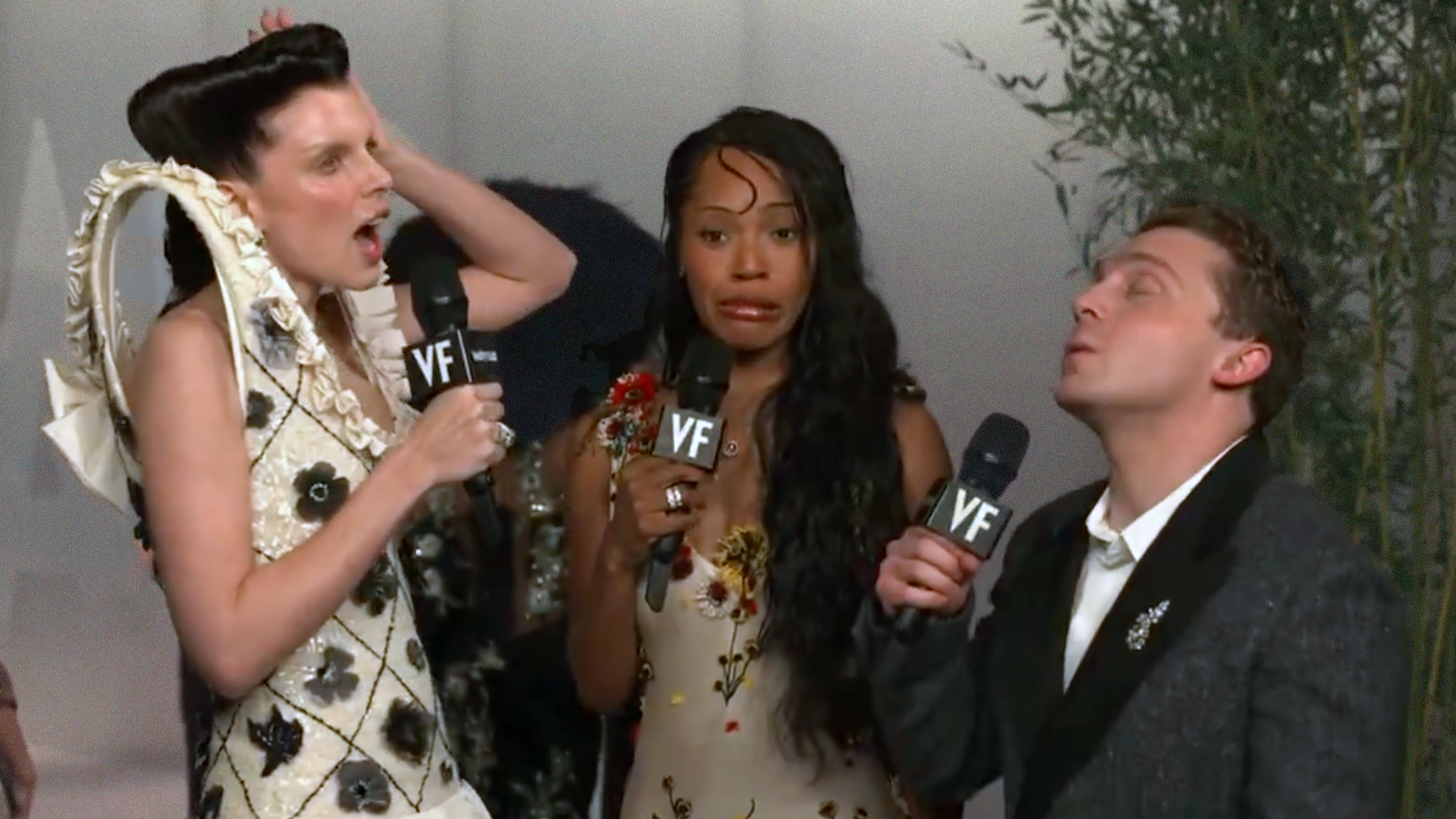
The overarching sentiment of the night was perhaps best encapsulated by reality television matriarch Kris Jenner. Upon greeting Shane and Blackwell, Jenner, known for her sharp business acumen and deep understanding of media dynamics, simply asked, "How did you get this gig?" The question, delivered with a mix of curiosity and perhaps a hint of bewilderment, resonated deeply with viewers and critics alike, becoming a symbolic summation of the perceived incongruity of the influencer presence.
Public Outcry: A Deluge of Criticism
The public’s reaction was swift, emphatic, and overwhelmingly negative. Social media platforms, particularly X (formerly Twitter), became a forum for a deluge of criticism, with fans and media commentators expressing widespread disappointment and frustration. The core of the complaint centered on the perceived lack of professionalism, preparation, and substantive engagement from the influencer hosts.
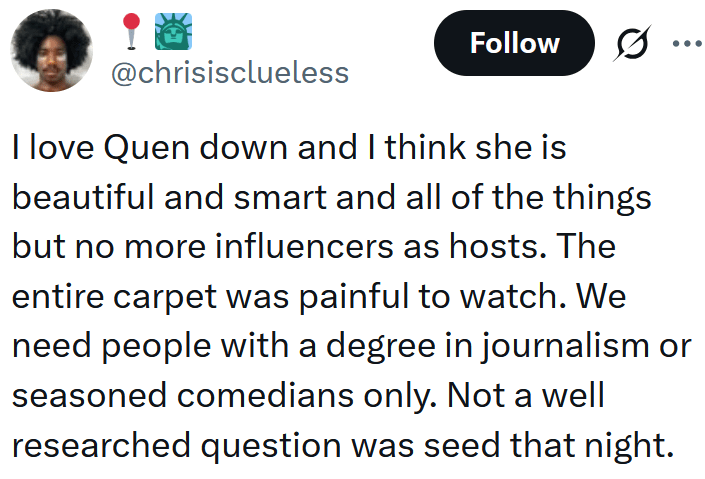
One widely shared post from user @chrisisclueless articulated this sentiment directly: "I love Quen down, and I think she is beautiful and smart and all of the things, but no more influencers as hosts. The entire carpet was painful to watch. We need people with a degree in journalism or seasoned comedians only. Not a well-researched question was said that night." This comment highlights a crucial distinction: while influencers may be personally admired for their online personalities, their specific skill set does not automatically translate to the demands of live, high-stakes reporting. The call for "people with a degree in journalism or seasoned comedians" underscores the value placed on either formal training in inquiry and fact-finding or the quick wit and improvisational skills honed through years of comedic performance, both of which were perceived as absent.
Another critical perspective, offered by @ellesep, pointed out the fundamental difference in objectives: "If you hire influencers for the red carpet you’re gonna get takes from people who only know how to create or mine a viral moment. If you hire legit entertainment reporters you’ll get people who engage well with the actors because they’re interested in the work." This observation dissects the inherent tension between the influencer’s drive for "viral moments"—often achieved through shock value, personal anecdotes, or relatable but shallow commentary—and the journalist’s commitment to "engaging with the work," which involves a genuine interest in the creative process, performances, and industry trends. The red carpet, for many, is an opportunity to celebrate artistic achievement, not merely to generate social media fodder.
Beyond the performance critiques, the incident also reignited the contentious "nepo baby" discourse, particularly concerning Jake Shane. X user @NYSocialBee connected Shane’s perceived lack of experience and his presence at such a high-profile event to his privileged background. They wrote, "Quick thing to point out here, you see how he mentions they were in Mexico together? He’s not a random influencer, that’s money and privilege, babe. That’s why you see people like him with no experience interviewing stars on a carpet." This accusation suggests that Shane’s access to the event and to celebrities like Lewis Pullman stemmed not from journalistic merit or even viral talent alone, but from pre-existing connections facilitated by his family’s industry ties. This added a layer of resentment to the criticism, framing the situation as an example of unearned opportunity displacing qualified professionals.
The Veteran Perspective: Keltie Knight’s Stance
The discourse was further amplified by the insights of veteran Canadian television personality Keltie Knight, who had previously addressed the issue of red carpet professionalism on an episode of The Cutting Room Floor in February. Knight’s impassioned plea resonated deeply with many, articulating the reverence and rigorous preparation she believes the red carpet deserves.
"I need you to treat the red carpet with the respect that it deserves," Knight stated unequivocally. "If you’re covering awards season, and you didn’t spend your holiday season watching everything and making notes, you kind of don’t belong there." Her words serve as a powerful counterpoint to the casual approach perceived from the influencer hosts. Knight emphasizes the foundational importance of deep immersion in the subject matter—watching all the nominated films, understanding the narratives, and meticulously researching the individuals involved. This level of dedication is not merely about providing factual information; it’s about fostering a genuine appreciation for the artistry and hard work that goes into the awards season, allowing reporters to ask informed questions that truly engage the celebrities and illuminate their craft for the audience.
Knight’s perspective underscores a crucial aspect of traditional journalism: the commitment to knowledge and context. For a seasoned entertainment reporter, the red carpet is the culmination of weeks, if not months, of preparation, analysis, and an unwavering passion for film and television. The expectation is that reporters arrive not only with a list of questions but with a comprehensive understanding of the cultural and artistic landscape they are covering. This contrasts sharply with the notion of hosts who might rely on pre-written, generic, or even personally-oriented questions without a broader grasp of the industry or the specific achievements being celebrated.
Broader Implications: The Future of Red Carpet Reporting and Media Landscape
The Vanity Fair Oscars party incident serves as a critical case study with far-reaching implications for the future of red carpet reporting, the role of influencers in traditional media spaces, and the evolving expectations of audiences.
Erosion of Journalistic Standards?
One of the most significant concerns raised by the incident is the potential erosion of journalistic standards at high-profile events. When event organizers prioritize reach and viral potential over professional reporting acumen, it sends a signal that the substance of the interview is less important than its shareability. This trend, if continued, could devalue the expertise of trained journalists who dedicate their careers to insightful entertainment reporting, leading to a "race to the bottom" where superficiality trumps depth. For news organizations grappling with declining revenues and the imperative to stay relevant, the temptation to mimic successful influencer strategies is strong, but the Vanity Fair backlash suggests there’s a clear line that audiences expect to be upheld.
The Attention Economy vs. Substance:
The incident vividly illustrates the tension between the "attention economy"—where content is designed to capture fleeting attention and generate rapid engagement—and the demand for substantive, well-researched content. Influencers excel at creating relatable, often unpolished content that resonates with their direct followers, but this style proved incompatible with the formal, prestigious environment of the Oscars red carpet. Audiences, particularly those invested in the Oscars, demonstrated a clear preference for content that respects the achievements of the artists and offers meaningful dialogue, rather than merely attempting to create a "viral moment." This suggests that while influencers can drive engagement, their specific brand of engagement might not be universally applicable or desirable across all media contexts.
Brand Strategy and Audience Segmentation:
For Vanity Fair and its partners, the decision to hire influencers was likely a calculated move to appeal to younger demographics. Data consistently shows a shift in media consumption habits, with Gen Z and younger millennials spending significant time on social media platforms. By integrating influencers, the brand aimed to diversify its audience reach beyond traditional print and web readership. However, the overwhelmingly negative reaction indicates a miscalculation regarding the Vanity Fair brand identity and the expectations of its established audience. It highlights the challenge for legacy brands in navigating the digital age: how to innovate and attract new audiences without alienating their core demographic and diluting their established prestige. This event will likely prompt a re-evaluation of how such collaborations are approached, perhaps leading to more curated roles for influencers that complement, rather than replace, traditional reporting.
The "Nepo Baby" Debate’s Resurgence:
The accusations of "nepo baby" privilege against Jake Shane further complicate the discussion. This cultural conversation, which gained significant traction in late 2022 and early 2023, scrutinizes the unearned advantages of individuals with famous or influential parents in industries like entertainment. The red carpet incident provided fresh fodder for this debate, linking perceived incompetence and lack of merit to inherited access. This aspect of the backlash speaks to a broader societal frustration with perceived unfairness and lack of meritocracy, suggesting that audiences are increasingly sensitive to who gets opportunities and why.
The Hybrid Model: A Future Possibility?
Moving forward, the industry may explore hybrid models that strategically integrate influencers while preserving journalistic integrity. This could involve influencers taking on specific, more casual roles that align with their strengths (e.g., behind-the-scenes content, fashion commentary, or fan-centric Q&As) while traditional journalists handle the core interviews and substantive reporting. Alternatively, a clearer delineation may emerge, reinforcing the distinction between entertainment reporting and influencer-driven content. The incident underscores that while "authenticity" is prized, it must be balanced with professionalism, research, and respect for the event and its participants.
Audience Expectations vs. Reality:
Ultimately, the incident served as a stark reminder of audience expectations. For an event as significant as the Oscars and its accompanying exclusive afterparty, viewers expect a certain level of gravitas, intelligence, and respect from the media coverage. The public’s outcry demonstrates that there is a strong demand for thoughtful engagement with celebrities and their work, and a clear distinction between the casual, often self-referential style of social media and the purposeful, informative nature of traditional journalism.
In conclusion, the decision to feature social media influencers as primary red carpet hosts at the Vanity Fair Oscars party was a bold experiment that, by most accounts, misfired significantly. It ignited a vital debate about the intersection of traditional media and the creator economy, exposing the challenges of adapting new forms of content creation to established, high-stakes environments. While the digital landscape continues to evolve, this event unequivocally signaled that for prestigious cultural milestones, audiences still value the expertise, preparation, and professional decorum that trained journalists bring to the red carpet, prompting a critical re-evaluation of strategies for engaging both new and traditional audiences in the future.