Chandra Wibowo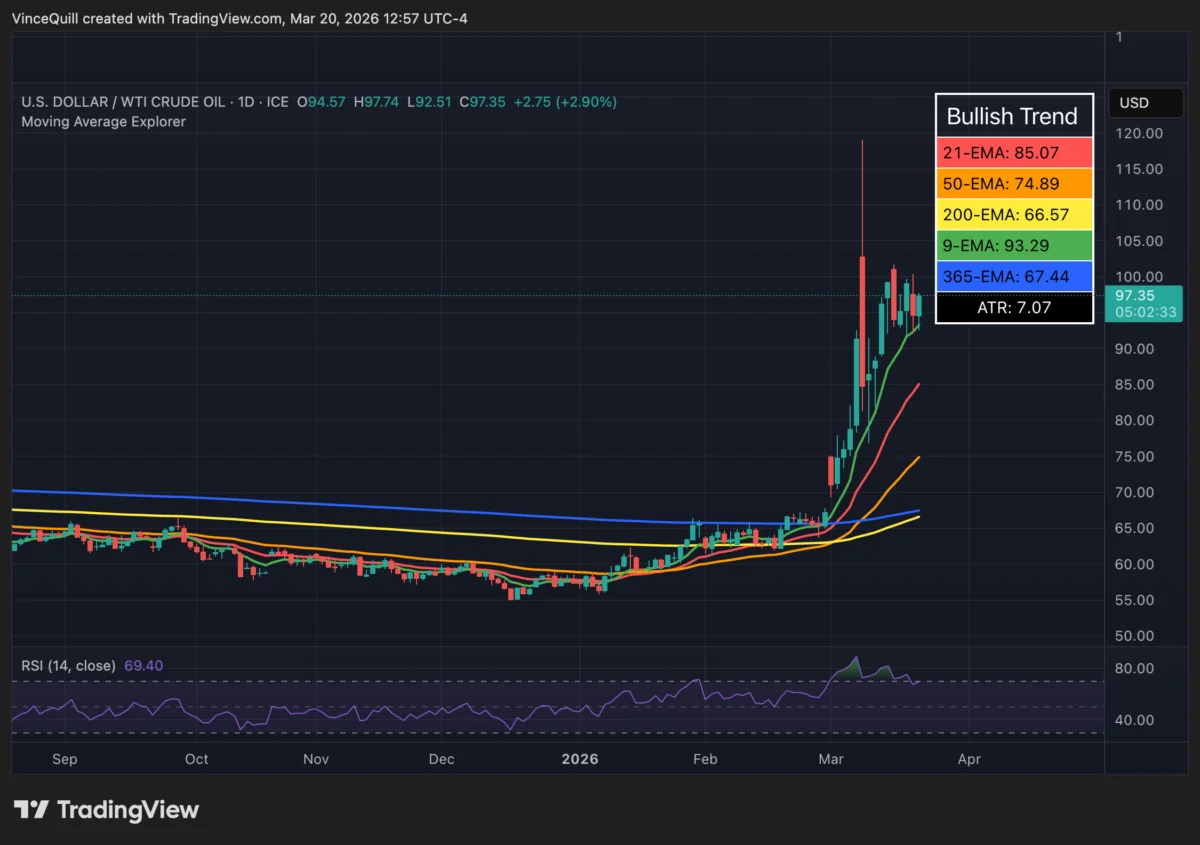
Traders appear to be underestimating the potential economic ramifications of the escalating conflict in the Middle East, betting on a scenario dubbed the "TACO" trade, an acronym for "Trump always chickens out." This market sentiment, according to Nic Puckrin, founder of Coin Bureau and a market analyst, suggests a miscalculation of the conflict’s severity and duration, potentially leading to significant economic headwinds. The term, originating from Wall Street, reflects a historical perception of U.S. President Donald Trump’s tendency to de-escalate geopolitical tensions. However, Puckrin cautions that the current situation is far more complex and not solely within the President’s control, implying that a swift resolution is unlikely.
The implications of this geopolitical instability are particularly concerning for global energy markets. The price of West Texas Intermediate (WTI) crude oil has already experienced a notable surge since the conflict began, briefly climbing to nearly $120 per barrel, as depicted in charts from TradingView. This upward pressure on oil prices, a critical input for nearly all economic activities, has direct consequences for inflation and economic growth. Puckrin projects that if oil prices remain above $100 per barrel, a sustained period of elevated energy costs could lead to a significant slowdown in economic growth and a potential increase of up to 1 percentage point in Personal Consumption Expenditures (PCE) inflation.
The Specter of Stagflation Looms
This confluence of rising inflation and slowing economic growth paints a grim picture, with analysts warning of a potential return of stagflation – a highly undesirable economic condition characterized by stagnant economic output, high unemployment, and soaring inflation. Puckrin described this scenario as "dreaded," recalling historical precedents where such conditions have severely hampered market performance. He highlighted the 1970s, a decade marked by significant geopolitical turmoil and energy shocks, during which the S&P 500 experienced a prolonged period of stagnation in real terms once stagflation took hold.

The market’s current pricing in of a "TACO" trade, Puckrin argues, is a risky bet given the complexities of the Middle East situation. The Strait of Hormuz, a vital chokepoint through which approximately 20% of the global oil supply transits, is a critical factor. Any prolonged closure or disruption to this waterway will inevitably exacerbate economic fallout. Even if the Strait were to reopen immediately, Puckrin stressed that the damage to the oil-producing infrastructure in the Gulf region would necessitate months for repairs and restoration, ensuring a continued impact on global energy supplies and prices. Data from the U.S. Energy Information Administration illustrates the sheer volume of petroleum transported through the Strait of Hormuz annually, underscoring its critical role in the global energy landscape. Between 2020 and Q1 of 2025, this waterway has consistently facilitated immense energy trade, making any disruption profoundly impactful.
Impact on Monetary Policy and Risk Assets
The elevated inflation resulting from sustained high energy prices has direct implications for monetary policy, particularly for central banks like the U.S. Federal Reserve. The prospect of interest rate cuts, which typically serve as a stimulus for risk assets such as cryptocurrencies, is diminishing. Instead, the Fed might be compelled to raise interest rates to combat inflationary pressures, effectively extinguishing hopes of easier liquidity conditions that could fuel a crypto market rally. This scenario directly contradicts the expectations embedded in the "TACO" trade, which likely assumes a more accommodative monetary policy environment.
The Federal Open Market Committee (FOMC), the body responsible for setting U.S. interest rate policy, recently held interest rates steady in March, maintaining the Federal Funds rate within the 3.5% to 3.75% range. The probability of an imminent rate cut has significantly diminished, with market participants now contemplating the possibility of a rate hike. According to the Chicago Mercantile Exchange’s FedWatch tool, there is a growing, albeit still small, probability of the FOMC increasing rates at its upcoming April meeting. This shift in expectations underscores the growing concern among policymakers about inflationary pressures.
Federal Reserve Acknowledges Uncertainty
Federal Reserve Chairman Jerome Powell has publicly acknowledged the uncertainty surrounding the economic outlook due to the Middle East conflict. In a recent press conference, Powell stated that the implications of events in the Middle East for the U.S. economy are unclear in the short term, and that higher energy prices are expected to contribute to an overall rise in inflation. However, he also emphasized that it remains "too soon" to accurately assess the full scope and severity of the potential economic effects stemming from the war and the disruption to global energy infrastructure. This cautious stance from the Fed chairman suggests that policymakers are closely monitoring the situation and are prepared to adjust their strategies as new information emerges.

Historical Context and Market Reactions
The current situation draws parallels to previous periods of geopolitical tension and energy crises that have significantly impacted global markets. The oil price shocks of the 1970s, for instance, led to a prolonged period of stagflation, demonstrating the potent and lasting effects of energy supply disruptions on economic stability. Market reactions have been varied, with some sectors experiencing significant volatility. For example, the South Korean stock exchange has experienced trading halts amid wider market routs, indicating the pervasive anxiety across global financial markets.
The disruption to oil production and supply chains is not a fleeting issue. Even if immediate hostilities cease, the rebuilding of damaged infrastructure and the restoration of normal supply flows will be a protracted process. This extended period of uncertainty and potential supply constraints will likely keep energy prices elevated, feeding into broader inflationary pressures.
Broader Economic Implications
The ripple effect of high energy prices extends far beyond the energy sector. As a fundamental cost for transportation, manufacturing, and nearly every other economic activity, elevated oil prices translate into higher costs for a wide array of goods and services. This general increase in the cost of living disproportionately affects households, particularly those with lower incomes, and can dampen consumer spending, a key driver of economic growth.
For investors, this environment presents a complex challenge. The prospect of sustained inflation diminishes the attractiveness of fixed-income assets and increases the appeal of inflation-hedged investments. For risk assets, such as equities and cryptocurrencies, the threat of continued high interest rates or even further hikes poses a significant headwind. The Federal Reserve’s dual mandate of maintaining price stability and maximizing employment becomes increasingly difficult to achieve in a stagflationary environment, leading to a prolonged period of economic uncertainty and market volatility.

The interconnectedness of the global economy means that instability in one region can have far-reaching consequences. The Middle East remains a crucial hub for energy production and geopolitical influence, and any significant disruption there is felt worldwide. Traders and policymakers alike are being forced to re-evaluate their assumptions and prepare for a potentially prolonged period of economic adjustment, moving beyond the simplistic assumptions of past geopolitical resolutions. The current market sentiment, characterized by the "TACO" trade, may prove to be a miscalculation that leaves many investors exposed to significant downside risk as the true economic fallout of the Middle East conflict unfolds.
The information provided in this article is for informational purposes only and does not constitute financial advice. Readers are encouraged to conduct their own research and consult with a qualified financial advisor before making any investment decisions.