Evan Lee Salim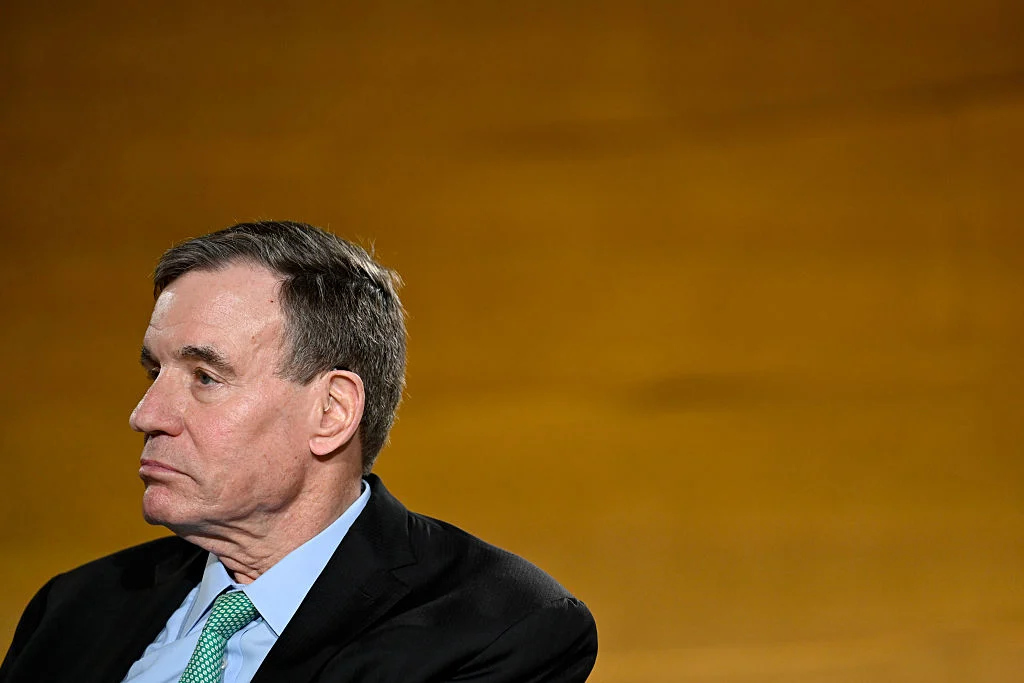
The burgeoning landscape of artificial intelligence is undeniably reshaping the global economy, yet its rapid ascent is accompanied by mounting anxieties over widespread job displacement. Evident signs of this seismic shift are already accumulating across the United States: entry-level job postings have plummeted by an alarming 35% since 2023, while a wave of mass layoffs has swept through prominent Big Tech companies. Even the architects of AI themselves, including leaders like Anthropic CEO Dario Amodei, have vocalized stark warnings about the profound and potentially painful disruptions to the labor market that lie ahead. This palpable fear of AI-driven unemployment is now catalyzing urgent policy discussions, notably exemplified by Senator Mark Warner (D-VA), who is advocating for a novel approach: taxing the massive data centers powering the AI boom to finance a robust transition for displaced workers.
The Accelerating Pace of AI-Driven Economic Transformation
The trajectory of AI’s integration into various sectors points towards an unprecedented era of automation. What once seemed like distant futuristic predictions are rapidly becoming present-day realities. The sharp decline in entry-level job opportunities serves as a stark early indicator, suggesting that AI tools are increasingly capable of performing tasks traditionally assigned to junior roles. This trend is not confined to a single industry but is observed across diverse sectors, from finance to legal services, and even within the tech industry itself, which paradoxically is both creating and being disrupted by AI.
Senator Warner shared compelling anecdotes from backstage conversations at the Axios AI Summit in Washington, D.C., highlighting the immediate impact of AI on investment and hiring strategies. A venture capitalist reportedly confided in Warner about writing down software investments to zero, largely attributing this recalibration to the advanced capabilities of large language models like Anthropic’s Claude. This suggests a significant re-evaluation of human-centric software solutions in light of AI’s rapid progress. Further underscoring this shift, a major law firm informed Warner that it was no longer recruiting first-year associates, as AI platforms can now efficiently handle much of the preliminary legal research and document drafting work traditionally performed by junior lawyers. These specific examples illustrate a broader trend where AI is not merely augmenting human capabilities but, in many instances, outright replacing the need for certain entry-level positions.
While some data from specific AI companies might suggest that the outright taking of jobs has not yet reached a critical mass, the underlying apprehension among the workforce and policymakers is undeniably intensifying. This growing anxiety is now spilling over into a critical debate: who bears the financial responsibility for navigating this monumental economic transition?
The Axios AI Summit: A Crucible for Policy Debate
The Axios AI Summit, held in Washington, D.C., served as a crucial forum for policymakers, industry leaders, and experts to deliberate on the multifaceted implications of artificial intelligence. Such gatherings are vital for bridging the gap between technological innovation and public policy, providing a platform for discussions that shape the future regulatory landscape. It was within this context that Senator Warner articulated his concerns and proposed solutions, emphasizing the urgency of proactive measures rather than reactive responses to AI’s societal impact. The dialogue at the summit underscored a shared understanding that AI, while promising immense benefits, also presents significant challenges that demand thoughtful and timely governmental intervention. The presence of influential figures like Senator Warner, a key voice on technology policy, signaled the growing recognition in Washington of AI’s strategic importance and its potential for both prosperity and disruption.
Senator Warner’s Bold Proposal: Taxation for Transition
Central to Senator Warner’s emerging policy framework is the proposition to levy taxes on the sprawling network of data centers that form the backbone of the AI revolution. His vision is to channel this revenue into programs designed to assist workers through the impending economic upheaval. This includes funding for retraining initiatives, upskilling programs in high-demand fields, and other forms of support aimed at equipping the workforce with the necessary skills for an AI-integrated economy.
Warner’s rationale for targeting data centers is pragmatic: he views them as the "easiest place to extract the pound of flesh" from the industry. He posits that the immense computational power and infrastructure required to train and operate advanced AI models inherently link data centers to the economic shifts caused by AI. While he has yet to formally introduce legislation, the concept is rapidly gaining traction, fueled by a simmering public anger directed not only at the abstract notion of AI but also at the very physical infrastructure that underpins it.
The senator’s proposal is not without precedent. He cited the example of Henrico County, Virginia, which successfully leveraged tax revenue generated from local data centers to fund a new affordable housing project. This practical demonstration of linking infrastructure development to tangible community benefits serves as a model for how a data center tax could be implemented on a broader scale. Warner stresses that establishing such direct benefits for communities is paramount, warning that without them, "the pitchforks are coming out"—a vivid metaphor for escalating public resentment and resistance.
The Rising Tide of Public Discontent Against AI Infrastructure
The public’s unease with the AI revolution extends beyond job fears, manifesting as widespread pushback against the physical presence of data centers. Across the U.S., communities are increasingly vocal about the negative externalities associated with these facilities, including incessant noise, environmental pollution, and escalating electricity costs. These concerns, while significant on their own, are often intertwined with a deeper, bubbling resentment: the reluctance to endure the localized burdens of a data center that powers a technology perceived as a threat to livelihoods.
This growing opposition has translated into legislative action. Senator Bernie Sanders (I-VT) and Representative Alexandria Ocasio-Cortez (D-NY) recently introduced a bill calling for a nationwide moratorium on data center construction. Their proposal reflects a growing sentiment that the unchecked expansion of AI infrastructure requires an immediate pause for comprehensive evaluation and regulation.
Public opinion polls further underscore this negative sentiment. A recent NBC News survey revealed that AI holds a lower public approval rating than even Immigration and Customs Enforcement (ICE), with 46% of registered voters viewing AI negatively compared to only 26% viewing it positively. This stark disapproval rating highlights the urgent need for policymakers to address public anxieties surrounding AI’s development and deployment.
In Virginia, a state that has become one of the world’s largest data center markets, this public discontent is manifesting in a legislative proposal to repeal the state’s generous tax breaks for data center buildouts. These incentives currently cost the state and its localities nearly $2 billion annually in lost tax revenue. The potential repeal signals a significant shift in political will, reflecting a growing desire to re-evaluate the cost-benefit analysis of attracting these facilities. Senator Warner anticipates that other states may soon follow Virginia’s lead, indicating a potential nationwide trend towards stricter oversight and less preferential treatment for data center operators.
A Divided Congressional Approach: Innovation vs. Moratorium
Despite the shared concern over AI’s impact, a divergence in legislative strategy is evident. Senator Warner, while acknowledging the need for community benefits and strict environmental regulations for data centers, does not support the Sanders-Ocasio-Cortez moratorium bill. His reasoning is rooted in geopolitical competition: "A data center moratorium simply means China is gonna move quicker, and this is one where we can’t lose." Warner views the development of AI infrastructure as a critical component of national strategic advantage, particularly in the race for technological supremacy against global rivals. He maintains that "there’s no stuffing the genie back into the bottle" when it comes to AI and data centers, advocating instead for managed growth and responsible integration rather than an outright halt.
Warner’s position emphasizes a balance between fostering innovation and ensuring that communities are not unduly burdened. He champions strict requirements to prevent data centers from offloading water and power costs onto residents. However, he also firmly believes in finding a mechanism for communities to "extract their pound of flesh" in a manner that directly addresses the underlying fears of job loss, suggesting that taxation offers a more constructive path than a blanket moratorium.
The Economic and Social Calculus: Who Pays for the AI Revolution?
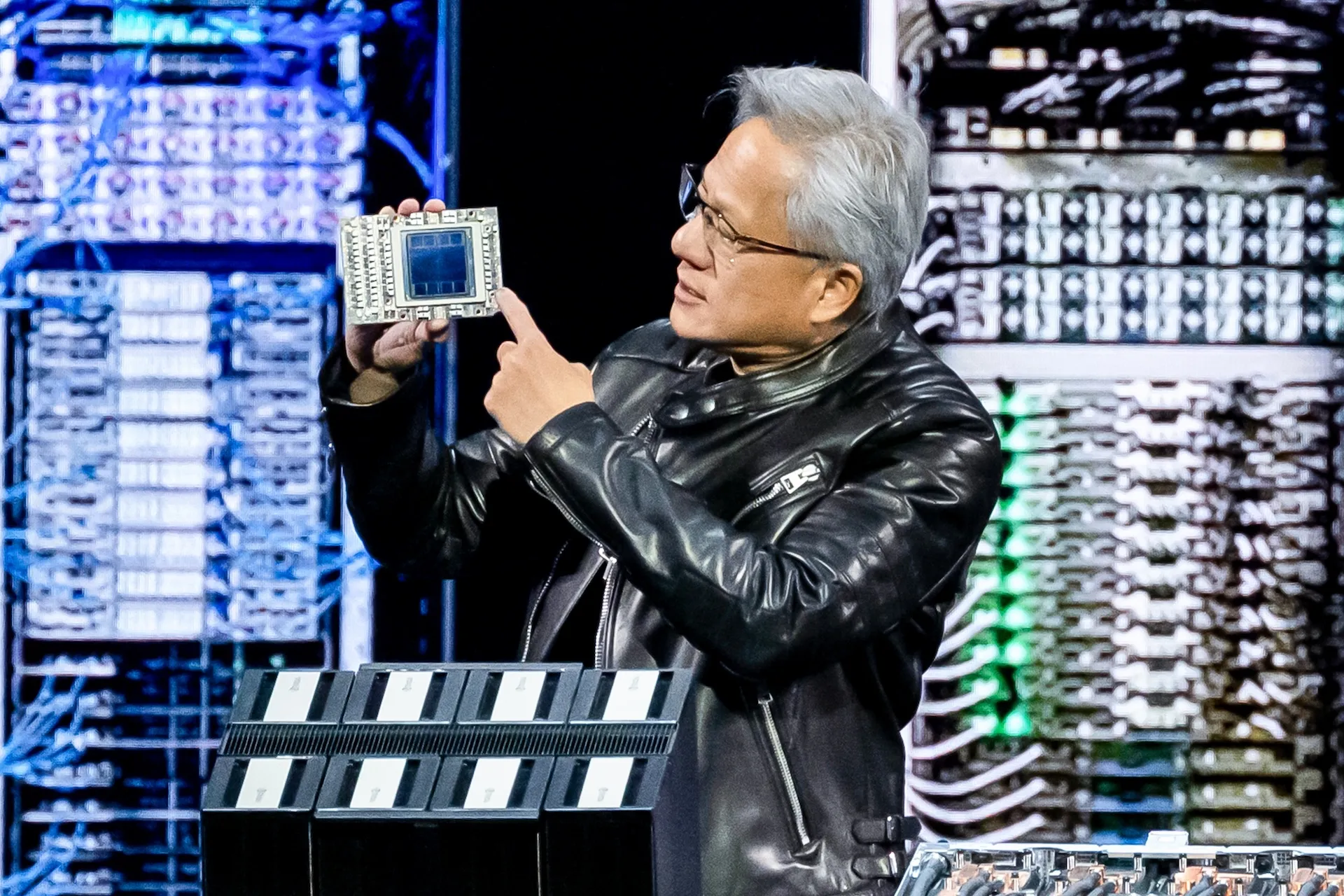
The question of who should bear the financial burden of AI’s societal transition is complex and multi-layered. Senator Warner initially pondered various candidates for this responsibility: the chipmakers, such as Nvidia’s CEO Jensen Huang, whose advanced semiconductors power AI; the large language model companies, like Anthropic, that are at the forefront of AI development; or even the end-users in industries like finance, exemplified by Goldman Sachs, who leverage these tools to streamline operations and reduce workforce numbers.
Ultimately, Warner concluded that data centers represent the "easiest place" to implement such a levy. This assessment likely stems from several factors: data centers are tangible, geographically fixed assets; their energy and land consumption are significant and measurable; and their operators often benefit from substantial local and state tax incentives, making a new form of taxation a potential rebalancing of the economic scales.
The broader economic implications of this discussion are profound. As AI continues to automate tasks, the traditional social contract between labor and capital faces unprecedented strain. Policies like Warner’s attempt to redefine this contract for the digital age, ensuring that the immense wealth generated by AI innovation contributes directly to mitigating its disruptive effects on the workforce. Such proposals acknowledge that technological progress, while desirable, must be accompanied by robust social safety nets and adaptive economic strategies to prevent widening inequality and social unrest.
Implications and the Path Forward
The proposals put forth by Senator Warner and his colleagues highlight a critical juncture in the national discourse surrounding AI. The nation must navigate the twin imperatives of fostering technological innovation and safeguarding the economic well-being of its citizens. Implementing a data center tax presents both opportunities and challenges. On one hand, it offers a dedicated revenue stream for vital workforce development programs, potentially easing the transition for millions of workers. On the other, it could face considerable opposition from the tech industry, which might argue that such taxes could stifle innovation or make the U.S. less competitive.
The practicalities of such a tax would require careful consideration: defining what constitutes an "AI-powering" data center, determining the appropriate tax rate, and establishing clear mechanisms for revenue allocation to ensure "tangible benefits to communities." Furthermore, the interplay between federal and state tax policies would need to be meticulously managed to avoid duplication or unintended consequences.
Ultimately, the debate over taxing AI infrastructure is a microcosm of a larger societal challenge: how to responsibly manage a technological revolution that promises to redefine work, wealth, and human interaction. The urgency of this challenge is underscored by the current public mood, which suggests a growing impatience with unchecked technological advancement that appears to benefit a select few at the potential expense of many. Proactive and innovative policy solutions, such as Senator Warner’s proposal, are becoming indispensable in charting a sustainable and equitable path forward through the AI era. The success of these endeavors will determine not only the economic resilience of the nation but also its social cohesion in the face of transformative change.