Galang Taruna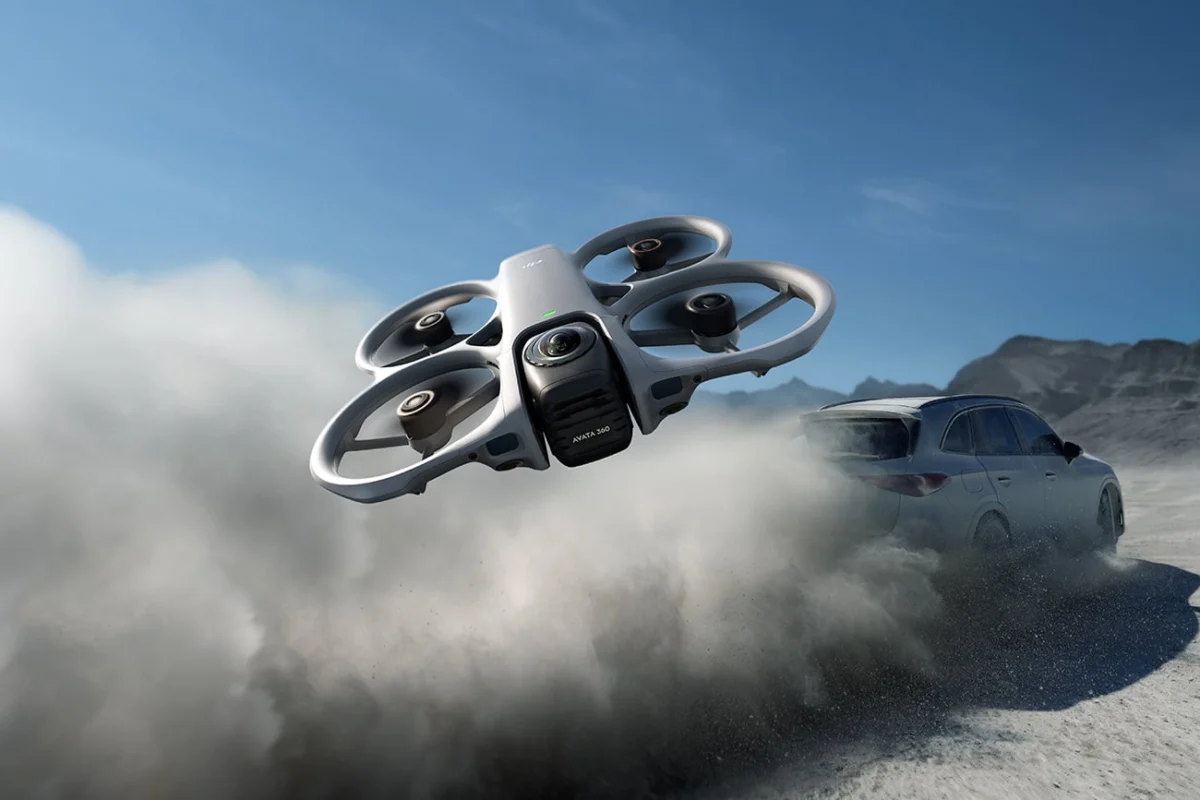
DJI, the world’s leading drone manufacturer, has officially responded to the burgeoning market for immersive aerial videography by unveiling its own 360-degree drone, the DJI Avata 360. This highly anticipated announcement, made this Thursday, marks a direct challenge to competitors, most notably Insta360, which introduced its Antigravity A1 drone last year. The Avata 360 is poised to redefine standards in the segment, combining DJI’s renowned flight stability and imaging technology with the innovative "shoot first, frame later" flexibility of spherical video capture.
The Evolving Landscape of Aerial Cinematography
For years, DJI has maintained a near-monopoly in the consumer and professional drone markets with its Phantom, Mavic, and Inspire series, consistently pushing the boundaries of aerial photography and videography. However, the advent of 360-degree cameras and specialized FPV (First Person View) drones has carved out new niches, appealing to creators seeking more dynamic and immersive content. Insta360, a prominent player in the 360-degree camera space, made a significant entry into aerial imaging with its Antigravity A1, demonstrating the potential for drones that capture an entire spherical view. This move signaled a shift, indicating that while traditional cinematic drones remained popular, there was a growing demand for platforms that offered unprecedented creative freedom in post-production. DJI’s introduction of the Avata 360 is not merely an incremental product launch but a strategic maneuver to assert dominance in this rapidly expanding segment, leveraging its engineering prowess to deliver a superior imaging experience.
Technical Prowess: A Deep Dive into Imaging Capabilities
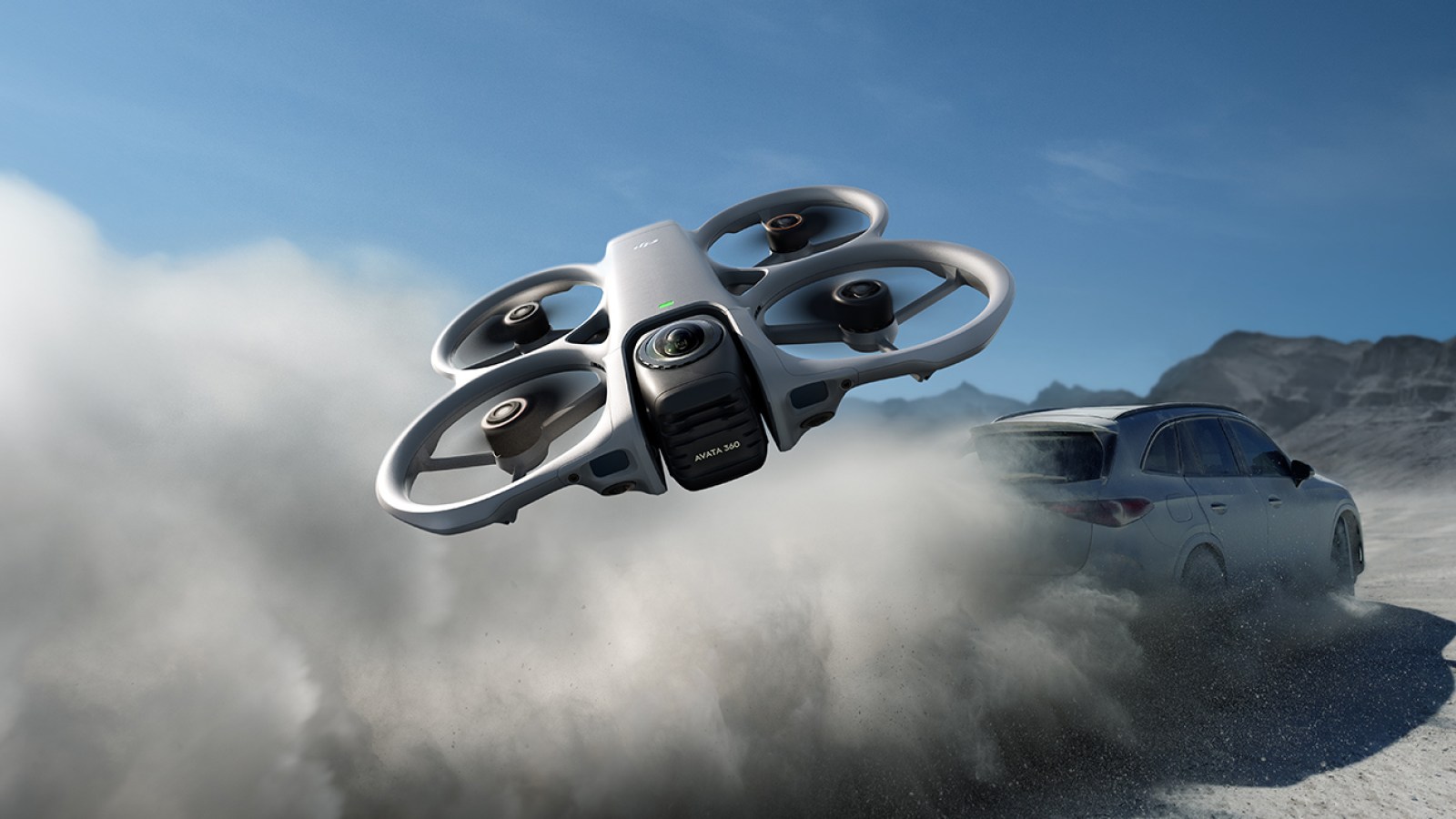
At the core of the DJI Avata 360’s appeal are its advanced imaging specifications, designed to surpass existing offerings. The drone is equipped with two 200-degree cameras, strategically positioned on its top and bottom, enabling it to capture seamless 360-degree video in stunning 8K resolution at 60 frames per second (8K 60p HDR). This high-resolution, high-frame-rate capability, coupled with High Dynamic Range (HDR), promises incredibly detailed and vibrant footage, capturing a wider range of light and shadow than standard video.
A significant differentiator for the Avata 360 lies in its sensor technology. DJI has opted for larger 1-inch sensors, a substantial upgrade compared to the 1/1.28-inch sensors found in the Insta360 Antigravity A1. The size of an image sensor is paramount to image quality, especially in challenging lighting conditions. A 1-inch sensor boasts a significantly larger surface area, allowing it to gather more light. This translates directly into several critical advantages:
- Superior Low-Light Performance: More light collection means cleaner images with less digital noise in dim environments, expanding the operational window for creators.
- Enhanced Dynamic Range: The larger sensor can capture a broader spectrum from the brightest highlights to the deepest shadows, preserving detail across varied lighting scenarios, which is crucial for high-quality HDR video.
- Improved Signal-to-Noise Ratio: With more light, the camera’s electronics have a stronger signal to process, resulting in less noise and a cleaner, more professional-looking image.
- Richer Color Information: Larger photosites on the sensor can capture more nuanced color data, leading to more accurate and vibrant color reproduction.
Complementing these advanced sensors are the drone’s luminous lenses, featuring an aperture of f/1.9. This is notably wider than the f/2.2 aperture of its direct competitor. A wider aperture allows even more light to reach the sensor, further enhancing low-light performance and potentially offering a shallower depth of field when desired, although for 360-degree footage, a wide depth of field is generally preferred to keep the entire scene in focus. The combination of large sensors and fast lenses positions the Avata 360 as a formidable tool for professional-grade aerial immersive content creation, capable of delivering exceptional image quality that stands out in a competitive market.
Beyond 360: Versatile Shooting Modes
While its primary innovation lies in 360-degree capture, the DJI Avata 360 is engineered for versatility, offering creators the flexibility to switch between immersive and traditional cinematic shooting modes. Recognizing that not all projects require spherical video, DJI has designed the drone to also capture standard 4K 60p footage. This is achieved through a repositionable camera module, allowing the operator to orient one of the high-resolution lenses forward, transforming the Avata 360 into a conventional cinematic drone. This dual-mode functionality ensures that the drone is not limited to a niche, but can serve a broader range of creative needs, making it a more attractive investment for content creators who require adaptable tools.
The inherent advantage of 360-degree capture, often summarized as "shoot first, frame later," is a game-changer for aerial videography. During flight, pilots can focus entirely on piloting the drone and navigating complex environments, without the added pressure of precisely framing a shot. In post-production, editors gain unprecedented control, able to pan, tilt, zoom, and reframe the video within the spherical footage to highlight specific points of interest or create dynamic camera movements that would be impossible to execute during flight. This not only streamlines the filming process but also unlocks new creative possibilities for storytelling, allowing for interactive experiences or the ability to generate multiple traditional video clips from a single 360-degree flight.
Flight Performance and Regulatory Considerations
The DJI Avata 360 is designed to deliver robust flight performance, balancing agility with endurance. It offers a flight time of 23 minutes, a respectable duration for capturing extended sequences or navigating larger areas. In terms of speed, the drone can achieve a maximum horizontal velocity of 18 meters per second (approximately 65 km/h) and a vertical speed of 10 meters per second (36 km/h). These specifications ensure that the Avata 360 can keep pace with fast-moving subjects or cover significant ground efficiently.
Weighing 455 grams, the Avata 360 falls under the European Union’s Class C1 drone regulations. This classification carries specific operational requirements that pilots must adhere to:

- No Overflight of Uninvolved Persons: Pilots are prohibited from flying the drone directly over people who are not actively participating in the flight operation or who are not aware of the drone’s presence.
- Mandatory Drone Registration: The drone must be registered with the national aviation authority, and the registration number must be displayed on the aircraft.
- Pilot Training and Certification: The pilot must complete specific training for the open category (typically A1/A3 subcategories) and obtain the relevant certificate, demonstrating a foundational understanding of drone operations, safety, and regulations.
These regulations, while ensuring public safety, also mean that prospective pilots need to be aware of and comply with legal requirements before operating the Avata 360. DJI’s decision to keep the drone under 900g (the threshold for C0/C1) is strategic, making it accessible to a wider range of users while still providing advanced capabilities. However, the C1 classification, particularly the "no overflight of people" rule, will influence how and where the drone can be deployed, especially for professional projects in urban or populated areas.
Design, Durability, and User Experience
Beyond its core flight and imaging capabilities, the DJI Avata 360 incorporates thoughtful design elements aimed at enhancing durability and user experience. Recognizing the large file sizes generated by 8K 360-degree video, the drone is equipped with a generous 42GB of internal storage. This is complemented by a microSD card slot, offering expandable storage options for extended shooting sessions. The combination ensures that creators have ample space to store their high-resolution footage without constantly needing to offload data.
A particularly user-friendly feature is the ability to easily replace the camera lenses. Drones, especially those used for dynamic FPV or close-proximity flying, are susceptible to minor bumps and scrapes. Scratched lenses can significantly degrade image quality. The modular design for lens replacement is a testament to DJI’s understanding of real-world usage and a commitment to longevity and ease of maintenance for its users. This feature will be highly appreciated by pilots, reducing downtime and repair costs in the event of minor accidents. The drone’s robust O4+ video transmission system, often associated with DJI’s FPV offerings, further ensures a stable and reliable video feed, crucial for immersive piloting and critical shot monitoring.
Market Availability and Pricing Strategy
The DJI Avata 360 is slated for release in France at the end of April 2026. This future-dated launch allows for ample anticipation and market preparation. DJI is offering the drone in several configurations to cater to different user needs and budgets:
- Drone Only: Priced at €459, this option is ideal for existing DJI users who may already possess compatible remote controllers or FPV goggles, or for those who wish to integrate the Avata 360 into a larger existing setup.
- Fly More Combo with RC-2 Remote Controller: At €719, this package includes the drone and DJI’s RC-2 remote controller, a screen-less controller that pairs with a smartphone for display. This offers a more traditional drone piloting experience for those less inclined towards FPV.
- Pro-View Combo with DJI FPV Goggles and Motion Controllers: The most comprehensive package, priced at €939, includes the drone, DJI FPV Goggles, and motion controllers. This configuration is tailored for an immersive FPV experience, allowing pilots to see through the drone’s "eyes" and control it with intuitive hand gestures. This bundle is particularly appealing to FPV enthusiasts and those looking to dive deep into immersive content creation.
This tiered pricing strategy is typical of DJI, making the technology accessible at various entry points while offering premium bundles for a complete, high-end experience. The pricing positions the Avata 360 competitively within the specialized 360-degree drone market, especially considering its advanced sensor technology and dual-mode functionality.
Industry Implications and Future Outlook
The launch of the DJI Avata 360 carries significant implications for the drone industry and the future of aerial content creation. For Insta360, it represents a direct challenge from the market leader, forcing further innovation and differentiation. While Insta360 pioneered the dedicated 360-degree drone, DJI’s entry validates the segment and will likely accelerate its growth, but also intensify competition.
For content creators, the Avata 360 offers a powerful new tool, blending the cinematic capabilities of traditional drones with the unparalleled creative freedom of 360-degree capture. The ability to shoot in 8K 60p HDR with large 1-inch sensors will undoubtedly raise the bar for immersive aerial footage, pushing the boundaries of what is visually possible from above. This could lead to a surge in high-quality virtual reality (VR) experiences, interactive travel content, and innovative journalistic storytelling.
Furthermore, the Avata 360’s dual-mode functionality highlights a growing trend in drone design: versatility. As technology advances, drones are increasingly expected to perform multiple roles, serving as both specialized tools and general-purpose workhorses. This adaptability will likely influence future product development across the industry, with manufacturers striving to offer more integrated and flexible solutions. The emphasis on robust video transmission and post-production software will also grow, as the complexity and volume of 360-degree data require sophisticated tools for editing and reframing.
Industry analysts suggest that DJI’s move with the Avata 360 is a strategic consolidation of its market leadership, not just in traditional drones, but in emerging and niche categories as well. By combining cutting-edge imaging hardware with a user-centric design and a comprehensive ecosystem of accessories, DJI aims to set the benchmark for immersive aerial videography, solidifying its position as the innovator in the skies. As the end of April 2026 approaches, the drone community eagerly anticipates the creative possibilities that the DJI Avata 360 will unlock.