Galang Taruna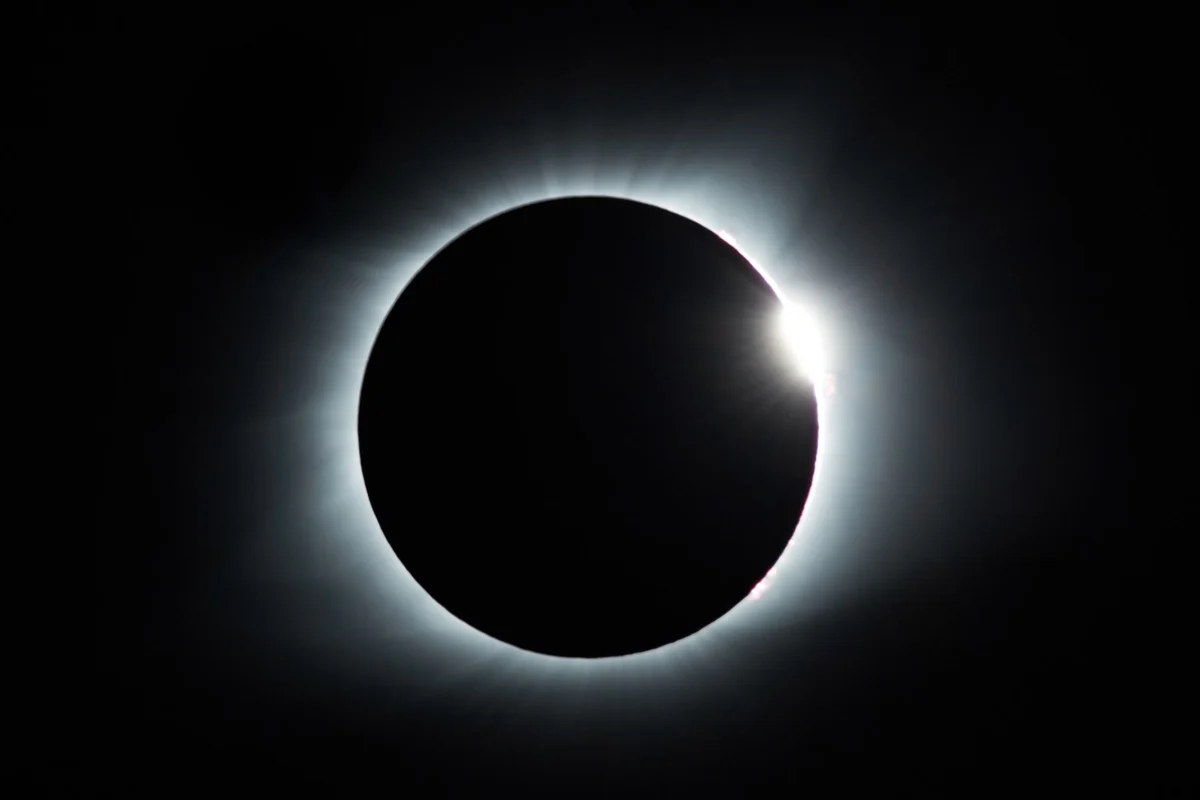
On August 12, 2026, a spectacular celestial event, the most significant solar eclipse visible from parts of Europe since 1999, will captivate millions. As the Moon gradually obscures the Sun, enthusiasts across the continent will undoubtedly reach for their smartphones to capture this rare phenomenon. However, capturing this awe-inspiring moment safely and effectively requires specific precautions, most notably the use of specialized solar filters to protect both photographic equipment and, by extension, human vision. This article details why these filters are indispensable, how to select the correct ones, and best practices for immortalizing the 2026 eclipse with your mobile device.
Understanding the Celestial Spectacle: The August 12, 2026 Solar Eclipse
The upcoming solar eclipse is poised to be a landmark astronomical event, offering varying degrees of visibility across Europe and beyond. A solar eclipse occurs when the Moon passes between the Sun and Earth, casting a shadow on Earth that either fully or partially blocks the Sun’s light. The specific alignment on August 12, 2026, will result in a total solar eclipse for certain regions, while others will experience a profound partial eclipse.
The path of totality – where the Moon completely obscures the Sun – will traverse significant areas. This includes parts of Greenland, a substantial portion of Iceland, and notably, northern Spain. Within Spain, regions such as Galicia, Asturias, Cantabria, the Basque Country, and parts of Catalonia, along with the Balearic Islands, are positioned to witness the awe-inspiring phenomenon of totality. For these fortunate observers, the Sun’s brilliant disc will be entirely hidden, revealing its ethereal corona – the outermost part of the Sun’s atmosphere – a sight only visible during a total solar eclipse.
In France, the eclipse will be partial, yet remarkably extensive. Observers in the Basque Country, for instance, are anticipated to see up to 99% of the Sun’s disc obscured by the Moon. Other parts of France will also experience significant partial phases, with the percentage of obscuration decreasing further east and south. Even a 99% partial eclipse is a dramatic event, transforming daylight into an eerie twilight, though it does not replicate the full spectacle of totality, where the corona becomes visible and temperatures noticeably drop. This particular eclipse holds historical significance as the most substantial European solar event since the total eclipse of August 11, 1999, which captivated millions across central Europe. Its occurrence in the late afternoon, with the Sun low on the horizon, promises a unique photographic backdrop, particularly for those positioned to capture it over scenic landscapes.
A Chronology of Shadows: Anticipated Timeline and Progression
For observers in France, the eclipse will unfold in the late afternoon, adding a dramatic visual element as the Sun approaches the horizon. The maximum obscuration in France is expected around 8:20 PM local time. The progression of a solar eclipse is marked by distinct phases, often referred to as "contacts":
- First Contact (C1): This is when the Moon first begins to "touch" the Sun’s edge. Observers will notice a tiny indentation appearing on the solar disc. This phase will begin earlier in the afternoon, gradually building towards the maximum.
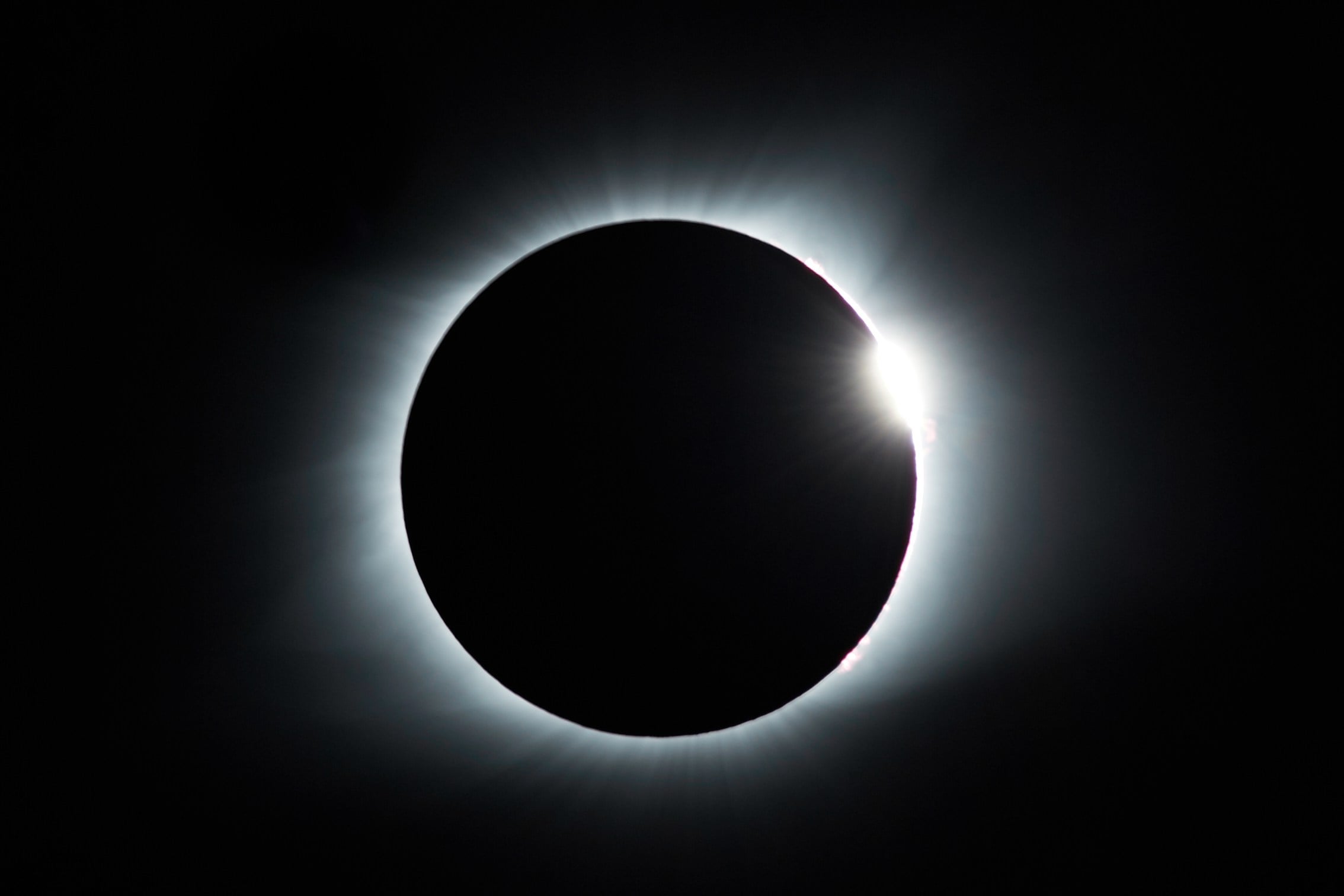
- Second Contact (C2): For those in the path of totality, this marks the beginning of totality. The last sliver of the Sun disappears, often creating "Baily’s Beads" (beads of sunlight shining through lunar valleys) and the "diamond ring" effect (a final bright point of sunlight resembling a diamond on a ring). This is the moment the Sun’s corona becomes visible. The duration of totality will vary by location, potentially lasting up to 2 minutes and 18 seconds in optimal viewing spots.
- Third Contact (C3): This signifies the end of totality. The Sun’s disc begins to reappear on the opposite side, once again creating the diamond ring effect and Baily’s Beads as the first rays of sunlight pierce through.
- Fourth Contact (C4): The Moon completely moves away from the Sun, and the eclipse concludes. The Sun returns to its full, normal appearance.
Given the late timing in France, observers will witness the partial eclipse unfold as the Sun descends, offering a potentially picturesque but challenging photographic scenario due to atmospheric scattering and light conditions. For those in the path of totality in Spain, Iceland, and Greenland, the full sequence of events, including the breathtaking corona, will be observable within a relatively short window, demanding precise timing for photography. Accurate local timings for each phase will be widely published by astronomical organizations closer to the date, and it is crucial for photographers to consult these resources to plan their shots effectively.
The Peril of Unprotected Photography: Why Your Smartphone Needs a Filter
The temptation to capture such a rare celestial event with a readily available smartphone camera is understandable. However, pointing any camera, including a smartphone, directly at the Sun without proper protection poses significant risks, both to the device’s sensitive components and, more critically, to human eyesight if viewing through the screen without proper precautions.
A smartphone camera’s lens functions much like a magnifying glass, concentrating incoming light onto its digital sensor. When aimed at the Sun, this lens focuses an intense flux of solar radiation, which includes not only visible light but also harmful infrared (IR) and ultraviolet (UV) rays. This concentrated energy generates extreme heat. The delicate internal components of the camera sensor, particularly the CMOS (Complementary Metal-Oxide-Semiconductor) chip, are highly susceptible to thermal damage. Prolonged exposure can lead to rapid overheating, resulting in burnt pixels, discoloration, permanent sensor malfunction, or even complete destruction of the imaging array. The risk is particularly pronounced for smartphones equipped with telephoto lenses, which are designed to gather and magnify light more effectively, thereby intensifying the destructive power of direct sunlight. While the aperture of a smartphone lens is generally smaller than that of a professional DSLR camera, which often requires even more robust protection, the risk of irreparable damage to the smartphone sensor is nonetheless substantial and should not be underestimated.
Beyond the hardware damage, attempting to photograph the Sun without a solar filter will invariably result in severely overexposed images. The Sun, even during a partial eclipse, is extraordinarily bright. Without attenuation, the camera sensor will be overwhelmed, rendering the image as a featureless, blown-out white disc, devoid of any detail of the lunar silhouette against the solar surface. This not only fails to capture the eclipse but also makes it impossible to discern the progression of the Moon across the Sun. Therefore, a specialized solar filter is not merely a recommendation but an absolute necessity for anyone hoping to successfully and safely photograph the 2026 solar eclipse with a smartphone.
Navigating the Filter Landscape: Choosing the Right Protection
Selecting the correct solar filter is paramount for both equipment safety and photographic success. Not all filters are created equal, and using an inappropriate filter can be as dangerous as using none at all. The primary purpose of a solar filter is to drastically reduce the intensity of all types of solar radiation – visible light, UV, and IR – to levels that are safe for viewing and photography.
The most critical aspect when choosing a solar filter is its certification. Look for filters that explicitly state compliance with ISO 12312-2, the international safety standard for products designed for direct observation of the Sun. Alternatively, filters bearing the designation ND 5.0 or OD 5.0 are also acceptable. This optical density rating signifies that the filter blocks more than 99.999% of harmful visible light and invisible radiation. These standards are crucial because they guarantee the filter provides adequate protection against the full spectrum of solar radiation that can damage sensors and eyes.
It is vital to distinguish these specialized solar filters from standard photographic Neutral Density (ND) filters, such as an ND1000. While an ND1000 filter significantly reduces visible light, it is not designed to block the intense UV and IR radiation emitted by the Sun to the same safe degree as an ISO 12312-2 certified filter. Using a standard ND filter for solar photography is insufficient and highly dangerous for camera sensors and, if used for direct viewing, for human eyes.
Solar filters for smartphones come in various formats, designed for convenience and adaptability:
- Adhesive or Clip-on Filters: These are often small, circular filters designed to stick directly onto the phone’s camera module or clip onto the edge of the device, aligning with the lens. They are practical for ensuring consistent coverage of the active lens. Some kits may include multiple filters to accommodate multi-lens smartphone systems.
- Handheld Filters: These are typically larger sheets or framed filters that you hold manually in front of your smartphone camera. While offering flexibility, they require a steady hand to maintain proper alignment and prevent light leaks around the edges.
When considering options, look for products described as "solar eclipse filters" or "solar observation filters" that clearly state the ISO 12312-2 or ND 5.0 certification. An example of such a product type, as referenced in prior discussions, is a filter like the K&F Concept ND1000000, which corresponds to the OD 5.0 requirement. Many manufacturers offer kits that include not only camera filters but also certified eclipse glasses for personal eye protection, ensuring comprehensive safety for the entire viewing experience. Always inspect your filter for any scratches, pinholes, or damage before use, as even tiny imperfections can compromise its protective capabilities.
Mastering Eclipse Photography: Best Practices for Smartphones
Capturing a truly remarkable image of the 2026 solar eclipse with your smartphone requires more than just the right filter; it demands thoughtful technique and preparation.
-
Stability is Key: The Indispensable Tripod
Given the low light conditions during an eclipse, especially with the Sun low on the horizon in France, and the need for precision when zooming, a tripod is virtually mandatory. Any slight movement of the hand will result in a blurry image, particularly when magnified. A stable tripod ensures sharp, clear photos, allowing you to focus on composition and exposure without worrying about camera shake. Consider a compact, flexible tripod designed for smartphones, or an adapter to mount your phone on a standard camera tripod. -
Lens Selection and Coverage: Identify Your Active Lens
Modern smartphones are equipped with multiple camera lenses – wide-angle, ultra-wide, telephoto, and macro. Your phone’s camera application often automatically switches between these lenses as you zoom. It is absolutely critical to ensure that your solar filter completely covers the specific lens that is actively being used by the camera app to photograph the Sun. If the filter only covers one lens, but the app switches to an unprotected lens, your sensor remains vulnerable, and your photo will be ruined. Test this thoroughly before the eclipse by zooming in and out while observing which lens is engaged, and then position your filter accordingly. -
Manual Camera Controls: Take Charge of Your Exposure
While smartphone cameras are highly automated, using manual controls (if available in your camera app or a third-party app) can significantly improve your eclipse photos. Set your ISO to its lowest possible value (e.g., ISO 50 or 100) to minimize noise. Experiment with shutter speeds to find the optimal exposure that renders the filtered Sun with detail rather than as a bright blob. Autofocus can struggle with the filtered, dimly lit Sun; switch to manual focus and set it to infinity, or carefully focus on the sharp edge of the solar disc. -
Burst Mode and Timed Shots: Don’t Miss a Moment
The eclipse is a dynamic event. Utilize your phone’s burst mode to capture a rapid sequence of images, increasing your chances of getting a perfectly sharp and exposed shot. Alternatively, for time-lapse sequences, consider using a timed intervalometer function if your app supports it, capturing the entire progression of the eclipse. -
The Totality Protocol: A Crucial Exception (Only for Total Eclipse Zones)
This is perhaps the most important safety and photographic tip for those fortunate enough to be within the path of a total solar eclipse. During the brief period of totality – when the Moon completely covers the Sun’s disc and the stunning corona becomes visible – it is safe to remove the solar filter. The light emitted by the corona is significantly dimmer than the direct Sun, allowing for its capture without a filter. However, this window is extremely short (often less than two minutes). You must be prepared to reapply the filter immediately once the first glimmers of sunlight, known as Baily’s Beads or the "diamond ring" effect, reappear at the end of totality. Failure to do so will expose your eyes and camera to dangerous direct sunlight. This rule applies only to zones of total eclipse; if you are experiencing a partial eclipse, the filter must remain on at all times. -
Post-Processing: Enhance Your Masterpiece
After the eclipse, minor adjustments in post-processing apps can further enhance your images. Adjusting contrast, sharpness, and perhaps a subtle tweak to color balance can bring out more detail in the Sun’s silhouette and any visible features on its surface.
Broader Implications and Public Engagement
Beyond the individual photographic endeavor, the August 12, 2026 solar eclipse carries significant broader implications across scientific, educational, and even economic spheres.
Scientific Research: Solar eclipses offer invaluable, albeit brief, opportunities for solar physicists to study the Sun’s corona, which is usually obscured by the overwhelming brightness of the solar disc. During totality, scientists can conduct experiments to analyze the corona’s structure, temperature, and dynamics, studying phenomena like solar flares and coronal mass ejections. Eclipses have also historically been used to validate theories, such as Einstein’s theory of general relativity, by observing the bending of starlight around the Sun. Observatories and research institutions in the path of totality will likely deploy specialized equipment to maximize data collection during this fleeting event.
Educational Outreach: Such a prominent celestial event serves as a powerful catalyst for science education and public engagement. Schools, planetariums, and science museums across Europe will undoubtedly host events, workshops, and viewing parties, inspiring a new generation’s interest in astronomy, physics, and scientific inquiry. It’s a tangible demonstration of cosmic mechanics that resonates with people of all ages.
Economic Impact: The path of totality is expected to draw significant numbers of "eclipse chasers" and tourists. Regions in northern Spain, Iceland, and Greenland anticipate a surge in tourism, leading to increased demand for accommodation, transport, and local services. This influx of visitors can provide a substantial boost to local economies, as seen in previous major eclipses worldwide. Planning for logistics, infrastructure, and public safety will be crucial for these host regions.
Public Safety Campaigns: Alongside the excitement, government agencies and astronomical societies will intensify public awareness campaigns regarding eye safety. It is critical to reiterate that directly viewing the Sun, even during a partial eclipse, without proper eye protection can cause permanent retinal damage, known as solar retinopathy. Certified eclipse glasses (also meeting the ISO 12312-2 standard) are essential for direct observation. These are distinct from camera filters but share the same fundamental safety requirements.
Accessibility and Inclusivity: For those not in the path of totality or facing adverse weather conditions, live streaming options from observatories and media outlets will ensure broad access to the event. This allows a global audience to experience the eclipse in real-time, fostering a shared sense of wonder and connecting communities through science.
The 2026 solar eclipse represents a unique blend of scientific marvel and photographic opportunity. By adhering to stringent safety guidelines, particularly regarding certified solar filters for smartphone cameras, and employing thoughtful photographic techniques, individuals can not only safeguard their devices but also capture stunning, memorable images of one of nature’s most spectacular displays. Preparation is paramount to ensure a safe and successful experience for all observers.