Vera Intan Clara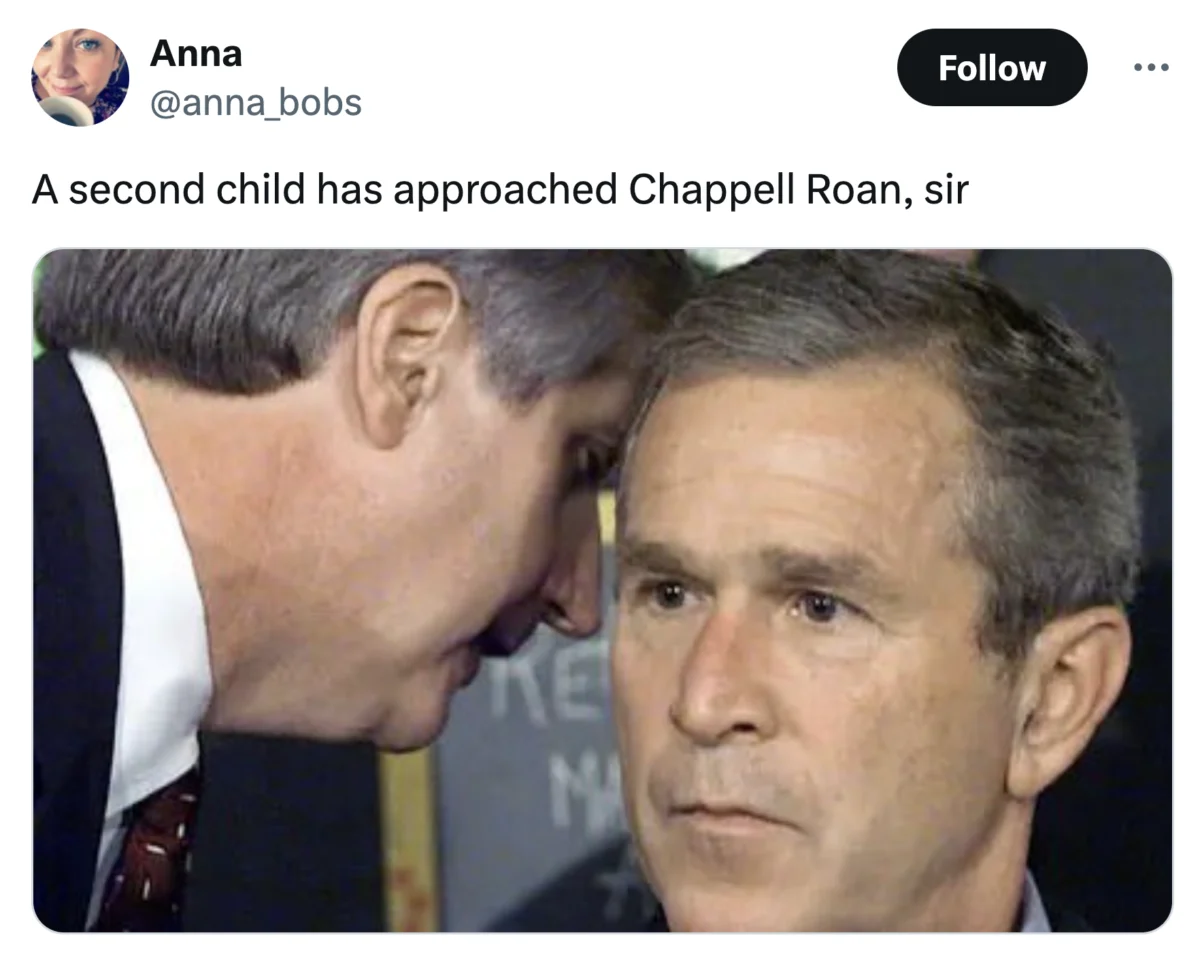
A recent incident involving pop sensation Chappell Roan, her security detail, and the stepdaughter of actor Jude Law has ignited a fervent online debate, leading to calls for "cancellation" and a surge of satirical memes. The controversy stems from an alleged aggressive interaction between Roan’s security guard and a young fan at a hotel breakfast, an event that quickly became amplified by Chappell Roan’s prior public statements regarding her views on parenthood and children. This confluence of events has propelled a nuanced discussion about celebrity privacy, fan interaction, the responsibilities of security personnel, and the rapid, often unforgiving, nature of social media narratives.
The Genesis of a Controversy: A Breakfast Encounter in Brazil
The incident unfolded during Chappell Roan’s stay in Brazil for Lollapalooza Brasil, a major international music festival that draws thousands of attendees and prominent artists. Hotels housing festival performers often become temporary hubs for both celebrities and their fans, creating an environment where spontaneous encounters are not uncommon. It was within this context that the alleged altercation took place, involving Ada, the stepdaughter of Brazilian soccer star Jorginho Frello and biological daughter of actor Jude Law, and her mother, singer Catherine Harding.
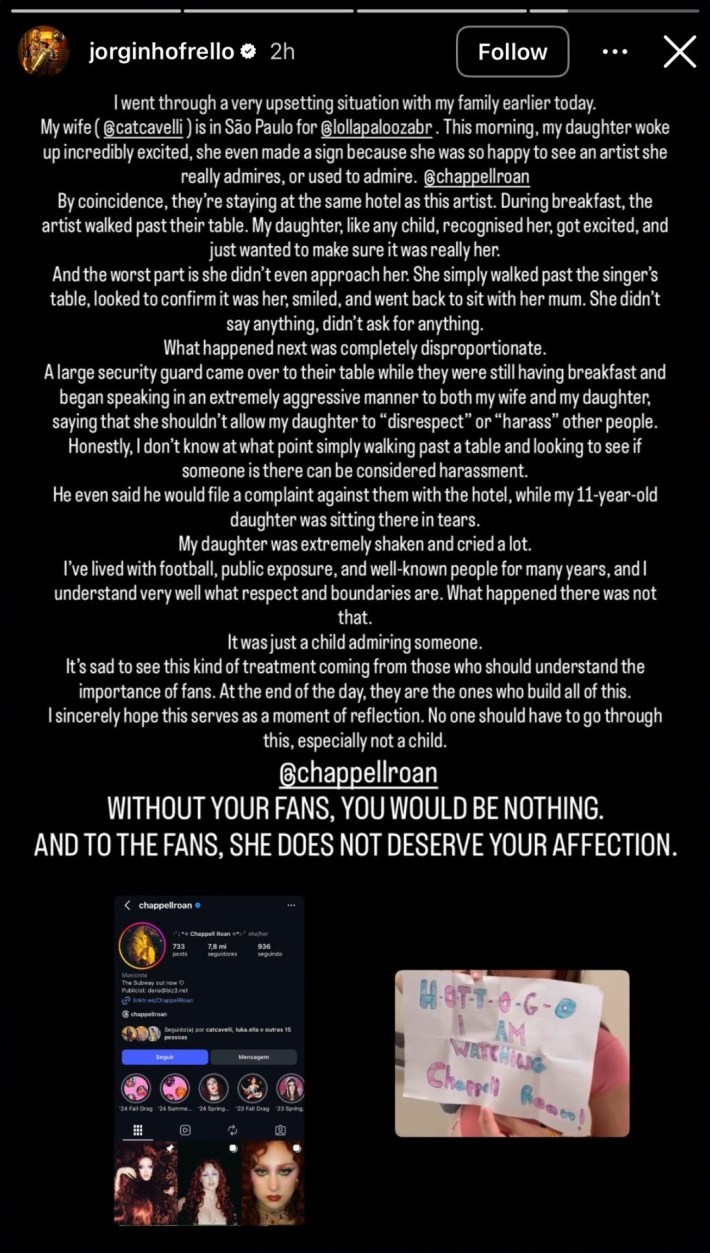
According to an Instagram story posted by Jorginho Frello, his stepdaughter, Ada, recognized Chappell Roan at breakfast. In what Frello described as a simple and respectful gesture, Ada "simply walked past the singer’s table" to confirm her identity and offered a smile. This seemingly innocuous act, however, reportedly triggered a disproportionate response from Chappell Roan’s security team. Frello detailed how a security guard approached their table and, in an "extremely aggressive manner," admonished Catherine Harding, stating that she should not permit her daughter to "disrespect" or "harass" other people.
Jorginho Frello, a well-known midfielder for Chelsea and the Brazilian national team, commanding a significant public platform, expressed his profound distress and anger over the incident. His public statement highlighted the "disproportionate" nature of the security guard’s reaction to a young fan whose behavior was characterized as entirely respectful. He concluded his impassioned post by emphasizing the vulnerability of children in such situations, stating, "No one should have to go through this, especially not a child." The immediate ripple effect of Frello’s account was substantial, quickly drawing widespread attention due to his celebrity status and the involvement of a child with a famous lineage.
Pre-Existing Perceptions and the Amplification Effect
The speed and intensity of the online reaction to Frello’s complaint were undoubtedly exacerbated by a pre-existing public perception surrounding Chappell Roan’s views on children. Months prior, in a podcast interview, Roan had remarked that she "didn’t know any happy parents," a statement that, while perhaps intended as a candid observation on the challenges of parenthood, was interpreted by some as dismissive or even disdainful of children and family life. This comment had already sparked a niche parenting discourse online, creating a latent narrative about her perspective on youth.
When Frello’s account surfaced, alleging an aggressive encounter between Roan’s security and a child, the two narratives merged explosively. The "happy parents" comment, previously a standalone anecdote, suddenly provided a perceived context for the breakfast incident, regardless of its factual connection. Online communities, particularly on platforms like X (formerly Twitter), quickly began to meme the idea of Chappell Roan harboring an inherent animosity towards children, humorously exaggerating the situation to create a caricature of the singer joyfully inflicting harm or distress upon young individuals. This pre-existing, albeit minor, controversy acted as kindling, igniting a much larger fire when the new allegations emerged.
Chappell Roan’s Swift Denial and Official Stance
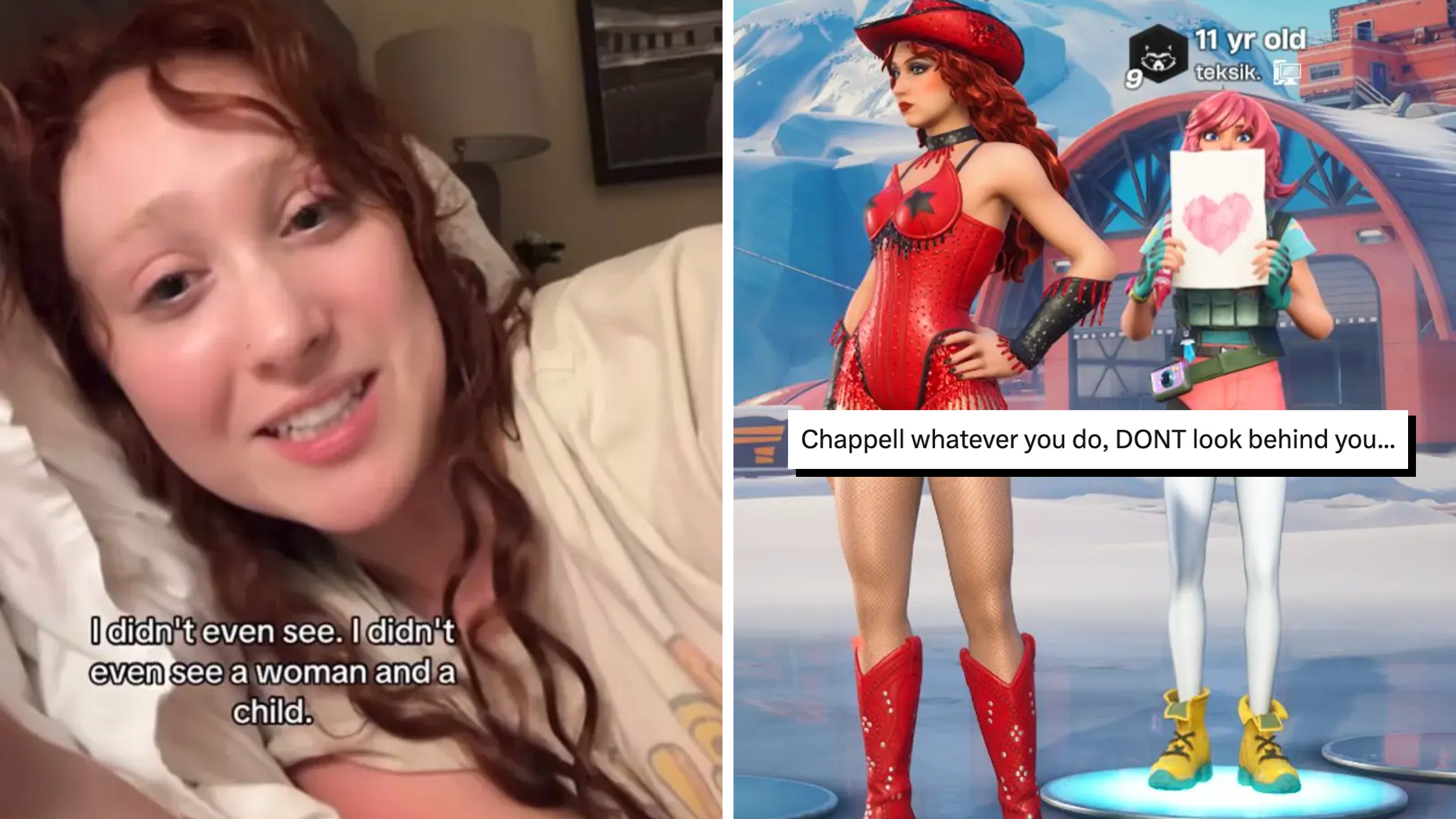
As the story gained viral traction and "cancel" calls escalated, Chappell Roan took to her own Instagram Story to address the allegations directly. Lying in a hotel bed, she conveyed her version of events with a sense of disbelief and regret. She explicitly denied witnessing the interaction between her security guard and Ada or her mother. "They did not come up to me. They weren’t doing anything," the singer stated, emphatically clarifying that she had not even seen the woman and child walk past her table, let alone directed her security to intervene.
Roan further expressed her disagreement with the security guard’s alleged actions, emphasizing that it was "unfair for security to just assume someone doesn’t have good intentions when they have no reason to believe, because there’s no action even taken." Her video statement sought to distance herself from the aggressive behavior, implying a lack of knowledge and approval of the guard’s conduct.
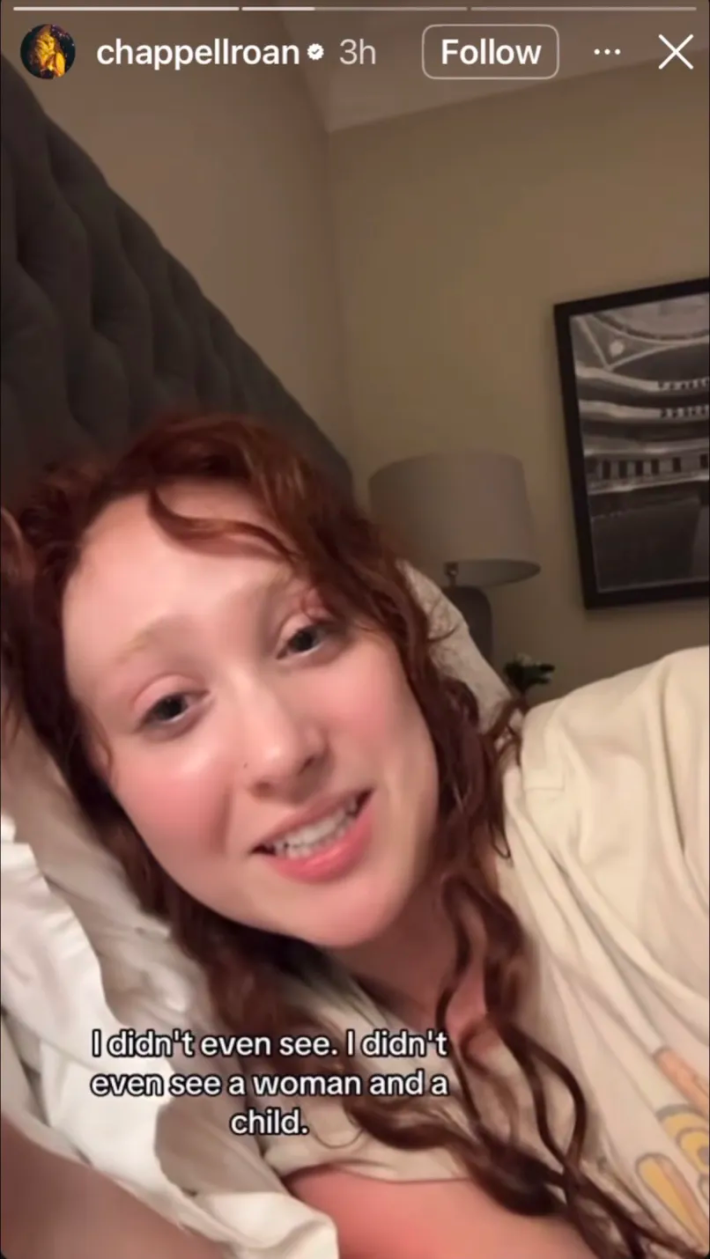
Following her personal statement, an official representative for Chappell Roan released a more formal statement on Monday, further clarifying the artist’s position. The statement reiterated, "Chappell was not aware of any interaction between this mother / daughter and a third party security office. She did not see them at breakfast in her hotel, as she said in her video. She did not direct her personal security or anyone on her team to interact with them." Crucially, the statement concluded by asserting Chappell Roan’s professional standards: "Chappell holds her own teams to the highest standards and has zero tolerance for any kind of aggressive behaviour towards her or her fans." This official response aimed to firmly establish her non-involvement and her commitment to a respectful environment for her fanbase.
The Memetic Aftermath: Dark Humor and Online Exaggeration
Despite Roan’s denials, the online momentum of the narrative, fueled by the prior "happy parents" comment, proved difficult to halt. Social media users, particularly on X, seized upon the controversy to create a torrent of memes that exaggerated and satirized the alleged incident. These memes often employed dark humor, depicting Chappell Roan in absurdly villainous scenarios involving children.
Examples abound:
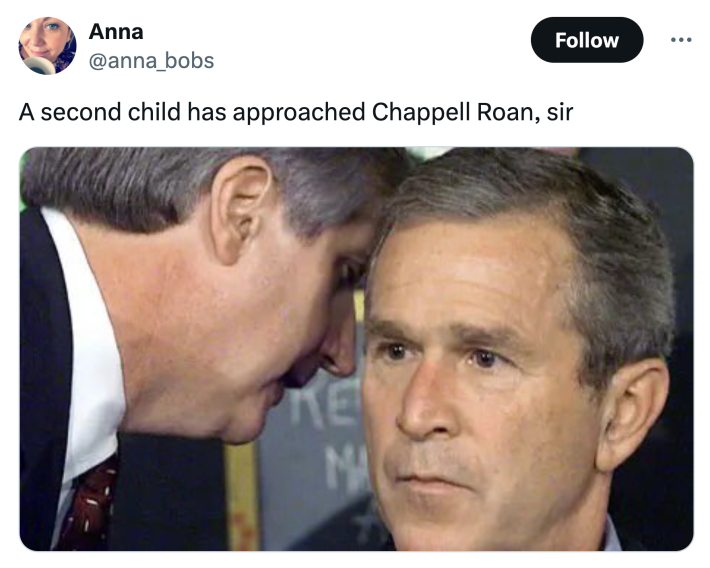
- One popular meme juxtaposed a tweet reading, "A second child has approached Chappell Roan, sir," with the iconic image of President Bush receiving news of the 9/11 attacks, implying a catastrophic level of alarm at the mere presence of a child.
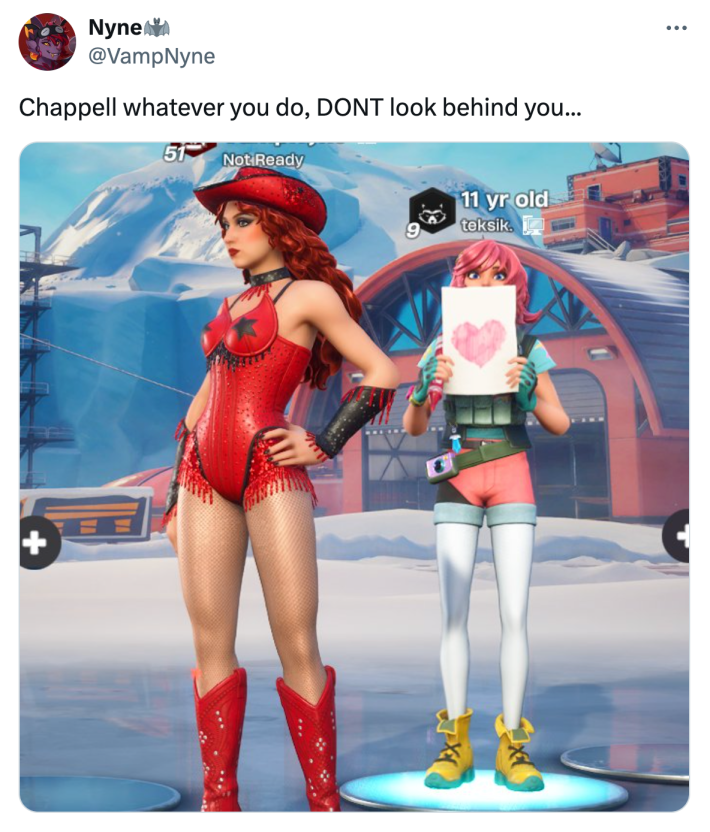
- Another tweet humorously warned, "Chappell whatever you do, DONT look behind you…" accompanied by an image depicting a Chappell Roan-like character being stalked by a smaller figure labeled "11 yr old" holding a heart sign, turning the innocent fan into a menacing threat.
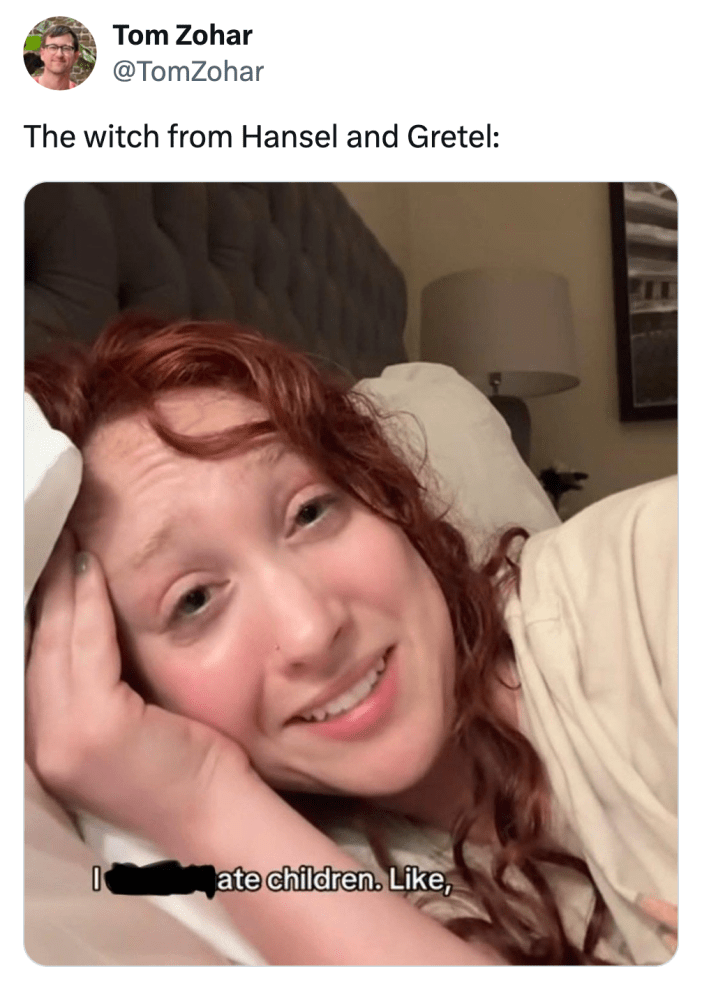
- A particularly biting meme showed a manipulated screenshot from Chappell Roan’s Instagram story, with the captions altered to read, "I ate children. Like," accompanied by the caption, "The witch from Hansel and Gretel:". This directly linked the singer to classic fairy tale antagonists known for harming children.
- Another user shared a video of a swim instructor playfully pushing a small child into a pool, humorously captioned, "Chappell Roan on the Titanic lifeboats," implying a disregard for children even in dire circumstances.
- Further memes depicted exaggerated scenes of violence, such as a BTS video of a fight scene with a burly man beating up a child-sized mannequin, captioned, "Child: OMG it’s Chappell Roan Security Guard:". This visually represented the perceived disproportionate aggression.
- One highly circulated meme featured a GIF of Anakin Skywalker from Star Wars going to kill the young Jedi padawans, captioned, "Chappell Roan’s security guard being sent to deal with some fans," hyperbolically portraying her security as ruthlessly hostile towards young admirers.
These memes, while comedic to some, underscore the potent ability of online culture to create and perpetuate a narrative, often divorcing it from the initial facts. They serve as a form of collective commentary, reflecting and amplifying public sentiment, regardless of the veracity of the underlying accusations. The sheer volume and creative nature of these memes illustrate how quickly a celebrity’s image can be reshaped and satirized in the digital age.
Broader Implications and Analysis
The Chappell Roan incident serves as a salient case study for several contemporary issues within celebrity culture and digital communication:
-
Celebrity Security Protocols and Fan Interaction: The incident highlights the perennial tension between a celebrity’s need for personal space and security, and the desire of fans for connection. Security personnel are tasked with protecting their clients, but the line between necessary protection and excessive aggression can be blurred, especially when dealing with young, enthusiastic fans. This event prompts a discussion on the training and discretion of security teams and the potential for miscommunication or overzealousness. While celebrities rely on security for safety, they also bear some responsibility for ensuring their teams operate within ethical and reasonable boundaries, particularly concerning fan interactions.
-
The Power of Pre-Existing Narratives: Chappell Roan’s earlier "happy parents" comment played a pivotal role in the rapid escalation and interpretation of the breakfast incident. It demonstrates how a single, seemingly minor statement can create a lasting public perception that heavily influences how future events are viewed. Even with direct denials, a pre-existing narrative can prove incredibly difficult to dislodge, as it offers a convenient and emotionally resonant framework for understanding new information.
-
The Nuances of Online "Cancel Culture": The immediate calls for Chappell Roan’s "cancellation" reflect the current climate where public figures are held to instant account for perceived transgressions. However, Roan’s swift denial and the subsequent official statement introduce complexity. It forces observers to consider whether "cancellation" is warranted when the celebrity denies involvement and expresses disagreement with the alleged actions. The incident underscores the challenge of discerning truth amidst rapid-fire accusations and defenses online, and the potential for premature judgment.
-
The Virality of Memes and Image Control: The memeification of the incident illustrates the double-edged sword of internet culture. While memes can be a powerful tool for engagement and humor, they can also solidify damaging narratives, often through exaggeration and caricature, making it exceedingly difficult for the subject to regain control of their public image. For Chappell Roan, an artist known for her playful and self-aware persona, the irony of being cast as a child-hating villain is particularly stark.
-
Parental Concerns and Celebrity Boundaries: From Jorginho Frello’s perspective, the incident was a matter of protecting his child from aggressive behavior. His public outcry resonated with many parents who empathize with the desire to shield their children from unnecessary distress. This perspective often clashes with the celebrity’s need for privacy and the security measures put in place to maintain it. The incident highlights the differing priorities and sensitivities involved when these worlds collide.
In conclusion, the Chappell Roan security incident is more than just a fleeting celebrity kerfuffle. It’s a microcosm of contemporary digital culture, illustrating the intricate interplay between celebrity persona, fan expectations, the role of security, and the formidable power of online narrative formation. As Chappell Roan continues her ascent in the pop music landscape, navigating such controversies will be an ongoing challenge, requiring careful management of her public image and a clear stance on the conduct of her team. The incident serves as a potent reminder of how quickly perception can become reality in the digital age, and the enduring impact of both words and actions, intended or otherwise.