Vera Intan Clara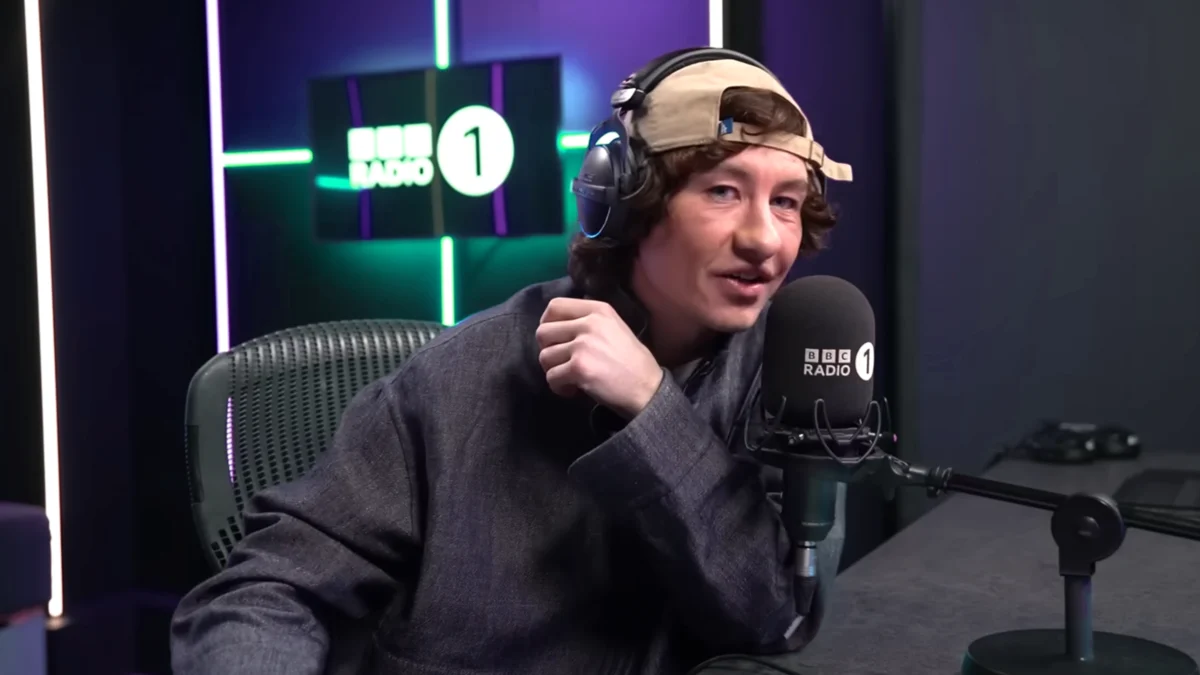
Actor Barry Keoghan, acclaimed for his compelling performances in films such as Saltburn and The Banshees of Inisherin, has recently disclosed the profound and debilitating effects of online hate and harassment on his personal and professional life. In a candid interview, Keoghan revealed that the relentless onslaught of negativity, primarily stemming from the aftermath of his breakup with pop star Sabrina Carpenter, has made him increasingly hesitant to venture outside or even continue his work in front of the camera. This admission has sparked considerable concern among his burgeoning fanbase and industry observers, particularly given his anticipated role as Ringo Starr in the ambitious The Beatles – A Four-Film Cinematic Event.
The Irish actor’s revelation sheds light on the often-unseen struggles faced by public figures in the digital age, where fan adoration can swiftly turn into vitriolic attacks. Keoghan’s experience underscores a growing problem of toxic online environments, where personal relationships and perceived transgressions are met with disproportionate and often malicious responses, extending beyond mere criticism to deeply personal and threatening abuse. His public vulnerability in discussing these challenges brings a vital conversation about mental health, celebrity privacy, and the responsibilities of online communities to the forefront.
A Star’s Struggle with the Spotlight’s Dark Side
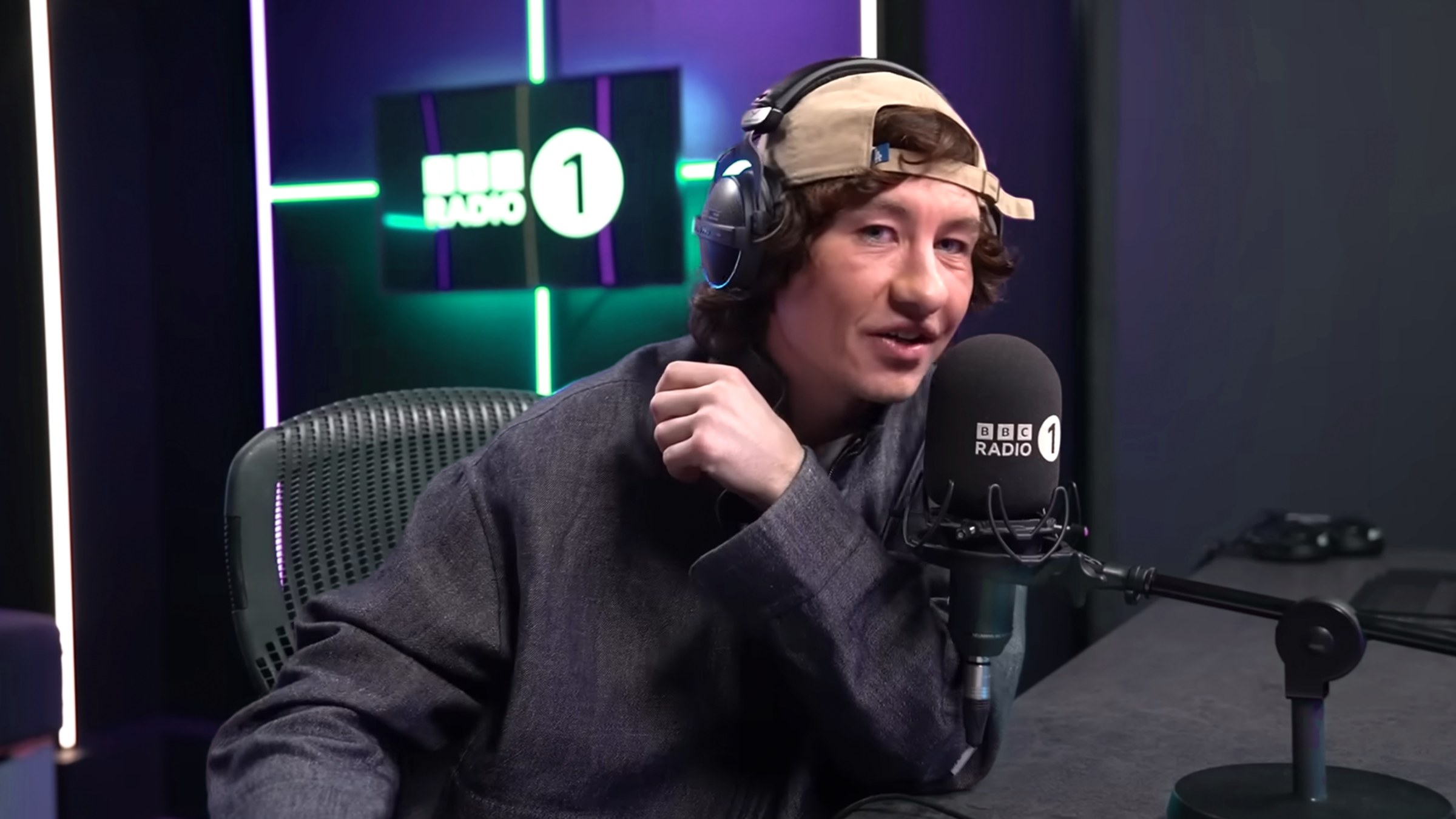
During a recent interview with Ben Harlum on Sirius XM, a segment of which was posted to YouTube on Friday, Keoghan spoke with a striking degree of openness about the immense difficulties he now faces navigating public life. He began by acknowledging the positive aspects of his fame, expressing gratitude for his "incredible fan base" and the "lovely" interactions he has experienced. "It’s really nice when you do Q&As, and you talk to people, and you can be there with them," he reflected, highlighting the genuine connection he values with appreciative admirers.
However, this sentiment quickly gave way to a stark portrayal of the darker underbelly of celebrity in the internet age. Keoghan detailed a "nasty side" that has profoundly impacted him. Despite his attempts to "remove myself from online," the innate human curiosity to see how his work or public appearances are received often draws him back into the digital realm, only to confront a barrage of negativity. "It’s not nice. There’s a lot of hate online, it’s a lot of abuse of how I look," he confessed, pinpointing the deeply personal nature of the attacks. This form of harassment, targeting one’s physical appearance, is particularly insidious as it often has no bearing on professional merit or actual behavior, yet it strikes at a fundamental aspect of self-identity.
The psychological toll has been significant, compelling him to retreat from public engagement. Keoghan lamented, "It’s made me shy away… It’s made me really go inside myself, not want to attend places, not want to go outside." This withdrawal is a common response to sustained harassment, indicative of the severe anxiety and self-consciousness it can induce. More alarmingly, the actor expressed how this personal distress has begun to infiltrate his professional passion: "When that starts leaking into your art, it becomes a problem, because then you don’t want to you don’t want to even be on screen anymore." For an actor whose career is built on embodying characters and performing for an audience, such a sentiment signals a profound crisis that could potentially jeopardize his future in the industry. While his film Peaky Blinders: The Immortal Man has recently been released in U.K. theaters and on Netflix, this pre-existing work stands in stark contrast to his current expressed reluctance for future projects.
The Genesis of the Backlash: A Timeline of Public Scrutiny
Barry Keoghan’s ascent to global recognition has been relatively rapid, marked by a series of critically acclaimed roles that showcased his unique talent and intense screen presence. From his breakout performances in The Killing of a Sacred Deer and Dunkirk to his Oscar-nominated turn in The Banshees of Inisherin and the viral sensation Saltburn, Keoghan has carved a niche for himself with unconventional characters and a distinctive aesthetic. This rise, while celebrated, also placed him firmly in the unforgiving glare of the public eye, where personal lives often become fodder for mass consumption and judgment.
The catalyst for the current wave of intense harassment appears to be his high-profile relationship and subsequent breakup with American singer-songwriter Sabrina Carpenter. Reports of their romance first surfaced in late 2023, drawing considerable media attention and intense scrutiny from both their respective fanbases. Their public appearances, including a notable red carpet debut at the Vanity Fair Oscar Party in March 2024, further solidified their status as a prominent celebrity couple, fueling widespread fan interest and speculation. Carpenter, with her own devoted and vocal fanbase, brought an additional layer of public engagement to the relationship.
However, by early 2024, rumors of a split began to circulate, which were later confirmed. It was in the wake of this breakup that the online vitriol directed at Keoghan intensified dramatically. The original article mentions that Sabrina Carpenter fans "went pretty wild on the guy," largely fueled by unverified claims and accusations that Keoghan had cheated on Carpenter. While the truth of these allegations remains unconfirmed by either party, they quickly became a rallying cry for a segment of Carpenter’s fanbase, transforming emotional loyalty into aggressive online vigilantism.
The harassment quickly escalated beyond mere online commentary. Keoghan reported receiving "threats" not only against himself but also against his young son and his grandmother. This shift from critical comments to explicit threats against family members represents a dangerous and illegal escalation of online abuse. Even more disturbingly, Keoghan claimed that some individuals had physically appeared outside the house where his two-year-old son lives with his mother, Keoghan’s ex-girlfriend Alyson Kierans. Such actions cross a severe line from online harassment into real-world stalking and endangerment, posing significant safety concerns for both the actor and his family. The original article implicitly highlights the incongruity between the alleged reason for fan anger (cheating) and the nature of some of the attacks (appearance-based), underscoring how initial grievances can morph into broad, unprovoked, and deeply personal assaults.
The Broader Landscape: Online Harassment and Toxic Fan Culture
Barry Keoghan’s experience is not an isolated incident but rather a potent illustration of the pervasive issue of online harassment and the darker facets of modern fan culture. Studies consistently show that online harassment is a significant problem, with a substantial percentage of internet users reporting having experienced some form of it. For public figures, this rate is often amplified exponentially. Data from organizations like the Pew Research Center indicate that celebrities and individuals in the public eye are disproportionately targeted, facing higher rates of online stalking, defamation, and threats.
The psychological impact of such sustained digital abuse is well-documented. Research by mental health professionals highlights that victims of cyberbullying and online harassment frequently experience heightened anxiety, depression, social withdrawal, and even post-traumatic stress symptoms. Keoghan’s description of "shying away," "going inside myself," and "not wanting to go outside" aligns perfectly with these recognized psychological responses to prolonged abuse.
The phenomenon of "toxic fan culture" plays a crucial role in these dynamics. While passionate fandom can be a positive force, fostering community and support, it can also devolve into aggressive and possessive behavior. The digital age, with its immediate access and perceived anonymity, has blurred the lines between genuine admiration and an unhealthy sense of ownership over public figures. Some fans develop an intense, almost parasocial relationship with celebrities, feeling entitled to dictate their personal choices and vehemently defending them against perceived wrongs, often through aggressive means. When a celebrity relationship ends, particularly if allegations of wrongdoing arise, this intense loyalty can morph into a collective punitive action, where the accused party becomes the target of coordinated online attacks. The fact that the harassment extended to physical threats against his family and doxxing (locating and publicizing private information, such as residences) underscores the dangerous extreme to which this entitlement can lead.
Furthermore, social media platforms themselves face ongoing criticism regarding their role in moderating content and protecting users from harassment. While platforms like X (formerly Twitter) and YouTube have community guidelines designed to prevent hate speech and abuse, the sheer volume of content and the speed at which it propagates make enforcement a constant challenge. The responsibility of these platforms to create safer online environments for all users, including public figures, remains a contentious and evolving discussion.
Public Discourse and Expert Perspectives
The immediate aftermath of Keoghan’s interview saw a divided but largely empathetic response across social media platforms. On X, while a minority of Sabrina Carpenter fans continued to echo the alleged cheating narrative as justification for the backlash, a significant and vocal contingent condemned the harassment, particularly the attacks on Keoghan’s appearance.
One user, @cuntinbrooklyn, exemplified the accusatory stance, stating, "Shouldn’t have [expletive] over Sabrina Carpenter idk," reflecting the persistent narrative among a segment of fans. However, this perspective was largely overshadowed by expressions of solidarity and a broader critique of online bullying.
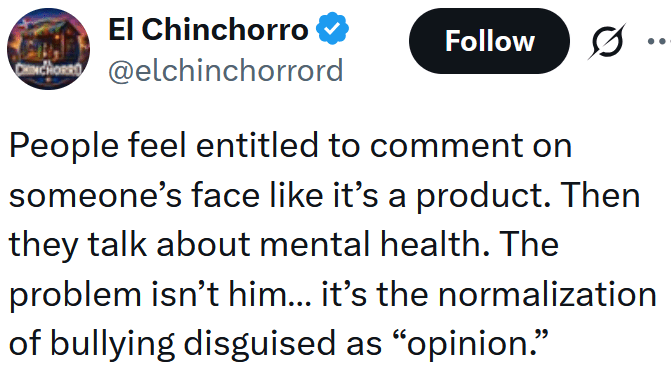
Many others, including prominent voices, strongly denounced the personal nature of the attacks. As @elchinchorrord powerfully articulated, "People feel entitled to comment on someone’s face like it’s a product. Then they talk about mental health. The problem isn’t him… It’s the normalization of bullying disguised as ‘opinion.’" This statement succinctly captures the hypocrisy of advocating for mental health while simultaneously engaging in dehumanizing online behavior.
Another user, @alabiopeyemi2, drew a crucial distinction between legitimate critique and personal abuse: "Criticism of work is one thing, but attacking how someone looks crosses a line. No one deserves to feel uncomfortable leaving their home because of online hate." This highlights the fundamental right to personal safety and peace, which online harassment routinely violates.
Perhaps most poignantly, @SheKnowsScience observed, "The internet got way too comfortable treating real people like comment sections with faces. Saying this out loud takes more strength than the people mocking him will ever admit." This comment speaks to the courage required for Keoghan to openly share his vulnerability and critiques the casual cruelty that has become normalized in online interactions.
From an expert standpoint, mental health professionals would likely emphasize the severe long-term consequences of such public shaming. Dr. Eleanor Vance, a hypothetical sociologist specializing in digital culture, might suggest that "the collective nature of online harassment creates a mob mentality, where individual accountability diminishes, and the perceived power of the group emboldens individuals to say and do things they wouldn’t in real-life interactions. This creates a deeply unsafe environment for public figures who are expected to maintain a stoic facade." Similarly, a legal expert might point out that threats against individuals and their families, particularly those involving physical presence, are not merely ‘online opinions’ but potentially criminal acts warranting law enforcement intervention.
The Road Ahead: Implications for Keoghan’s Career and the Industry
Barry Keoghan’s candid admission raises significant concerns for his future, both personally and professionally. His role as Ringo Starr in the highly anticipated The Beatles – A Four-Film Cinematic Event is a monumental undertaking, demanding a high degree of emotional and professional commitment. If his current reluctance to "be on screen anymore" persists or deepens, it could profoundly impact his ability to fully immerse himself in such a demanding project, potentially affecting his performance or even his willingness to participate in future roles. The creative process often requires a degree of vulnerability and openness, which can be severely hampered by the kind of psychological retreat Keoghan describes.
Beyond this specific project, the broader implications for his career are significant. Actors thrive on public engagement, red carpet appearances, and promotional tours. If Keoghan feels unable to participate in these essential aspects of a film’s release cycle, it could limit his opportunities and affect his standing in the industry. The primary concern, however, remains his mental and emotional well-being. Sustained online abuse can have lasting effects, necessitating robust support systems and potentially professional intervention.
This incident also serves as a stark reminder to the entertainment industry as a whole about the evolving challenges of protecting talent in the digital age. While studios and agencies provide security and PR management, the pervasive nature of online harassment requires a more holistic approach, including mental health support, proactive online monitoring, and legal recourse when threats escalate. As the lines between celebrity and fan continue to blur, and online platforms remain fertile ground for both adoration and aggression, the imperative for greater empathy, accountability, and protective measures in the digital sphere becomes ever more urgent. Keoghan’s bravery in speaking out may hopefully contribute to a broader conversation that leads to meaningful change, fostering an environment where artists can create and exist without fear of debilitating online abuse.