Chandra Wibowo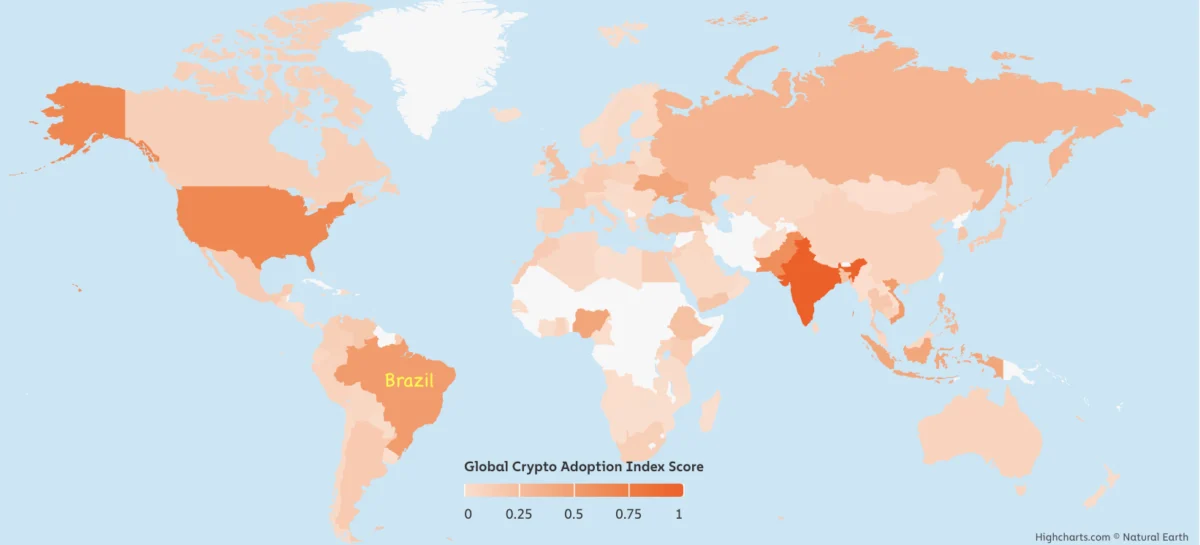
Brazil’s Finance Minister, Dario Durigan, has strategically decided to postpone the implementation of new cryptocurrency tax policies until after the country’s presidential elections in October 2026. This decision stems from a desire to avoid introducing potentially contentious tax reforms during a politically sensitive election year, aiming to prevent the crypto tax agenda from becoming a "divisive" issue. The move signals a cautious approach to fiscal policy in the lead-up to a significant electoral event, prioritizing political stability over immediate tax revenue generation from the burgeoning digital asset sector.
Originally, regulators and government officials had earmarked the latter half of the current year for a public consultation on the proposed crypto tax framework. However, sources close to the matter have indicated to Reuters that this consultation might be pushed back further, potentially into 2027. Despite this delay, the matter of cryptocurrency taxation "remains on the radar" of the Brazilian government, suggesting that significant changes are still anticipated, albeit on a revised timeline. This postponement acknowledges the dynamic nature of the cryptocurrency market and the potential for tax policy to impact public perception and economic activity, particularly during an election cycle.
The Brazilian government has already made significant strides in regulating and taxing cryptocurrency transactions. In June 2025, the country ended its previous policy of tax exemption for gains derived from smaller cryptocurrency sales or transfers. This marked a substantial shift towards a more comprehensive taxation regime, introducing a flat 17.5% tax on crypto capital gains. This new rate applies to profits realized from a wide array of crypto activities, including those conducted through offshore platforms and self-custodial wallets, underscoring a commitment to broadening the tax base and ensuring greater fiscal oversight.
Evolution of Brazil’s Crypto Tax Landscape
Prior to the June 2025 changes, Brazil offered a more lenient tax structure for smaller-scale crypto investors. Residents who engaged in monthly sales or transfers of cryptocurrencies valued at up to 35,000 Brazilian Reais (approximately $6,587 USD at the time) were exempt from capital gains taxes on any profits realized from these transactions. For those who exceeded this monthly threshold, progressive tax rates were applied, ranging from 15% to 22.5%, depending on the amount of profit generated. This previous system, while providing some relief, was seen as less comprehensive in capturing the full economic activity within the cryptocurrency space.
The shift in taxation policy reflects a broader trend among nations to integrate digital assets into their existing fiscal frameworks. The introduction of a flat tax rate aims to simplify compliance for taxpayers and provide greater predictability for tax revenue. However, the inclusion of offshore and self-custodial holdings signifies an effort to close potential loopholes and ensure that all crypto-related gains are subject to taxation, regardless of where or how they are managed.
Further regulatory developments occurred in November 2025, when the Banco Central do Brasil, the nation’s central bank, published new guidelines that have significant implications for stablecoin transactions. These rules stipulate that stablecoin transfers are to be treated as foreign currency exchanges. Consequently, they are now subject to the same tax laws and regulations that govern foreign exchange transactions, adding another layer of complexity and compliance requirements for users of stablecoins within Brazil. This classification aligns stablecoins with traditional financial instruments, indicating a move towards greater regulatory parity between fiat and digital currencies.
Expanding Tax Scrutiny to International Transactions
The Brazilian government is also actively exploring proposals to tax cryptocurrencies when they are utilized for international payments. This initiative signals a proactive stance in addressing the cross-border nature of cryptocurrency transactions and ensuring that these activities contribute to the national tax revenue. In tandem with this, Brazil is working to align its reporting rules with international standards, specifically the Crypto-Asset Reporting Framework (CARF). CARF is an initiative developed by the Organisation for Economic Co-operation and Development (OECD) to provide a global standard for the automatic exchange of tax information on crypto-asset transactions between tax authorities. By adhering to CARF, Brazil aims to enhance transparency and facilitate international cooperation in combating tax evasion related to digital assets.

The decision to temporarily halt discussions on new crypto tax policies comes at a time when Brazil is experiencing a remarkable surge in cryptocurrency adoption. The sector is witnessing robust growth, with a significant portion of the population engaging with digital currencies. This rapid adoption presents both opportunities and challenges for policymakers, who must balance the need for fiscal regulation with the potential to stifle innovation and economic growth. The government’s cautious approach suggests an awareness of the delicate equilibrium required to navigate this evolving financial landscape.
Brazil’s Leading Position in Global Crypto Adoption
Brazil’s prominence in the global cryptocurrency arena is underscored by its impressive ranking on Chainalysis’s Global Crypto Adoption Index. The country currently holds the fifth position worldwide, a testament to the widespread embrace of digital assets by its population. Within the Latin America region, Brazil stands as the undisputed leader in crypto adoption, highlighting its significant influence and pioneering role in the continent’s digital economy.
The demographic profile of Brazil further contextualizes this high adoption rate. With a population exceeding 213 million people and a median age of 33.5 years, the country boasts a relatively young and tech-savvy populace, which is generally more receptive to new technologies like cryptocurrencies. Furthermore, over 91% of the population resides in urban areas, according to data from Worldometer. This high urbanization rate facilitates access to technology and digital services, contributing to the rapid spread of cryptocurrency adoption across the nation.
The growth trajectory of cryptocurrency adoption in Latin America, as reported by Chainalysis, is particularly striking. In 2025, the region witnessed a 63% increase in crypto adoption, a figure that reflects a broad-based surge across both retail and institutional segments. This regional trend provides a fertile ground for Brazil’s continued engagement with digital assets, making the government’s approach to taxation a matter of significant interest to both domestic and international stakeholders.
Analysis of Implications and Future Outlook
The decision to delay the public consultation on crypto tax policy until after the 2026 elections carries several significant implications. Firstly, it provides a period of regulatory certainty for crypto businesses and investors operating in Brazil, allowing them to plan and operate without the immediate threat of new, potentially disruptive tax laws. This can foster continued investment and innovation within the crypto ecosystem.
Secondly, it allows the government to observe the evolving landscape of cryptocurrency regulation internationally and domestically before finalizing its own framework. As other countries continue to refine their approaches to taxing digital assets, Brazil can learn from their successes and challenges, potentially leading to a more robust and effective policy. The alignment with CARF, for instance, suggests a long-term strategy to integrate with global standards, which will be easier to implement once the immediate political pressures of an election year have subsided.
However, the delay also means that potential tax revenues that could have been generated from a more immediate implementation of comprehensive crypto taxes will be deferred. This might be a calculated trade-off for the government, prioritizing electoral stability and a more considered policy development process over short-term fiscal gains.
The Brazilian government’s current stance reflects a nuanced understanding of the cryptocurrency market. By acknowledging the rapid adoption and economic significance of digital assets, while also seeking to ensure fair taxation and regulatory compliance, Brazil is charting a course that balances innovation with fiscal responsibility. The eventual implementation of new crypto tax policies, likely post-2026, will be closely watched as Brazil continues to solidify its position as a key player in the global digital economy. The government’s commitment to aligning with international frameworks like CARF also signals a desire to be a responsible global citizen in the digital asset space, contributing to a more transparent and secure international financial system. The coming years will undoubtedly bring further developments as Brazil navigates the complexities of regulating and taxing this rapidly evolving sector.