Evan Lee Salim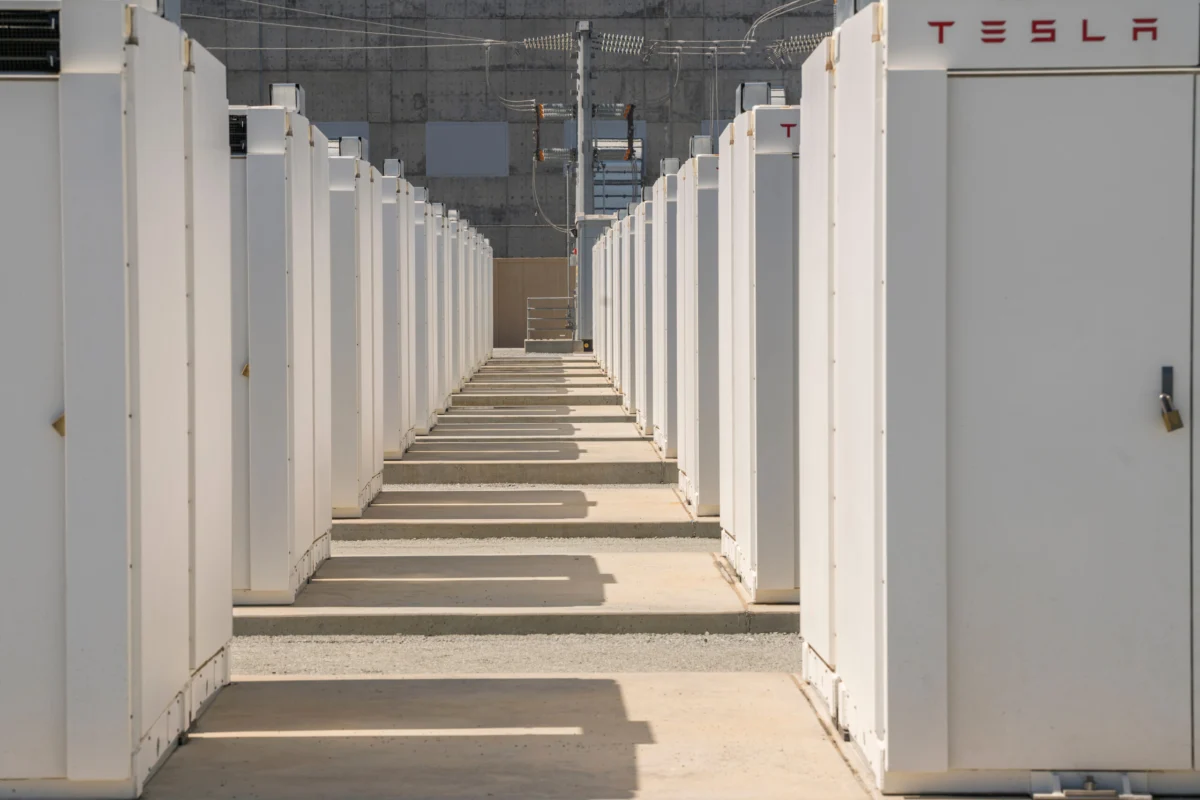
SpaceX has significantly escalated its investment in Tesla Megapack battery energy storage systems, spending an additional $295 million on the industrial-scale devices during the second quarter of 2026, bringing its year-to-date total to $329 million. This substantial outlay, detailed in the company’s recent earnings report released on Tuesday, August 4, 2026, highlights the increasingly intertwined nature of Elon Musk’s formidable technological empire, where inter-company transactions are becoming a hallmark of strategic growth and vertical integration across his ventures.
The escalating purchases underscore a calculated move by SpaceX to fortify the power infrastructure supporting its rapidly expanding artificial intelligence operations, primarily through its recently acquired subsidiary, xAI. These high-capacity battery units are critical for ensuring the stability, efficiency, and reliability of the advanced data centers that fuel xAI’s ambitious AI research and development initiatives. The financial disclosure reveals a clear pattern of strategic investment aimed at building out the foundational energy backbone required for cutting-edge AI compute, an endeavor that demands unprecedented levels of consistent and flexible power delivery.
The Strategic Nexus: Elon Musk’s Interconnected Empire
Elon Musk, who serves as CEO and the largest shareholder of SpaceX, also leads Tesla, the pioneering electric vehicle and energy storage giant. This dual leadership has fostered an environment where his various enterprises frequently leverage each other’s technological advancements and manufacturing capabilities. The current wave of Megapack acquisitions is the latest and most significant manifestation of this synergy, illustrating a deliberate strategy to create a self-sustaining ecosystem of innovation and infrastructure. This intricate web of interconnected companies extends further to include X, the social media platform acquired by Musk’s artificial intelligence business, xAI, in 2025. This was followed by a pivotal corporate restructuring earlier this year, when SpaceX itself absorbed xAI, effectively bringing the AI firm under the umbrella of Musk’s space exploration and satellite internet behemoth.
The integration of xAI into SpaceX signifies a strategic pivot, positioning the combined entity to drive advancements in artificial general intelligence (AGI) while simultaneously supporting SpaceX’s broader missions, including Starlink and future space colonization efforts. The power demands of such sophisticated AI operations are immense, necessitating robust and resilient energy solutions that can keep pace with the exponential growth in computational power. Tesla Megapacks, designed for large-scale grid and industrial applications, are uniquely positioned to meet these exacting requirements, offering a seamless, vertically integrated solution from within Musk’s own portfolio of companies.
A Deep Dive into Megapack Deployment for AI Data Centers
The industrial-scale batteries are almost certainly destined for deployment at SpaceX’s xAI data centers, including those supporting the colossal "Colossus" project and other burgeoning AI infrastructure. Prior to its merger with SpaceX, xAI had already demonstrated a significant commitment to Tesla’s energy solutions, having purchased a substantial $430 million worth of Megapacks for its data centers. This initial investment laid the groundwork for the subsequent, even larger procurement waves. In the first quarter of this year, xAI had acquired $34 million worth of the equipment, a figure that has now dramatically surged with SpaceX’s second-quarter spending. The accelerated pace of these acquisitions signals an urgent need to scale up energy storage capacity in tandem with xAI’s rapid expansion and increasing computational load.
While xAI has notably leaned on natural gas to power some of its data centers, including the controversial deployment of dozens of unpermitted turbines at a site in Mississippi, large battery energy storage systems like the Megapack remain a critical and complementary component of modern data center infrastructure. The reliance on natural gas, while providing immediate power generation, presents environmental and regulatory challenges, particularly with reports of unpermitted installations. However, the integration of Megapacks offers a sophisticated hybrid solution, addressing several key operational imperatives that even robust gas turbine arrays cannot fully satisfy on their own.
The Indispensable Role of Batteries in AI Infrastructure
AI data centers exhibit highly variable power consumption patterns. The demands of training complex AI models and running inference workloads are not consistent; rather, their power draw ramps up and down dynamically. This fluctuating demand creates significant challenges for traditional power grids and even on-site generators, which struggle to respond instantaneously to sudden spikes in energy requirements. These peaks can lead to substantial charges from local utilities, often incurring demand charges that far exceed the cost of baseline energy consumption. Moreover, rapid power fluctuations can stress and potentially overwhelm on-site generators, compromising operational stability.
This is where large-scale battery systems like the Tesla Megapack become indispensable. They serve multiple critical functions:
-
Instantaneous Backup Power: Megapacks can provide substantial backup power, activating in a second or less to bridge any gaps in primary power supply. This near-instantaneous response is crucial for maintaining the continuous operation of highly sensitive AI compute clusters, where even momentary interruptions can lead to data corruption, loss of progress in model training, or significant operational downtime. The sheer scale of AI training often means months of continuous computation, making uninterrupted power paramount.
-
Peak Shaving and Load Leveling: Batteries excel at "peak shaving," storing energy during periods of low demand or lower electricity prices and discharging it during peak demand periods. This capability allows data centers to draw a more consistent, lower baseline power from the grid or on-site generators, significantly reducing peak demand charges and overall electricity costs. By smoothing out these power peaks, Megapacks ensure that the data center can operate consistently without incurring exorbitant utility penalties or over-taxing its primary power sources.
-
Enhanced Power Quality and Stability: AI workloads, particularly those involving high-performance graphics processing units (GPUs), require extremely stable and clean power. Batteries can act as a buffer, filtering out minor grid fluctuations and ensuring a consistent voltage and frequency supply to sensitive equipment. This improved power quality extends the lifespan of expensive AI hardware and prevents performance degradation.
-
Optimizing Generator Performance: Even with on-site natural gas turbines, Megapacks improve efficiency. Generators operate most efficiently at a steady load. Batteries can absorb power when generation exceeds immediate demand and supply power when demand temporarily outstrips generation, allowing the gas turbines to run at their optimal, most fuel-efficient levels, thereby reducing fuel consumption and emissions per unit of energy produced.
-
Future-Proofing for Renewable Integration: While xAI currently relies on natural gas, the integration of large-scale battery storage is a foundational step towards incorporating renewable energy sources like solar and wind power in the future. Megapacks can store intermittent renewable energy when it’s available and discharge it when needed, enabling a transition towards a more sustainable energy mix for data centers. This strategic foresight aligns with broader global trends towards decarbonization and could offer a pathway for xAI to address its environmental footprint more comprehensively in the long term.
Timeline of Strategic Acquisitions and Investments
The current wave of Megapack purchases is part of a broader, carefully orchestrated series of strategic moves by Elon Musk to consolidate and vertically integrate his technological ventures:
-
2025: xAI Acquires X: In a significant move, Elon Musk’s nascent artificial intelligence company, xAI, acquired the social media platform X (formerly Twitter). This acquisition provided xAI with vast datasets critical for training its large language models and offered a direct user interface for future AI applications, creating a powerful feedback loop for development and deployment.
-
Late 2025: Cybertruck Acquisitions: As of December 2025, SpaceX had already diversified its internal fleet and logistics capabilities by acquiring $131 million worth of Tesla Cybertrucks at manufacturer’s suggested retail price. This investment not only showcased another instance of inter-company synergy but also provided SpaceX with robust, electric vehicles suitable for its demanding operational environments, from rocket launch sites to data center construction zones.
-
Early 2026: SpaceX Acquires xAI: In a pivotal corporate maneuver, SpaceX absorbed xAI. This acquisition brought xAI’s advanced AI research and its substantial data center infrastructure directly under the operational and financial purview of SpaceX, streamlining resource allocation and accelerating the development of AI capabilities crucial for SpaceX’s complex engineering challenges and ambitious long-term goals. This merger was seen by analysts as a strategic move to centralize AI development within Musk’s most capital-intensive enterprise, leveraging SpaceX’s engineering talent and financial muscle.
-
Pre-Merger xAI Megapack Purchases: Before its full integration into SpaceX, xAI had already made significant commitments to Tesla Energy, purchasing $430 million worth of Megapacks for its nascent data centers. This demonstrated an early understanding of the critical role of robust energy storage for AI.
-
Q1 2026 xAI (under SpaceX) Megapack Purchases: Following the merger, xAI continued its investment, with $34 million worth of equipment purchased in the first quarter of 2026, indicating continued expansion.
-
Q2 2026 SpaceX Megapack Purchases: The latest filing reveals a dramatic acceleration, with SpaceX spending $295 million on Megapacks in the second quarter, bringing the year-to-date total to $329 million. This surge signifies an urgent and large-scale expansion of energy storage capacity to meet the escalating demands of xAI’s rapidly evolving AI projects.
Broader Market Context and Implications
The aggressive procurement of Tesla Megapacks by SpaceX unfolds against a backdrop of explosive growth in both the AI sector and the global battery energy storage market. The demand for AI computing power is skyrocketing, driving the construction of mega-scale data centers that require unprecedented amounts of electricity. This growth puts immense pressure on existing grid infrastructure and necessitates innovative solutions for power generation, distribution, and storage.
The global battery energy storage system (BESS) market is projected to reach hundreds of billions of dollars in the coming decade, driven by the increasing integration of renewable energy, grid modernization efforts, and the growing energy needs of industrial consumers like data centers. Tesla Energy, with its Megapack and Powerwall solutions, is a leading player in this burgeoning market. SpaceX’s significant purchases not only represent a major revenue stream for Tesla Energy but also validate the critical importance of large-scale battery storage for highly demanding, mission-critical applications.
Analysis of Implications:
-
Strengthened Vertical Integration: These transactions cement the vertical integration strategy across Elon Musk’s companies. By procuring energy solutions from Tesla, SpaceX (and by extension xAI) gains a secure, reliable, and potentially cost-optimized supply chain for a critical component of its infrastructure. This reduces reliance on external vendors, allows for tighter integration of technologies, and can accelerate deployment timelines.
-
Strategic Advantage for xAI: The robust energy infrastructure provided by Megapacks offers a significant strategic advantage to xAI. By ensuring stable, high-quality power and mitigating peak demand costs, xAI can dedicate more resources to actual AI research and development, operate its models more efficiently, and maintain a competitive edge in the race for AI supremacy. Uninterrupted power is not merely a convenience but a prerequisite for breakthroughs in large-scale AI training.
-
Reinforcing Tesla Energy’s Market Leadership: The massive orders from SpaceX underscore Tesla Energy’s position as a dominant force in the industrial energy storage market. These high-profile deployments serve as powerful case studies, demonstrating the Megapack’s capability to handle the most demanding energy requirements, thereby attracting other large industrial and utility customers.
-
Environmental and Regulatory Scrutiny: The dual approach of relying on natural gas turbines (some reportedly unpermitted) alongside advanced battery storage raises complex questions regarding environmental responsibility and regulatory compliance. While Megapacks offer a pathway to cleaner energy integration, their effectiveness in mitigating overall emissions depends on the primary energy source. Environmental advocacy groups and local regulatory bodies are likely to maintain scrutiny over xAI’s energy mix and infrastructure development, particularly concerning the permitting status of its gas turbines. This tension highlights the ongoing challenge of balancing rapid technological expansion with environmental stewardship.
-
Potential for Broader Economic Impact: The scale of these investments suggests a significant commitment to building long-term, resilient infrastructure. This could have broader economic implications, driving innovation in energy management systems, creating jobs in manufacturing and installation, and potentially influencing energy policy discussions regarding grid modernization and data center power requirements.
Inferred Statements and Reactions:
While specific public statements from SpaceX or Tesla on these internal transactions are typically limited to regulatory filings, the consistent pattern of inter-company dealings speaks volumes about a deliberate, unified strategy. Industry analysts, observing this trend, would likely characterize these moves as a clear demonstration of Elon Musk’s vision for a vertically integrated technological empire, where each component strengthens the whole. "This isn’t just about buying batteries; it’s about building a self-reliant, resilient ecosystem designed to accelerate innovation at an unprecedented pace," an unnamed industry analyst might comment, highlighting the strategic foresight behind these financial commitments.
From Tesla’s perspective, these orders represent a robust internal market for its energy division. A Tesla spokesperson, if prompted, might emphasize the growing demand for sustainable and reliable energy solutions, stating, "Our Megapack systems are engineered to meet the most rigorous demands of industrial applications, and their deployment across critical infrastructure, including advanced AI data centers, underscores their unmatched performance and reliability."
Conversely, environmental advocacy groups, while acknowledging the role of battery storage in grid modernization, would likely reiterate their concerns about the primary energy sources powering some of these large-scale AI operations. A representative from such a group might remark, "While battery storage is a crucial component of a clean energy future, it cannot entirely offset the emissions from fossil fuel-dependent power generation. We urge companies to prioritize fully renewable energy sources and ensure all infrastructure development adheres to strict environmental regulations."
Conclusion
SpaceX’s accelerated acquisition of Tesla Megapacks is more than just a financial transaction; it is a profound strategic declaration. It signifies a deepening commitment to xAI’s ambitious artificial intelligence agenda, undergirded by a robust and resilient energy infrastructure. This move further solidifies the intricate network of companies under Elon Musk’s purview, demonstrating a powerful model of vertical integration and inter-company synergy designed to propel innovation across space exploration, AI, and sustainable energy. As the AI race intensifies, ensuring a stable, efficient, and scalable power supply will be paramount, and these Megapack investments position SpaceX and xAI at the forefront of this critical technological frontier, even as they navigate the complex landscape of energy choices and environmental responsibility.