George Chandra Eka
Electronic Arts (EA), a titan in the video game industry, has officially transitioned from a publicly traded entity to a privately held company following the closure of a monumental $55 billion buyout. This landmark transaction, which finalized on Tuesday, marks the largest leveraged buyout in history, simultaneously placing a substantial $20 billion debt burden on the newly privatized publisher. The completion of the deal follows a period of anticipation and extensive regulatory reviews, culminating several months later than initially projected by the acquiring consortium.
The Acquisition Unpacked: A Strategic Shift for Electronic Arts
The definitive agreement for the acquisition of Electronic Arts was first announced in September, sending ripples through the global gaming and financial sectors. Shareholders of EA subsequently voted in favor of the deal a few months later, paving the way for the complex process of regulatory clearance and financial restructuring. The primary driver behind this colossal takeover is Saudi Arabia’s Public Investment Fund (PIF), which now holds a commanding stake of over 93 percent in the company. Complementing the PIF’s dominant position are private equity powerhouses Silver Lake and Affinity Partners, who also joined the consortium of new owners. Despite the change in ownership structure, the operational leadership remains consistent, with Andrew Wilson continuing his tenure as CEO. The company’s headquarters will also retain its long-standing location in Redwood City, California, signaling a commitment to continuity in core operations and corporate identity.
The financial architecture of this deal is particularly noteworthy due to its reliance on a staggering $20 billion in debt financing. This significant leverage means that a substantial portion of the acquisition cost will need to be serviced and eventually repaid by Electronic Arts itself over time. For context, in its most recent fiscal quarter ending June 30, EA reported a profit of $387 million after accounting for operating expenses and taxes. While a healthy profit, the new debt obligation introduces a formidable financial imperative for the company to maintain robust and consistent profitability for years to come. In a communication addressed to EA employees, CEO Andrew Wilson underscored the company’s unwavering commitment to its core mission: "building the world’s greatest games, communities, and creative culture." This message aims to reassure employees and potentially the wider gaming community that the strategic focus on game development and player experience will remain paramount despite the profound corporate restructuring.
A Chronology of the Landmark Deal
The path to EA’s privatization has been a methodical process spanning several months, punctuated by key milestones:
- September: The initial announcement of the proposed $55 billion acquisition of Electronic Arts is made, signaling the company’s intent to go private. The news immediately garners significant attention due to the scale of the transaction and the involvement of Saudi Arabia’s Public Investment Fund.
- Following Months: EA shareholders convene and cast their votes in favor of the acquisition, providing the necessary internal approval for the deal to proceed. This endorsement from the company’s ownership base was crucial for advancing the transaction.
- Throughout the Period: The acquisition proposal embarks on a rigorous journey through various international regulatory bodies. This included, notably, the European Union’s antitrust authorities, which granted their approval to the Saudi-led takeover after extensive review. Such clearances are standard for deals of this magnitude, designed to ensure fair competition and prevent monopolistic practices within the market. Other jurisdictions likely conducted similar assessments to ensure compliance with their respective competition laws.
- Last Week: Electronic Arts publicly confirms that all required regulatory hurdles had been successfully cleared, effectively removing the final significant barrier to the deal’s closure. This announcement set the stage for the finalization process.
- Tuesday: The $55 billion buyout officially closes, marking the formal transition of Electronic Arts into a privately held company. The closure, while anticipated, arrived several months beyond the initial estimates, reflecting the complexity and extensive nature of such a massive leveraged buyout.
Strategic Rationale Behind the Move: Why Go Private?
The decision for a company of EA’s stature to transition from public to private ownership is often multifaceted, driven by a blend of financial strategy, operational flexibility, and long-term vision. For Electronic Arts, shedding its public company status could offer several distinct advantages. Public companies are subject to intense quarterly scrutiny from investors, analysts, and the media, often leading to pressure for short-term financial performance. This can sometimes constrain creative risks or long-term investments that may not yield immediate returns but are crucial for sustained growth and innovation.
As a private entity, EA will be liberated from these quarterly reporting cycles and the associated market pressures. This newfound freedom could empower CEO Andrew Wilson and his team to pursue more ambitious, multi-year projects without the immediate need to satisfy public market expectations. This might include larger, more experimental game development initiatives, strategic acquisitions that might dilute short-term earnings, or significant investments in new technologies like cloud gaming or AI integration that have long gestation periods. The ability to make decisions with a longer time horizon, focusing on intrinsic value creation rather than fluctuating stock prices, is a compelling argument for going private. Furthermore, private ownership can streamline decision-making processes, allowing for greater agility and potentially faster execution of strategic initiatives.
The Role of Saudi Arabia’s Public Investment Fund: A Vision for Diversification
The involvement of Saudi Arabia’s Public Investment Fund (PIF) as the majority owner is a critical dimension of this acquisition, reflecting a broader strategic shift within the Kingdom. The PIF is the sovereign wealth fund of Saudi Arabia, established to diversify the country’s economy beyond its traditional reliance on oil, in line with Crown Prince Mohammed bin Salman’s Vision 2030. This ambitious national blueprint seeks to transform Saudi Arabia into a global investment powerhouse and a hub for technology, tourism, and entertainment.
In recent years, the PIF has aggressively expanded its portfolio, making significant investments in various global industries, particularly technology, entertainment, and gaming. Prior to the EA acquisition, the PIF had already made substantial inroads into the gaming sector, acquiring stakes in major companies such as Nintendo, Activision Blizzard, Take-Two Interactive, and Capcom. Its gaming subsidiary, Savvy Games Group, launched with a budget of $38 billion, aims to make Saudi Arabia a global center for gaming and esports. The acquisition of EA, a developer and publisher of some of the world’s most popular franchises like FIFA, Apex Legends, The Sims, and Battlefield, represents a colossal step in this strategy, giving the PIF direct control over a leading global entertainment content producer. This investment not only offers financial returns but also aligns with the broader goal of fostering domestic talent, developing the local gaming ecosystem, and enhancing Saudi Arabia’s soft power on the international stage.
Financial Implications and the Weight of Debt
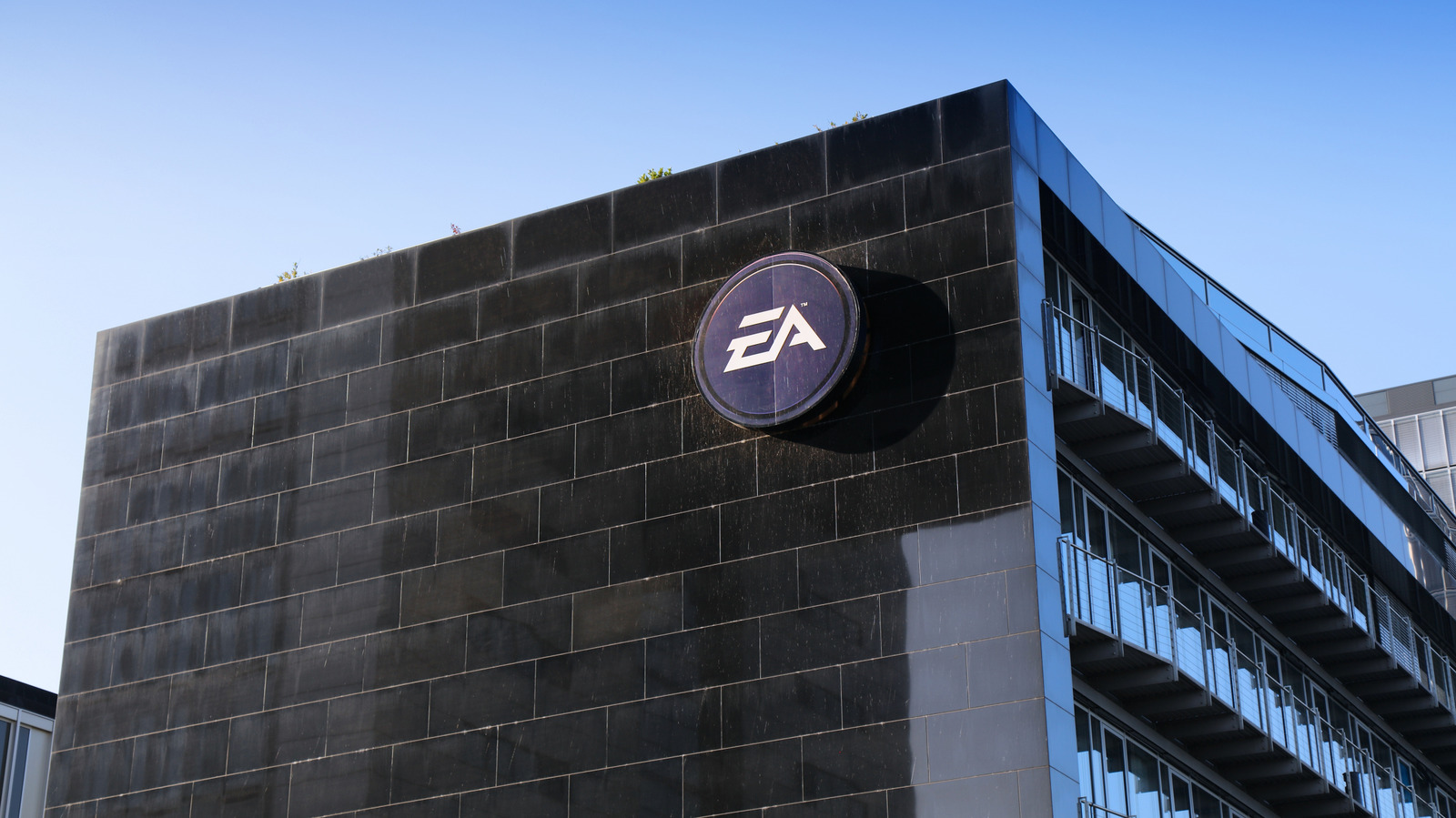
The $20 billion in debt financing is arguably one of the most significant and potentially challenging aspects of this privatization for Electronic Arts. Leveraged buyouts (LBOs) like this involve acquiring a company using a significant amount of borrowed money, with the acquired company’s assets often serving as collateral for the loans. The new, privately owned EA will now be responsible for servicing this massive debt, meaning a substantial portion of its future profits will be directed towards interest payments and principal repayment.
While the exact terms of the debt financing (interest rates, repayment schedule, type of debt instruments) have not been fully disclosed, such a large debt burden inherently introduces financial pressure. It necessitates consistent and robust cash flow generation. EA’s reported quarterly profit of $387 million, while strong, needs to be viewed in the context of potentially billions in annual debt servicing costs. This financial imperative could influence several aspects of EA’s operations:
- Investment in R&D and New Titles: While going private ostensibly allows for longer-term planning, the need to service debt might also temper extremely speculative or costly new game development projects, at least in the initial years. EA might prioritize proven franchises and reliable revenue generators to ensure stable cash flow.
- Acquisitions: Future acquisitions, a common growth strategy in the gaming industry, could become more challenging if EA’s balance sheet is heavily leveraged. Any major acquisition would likely need to be financed through additional debt or equity, further complicating the financial picture.
- Pricing Strategies: There could be an increased emphasis on maximizing revenue from existing titles through various monetization strategies, including in-game purchases, subscriptions, and new game pricing.
- Operational Efficiency: The company may pursue aggressive cost-cutting measures and seek greater operational efficiencies to free up capital for debt repayment.
Analysts will be closely watching EA’s financial performance in the coming quarters and years to assess how effectively it manages this debt. The success of the LBO will largely hinge on EA’s ability to sustain and grow its profitability while navigating the repayment schedule.
Leadership Continuity and Operational Outlook
Despite the dramatic shift in ownership, the continuity of leadership under CEO Andrew Wilson is a deliberate choice designed to ensure stability and capitalize on existing strategic direction. Wilson, who has led EA since 2013, possesses an intimate understanding of the company’s operations, its development studios, and its market position. His continued presence at the helm suggests that the new owners are confident in his ability to steer EA through this new chapter, balancing the demands of debt servicing with the imperative of creative excellence.
Wilson’s reiteration of EA’s commitment to "building the world’s greatest games, communities, and creative culture" in his letter to employees is crucial for internal morale and external perception. For employees, a change in ownership can often bring uncertainty. Assurances from leadership about strategic focus and cultural preservation are vital. For players, the concern often revolves around potential shifts in game quality, monetization practices, or franchise development. Maintaining the current leadership team and headquarters in Redwood City, California, helps project an image of stability and a continued focus on its established development ethos.
Broader Industry Context and Consolidation Trends
The privatization of Electronic Arts occurs within a broader landscape of intense consolidation and strategic maneuvering in the global video game industry. In recent years, the sector has witnessed a flurry of multi-billion-dollar acquisitions, driven by the increasing value of intellectual property, the growth of subscription services, and the fierce competition for player engagement. Microsoft’s acquisition of Activision Blizzard for nearly $69 billion, Sony’s acquisition of Bungie, and Tencent’s continuous investments in numerous studios worldwide are just a few examples of this trend.
This wave of M&A activity is fueled by several factors: the desire to expand content libraries, secure exclusive titles for platform ecosystems, capitalize on growing esports markets, and tap into the lucrative mobile gaming segment. For sovereign wealth funds like the PIF, the gaming industry represents a high-growth, resilient sector with global appeal, aligning perfectly with diversification strategies. The EA deal further solidifies the trend of major capital injections into gaming, highlighting its emergence as a mainstream entertainment powerhouse on par with film and music. The privatization of such a prominent player may also set a precedent or inspire similar moves by other gaming giants seeking to escape public market pressures or consolidate power under private ownership.
Stakeholder Reactions and Future Outlook
The privatization of Electronic Arts will undoubtedly elicit varied reactions from its diverse stakeholders. For investors, the $55 billion price tag represents a significant premium, offering a lucrative exit for shareholders. For employees, the immediate focus will be on job security and the company’s long-term vision under private ownership. Wilson’s emphasis on creative culture is designed to address these concerns directly.
For players, the implications are more speculative but equally important. Will the freedom from quarterly earnings calls lead to more innovative, less monetized-heavy games, or will the debt burden push EA towards more aggressive monetization strategies to ensure cash flow? The legacy of EA’s franchises, from sports simulations to action-adventure, is deeply intertwined with player expectations. The long-term success of the privatized EA will depend on its ability to balance financial obligations with its commitment to delivering high-quality, engaging interactive entertainment. The influence of the PIF also raises broader discussions about geopolitical investments in cultural industries and the ethical considerations associated with such ownership for some segments of the gaming community.
In conclusion, Electronic Arts’ transition to a privately held entity under the majority ownership of Saudi Arabia’s Public Investment Fund marks a pivotal moment in the company’s history and the wider gaming industry. While it promises greater operational flexibility and a long-term strategic outlook, the substantial $20 billion debt burden introduces a new layer of financial discipline. The coming years will reveal how EA navigates these new dynamics, striving to uphold its commitment to game development while fulfilling its significant financial obligations under its new, powerful ownership.