Vera Intan Clara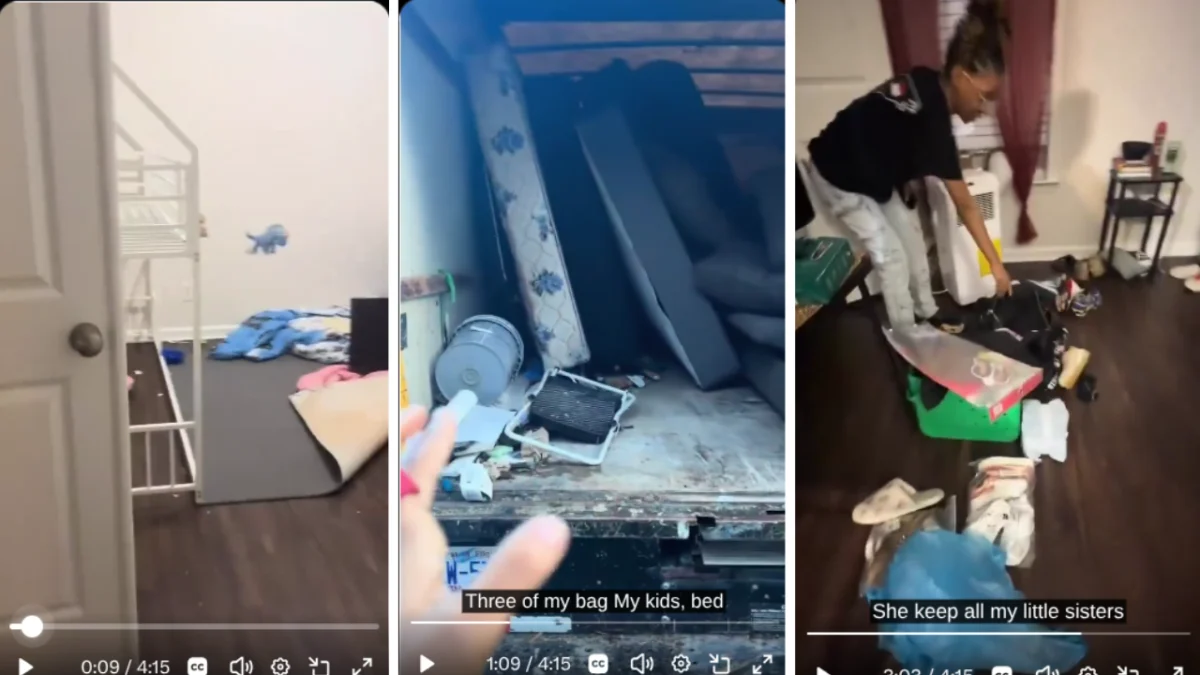
A woman’s anticipated return home for an evening of rest transformed into a harrowing ordeal when she discovered her apartment had been stripped of furniture and many of her personal belongings were either stolen or damaged, the result of what movers later admitted was a catastrophic case of mistaken identity. The distressing incident, which the woman documented in a widely shared video on X, unfolded as she confronted individuals actively removing her possessions, only to be informed that she was being evicted—a claim she vehemently denied and for which she had received no prior notification. The shocking revelation that her home had been ransacked and valuable items taken without legal justification has ignited a fierce public debate regarding tenant rights, moving company accountability, and the severe emotional and financial toll of such egregious errors.
A Nightmare Unfolds: The Initial Discovery
The events began when the tenant arrived at her residence, expecting the normalcy of her home, only to find an unwelcome and disorienting scene. Instead of the familiar comfort of her apartment, she was met with individuals in the process of dismantling her life, piece by piece. Her immediate confrontation with the movers yielded the astonishing declaration that she was being evicted. This pronouncement, delivered without any preceding legal notice or due process, instantly signaled a profound injustice. As the woman began to record the unfolding chaos, her voice, thick with disbelief and rising panic, captured the initial moments of what would become a viral testament to a severe breach of personal space and legal rights. The video quickly revealed the extent of the disarray: furniture gone, personal items scattered, and a palpable sense of violation permeating her once-secure dwelling.
Chronology of a Catastrophic Error
The timeline of this distressing event, pieced together from the tenant’s video account and subsequent admissions, paints a picture of cascading failures.
Initial Confrontation and Police Intervention: Upon discovering the unauthorized removal of her belongings, the woman immediately challenged the individuals present. Her quick thinking to begin recording captured the raw emotion and the initial responses from those involved. By the time the video footage commenced, law enforcement officers were already on the scene, indicating that the tenant had promptly contacted authorities to report what she perceived as a home invasion and illegal eviction. Two officers were visible within the now-desolate apartment, their presence underscoring the gravity of the situation and the immediate need for official intervention. The tenant’s voice, often breaking with tears, conveyed her profound distress as she navigated the wreckage of her home, documenting the extent of the damage.
Inventory of Loss and Damage: As the woman moved through her apartment with her camera, she meticulously cataloged the devastation. In what appeared to be a child’s bedroom, hangers hung empty, and bunk bed mattresses had been removed, leaving behind a stark, hollow space. Her emotional plea, "Like what? Y’all rummaged through my stuff, bro," encapsulated her outrage at the invasive nature of the act. Her journey continued through the bathrooms before reaching the living room, where the absence of her bed was painfully evident. The discovery of missing jewelry—specifically a chain and bracelet, along with an entire jewelry bag—from her jewelry box transformed the incident from a mere wrongful eviction into a suspected theft, raising serious questions about the movers’ conduct. She also noted the absence of an Xbox game system from a closet, an item she had intended to repair. Each missing or damaged item represented not just a material loss but a profound violation of her privacy and sense of security. The tenant emphasized that these belongings were accumulated through her own efforts for herself and her two children, highlighting the personal significance and irreplaceable nature of what had been taken or destroyed.
Movers’ Admission and Reckless Handling: The critical turning point arrived when the movers, confronted with police presence and undeniable evidence of their error, admitted their mistake: they had targeted the wrong apartment. This admission, while offering a semblance of clarity, did little to alleviate the tenant’s distress or reverse the damage already inflicted. Further exacerbating the situation, video footage later revealed the movers’ shockingly rough handling of her possessions. Her furniture, including her bed, her children’s beds, and her sofa, had been loaded onto a moving truck. The tenant observed the truck’s interior was "extremely dirty," suggesting her belongings would now be soiled. More alarmingly, the footage depicted movers dragging, dropping, and even throwing a piece of furniture down a flight of stairs, demonstrating a blatant disregard for the integrity of her property.
The Aftermath: Damage Assessed, Justice Sought: Eventually, the movers returned her furniture to the apartment. However, the damage was irreversible. Her couch was reportedly "destroyed," and critical items like the Xbox game system remained missing, underscoring the irreversible consequences of the error. Towards the conclusion of the video, the owner of the moving company appeared to be present in her apartment, engaging in a discussion with the tenant as she pointed out the extensive damage and the lingering absence of her items. This encounter marked the initial steps toward assessing accountability and potential restitution, yet the emotional scars and material losses remained profound.
Legal and Ethical Breaches: Understanding Wrongful Eviction
This incident highlights a severe breach of legal protocols surrounding evictions. In the United States, a legitimate eviction process is governed by stringent state and local laws designed to protect tenants from arbitrary removal. This process typically involves:
- Notice to Quit: A landlord must provide a tenant with written notice, specifying the reason for eviction (e.g., non-payment of rent, lease violation) and a period to remedy the issue or vacate.
- Court Filing: If the tenant does not comply, the landlord must file an eviction lawsuit (unlawful detainer action) in court.
- Court Hearing and Judgment: Both parties have the right to present their case in court. If the court rules in favor of the landlord, an eviction order (writ of possession) is issued.
- Sheriff’s Enforcement: Crucially, only a law enforcement officer (e.g., sheriff or marshal) is legally authorized to execute an eviction order, typically by serving the writ of possession and overseeing the removal of tenants and their belongings. Landlords or private entities like moving companies cannot unilaterally evict a tenant.
The complete absence of any of these steps in the tenant’s case unequivocally confirms that this was a wrongful eviction. There was no notice, no court order, and no sheriff present to oversee the removal of her belongings, underscoring the unlawful nature of the entire operation. This egregious error represents not just a procedural misstep but a profound violation of the tenant’s fundamental right to quiet enjoyment of her home and protection against arbitrary displacement.
Industry Standards and Moving Company Liability
Professional moving companies are bound by strict standards of care, both legally and ethically. They are entrusted with safeguarding clients’ possessions, and their responsibilities typically include:
- Verification: Confirming the correct address and client information before commencing any service.
- Careful Handling: Employing trained personnel who handle items with care, using appropriate packing and lifting techniques to prevent damage.
- Inventory: Creating a detailed inventory of items to be moved, ensuring transparency and accountability.
- Insurance: Carrying adequate insurance to cover loss or damage to goods during transit and handling.
The actions of the movers in this incident—mistaking the apartment, allegedly stealing items, and demonstrably mishandling furniture—represent a catastrophic failure on multiple fronts. Their admission of error points to a breakdown in verification protocols, while the alleged theft of jewelry and the destruction of furniture suggest either gross negligence or a severe lack of professionalism and integrity among the crew members. Moving companies are generally liable for damages incurred due to their negligence or intentional misconduct. The "released value" protection often offered covers a minimal amount per pound, but in cases of gross negligence, intentional damage, or theft, their liability can extend significantly further, potentially covering the full replacement value of items and additional damages.
Psychological and Financial Impact
The psychological toll of such an incident cannot be overstated. Returning home to find one’s sanctuary violated, personal belongings missing, and the very foundation of one’s private life upended can induce severe emotional distress, including anxiety, trauma, and a pervasive sense of insecurity. The tenant’s tearful account and desperate pleas in the video vividly illustrate this profound emotional impact. Beyond the emotional damage, the financial implications are substantial. Replacing furniture, clothing, and particularly valuable items like jewelry and electronics can amount to thousands, if not tens of thousands, of dollars. The disruption to daily life, potential need for temporary accommodation, and the cost of legal counsel further compound the financial burden imposed by such an error.
Public Outcry and Calls for Justice
The video quickly resonated with a wide audience on X, prompting a wave of outrage and calls for decisive legal action. Commenters expressed universal condemnation for the movers’ actions and deep empathy for the victim. One X user emphatically wrote, "Unacceptable!! When I say SUE!! Baaaby!! . . . They took valuables. Her chain and bracelet as well as her kids things!!" This sentiment was echoed by many, highlighting the public’s perception that not only was a wrongful eviction carried out, but also that theft occurred during the process.
The calls for accountability extended beyond the moving company to include the property management. Several individuals suggested that the property management company might also bear responsibility for providing incorrect information or failing to verify the eviction order, thereby initiating the chain of events. An individual on X advised, "would quickly retain a lawyer and sue both the property management and the moving company. Aim high… Sue for $2 million, including damaged property, pain and suffering (ex. emotional distress). Even if you settle for $300,000, that’s still a significant recovery. Then buy a house no more apartment for you." This advice reflects a common understanding that such severe negligence warrants substantial compensation, not only for tangible losses but also for the intangible suffering endured. It underscores the public’s expectation for justice in cases where corporate entities cause profound harm due to gross negligence.
Broader Implications and Preventative Measures
This incident serves as a stark reminder of the vulnerabilities tenants face and the critical importance of robust safeguards in processes involving property and personal belongings. The broader implications extend to:
- Enhanced Verification Protocols: Moving companies, property management firms, and even legal entities involved in evictions must implement more stringent verification protocols. This includes double-checking addresses, unit numbers, and names against official court orders and landlord directives.
- Training and Oversight: Moving companies need to invest in thorough training for their staff on ethical conduct, proper handling techniques, and the legal parameters of their work. Enhanced supervision during operations can also prevent rogue actions or negligence.
- Tenant Awareness: This case highlights the importance of tenants being aware of their rights and the legal eviction process. Knowing that only a sheriff can legally enforce an eviction can empower individuals to challenge unlawful actions.
- Legal Recourse: The incident underscores the necessity of accessible legal aid for tenants who are victims of wrongful eviction, property damage, or theft. Lawsuits against both the moving company and potentially the property management could seek damages for:
- Property Damage: Full replacement cost of damaged and destroyed items.
- Theft: Full replacement cost of stolen items.
- Wrongful Eviction: Damages related to the illegal displacement.
- Emotional Distress: Compensation for the psychological trauma and suffering caused by the incident.
- Punitive Damages: In cases of gross negligence or malicious intent, courts may award punitive damages to punish the wrongdoers and deter similar conduct in the future.
While The Daily Dot was unable to independently verify the woman’s account of the eviction or her claims regarding her missing and damaged belongings, the video footage and the movers’ admission of error provide compelling evidence of a profound injustice. This incident demands thorough investigation and appropriate legal action to ensure accountability and prevent such a devastating mistake from ever recurring. The outcome of this case will undoubtedly be closely watched as it holds significant implications for tenant protections and the responsibilities of service providers in the housing sector.