Vera Intan Clara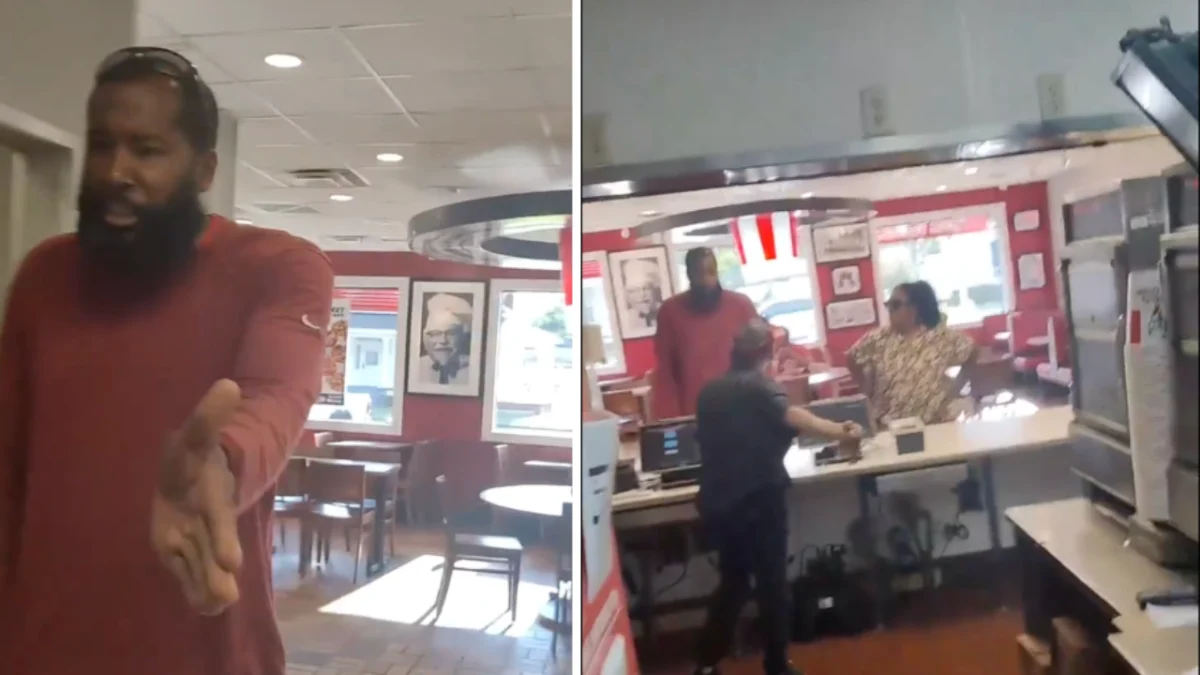
A recent video posted to X, formerly known as Twitter, has rapidly circulated online, documenting a fiery confrontation between a customer and staff members at a chicken restaurant. The incident, which quickly escalated into a shouting match, has prompted widespread discussion across social media platforms regarding the complexities of customer service, the challenges faced by frontline restaurant workers, and the impact of online virality on local disputes. Allegedly, the customer involved is a regular patron with a history of similar contentious interactions at the establishment, a claim that underscores the deeper systemic pressures within the quick-service restaurant (QSR) industry.
The video footage, which begins in medias res, captures a tense moment as the male customer is seen taking a photograph of an employee with whom he is arguing. He then demands a refund for his order. Initially, the employee responds calmly, assuring the customer that a refund is "no problem." This initial composure, however, quickly gives way to a heated exchange as the customer declares his intention to contact the company’s corporate office to report the incident. The absence of footage preceding this point makes it challenging for external observers to ascertain the precise catalyst for the dispute, leaving much of the narrative open to interpretation based on the conflicting accounts presented within the video itself.
Chronology of a Confrontation: Conflicting Narratives Emerge
According to the restaurant employee visible in the video, the customer’s behavior was not an isolated incident. The employee alleged that the man had been "rude" and had engaged in similar problematic conduct the day prior. "This is the kind of problem we have everyday with people like this who always want to do this," the employee states, a sentiment that hints at a pattern of disruptive behavior attributed to the customer. While the specific nature of "this" remains somewhat ambiguous without full context, the implication is that the customer frequently initiates disputes or makes unreasonable demands.
The core of the argument, as it unfolds on camera, revolves around perceived wait times for the customer’s chicken order. The customer vehemently claims he had been waiting "too long" and that the employees were "hanging out in the back instead of cooking his food," which he asserts prompted him to initiate the confrontation. Conversely, the employees counter this accusation, stating they had informed the customer upfront that his order would take approximately 15 to 20 minutes to prepare, not an immediate service. They also clarified that they were not "hanging out in the back" but were actively working in the kitchen, a common area for food preparation in such establishments.
The employee filming the interaction further elaborated on the alleged habitual nature of the customer’s behavior, stating that they "deal with this everyday because the man doesn’t know how to order, and is constantly causing problems and starting fights with the staff." This account paints a picture of ongoing friction, suggesting that the viral incident is merely a snapshot of a larger, persistent challenge faced by the restaurant’s team. The employee’s frustration culminates in a stark declaration: "Remember, these kinds of people are always the worst… Whenever people like this come in, don’t serve them. They don’t deserve it." This statement, born out of apparent exasperation, highlights the intense emotional toll such repeated encounters can take on frontline service personnel.
The Pressures of the Quick-Service Restaurant Environment
This incident serves as a microcosm of the broader challenges inherent in the quick-service restaurant industry, an sector characterized by high customer expectations, rapid turnover, and often razor-thin margins. Modern consumers, accustomed to instant gratification fostered by digital platforms and on-demand services, frequently expect immediate service regardless of operational complexities. Data from industry surveys consistently shows that wait times are a leading cause of customer dissatisfaction in QSRs, with even slight delays disproportionately impacting perceived service quality. A 2023 report by QSR Magazine, for instance, indicated that over 60% of customers consider wait time a critical factor in their dining experience, directly correlating it with satisfaction and likelihood of return.
Restaurant kitchens, especially those dealing with fresh or made-to-order items like fried chicken, operate under specific constraints. Preparation times are dictated by cooking processes, ingredient availability, and the volume of concurrent orders. Staffing levels, which have been a significant challenge for the hospitality sector post-pandemic, also play a crucial role. A National Restaurant Association study revealed that nearly 70% of restaurant operators reported staffing shortages in 2022, leading to increased workload for existing staff and potential impacts on service speed. When customers perceive delays, misunderstandings can quickly arise, particularly if initial communication about wait times is not clearly conveyed or is disregarded by the customer.
The assertion by the customer that employees were "hanging out in the back" touches upon a common point of contention. From an employee’s perspective, this area is the workspace, the "kitchen," where food is actively being prepared, ingredients are being managed, and other operational tasks are performed. From a customer’s viewpoint, particularly if they are waiting, any time staff are out of their direct line of sight or not visibly engaged in serving them can be misinterpreted as idleness. This perceptual gap often fuels frustration and can be a flashpoint for arguments.
The "Problem Customer" Phenomenon and its Impact on Staff Morale
The employee’s claim that the man is a regular customer who "constantly causes problems" points to the pervasive issue of "problem customers" within the service industry. While most customers are reasonable, a small percentage can disproportionately consume staff time, energy, and emotional resources. For businesses, the dilemma of dealing with habitually difficult customers is complex: balancing the desire to retain customers, even challenging ones, against the need to protect employee well-being and maintain a positive work environment.
Repeated exposure to rude or aggressive customers can lead to significant stress, burnout, and decreased job satisfaction among frontline staff. Research by the American Psychological Association indicates that customer incivility is a major contributor to stress among service workers, often leading to emotional exhaustion and intentions to quit. The employee’s strong statement, "Don’t serve them. They don’t deserve it," is a raw expression of this cumulative stress and a plea for self-preservation in the face of what is perceived as chronic mistreatment. Such sentiments, while perhaps not aligned with standard corporate customer service policies, resonate deeply with many service workers who feel unsupported or undervalued when dealing with difficult patrons.
For restaurant management, dealing with such persistent issues requires a delicate balance. Policies on refusing service must be carefully considered, ensuring they comply with non-discrimination laws while also empowering staff to manage abusive situations. Training in de-escalation techniques, clear guidelines for handling refunds, and robust support systems for employees are crucial in mitigating the negative impact of such encounters.
Social Media Amplification and Public Discourse
The decision to record and post the incident to X transformed a localized dispute into a widely debated public event. Social media platforms act as powerful amplifiers, allowing such videos to reach millions globally within hours. This instant virality has profound implications for both the individuals involved and the brand. For the customer, it means public scrutiny and potential identification, with the risk of online shaming or "doxxing." For the employees, it can mean a surge of support but also exposure to online negativity.
For the chicken restaurant, the incident poses a reputational challenge. While the video captures only one side’s perspective initially, the online narrative can quickly take hold, influencing public perception. Brands must navigate this landscape carefully, often needing to issue statements or reinforce their commitment to both customer satisfaction and employee welfare. The "court of public opinion" on X quickly formed, with users sounding off in the comments, reflecting a diverse range of viewpoints.
Many X users expressed disbelief at the claim that the customer eats chicken at the restaurant "every single day." "Bro eats chicken every day??? You don’t get tired of that greasy mess?" one user questioned, highlighting the anecdotal oddity of the alleged daily patronage. This disbelief indirectly questioned the veracity or context of the "regular customer" claim, or at least its implications.
Others, particularly those with experience in the food service industry, empathized strongly with the restaurant staff. One user shared a poignant personal anecdote: "Totally agree with you I was a waitress waiting on 10 people. They wanted everything fast wanted more drinks complained about the food wanted to exchange they were a pain and then they didn’t give me a single penny for a tip. I quit that night." This comment, like many others, underscores the pervasive issues of disrespect, excessive demands, and inadequate compensation that often plague service workers, suggesting that the incident at the chicken restaurant is far from unique. These shared experiences foster solidarity among service staff and highlight the emotional labor involved in their roles.
Implications for Corporate Policy and Employee Support
The confrontation has prompted broader discussion about appropriate wait times, the interaction dynamics between customers and restaurant employees, and the responsibilities of corporate entities in managing such situations. From a corporate perspective, ensuring consistent communication of wait times is paramount. Digital menu boards, estimated wait time displays, and clear verbal communication at the point of order can help manage customer expectations proactively.
Furthermore, corporate policies must address how employees are expected to handle aggressive or habitually disruptive customers. While the primary goal is often customer satisfaction, this cannot come at the expense of employee safety and psychological well-being. Many companies are adopting "zero tolerance" policies for abusive behavior towards staff, empowering employees to refuse service when faced with threats or harassment. Training programs that focus on conflict resolution, de-escalation techniques, and stress management are increasingly vital for frontline service workers.
The incident also highlights the importance of internal reporting mechanisms. If an employee is dealing with a repeatedly problematic customer, there should be clear channels for reporting these issues to management, allowing for a proactive approach rather than reactive responses to escalated conflicts. This might involve compiling incident reports, reviewing security footage, or even initiating conversations with repeat customers about behavioral expectations.
Conclusion: A Call for Empathy and Understanding
While The Daily Dot was unable to independently verify the full circumstances surrounding the confrontation, including the events preceding the recording, the story as presented through the video and subsequent online discussions offers a stark illustration of the friction points in contemporary customer service. It underscores the challenges of managing customer expectations in a fast-paced environment and the emotional burden carried by frontline service workers.
The incident serves as a poignant reminder for both customers and businesses to approach interactions with empathy and understanding. For customers, it’s a call to recognize the operational realities of restaurants and the human element of service. For businesses, it’s an impetus to reinforce clear communication, prioritize employee welfare, and implement robust policies that protect staff while striving for customer satisfaction. As such incidents continue to find their way onto social media, they will undoubtedly continue to fuel vital conversations about the future of customer service and the respect afforded to those who provide it.