Evan Lee Salim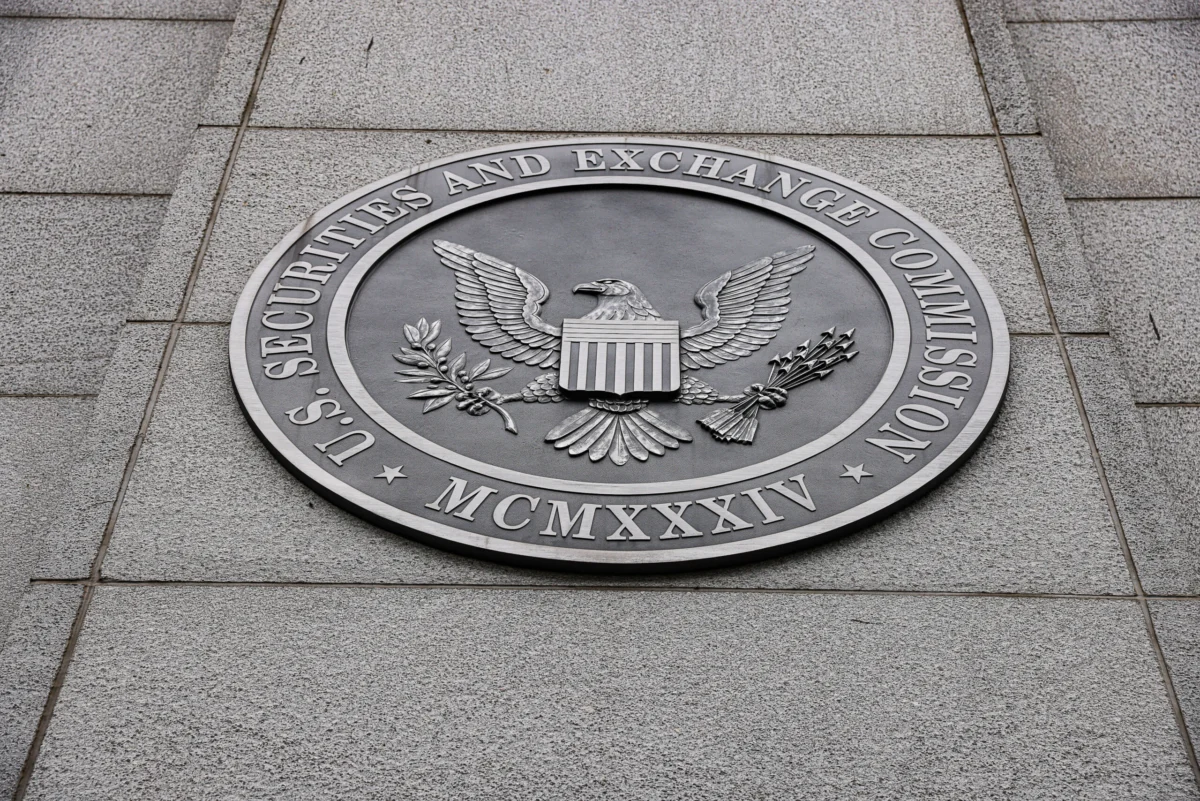
The once-meteoric rise of Situational Awareness, the AI-focused hedge fund that captivated Wall Street with its aggressive, concentrated bets on artificial intelligence, has encountered a significant reversal of fortune, culminating in billions of dollars in erased value and a burgeoning investigation by federal regulators. Led by the ambitious twentysomething OpenAI alum Leopold Aschenbrenner, the fund had, for a period, ridden the crest of the AI wave, demonstrating phenomenal growth that seemed to defy traditional market skepticism. However, a sharp downturn in AI stocks at the close of July 2026 precipitated a dramatic erosion of the firm’s assets. Adding to the fund’s woes, the U.S. Securities and Exchange Commission (SEC) has reportedly initiated a probe into its operations, signaling a potentially tumultuous period for a firm that once symbolized the boundless potential of AI investing.
A Meteoric Ascent and Precipitous Decline
Situational Awareness emerged on the financial scene with considerable fanfare, largely propelled by the pedigree of its founder, Leopold Aschenbrenner, a former researcher from OpenAI. Capitalizing on the burgeoning enthusiasm and substantial investment pouring into the artificial intelligence sector, the fund adopted an "all-in" strategy, concentrating its portfolio heavily on a select number of AI-centric companies. This high-conviction approach initially paid dividends, with the fund reportedly achieving returns that far outstripped broader market indices, attracting significant institutional and high-net-worth capital. Industry observers and financial media frequently highlighted Situational Awareness as a prime example of the new breed of tech-savvy, aggressive hedge funds poised to dominate the future of finance. The narrative surrounding the fund often centered on Aschenbrenner’s perceived insider knowledge and unique algorithmic insights derived from his background at a leading AI research institution, suggesting an almost prescient ability to identify winning investments in a rapidly evolving technological landscape.
This period of extraordinary growth, however, masked inherent vulnerabilities stemming from the fund’s concentrated bet. By late July 2026, the seemingly unstoppable trajectory of AI stocks encountered significant headwinds. A confluence of factors, including revised growth forecasts for several major AI players, concerns over escalating valuations, and a broader market reassessment of speculative assets, triggered a sector-wide correction. For Situational Awareness, whose portfolio was almost exclusively tethered to the performance of these companies, the impact was immediate and severe. Reports from financial news outlets, including CNBC, indicated that this downturn erased billions of dollars from the firm’s assets under management, effectively nullifying a substantial portion of its previous gains and sending shockwaves through its investor base. The rapid reversal served as a stark reminder of the inherent volatility and risks associated with highly concentrated investment strategies, particularly in emerging and speculative sectors.
Regulatory Scrutiny Intensifies
The financial distress at Situational Awareness has now been compounded by the initiation of a formal investigation by the Securities and Exchange Commission. According to a detailed report published by The New York Times on August 24, 2026, the SEC has begun issuing subpoenas to various banking institutions that had established business relationships with the hedge fund. These subpoenas are specifically targeting banks that provided critical services such as supervising the fund’s trading activities and channeling the necessary funding to support its operations. The regulatory body’s actions underscore a heightened level of concern regarding the fund’s practices and financial stability.
Crucially, the government has reportedly issued a directive to these banking partners, instructing them to "preserve any information" related to Situational Awareness. This standard procedure in regulatory investigations aims to ensure that all relevant documentation, communications, and data are retained and made available for review, preventing potential destruction or alteration of evidence. While the issuance of subpoenas and preservation notices indicates a serious inquiry, it is important to note that, at this stage, Situational Awareness has not been formally accused of any wrongdoing by the SEC. The investigation appears to be in its preliminary fact-finding phase, seeking to understand the mechanisms of the fund’s operations, its financial dealings, and the circumstances surrounding its recent financial decline.
The SEC’s mandate is broad, encompassing the protection of investors, maintaining fair, orderly, and efficient markets, and facilitating capital formation. Investigations into hedge funds, especially those experiencing rapid growth and subsequent significant losses, are not uncommon. Regulators often examine areas such as disclosure practices, valuation methodologies, risk management protocols, and potential conflicts of interest. The focus on banks that supervised trading and channeled funding suggests the SEC may be scrutinizing the integrity of the trading processes, the sources and uses of capital, and adherence to anti-money laundering (AML) and know-your-customer (KYC) regulations.
A Deeper Look at Situational Awareness and Its Founder
Leopold Aschenbrenner, the young founder at the helm of Situational Awareness, quickly became a prominent figure in the fintech world. His background at OpenAI, a leading artificial intelligence research and deployment company, lent considerable credibility to his venture. At a time when AI was transitioning from academic curiosity to a foundational technology driving economic transformation, Aschenbrenner positioned his fund as having a unique edge in understanding and capitalizing on these shifts. The fund’s investment thesis was rooted in the belief that AI would not only generate unprecedented technological advancements but also create immense wealth for those positioned to identify and back the key players. This conviction led to the concentrated "all-in" approach, a strategy that, while offering exponential upside, also carried commensurately high risks.
The philosophy behind Situational Awareness resonated with a generation of investors eager to tap into the next big technological revolution. Many saw Aschenbrenner as a visionary, capable of navigating the complex and rapidly evolving AI landscape. His youth and connection to a cutting-edge AI organization provided a narrative of innovation and foresight, distinguishing Situational Awareness from more traditional, diversified hedge funds. However, the recent market correction has exposed the double-edged nature of such specialized, high-conviction strategies, highlighting the perils of putting all investment eggs into a single, albeit promising, basket.
Market Dynamics and the AI Investment Landscape

The trajectory of Situational Awareness is inextricably linked to the broader market dynamics surrounding artificial intelligence. The period from 2024 to mid-2026 witnessed an unprecedented surge in AI-related investments. Driven by breakthroughs in large language models, generative AI, and accelerated computing, investor sentiment became overwhelmingly bullish. Valuations for AI startups and established tech giants with significant AI plays soared, often reaching levels that some analysts deemed speculative. This "AI boom" attracted a wave of capital, leading to intense competition for promising ventures and a significant proliferation of investment vehicles, including specialized hedge funds like Situational Awareness.
However, financial history is replete with examples of technological revolutions that, while transformative, experience periods of intense speculation followed by market corrections. The dot-com bubble of the late 1990s serves as a cautionary precedent, where immense promise was eventually tempered by a sober reassessment of profitability and sustainable business models. While the underlying technological advancements in AI are undoubtedly profound, the financial markets’ enthusiasm can sometimes outpace the immediate commercial viability or realistic growth projections. The downturn in late July 2026 for AI stocks suggests that investors may be entering a more discerning phase, demanding clearer paths to profitability and more sustainable growth metrics rather than simply chasing hype. This shift in market sentiment fundamentally impacts funds like Situational Awareness, which thrived on the upward momentum of the entire sector.
The Role of Federal Regulators in Emerging Markets
The SEC’s involvement in the Situational Awareness case is consistent with its proactive approach to policing emerging and high-growth sectors. In periods of rapid innovation and significant capital inflows, there is often an increased risk of fraudulent activities, misrepresentation, or inadequate risk management practices. The SEC’s primary role is to ensure investor protection, and it often steps in when significant market volatility or substantial losses raise red flags.
Regulatory investigations into hedge funds can stem from various concerns, including:
- Valuation Issues: Especially for illiquid or privately held assets, the methods used to value a fund’s holdings can be scrutinized.
- Disclosure Practices: Ensuring that investors receive accurate and complete information about a fund’s strategy, risks, and performance.
- Risk Management: Assessing whether the fund had adequate controls in place to manage market, credit, and operational risks.
- Insider Trading or Market Manipulation: Investigating any suspicious trading patterns or behaviors.
- Fraud or Misappropriation of Funds: The most severe allegations, though not currently leveled against Situational Awareness.
The fact that the SEC has reportedly cautioned banks to preserve information, without yet accusing the fund of wrongdoing, indicates a thorough, methodical approach. This initial phase often involves gathering a comprehensive understanding of the fund’s operational mechanics, financial flows, and compliance frameworks before determining if any violations of securities law have occurred.
Reactions from Stakeholders and Broader Implications
Situational Awareness, when approached for comment by TechCrunch, did not respond. However, in a statement provided to The New York Times, the firm acknowledged the increased scrutiny it was facing. A spokesperson for the fund stated that "scrutiny of high-profile funds is to be expected," and affirmed its commitment to "cooperate to the fullest extent with any regulatory request." This response, while standard for a firm under investigation, reflects an understanding of the heightened oversight that often accompanies rapid success and subsequent challenges in the financial sector.
Banking institutions that received subpoenas are typically bound by confidentiality agreements and are unlikely to comment publicly on ongoing regulatory investigations. However, industry experts suggest that banks would confirm receipt of such legal directives and reiterate their commitment to full cooperation with authorities, without divulging specifics of their client relationships.
The predicament of Situational Awareness serves as a potent "cautionary tale" for the investment community, particularly concerning the industry’s often-unbridled enthusiasm for seemingly unstoppable technological trajectories. It underscores several critical implications:
- Risk of Concentration: The fund’s experience highlights the inherent dangers of highly concentrated portfolios, even in sectors with immense growth potential. Diversification, a cornerstone of traditional investment wisdom, exists to mitigate such risks.
- Market Maturity: The AI sector, while revolutionary, is still maturing. Periods of rapid innovation are often accompanied by speculative bubbles, which eventually burst or correct, leading to a more rational assessment of value.
- Regulatory Vigilance: The SEC’s probe signals that regulators are closely monitoring the AI investment space, ensuring that financial innovation does not outpace robust compliance and investor protection measures. This could lead to increased regulatory oversight for AI-focused funds in the future.
- The "Next Big Thing" Syndrome: Investors and fund managers are constantly searching for the "next big thing." While AI undoubtedly represents a transformative technology, the speed and scale of investment can sometimes lead to irrational exuberance, where fundamental analysis takes a back seat to speculative momentum.
- Impact on Young Fund Managers: The story of Leopold Aschenbrenner and Situational Awareness could influence how venture capital and institutional investors approach backing young, ambitious fund managers in emerging tech spaces. While innovation is celebrated, the emphasis on robust risk management and governance may become even more pronounced.
Lessons Learned and Future Outlook
The unfolding events surrounding Situational Awareness offer valuable lessons for both investors and fund managers navigating the complex landscape of technological innovation and financial markets. For investors, it reinforces the importance of due diligence, understanding risk profiles, and being wary of promises of perpetual, exponential growth. For fund managers, it underscores the necessity of robust risk management frameworks, transparent reporting, and a balanced approach even when conviction in a particular sector is exceptionally high.
As the AI industry continues its development, it is likely to attract continued investment, but perhaps with a more tempered and analytical approach from the market. The SEC’s investigation into Situational Awareness, irrespective of its ultimate findings, will likely contribute to a broader conversation about responsible investing in high-growth, high-tech sectors, ensuring that the pursuit of innovation is balanced with the imperative of market integrity and investor protection. The future of AI investing will likely be characterized by continued growth, but also by increased scrutiny and a more nuanced understanding of the risks involved, tempering the initial, almost utopian, vision with a dose of financial reality.