Galang Taruna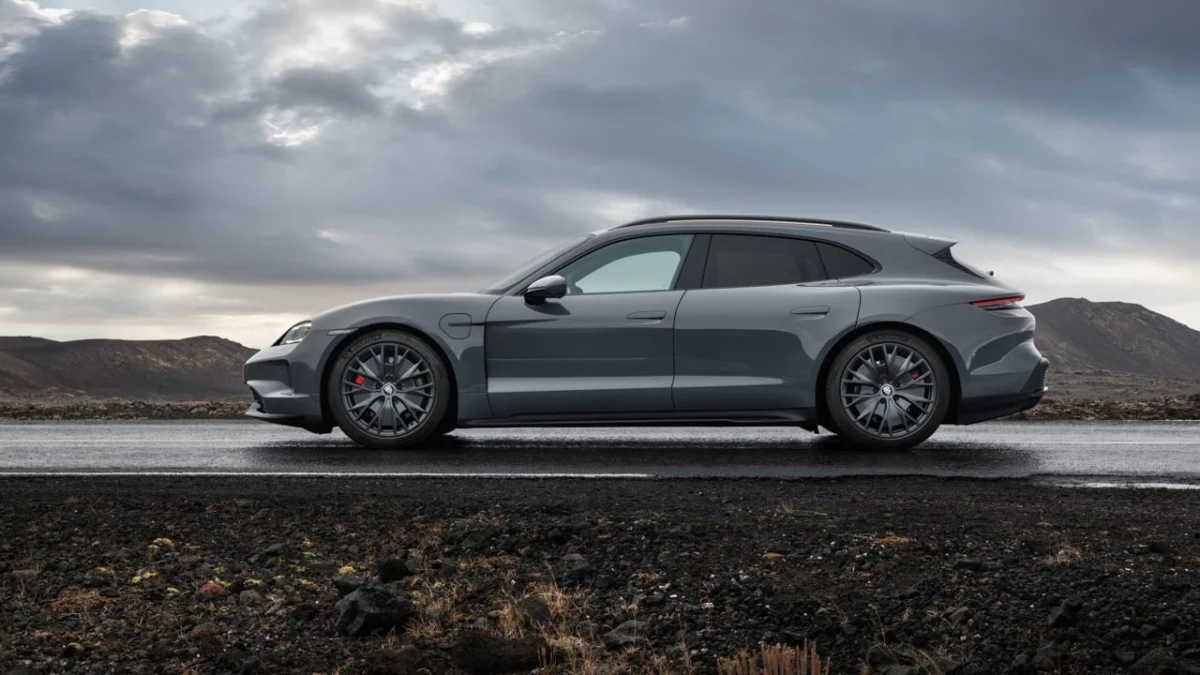
After a period marked by conflicting signals and industry-wide uncertainty regarding its future electrification plans, Porsche has definitively clarified its electric vehicle (EV) roadmap, confirming that both the Taycan and the eagerly anticipated all-electric 718 models will remain integral to its product portfolio. This announcement, made by Porsche CEO Michael Leiters, aims to dispel lingering doubts and cement the luxury sports car manufacturer’s commitment to electric mobility, albeit within a broader strategy focused on cost efficiency and a diversified powertrain approach.
A Year of Ambiguity and Market Speculation
The path to this clarification has been anything but straightforward for Porsche. Over the past year, the automotive world has closely watched the German automaker navigate the complexities of transitioning to electric vehicles, a journey often characterized by shifting market demands, technological hurdles, and significant investment costs. This scrutiny intensified as a series of announcements and rumors fueled speculation about Porsche’s long-term EV commitment.
In September 2023, for instance, the brand reportedly announced a "massive reversal" in its all-electric strategy, a move that analysts estimated could have an impact of approximately €5.1 billion. While the specifics of this "reversal" were subject to interpretation, it was widely understood to imply a potential slowdown or re-evaluation of aggressive EV targets, possibly favoring a more balanced approach that included hybrid powertrains. This came at a time when several automakers began expressing caution about the rapid pace of EV adoption, citing factors such as high battery costs, charging infrastructure limitations, and fluctuating consumer demand.
Adding to the uncertainty, an alleged "blacklist" of models potentially facing discontinuation within the broader Volkswagen Group circulated in July 2024. This list, though never officially confirmed, reportedly included the Taycan, Porsche’s groundbreaking electric sedan, sending ripples of concern through its enthusiast base and investor community. Such reports, whether accurate or not, highlighted the intense pressure on car manufacturers to optimize their product portfolios and streamline operations in a highly competitive and capital-intensive industry. The whispers of the Taycan’s potential vulnerability were particularly jarring given its status as Porsche’s first foray into pure electric power, a vehicle that had largely been lauded for its performance and technological prowess since its 2019 debut.
Strategic Clarity from the Top: Michael Leiters’ Intervention
It was against this backdrop of swirling rumors and strategic ambiguity that Michael Leiters, Porsche’s CEO, stepped forward to provide a definitive statement. In an interview detailed in the German daily Frankfurter Allgemeine Zeitung, Leiters laid out the company’s clear intentions, emphatically stating that the two electric pillars of the brand – the Taycan and the forthcoming electric 718 – are not going anywhere. This intervention marks a crucial moment, re-establishing confidence in Porsche’s electric future and its strategic direction.
Leiters’ clarification is not an isolated statement but forms part of a much larger, overarching strategy dubbed "Sportwagenschmiede 2035" (Sports Car Forge 2035). This ambitious ten-year plan is designed to shape Porsche’s trajectory through the next decade, with a strong emphasis on cost reduction, efficiency gains, and the meticulous management of its product offerings. The strategy underscores Porsche’s dual commitment to innovation and financial prudence, aiming to secure its position as a leading luxury sports car manufacturer in an evolving global market.
Cost Efficiency and Operational Streamlining: The "Sportwagenschmiede 2035" Vision
A significant component of the "Sportwagenschmiede 2035" strategy involves a substantial push for cost efficiency. Porsche announced in late July 2024 the planned elimination of an additional 5,000 jobs in Germany, bringing the total number of projected job reductions to approximately 8,900 by 2035. The company has stressed that these reductions will be achieved without forced layoffs, primarily through natural attrition, voluntary severance packages, and internal reassignments, aiming to minimize the impact on its workforce while optimizing its operational structure.
This drive for cost reduction is a reflection of the intense financial pressures facing the automotive industry, particularly in the realm of electric vehicle development. Designing, engineering, and manufacturing EVs require massive upfront investments in new platforms, battery technology, charging infrastructure, and specialized production facilities. By streamlining its workforce and operations, Porsche seeks to free up capital for continued innovation and accelerate its strategic goals, ensuring the long-term sustainability and profitability of the brand. The context of such budgetary rigor provides the backdrop against which Porsche’s decisions regarding its electric models were made, illustrating the delicate balance between pioneering new technologies and maintaining financial health.
The Taycan’s Enduring Presence, With a Refined Focus
The confirmation of the Taycan’s continued presence in the Porsche lineup is a strong signal of the brand’s unwavering commitment to its electric sedan. Launched in 2019, the Taycan quickly established itself as a benchmark for performance EVs, blending Porsche’s renowned driving dynamics with cutting-edge electric propulsion. Its success demonstrated that an electric powertrain could indeed deliver the exhilarating experience expected from a Porsche.
However, Leiters’ commitment to the Taycan comes with a strategic nuance. He indicated that the commitment is "short-term," and that Porsche plans to reduce the number of available versions of the electric sedan. This decision is geared towards limiting complexity within the Taycan’s product range, a move that can lead to significant cost savings in production, logistics, and supply chain management. By focusing on a more curated selection of trims and configurations, Porsche can optimize its manufacturing processes, reduce inventory, and potentially enhance profitability per unit. This strategy reflects a broader industry trend where manufacturers are simplifying complex model lineups to improve efficiency and respond more agilely to market demands. For consumers, this might mean fewer choices but potentially a more streamlined purchasing experience and clearer differentiation between models. The Taycan, therefore, remains a core product, but its evolution will be guided by principles of strategic efficiency.
The Electric 718: Overcoming Hurdles to a Pure EV Future
Perhaps the most reassuring news for sports car purists and EV enthusiasts alike is the definitive confirmation of the all-electric 718. The successor to the iconic gasoline-powered Boxster and Cayman models, the electric 718 has been a subject of considerable anticipation and, at times, apprehension. The project has faced a litany of "industrial delays and doubts," stemming from the inherent challenges of translating the lightweight, mid-engine, and highly engaging driving experience of the 718 into an electric format. Concerns about battery weight, range, charging times, and the ability to retain the characteristic Porsche driving feel have all contributed to the project’s prolonged development.
The decision to proceed with the electric 718 underscores Porsche’s dedication to electrifying its core sports car segment. This model is expected to utilize the Premium Platform Electric (PPE) architecture, co-developed with Audi, which is also underpinning the upcoming Macan EV. The PPE platform is designed to offer flexible layouts and advanced battery technology, crucial for delivering the performance and dynamics expected from a Porsche sports car. The confirmation that the electric 718 "will indeed see the light of day" is a testament to Porsche’s engineering prowess and its determination to push the boundaries of electric performance, ensuring that its legacy of pure driving enjoyment continues into the electric era.
A Broad and Diversified Electric Portfolio
Porsche’s clarified strategy reveals a commitment to maintaining a broad and diverse electric vehicle lineup, a stark contrast to some of the more cautious approaches observed elsewhere within the Volkswagen Group. Beyond the Taycan and the future 718, Porsche is expanding its EV offerings into critical market segments:
- Macan EV: The brand’s first all-electric SUV, the Macan EV, is poised to enter a highly competitive and lucrative segment. Building on the success of its internal combustion engine (ICE) predecessor, the Macan EV is expected to combine Porsche’s performance heritage with the practicality and versatility of an SUV, catering to a broader customer base seeking premium electric mobility.
- Cayenne Electric: Slated for unveiling in late 2025, the electric version of the Cayenne will further solidify Porsche’s presence in the premium electric SUV market. As one of Porsche’s best-selling models, the Cayenne’s electrification marks a significant step towards a fully electric future for its high-volume vehicles.
This robust EV pipeline demonstrates Porsche’s intent to offer electric alternatives across its key product categories, from sports sedans and two-seater sports cars to high-performance SUVs. This comprehensive approach differentiates Porsche within the broader Volkswagen Group, where some brands are reportedly exercising more caution with their EV launches or even shelving certain electric projects due to market headwinds. For example, while other VW Group models face uncertainty, Audi, also within the same group, is notably reviving its iconic TT model as an electric vehicle, showcasing varied brand-specific strategies.
The Coexistence of Powertrains: A Multi-Energy Future
Crucially, Porsche’s commitment to its electric future does not signal an abandonment of its traditional strengths. The brand explicitly states its intention to continue developing and offering internal combustion engine and hybrid powertrains in parallel. This multi-energy strategy acknowledges the diverse global market demands, varying regulatory landscapes, and the preferences of a wide customer base.
Maintaining a portfolio that includes advanced ICE and hybrid models allows Porsche to hedge against potential uncertainties in the EV market, such as fluctuations in raw material costs, technological breakthroughs, or shifts in consumer sentiment. It also ensures that the brand can continue to serve customers in regions where EV adoption is slower or where charging infrastructure remains underdeveloped. Furthermore, Porsche has been a vocal proponent and investor in synthetic fuels (e-fuels), seeing them as a potential pathway to carbon-neutral operation for its existing and future ICE vehicles, particularly its iconic 911.
While the Macan EV and Cayenne Electric will broaden Porsche’s appeal in the electric SUV segments, the Taycan and the future electric 718 will remain the unequivocal "100% electric showcases" of the brand. These models are designed to push the boundaries of electric performance, demonstrating Porsche’s engineering prowess and its vision for the future of sports cars.
Implications and Future Outlook
Porsche’s clarified EV strategy, underpinned by the "Sportwagenschmiede 2035" plan, carries significant implications. For the brand itself, it provides a clear direction, reducing internal uncertainty and offering a stable framework for future product development and investment. By reaffirming its commitment to key electric models while simultaneously pursuing cost efficiencies, Porsche aims to strengthen its financial resilience and ensure its competitive edge in the luxury automotive sector.
For the broader automotive industry, Porsche’s balanced approach serves as an interesting case study. In an era where many manufacturers have announced aggressive, all-electric deadlines, Porsche’s strategy of diversifying powertrains while committing to core EV models suggests a more pragmatic and adaptable pathway. This approach acknowledges that the transition to electric mobility is complex and multifaceted, requiring flexibility and continuous re-evaluation of market realities.
The challenge for Porsche will be to successfully execute this dual strategy: delivering groundbreaking electric vehicles that maintain the brand’s legendary performance and luxury standards, while simultaneously refining its ICE and hybrid offerings to meet evolving environmental standards and consumer expectations. By leveraging shared platforms within the Volkswagen Group, optimizing its manufacturing processes, and focusing on sustainable financial practices, Porsche is positioning itself to navigate the complexities of the automotive future, ensuring that its legacy of innovation and driving excitement endures, regardless of the powertrain.