admin
admin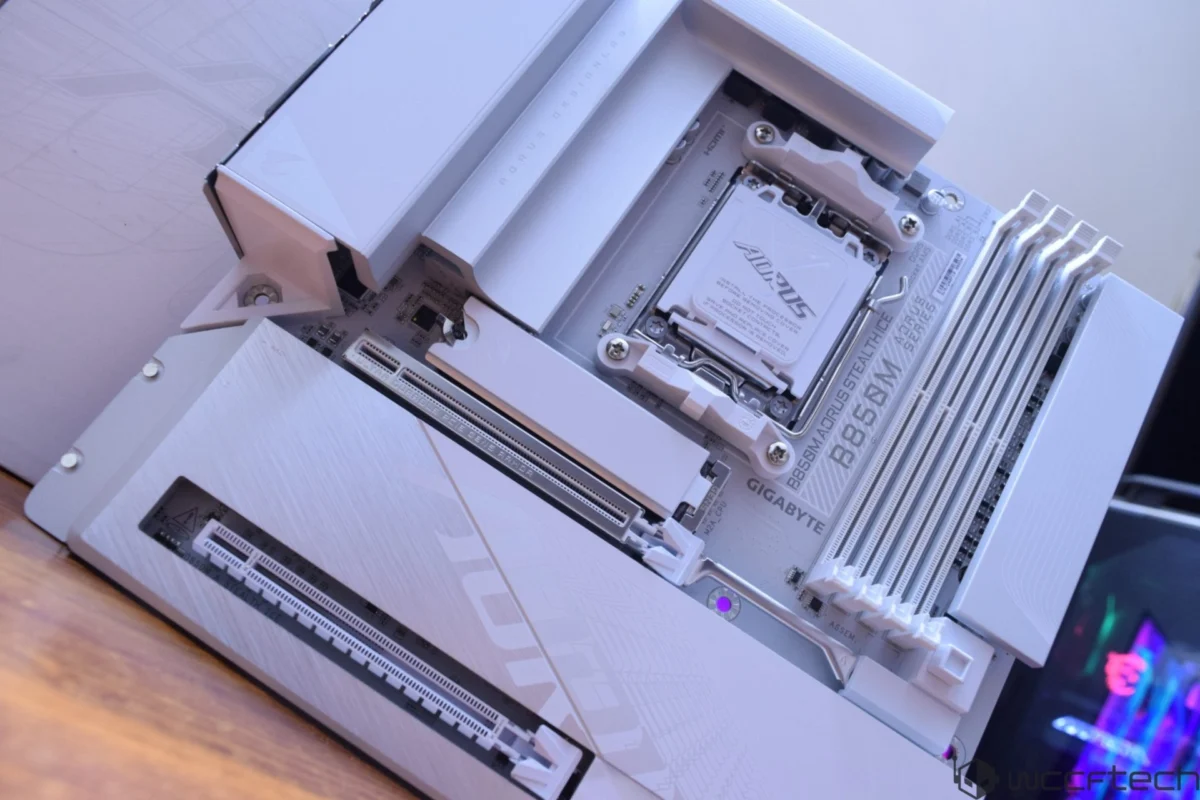
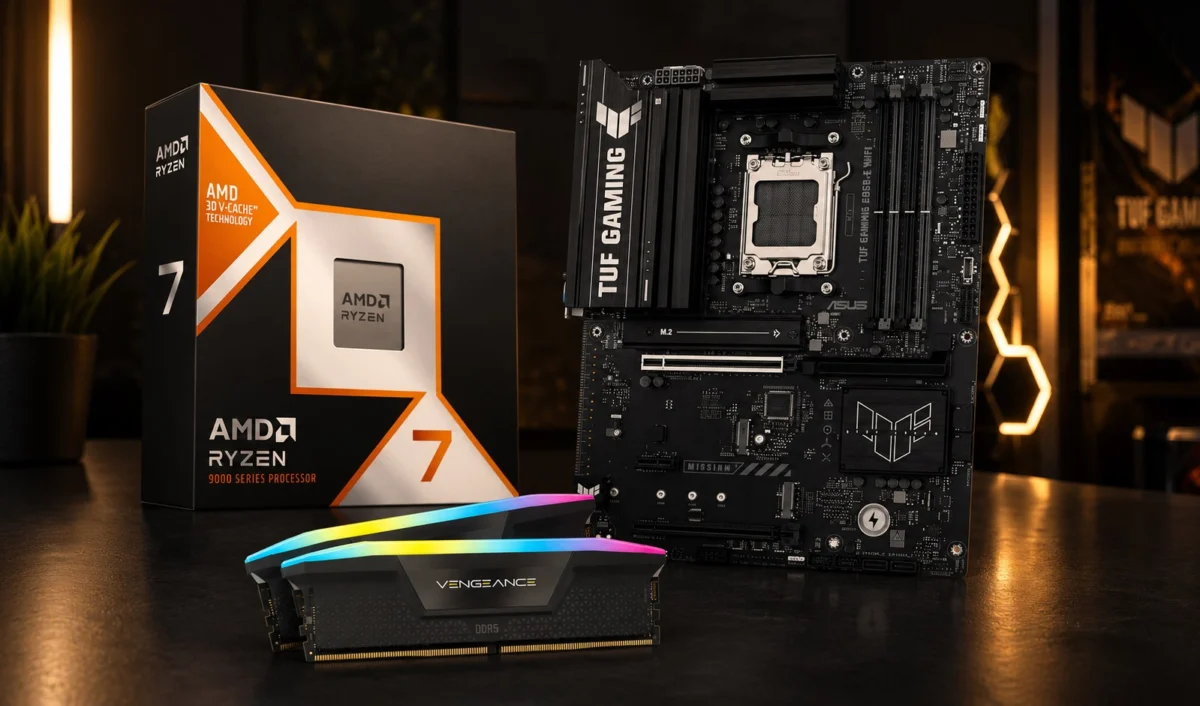
The landscape of desktop computing has undergone a significant transformation since the initial debut of the AMD AM5 platform and its accompanying 600-series motherboards three years ago. Since that pivotal launch, the ecosystem has matured through the release of several high-performance processor families, including the Ryzen 7000, Ryzen 8000, and most recently, the Ryzen 9000 "Zen 5" series. While the original 600-series chipsets remain highly capable and maintain broad compatibility with modern Zen 5 architecture, the demand for refined user experiences and the integration of cutting-edge input/output (I/O) technologies has prompted AMD to introduce the 800-series chipset family. This new generation, headlined by the X870 and B850 tiers, aims to bridge the gap between enthusiast-grade performance and mainstream accessibility.
Among the most anticipated entries in this new hardware cycle is the Gigabyte B850M AORUS Stealth ICE. Positioned as part of Gigabyte’s specialized "X3D" optimized series, this motherboard represents a fusion of aesthetic innovation and functional efficiency. By utilizing the B850 chipset, Gigabyte targets the vital "sweet spot" of the market, offering a balance of high-speed connectivity and robust power delivery tailored for gamers and content creators who require modern features without the premium price tag of the X-series flagships.

The Strategic Expansion of the AMD AM5 Ecosystem
The trajectory of the AM5 platform is best understood through the lens of its predecessor, the AM4 socket. Launched in 2017, AM4 set a modern industry record for longevity, receiving active support and new CPU releases as late as 2026. AMD has signaled a commitment to replicating this success with the AM5 platform, officially extending its roadmap through 2029. This long-term strategy provides a stable foundation for consumers, ensuring that an investment in an 800-series motherboard today will remain relevant through multiple future CPU upgrade cycles.
The introduction of the 800-series chipset is not merely a branding exercise but a technical overhaul designed to maximize the potential of the Zen 5 "Granite Ridge" processors. While the X870E and X870 chipsets cater to the extreme enthusiast segment with mandatory USB4 support and extensive PCIe Gen5 lanes, the B850 chipset serves as the backbone for high-performance mainstream builds. It offers a sophisticated middle ground, providing the essential features of the modern era—such as DDR5 support and Gen5 storage capabilities—while maintaining a price point competitive with Intel’s B760 and B860 offerings.
Technical Specifications and Chipset Architecture
The 800-series lineup is segmented to address various market needs, ranging from entry-level productivity to professional-grade overclocking. The B850 chipset, which powers the AORUS Stealth ICE, utilizes the Promontory 21 silicon. This architecture allows for a flexible distribution of PCIe lanes, typically favoring Gen5 speeds for NVMe storage devices while utilizing Gen4 for primary graphics slots. However, motherboard manufacturers like Gigabyte have the discretion to route Gen5 lanes to the discrete graphics slot if the design necessitates such bandwidth.

Comparison of AMD 800-Series and Legacy Chipsets
| Feature | X870E | X870 | B850 | B840 |
|---|---|---|---|---|
| PCIe Support | Gen5 (GPU & NVMe) | Gen5 (GPU & NVMe) | Gen5 (NVMe) / Gen4 (GPU) | Gen3 (NVMe & GPU) |
| USB Support | USB4 Standard | USB4 Standard | USB 3.2 (20 Gbps) | USB 3.2 (10 Gbps) |
| Overclocking | CPU + Memory | CPU + Memory | CPU + Memory | Memory Only |
| Memory Tech | DDR5-5600+ | DDR5-5600+ | DDR5-5600+ | DDR5 |
| Native MT/s | 5600 MT/s | 5600 MT/s | 5600 MT/s | 4800-5200 MT/s |
A critical distinction for the B850 series is the retention of both CPU and memory overclocking capabilities. This differentiates it from the entry-level B840 chipset, which utilizes the older Promontory 19 die and restricts users to memory overclocking only. Furthermore, the B850 platform supports the latest Precision Boost Overdrive (PBO) and Curve Optimizer (CO) algorithms out of the box, allowing users to extract maximum performance from Ryzen 9000 series chips with minimal manual intervention.
Gigabyte B850M AORUS Stealth ICE: A New Standard for Clean Builds
The "Stealth" branding in Gigabyte’s latest lineup refers to a growing industry trend toward "back-connect" motherboard designs. The B850M AORUS Stealth ICE moves primary power connectors, fan headers, and SATA ports to the underside of the PCB. This design philosophy, often referred to as DIY-APE or Project Zero in the wider industry, allows for nearly cable-free interior aesthetics when paired with a compatible chassis.
The "ICE" suffix denotes the motherboard’s striking all-white aesthetic, a design choice that has seen a massive surge in popularity among the PC modding community. Beyond its looks, the board features a robust Voltage Regulator Module (VRM) layout designed to handle the power demands of high-TDP processors like the Ryzen 9 9950X. Given its association with the "X3D" series, the board is specifically tuned to manage the unique thermal and voltage requirements of AMD’s 3D V-Cache processors, ensuring stable clock speeds during intensive gaming workloads.

The LGA 1718 Socket and Thermal Compatibility
The transition from the Pin Grid Array (PGA) of AM4 to the Land Grid Array (LGA) of the AM5 socket (LGA 1718) represented a fundamental shift in AMD’s hardware philosophy. By moving the pins from the CPU to the motherboard, AMD enabled a higher density of connection points, which is essential for the high-speed signaling required by PCIe Gen5 and DDR5 memory.
One of the most significant engineering triumphs of the AM5 socket is its physical compatibility with AM4 cooling solutions. Despite the change in socket type, AMD maintained the same 45x45mm package size and integrated heat spreader (IHS) height. The unique "octopus" shape of the Ryzen 7000/8000/9000 IHS is designed to be sealed across the sides, preventing thermal paste from seeping into the capacitor regions. This continuity allows users to migrate their high-end liquid or air coolers from older platforms to the B850M AORUS Stealth ICE without the need for new mounting brackets, significantly reducing the total cost of an upgrade.
Memory Performance and I/O Evolution
Memory technology continues to be a focal point for the 800-series. While the native supported speed for the platform is DDR5-5600 MT/s, high-end boards like the AORUS Stealth ICE are engineered to support overclocked profiles exceeding 8000 MT/s. This is achieved through optimized trace routing and a 2-DIMM per channel configuration that minimizes signal interference.

In terms of I/O, the B850 chipset provides a robust array of connectivity options:
- USB Connectivity: Support for USB 3.2 Gen 2×2 (20 Gbps) is standard, providing rapid data transfer for external NVMe drives and professional peripherals.
- Networking: Most B850 models, including the Gigabyte Stealth ICE, are expected to feature 2.5GbE or 5GbE LAN ports alongside Wi-Fi 7 integration, reflecting the networking standards of 2026.
- Storage: The inclusion of at least one PCIe Gen5 M.2 slot ensures that users can take advantage of the latest SSDs capable of speeds surpassing 12,000 MB/s.
Market Implications and Broader Impact
The launch of the B850 chipset and motherboards like the Gigabyte AORUS Stealth ICE arrives at a time of intense competition in the semiconductor industry. AMD’s decision to support AM5 until 2029 stands in stark contrast to Intel’s historically more frequent socket changes. This longevity is a powerful incentive for system builders, as it guarantees that the motherboard purchased in 2026 will likely support "Zen 6" and potentially "Zen 7" architectures in the years to come.
Industry analysts suggest that the B850 tier will become the primary volume driver for AMD in the mid-to-late 2020s. By offering a product that includes the "Stealth" hidden-connector design, Gigabyte is positioning itself to capture the segment of the market that prioritizes both performance and cable management. Furthermore, the integration of features previously reserved for the X-series—such as high-speed DDR5 support and Gen5 storage—indicates a "trickle-down" effect that benefits the average consumer.

Conclusion and Future Outlook
The Gigabyte B850M AORUS Stealth ICE is more than just a motherboard; it is a representation of the maturity of the AM5 platform. It addresses the aesthetic demands of modern PC building while leveraging the technical advancements of the AMD 800-series chipset. As the industry moves toward 2027 and beyond, the foundation laid by the B850 chipset will likely serve as the benchmark for mainstream computing.
With the Ryzen 9000 series providing the processing power and the 800-series providing the necessary infrastructure, the AMD ecosystem appears well-positioned to maintain its momentum in the desktop market. For users currently on the aging AM4 platform or those looking to build a new system with a focus on longevity, the combination of Gigabyte’s innovative design and AMD’s extended socket support offers a compelling and future-proof path forward. The continued evolution of the AM5 platform ensures that the desktop PC remains a versatile and powerful tool for gaming, creativity, and professional endeavors in the years ahead.