admin
admin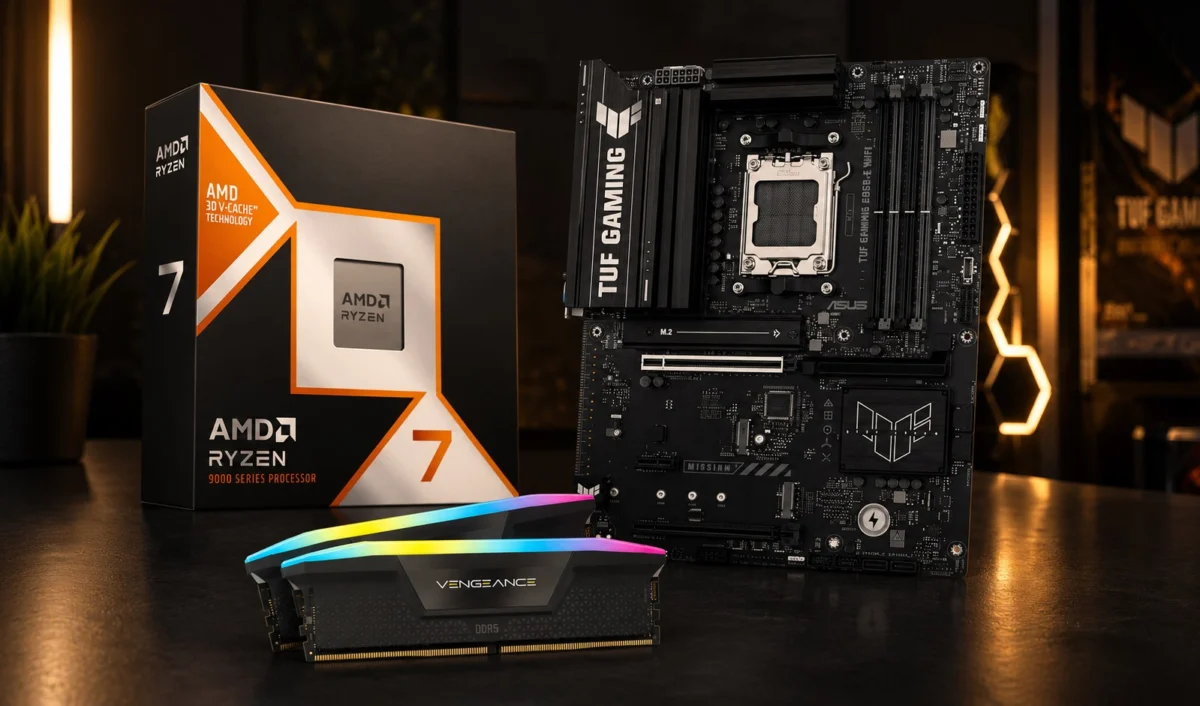
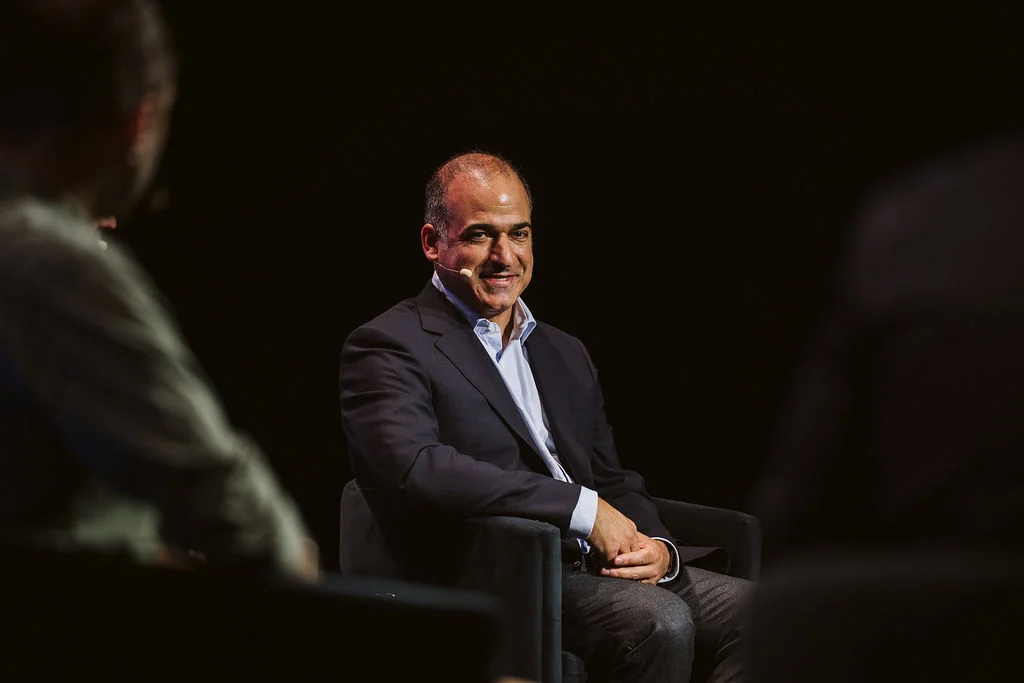
Jason Chen, the Chairman and CEO of Acer, has issued a strategic market forecast indicating that the global personal computer industry faces a prolonged period of pricing volatility, with a definitive stabilization point not expected until the second half of 2027. This projection comes at a time when consumers and enterprise buyers alike are grappling with a steady upward trajectory in hardware costs, driven by a complex interplay of supply chain constraints, manufacturing price hikes, and the overwhelming demand generated by the artificial intelligence (AI) revolution. According to reports from Money UDN and industry analysts, the immediate outlook for the PC market suggests that the cost of entry for high-performance computing will continue to climb, with a significant price spike anticipated as early as the fourth quarter of 2026.
The 2026-2027 Pricing Forecast: A Timeline of Volatility
The roadmap provided by Acer’s leadership outlines a challenging two-year window for hardware procurement. Chen predicts that the fourth quarter of 2026 will serve as a critical inflection point, where component costs are expected to surge by an additional 5% to 20%. This upward pressure is not expected to be a localized event but rather a systemic increase affecting various tiers of the hardware market. Following this spike, the industry is projected to see continued price fluctuations throughout the first half of 2027.
The "peak" of this pricing cycle is slated for mid-2027. Acer’s internal data suggests that it is only after this summit that the market will begin to see a gradual decline in component costs, leading toward a more sustainable equilibrium. This timeline suggests that the current "AI boom" is currently in a phase of heavy infrastructure investment, which is cannibalizing resources that would otherwise stabilize the consumer PC market. The projected stability in late 2027 is predicated on the expansion of semiconductor manufacturing facilities currently under construction, which are expected to reach full operational capacity by that time.
The AI Catalyst and Its Impact on Component Availability
The primary driver behind the current and projected price hikes is the unprecedented demand for AI-capable hardware. This demand has created a "crowding out" effect in semiconductor fabrication plants (fabs). While the consumer market requires DDR5 RAM and high-capacity SSDs, the enterprise AI market requires the same base materials and manufacturing processes for High Bandwidth Memory (HBM) and enterprise-grade storage solutions.
Recent market data indicates that DDR5 RAM prices have already seen substantial increases, with some indices showing a year-over-year rise of over 500% in specific regional markets. This is largely due to memory manufacturers like SK Hynix, Micron, and Samsung pivoting their production lines toward HBM3 and HBM3e to satisfy the needs of AI giants like NVIDIA and AMD. As these manufacturers prioritize high-margin AI components, the supply of standard consumer-grade memory becomes secondary, leading to the price hikes Chen warns about.
Furthermore, the "AI PC" category—laptops and desktops equipped with dedicated Neural Processing Units (NPUs)—is becoming the new industry standard. As Microsoft and other software vendors integrate AI features directly into operating systems, the baseline hardware requirements for a functional PC are rising, further insulating prices against traditional downward market pressures.
Manufacturing Costs and the TSMC Factor
Beyond the demand for memory, the cost of the "silicon" itself is rising. Taiwan Semiconductor Manufacturing Company (TSMC), the world’s largest contract chipmaker, has recently implemented price adjustments for its advanced processing nodes. As the primary manufacturer for Apple, NVIDIA, AMD, and Intel’s latest architectures, TSMC’s pricing strategy has a direct downstream effect on the MSRP of CPUs and GPUs.
The transition to 3nm and eventually 2nm process nodes involves immense capital expenditure. These costs are being passed down to original equipment manufacturers (OEMs) like Acer. Chen noted that while the supply of CPUs is generally improving, there remains a persistent tightness in the supply of entry-level and mid-range SKUs. This suggests that chipmakers are prioritizing their high-end, high-margin silicon, leaving the budget-conscious segment of the market with fewer options and higher relative prices.
Memory Markets: DDR4 vs. DDR5 and the 2030 Outlook
One of the more optimistic notes in Jason Chen’s assessment involves the long-term outlook for memory. While prices are currently high, Chen explicitly stated that it is "impossible" for the shortage to continue until 2030. This statement serves as a rebuttal to more pessimistic industry theories that suggest the AI era has permanently broken the traditional "boom and bust" cycle of the semiconductor industry.

Currently, the market is seeing a divergence between DDR4 and DDR5. DDR4, the previous generation standard, has largely stabilized in terms of availability, though it is being phased out in favor of the faster DDR5. The acute shortages that defined the post-pandemic era have subsided, but they have been replaced by a "value-driven" shortage. Manufacturers are capable of producing the volume, but the cost of the raw components and the competition for fab space keep the prices elevated. Acer believes that as semiconductor manufacturers continue to expand their facilities globally—including new fabs in the United States, Europe, and Japan—the global output will eventually outpace the current demand spike, leading to the 2027 cooling-off period.
The Imbalance of Supply and Demand Dynamics
A peculiar aspect of the current market, as highlighted by Chen, is the disconnect between supplier availability and buyer demand. Currently, there are numerous suppliers looking to sell components to PC manufacturers, but the demand from the general consumer base has not yet returned to the fever pitch seen during the 2020-2021 period.
However, this lack of consumer demand has not resulted in lower prices. In a traditional market, lower demand would lead to a price drop to clear inventory. In the current "AI-first" economy, manufacturers would rather maintain high prices or pivot their production to different sectors (like automotive or industrial AI) than sell consumer PC components at a loss. This structural change in how manufacturers manage their portfolios means that the "equilibrium" consumers are waiting for is no longer just a matter of supply meeting demand, but of manufacturing capacity expanding to a point where "leftover" capacity can be dedicated to lower-margin consumer goods.
Broader Industry Implications and Official Responses
While Acer is the first major OEM to provide such a specific timeline for price stabilization, other industry leaders have hinted at similar challenges. During recent earnings calls, executives from Dell and HP have noted that "component cost headwinds" remain a primary concern for their profit margins. The consensus among hardware reporters is that the era of "cheap" PC building may be over for the foreseeable future.
The implications for the average consumer are significant:
- Strategic Purchasing: Consumers may need to timing their upgrades more carefully. If Chen’s prediction holds, the window between now and Q3 2026 represents a "lower-high" period before the next major 20% spike.
- Enterprise Budgeting: Corporations planning for hardware refreshes may need to accelerate their procurement cycles to avoid the 2026 price hikes or delay them until late 2027.
- The Rise of Refurbished Markets: As new component prices remain high, there is a projected increase in the secondary and refurbished market, as users seek to avoid the "AI premium" attached to new hardware.
Analytical Perspective: Why 2027?
The year 2027 is frequently cited by industry analysts as a year of "re-normalization" for several reasons. First, the massive investments in fab construction by Intel (Ohio and Germany) and TSMC (Arizona) are expected to yield significant wafer output by late 2026 and 2027. Second, the initial "gold rush" of AI infrastructure—where companies are buying every available chip regardless of price—is expected to mature into a more measured replacement cycle.
Acer’s forecast of a 5-20% rise in Q4 2026 suggests that the industry anticipates a secondary wave of technological transition around that time—likely the mainstreaming of next-generation memory standards or a shift to even more expensive manufacturing nodes for consumer CPUs.
Conclusion: Navigating the "High-Cost" Era
In summary, the statement from Acer’s Jason Chen provides a sobering reality check for the technology industry. The hope for a quick return to pre-2020 pricing levels has been officially deferred to the latter half of 2027. While the supply of components like CPUs and DDR4 memory has improved in terms of sheer volume, the economic pressures of the AI boom and increased manufacturing costs at firms like TSMC are keeping prices high.
For the next three years, the PC market will likely be characterized by incremental price increases, punctuated by a significant jump in late 2026. Stability is on the horizon, but it is a distant one. As Acer and other manufacturers navigate this landscape, the focus will remain on balancing the high cost of innovation with the fluctuating purchasing power of a global consumer base that is increasingly wary of the rising cost of digital entry. The message from the top of the supply chain is clear: the road to affordability is still under construction, and it will be several years before the traffic of high prices begins to clear.