
 George Chandra Eka
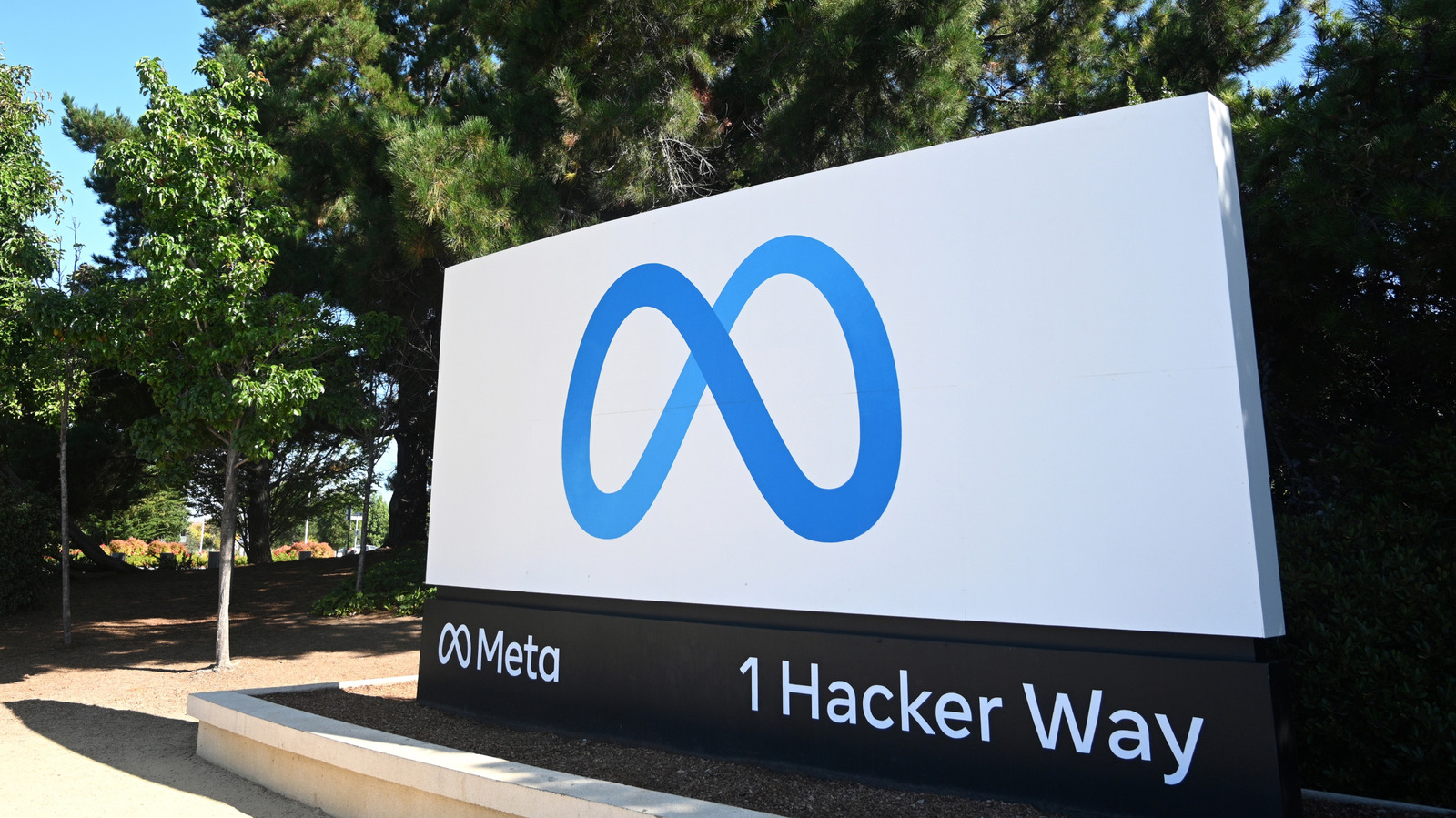
A New Mexico court has ordered Meta Platforms Inc. to pay an additional $567 million into an abatement fund and implement a sweeping set of safety measures on its Facebook and Instagram platforms, following a landmark ruling that declared the tech giant a "public nuisance" for its harmful effects on teen users. This decision comes as the second phase of a protracted legal battle initiated by the state’s Attorney General, bringing the total penalties against Meta in New Mexico to $942 million. The ruling, handed down by Judge Bryan Biedscheid, underscores a growing judicial and public concern over the real-world impacts of social media on youth mental health and safety, signaling a potentially transformative moment in the regulation of online platforms.
The judge’s decision follows an initial verdict in March, where a jury found Meta liable for violating New Mexico’s consumer protection laws. That phase of the trial resulted in a $375 million fine against the company, which was accused of contributing to child exploitation and other safety issues through its platforms. The subsequent "public nuisance" phase delved deeper into the societal harm caused by Meta’s applications, particularly on underage users. Judge Biedscheid’s ruling is a direct response to arguments that the psychological harm and sexual exploitation facilitated by Meta’s platforms constitute a pervasive problem that extends beyond the digital realm.
The Genesis of the Public Nuisance Ruling
The concept of "public nuisance" typically applies to activities that unreasonably interfere with the public’s right to health, safety, peace, or convenience. Historically, it has been invoked in cases involving environmental pollution, public health crises, or dangerous property conditions. Applying this legal framework to a digital platform like Meta marks a significant expansion of its scope and reflects a legal strategy increasingly employed by states seeking to hold tech companies accountable for the social costs associated with their services.
In his comprehensive ruling, Judge Biedscheid drew a powerful analogy, likening Meta’s platforms to factories. He described the advertising and other content consumed on these platforms as the "products" of these digital factories, and the resulting psychological harm and sexual exploitation of children as the "pollution" they emit. Crucially, the judge emphasized that these harmful effects are not contained within the digital ecosystem but "migrate to the internet as a whole and, perhaps most concerning, to the real world." This analogy serves to ground the abstract harms of online platforms in tangible, real-world consequences, thereby justifying the application of public nuisance law. The judge clarified that the ruling does not seek to shut down Meta’s applications but rather to mitigate the existing harms they have caused and prevent future ones.
A Detailed Timeline of Legal Action
The legal proceedings against Meta in New Mexico have unfolded over several months, escalating from a jury verdict to a sweeping judicial mandate:
- March 2024: A New Mexico jury finds Meta liable for violating the state’s consumer protection laws. The jury determined that Meta’s platforms contributed to child exploitation and other safety issues, ordering the company to pay $375 million in civil penalties. This initial verdict was a significant win for the New Mexico Attorney General, Raúl Torrez, who had spearheaded the lawsuit.
- April 2024: Following the initial verdict and ahead of the "public nuisance" phase, Meta issued a statement threatening to withdraw its applications from New Mexico if the court sided with the state’s demands. The company argued that the state’s proposed remedies were so "burdensome" that they "might force Meta to withdraw its apps entirely." Attorney General Torrez dismissed this threat as a "PR stunt," asserting that the state was committed to protecting its children regardless of Meta’s business decisions.
- August 2024: Judge Bryan Biedscheid issues the "public nuisance" ruling, ordering Meta to pay an additional $567 million into an abatement fund and mandating a series of stringent safety changes to Facebook and Instagram. This decision marks the culmination of the second phase of the trial, focusing on the broader societal impact of Meta’s platforms.
- Immediately Following the Ruling: Meta, through spokesperson Andy Stone on X (formerly Twitter), announces its disagreement with the ruling and its intention to appeal. Stone’s statement reiterated the company’s commitment to user safety and transparency regarding the challenges of identifying and removing harmful content and actors.
Mandated Safety Measures and Platform Overhauls
The court’s ruling outlines a comprehensive list of changes Meta must implement on Facebook and Instagram, specifically targeting underage users. Notably, WhatsApp was excluded from these requirements, as the court determined it did not contribute to the public nuisance. These mandates represent a significant shift in how Meta’s platforms will operate for users under 18:
- Privacy by Default: For Instagram users under 18, accounts must be private by default. On Facebook, users under 18 will have their friends limited by default to other users under 18.
- Search and Recommendation Restrictions: Private accounts for underage users cannot appear in search results unless identified by username and cannot be recommended to other users.
- Parental Consent for Settings Changes: Underage users cannot change default privacy settings without the explicit consent of a parent or guardian, or without providing verifiable proof of having turned 18.
- Adult-to-Child Communication Restrictions: Meta’s platforms are prohibited from recommending any account belonging to users under 18. Furthermore, adults who are not connected to underage users will be unable to message them.
- Notification and Usage Limits: Push notifications for underage users must be paused daily from 10 PM to 7 AM, and during academic hours (8 AM to 3 PM) on weekdays, excluding weekends.
- Engagement Feature Modifications: "Like counts" must be hidden for all users under 18.
- Mandatory Usage Time Limit: A significant new measure imposes a mandatory usage time limit, capping teens’ total monthly time across Facebook and Instagram at 90 hours. This is a substantial intervention into user behavior, reflecting the court’s concern over excessive screen time.
- Safety Information Banners: Underage users will receive daily information banners promoting safe online practices and providing tools for reporting inappropriate behavior and content.
While these measures are extensive, the court did not grant the plaintiff’s request to order changes to Meta’s underlying algorithms. The state had argued that these algorithms create harmful feedback loops that exacerbate negative mental health outcomes and exposure to inappropriate content. The court’s decision to forgo algorithmic changes indicates a focus on user-facing controls and privacy settings rather than the core mechanisms of content delivery.
The Abatement Fund and Its Allocation
The additional $567 million penalty is earmarked for an abatement fund, which will finance programs designed to counteract the harms identified by the court. This fund will support:
- Youth Internet Safety Training: Comprehensive training programs for educators, including teachers, school counselors, and school psychologists, aimed at equipping them with the knowledge and tools to promote internet safety among students.
- Healthcare Professional Training: Training for healthcare professionals to better understand and address the mental health impacts of social media on young people.
- Community-Based Health Centers: Funding for local health centers to provide support and resources to young people affected by online harms.
The establishment of an abatement fund underscores the court’s intent to not merely punish Meta but to actively mitigate the damage already done and invest in preventative measures within the state. This approach aligns with the public nuisance framework, which often seeks remedies that restore public welfare.
Meta’s Response and Broader Industry Implications
As anticipated, Meta has expressed strong disagreement with the ruling and announced its intention to appeal. Andy Stone, Meta’s Policy Communications Director, conveyed the company’s stance on X, stating, "We disagree with the ruling and will appeal. We work hard to keep people safe on our platforms and have been transparent about the challenges of identifying and removing bad actors and harmful content. We remain confident in our record of…" (The tweet truncated, but the sentiment was clear). This appeal process is expected to be lengthy and will likely draw significant attention from the tech industry and legal community.
The New Mexico ruling is not an isolated incident but part of a broader, escalating legal and regulatory campaign against social media companies, particularly regarding their impact on young users. State attorneys general across the United States have become increasingly active in this area. For instance, in October 2023, 33 states and the District of Columbia filed a lawsuit against Meta, alleging that its platforms harm the mental and physical health of young people and violate consumer protection laws. Similar legal actions are underway in other states, reflecting a coordinated effort to hold tech giants accountable.
The Growing Scrutiny of Social Media and Youth Mental Health
The focus on Meta’s role in youth mental health is part of a larger societal conversation and a growing body of research. Organizations like the U.S. Surgeon General have issued advisories highlighting the potential negative impacts of social media on adolescent mental health, citing increased risks of anxiety, depression, poor body image, and sleep disturbances. Data from organizations like the Pew Research Center consistently show that a vast majority of teenagers use social media, with platforms like Instagram and Facebook remaining popular, despite the rise of newer competitors. This widespread adoption, coupled with evidence of harm, has fueled calls for stricter regulation and greater corporate responsibility.
The "public nuisance" designation in New Mexico sets a powerful precedent. It suggests that courts are willing to view the pervasive harms caused by social media platforms through a lens traditionally applied to physical pollution or public health crises. This could embolden other states to pursue similar legal strategies, potentially leading to a patchwork of state-level regulations that could significantly complicate Meta’s, and other social media companies’, operations.
A New Era of Digital Accountability?
The New Mexico ruling marks a critical juncture in the ongoing debate over the accountability of tech companies. By imposing substantial financial penalties and mandating specific platform design changes, the court has signaled a willingness to intervene directly in how social media platforms are built and operated for their youngest users. While Meta’s appeal will undoubtedly challenge this decision, the immediate impact is clear: the legal landscape for tech companies is shifting, and the expectation for digital platforms to proactively safeguard the well-being of their users, particularly minors, is higher than ever before. This case could serve as a blueprint for future litigation, pushing social media companies to fundamentally rethink their design philosophies and prioritize safety over engagement, especially where children are concerned. The outcome of Meta’s appeal will be closely watched, as it will likely influence the trajectory of digital regulation and corporate responsibility for years to come.







