Garick Elordi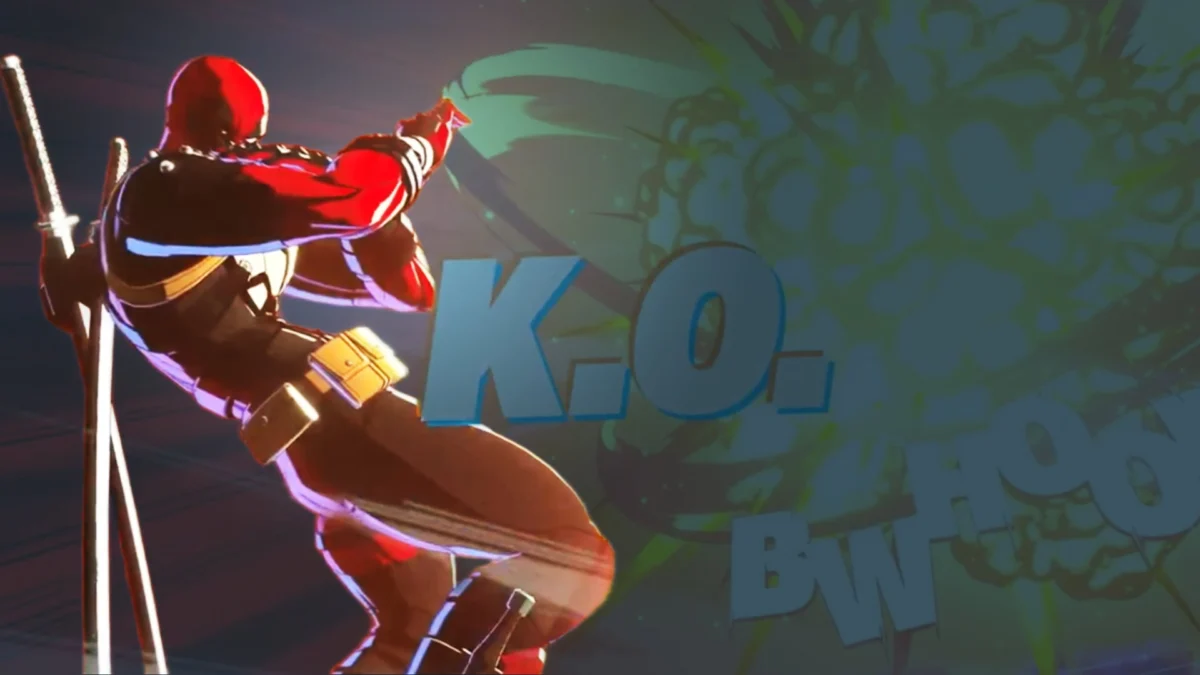
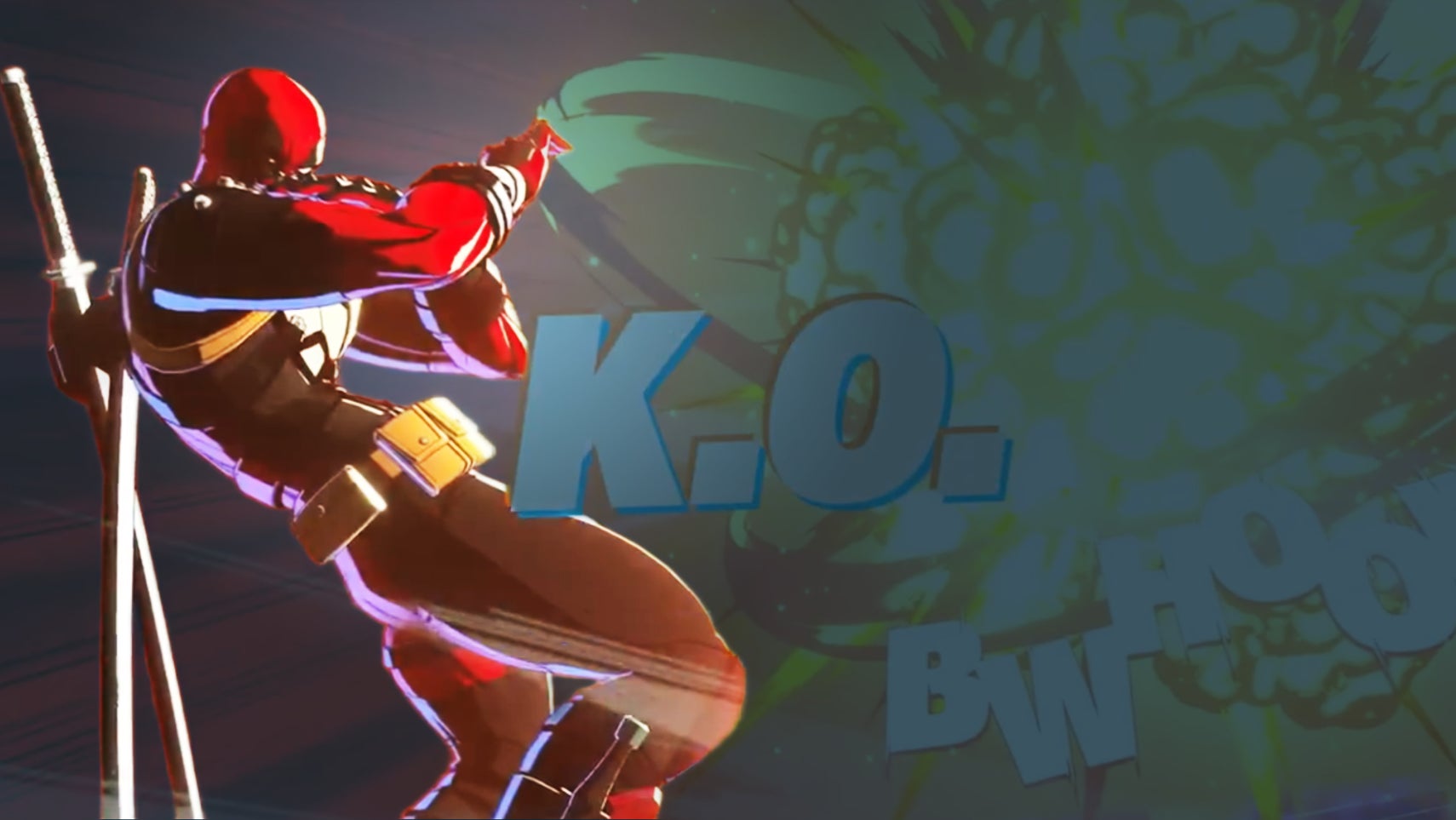
The highly anticipated launch of Marvel Tokon: Fighting Souls has arrived, marking a significant milestone in the competitive fighting game landscape. As players across the globe begin to master the title’s intricate mechanics and diverse roster, one character has emerged as the definitive centerpiece of the experience: Deadpool. Known for his meta-commentary and fourth-wall-breaking antics in comics and film, Deadpool’s implementation in Marvel Tokon: Fighting Souls transcends standard character design, functioning instead as a living encyclopedia of fighting game history. His moveset, animations, and victory sequences are meticulously crafted homages to nearly three decades of the genre, ranging from mainstream hits like Street Fighter to cult classics like Street Fighter EX2 Plus.
The Architectural Design of a Meta-Character
In the competitive fighting game community (FGC), character archetypes usually fall into categories such as "zoners," "grapplers," or "rush-down" specialists. Deadpool, however, introduces a "meta-specialist" framework. Developers have utilized his unique narrative positioning to incorporate mechanical nods that would feel out of place with more stoic characters like Captain America or Magneto.
The depth of these references was first brought to widespread public attention by community analyst and X user Whisp90. Shortly after the game’s release, Whisp90 published a comprehensive video breakdown detailing the origin of Deadpool’s various maneuvers. The analysis revealed that Deadpool’s toolkit is not merely a collection of original attacks but a curated gallery of iconic moments from the history of Capcom, Arc System Works, Bandai Namco, and NetherRealm Studios. This design choice serves a dual purpose: it delights veteran players who recognize the "deep cuts" while providing a flashy, unpredictable playstyle for newcomers.
A Chronological Journey Through the Genre
Deadpool’s moveset in Marvel Tokon: Fighting Souls operates as a chronological timeline of the fighting game genre’s evolution. One of the most prominent references is his game-winning animation, which directly replicates the iconic win screen from Street Fighter II (1991). By adopting the specific posture and facial bruising patterns seen in the 16-bit era, Deadpool acknowledges the foundational roots of the modern fighting game.
Moving into the late 1990s and early 2000s, the character pays tribute to the Street Fighter EX series—a 3D spin-off developed by Arika. Specifically, Deadpool possesses a "Super Move" that mirrors the "Skullo Dream" super utilized by the cult-favorite character Skullomania in Street Fighter EX2 Plus. This reference is particularly notable for its obscurity; the EX series is often overlooked in mainstream retrospectives, yet its inclusion in Marvel Tokon suggests a profound level of research and reverence by the development team.
The tribute continues into the modern era with nods to contemporary titles:
- Street Fighter 4 and 6: Deadpool mimics the "Focus Attack" mechanics and specific drive-gauge-related animations.
- Guilty Gear Strive: Certain high-mobility aerial maneuvers reflect the "Anime Fighter" aesthetic, characterized by high-octane transitions and dramatic "counter-hit" pauses.
- Tekken and Mortal Kombat: Deadpool’s ground-based strings include limb-snapping animations and "juggle" properties that are hallmarks of 3D and gore-focused fighters, respectively.
- Dragon Ball FighterZ: His rapid-fire ki-blast style projectiles and cinematic "Dramatic Finish" style flourishes evoke the high-speed intensity of the 2018 hit.
Technical Analysis and Competitive Implications
Beyond the aesthetic appeal of these easter eggs, Deadpool’s design raises questions regarding competitive balance and mechanical identity. In fighting games, "silhouette recognition" and "move clarity" are essential for high-level play. Opponents must be able to identify an incoming attack within frames to react appropriately. By borrowing animations from other games, Deadpool presents a unique challenge: he is a character whose "tell" might be familiar to a Street Fighter veteran but entirely alien to a Tekken specialist.
Data gathered from the game’s initial "Day One" patches suggests that Deadpool is intended to be a high-tier, albeit complex, character. His ability to switch between fighting styles—essentially shifting from a 2D-style "shoto" to a 3D-style "brawler"—makes him one of the most versatile fighters on the roster. Analysts suggest that the inclusion of the "Skullo Dream" medley is not just for show; the move has specific invincibility frames and chip-damage properties that require precise execution, rewarding players who have a deep understanding of the genre’s mechanical history.
The Cultural Impact on the Fighting Game Community
The reaction from the FGC has been overwhelmingly positive, with many praising the developers for their "love letter" to the industry. In an era where many licensed games are criticized for being "soulless" or "cash-ins," Marvel Tokon: Fighting Souls appears to have taken the opposite approach. By embedding references to Street Fighter The Movie: The Game—a title often ridiculed for its digitized graphics and clunky mechanics—the developers have signaled that they are "in on the joke" alongside the most dedicated fans.
This level of detail has sparked a resurgence in "frame hunting" and "reference hunting" within the community. Forums and social media platforms are currently flooded with players attempting to deconstruct every frame of Deadpool’s gameplay to find hidden nods to obscure titles like Darkstalkers, Rival Schools, or even the original Marvel vs. Capcom entries. This engagement is driving significant organic traffic to the game, positioning it as a top contender in the current fighting game "renaissance" alongside Tekken 8 and Street Fighter 6.
Industry Context: The Marvel Gaming Expansion
Marvel Tokon: Fighting Souls arrives at a pivotal moment for Marvel’s gaming division. Following the success of titles like Marvel’s Spider-Man and the strategic depth of Marvel Midnight Suns, the brand has been seeking to reclaim its dominance in the fighting game space—a territory it once ruled during the arcade era of the 1990s.
Industry analysts point out that Deadpool’s role in this new title is a calculated move to bridge the gap between different eras of Marvel gaming. While the Marvel vs. Capcom series remains in a state of hiatus, Marvel Tokon acts as a spiritual successor that isn’t afraid to look back while moving forward. The game’s engine allows for a level of graphical fidelity and fluid animation that previous entries could not achieve, making the "replicated" moves look more dynamic than ever before.
Official Responses and Future Outlook
While the developers have not released an itemized list of every reference—preferring instead to let the community discover them—representatives have stated that Deadpool was the "most challenging and rewarding" character to animate. In a brief press release following the launch, the design team noted: "Deadpool is a character who knows he is in a game, so it only made sense that he would study the greats. We wanted his moveset to feel like a celebration of the genre that made Marvel games possible in the first place."
Looking ahead, the success of Deadpool’s design may influence future DLC characters. There is already speculation that other "meta" characters or guest fighters could receive similar treatment, turning Marvel Tokon: Fighting Souls into a revolving museum of gaming culture.
The game is currently available on all major platforms, including PlayStation 5, Xbox Series X/S, and PC. As the competitive season approaches, the focus will shift from the novelty of Deadpool’s references to his viability in the professional circuit. However, for the average player, the joy remains in the discovery—finding that one obscure animation that recalls a childhood spent in an arcade or a late-night session with a retro console.
Marvel Tokon: Fighting Souls has managed to do more than just release a functional fighting game; it has created a cultural touchstone that honors the past while firmly establishing a new future for Marvel in the world of competitive gaming. Deadpool, with his swords, guns, and encyclopedic knowledge of frame data, stands at the center of it all, proving that sometimes, breaking the fourth wall is the best way to build a bridge to the fans.