
 George Chandra Eka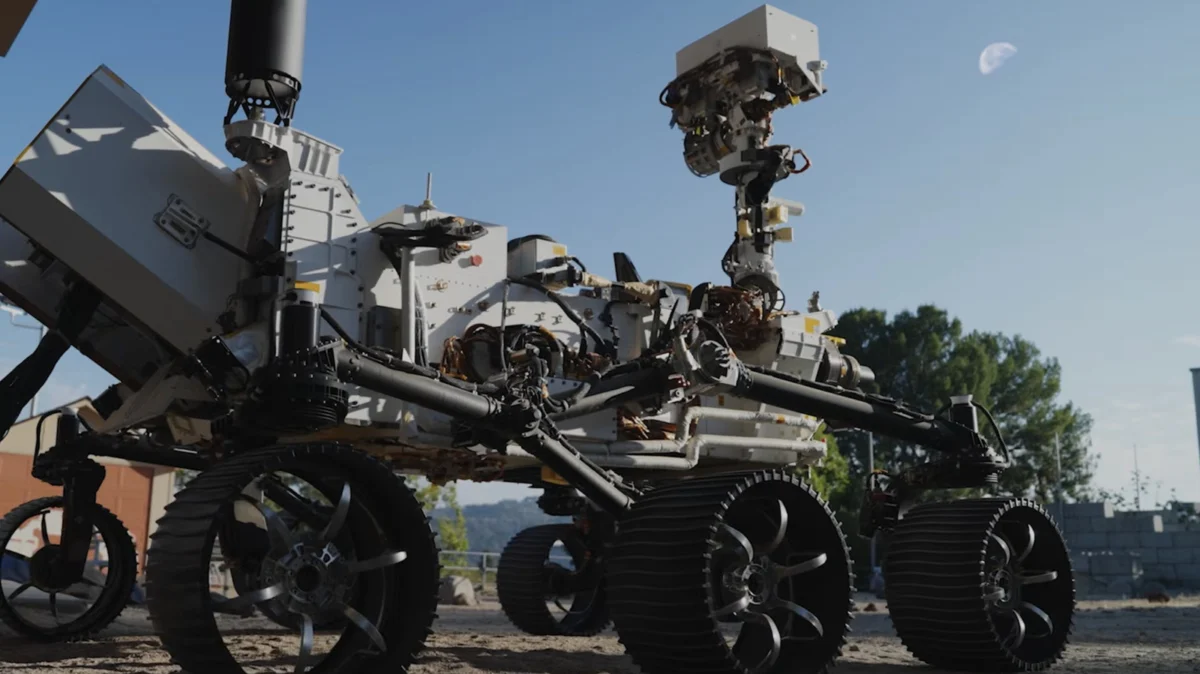
NASA is exploring an ambitious proposal to send a sophisticated robotic rover, tentatively named PROMISE (Polar Rover for Observation, Mapping and In-Situ Exploration), to the Moon’s South Pole, leveraging hardware originally designed as an Earth-bound testbed for its Mars counterparts, Perseverance and Curiosity. This strategic pivot aims to accelerate lunar exploration capabilities, providing an unprecedented ability to scout critical regions regardless of solar illumination, a significant advantage for operations in the perpetually shadowed craters of the lunar poles. The initiative underscores a novel approach to resource utilization, seeking to maximize the return on investment in existing, proven technology for new frontiers in space.
The Genesis of PROMISE: From Martian Testbed to Lunar Pioneer
For decades, NASA has employed full-scale engineering models of its space-faring rovers on Earth to meticulously test software updates, validate hardware functionalities, and rehearse complex operational maneuvers before beaming commands to their distant twins on Mars. These terrestrial replicas are invaluable for mission success, allowing scientists and engineers to troubleshoot potential issues in a controlled environment. The most prominent of these is OPTIMISM (Operational Perseverance Twin for Integration of Mechanisms and Instruments Sent to Mars), the engineering test model for the Perseverance rover. OPTIMISM has been instrumental in validating procedures for its Martian twin, which has been exploring Jezero Crater since its landing in February 2021, searching for signs of ancient microbial life and collecting samples for future return to Earth. Similarly, the Curiosity rover, which landed in Gale Crater in 2012, also has its own Earth-bound replica, used for parallel testing and problem-solving.
The new initiative proposes a groundbreaking departure from this tradition: to adapt and deploy one of these highly capable, taxpayer-funded test vehicles—or a hybrid incorporating elements from both Perseverance and Curiosity engineering models—for a critical lunar mission. This concept, recently highlighted by NASA, underscores an innovative approach to resource utilization. NASA Administrator Jared Isaacman articulated the rationale, stating, "We’ve had years now of experience operating the two rovers on the surface of Mars, and we’ve got this hardware that the taxpayers have invested a lot in. So the question was posed: ‘What if we send it to the moon?’ … It’s going to bring an immense capability to the lunar south pole in short order." This vision aligns with the broader objectives of the Artemis program, which seeks to establish a sustainable human presence on the Moon and utilize its resources for future deep space exploration. The repurposing of such a significant piece of engineering hardware is a testament to NASA’s drive for efficiency and innovation in its exploration efforts.
Strategic Importance of the Lunar South Pole
The Moon’s South Pole has emerged as a prime target for future lunar exploration, both robotic and human, primarily due to compelling evidence of significant water ice deposits within its permanently shadowed craters (PSCs). This water ice is considered a game-changer for long-duration lunar missions and potential future bases, as it can be processed into vital resources: potable water for astronauts, breathable oxygen, and rocket fuel (liquid hydrogen and oxygen propellants). The ability to extract and utilize these In-Situ Resource Utilization (ISRU) materials would drastically reduce the cost and logistical complexity of sustained lunar operations, making humanity’s expansion beyond Earth more feasible and sustainable.
Past missions have provided tantalizing clues and direct evidence of this vital resource. India’s Chandrayaan-1 mission in 2008, through its Moon Mineralogy Mapper (M3) instrument, first detected widespread hydration and hydroxyl signatures on the lunar surface, suggesting the presence of water molecules. This was further corroborated by NASA’s LCROSS (Lunar Crater Observation and Sensing Satellite) mission in 2009, which intentionally crashed an impactor into the crater Cabeus near the South Pole, detecting a plume rich in water vapor and ice particles. Subsequent observations by missions like NASA’s Lunar Reconnaissance Orbiter (LRO) have continued to map and characterize these polar deposits, reinforcing their scientific and strategic value. The LRO, launched in 2009, has provided high-resolution imagery and topographical maps, revealing the complex terrain and thermal environments of the polar regions, including the extent of permanently shadowed areas.
PROMISE, with its planned suite of instruments and its unique power source, would be ideally positioned to conduct detailed surveys of these ice deposits, characterize the regolith (lunar soil) composition, and map the challenging terrain of the South Pole. This data would be crucial for selecting optimal landing sites for human missions, designing durable lunar habitats, and planning efficient resource extraction operations. The rover’s ability to traverse and operate in varied lighting conditions is particularly advantageous for this region, where deep shadows and extreme temperatures pose significant challenges for solar-powered systems, allowing for comprehensive exploration that is currently impossible with conventional designs.
Unlocking Lunar Access: The Power of MMRTG
One of the most defining features of the proposed PROMISE rover, and a key enabler for its ambitious mission profile, is its reliance on a Multi-Mission Radioisotope Thermoelectric Generator (MMRTG). This advanced power system utilizes the heat generated from the natural radioactive decay of plutonium-238 to produce electricity. Unlike solar panels, which are dependent on sunlight and can be rendered ineffective during prolonged lunar night cycles or in permanently shadowed regions, an MMRTG provides a continuous and reliable power source, independent of illumination.
The MMRTG technology has a proven track record in deep space and planetary exploration. NASA has successfully deployed MMRTGs on several iconic missions, including the Curiosity and Perseverance rovers on Mars, the Cassini probe to Saturn, and the New Horizons spacecraft that explored Pluto. On Mars, where dust storms can obscure sunlight for extended periods and solar panels are often less efficient due to atmospheric haze, MMRTGs have been critical for ensuring the longevity and operational resilience of the rovers. Curiosity, launched in 2011, continues to operate effectively thanks to its MMRTG, exceeding its planned mission life by many years and providing invaluable data on Mars’s geological history and potential for past habitability. Perseverance, similarly powered, has demonstrated its ability to operate autonomously and sustain complex scientific instruments without interruption, even powering the Ingenuity helicopter on Mars.
For a lunar mission, particularly at the poles, the advantages of an MMRTG are even more pronounced. The lunar night can last for approximately 14 Earth days, subjecting rovers to extreme temperatures dropping to around -173 degrees Celsius (-280 degrees Fahrenheit). Solar-powered rovers would need robust heating systems and large battery reserves to survive these prolonged cold, dark periods, often requiring them to "sleep" or enter low-power modes, severely limiting operational time. As Carlos García-Galán, program manager for the Moon Base project, noted, "For moon-based objectives, having a nuclear RTG on it allows us to go anywhere we want, regardless of the illumination… Surviving the lunar night is going to be one of the bigger challenges with this capability; we wouldn’t have to worry about that." This continuous operational capability means PROMISE could explore craters, analyze subsurface ice, and transmit data without interruption, significantly increasing its scientific output and mission efficiency, providing an unprecedented capability for sustained exploration of the lunar polar environment.
The Path to Flight: Extensive Upgrades and Engineering Hurdles
While the concept of repurposing an existing test model offers a compelling vision, transforming OPTIMISM (the Perseverance twin) or a hybrid into a flight-ready lunar rover named PROMISE is far from a trivial undertaking. The original engineering models were built for terrestrial testing environments, not the harsh vacuum of space, the extreme thermal cycling of the Moon, or the abrasive nature of lunar regolith. NASA acknowledges that PROMISE remains a concept, requiring extensive modifications and rigorous testing before it can embark on a lunar journey.
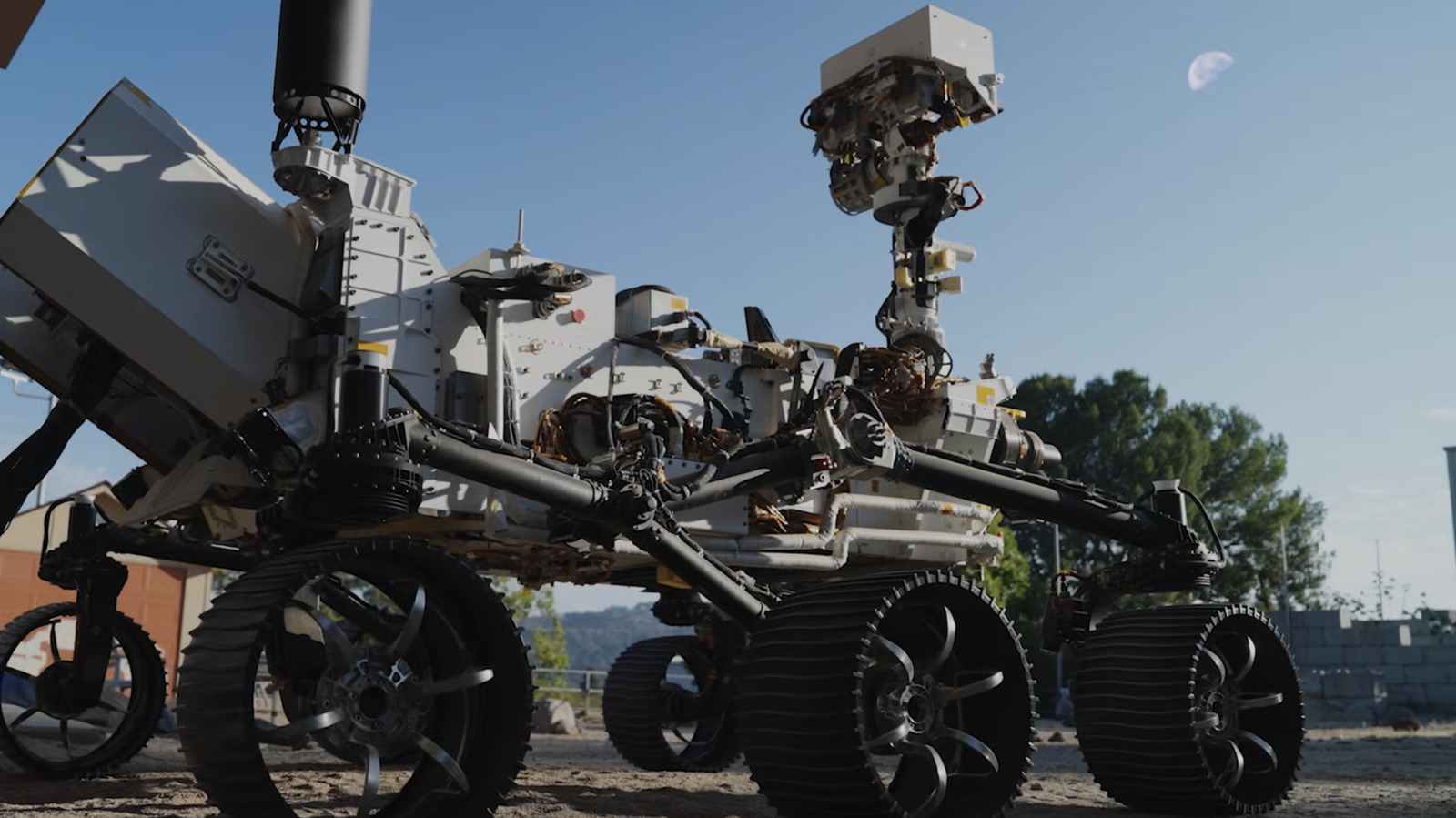
According to analyses by organizations like The Planetary Society, the list of necessary upgrades is substantial, representing a significant engineering challenge. Key areas requiring significant development and integration include:
- Flight-Qualified Scientific Instruments: While the engineering models possess placeholders for instruments, PROMISE would need a full suite of space-hardened scientific payloads capable of enduring the lunar environment and performing detailed analysis of soil, ice, and radiation. These instruments must be precisely calibrated and designed for lunar-specific investigations, such as spectrometers for water ice detection, drills for subsurface sampling, and cameras optimized for low-light conditions.
- Advanced Communication System: A robust, deep-space communication system is essential for transmitting high-bandwidth data, images, and telemetry from the Moon back to Earth. The current test models lack such a system, which needs to be integrated, tested for signal integrity across vast distances, and designed to withstand the harsh radiation environment of space. This would likely involve a high-gain antenna and transponders capable of linking with NASA’s Deep Space Network.
- Onboard Temperature Control and Sensors: The Moon’s surface experiences drastic temperature swings, ranging from over 100 degrees Celsius (212 degrees Fahrenheit) in sunlight to -173 degrees Celsius (-280 degrees Fahrenheit) in shadow. The rover would require an active thermal management system, complete with an array of sensors, multi-layered insulation, heaters, and radiators, to maintain optimal operating temperatures for its sensitive electronics and scientific instruments. The current test models are not designed for such extremes.
- Lunar Dust Mitigation: Lunar dust, often described as razor-sharp and electrostatically charged, is a notorious challenge for lunar missions. It can abrade seals, clog mechanisms, interfere with electronics, and obscure optical sensors. While less of an issue for an MMRTG-powered rover compared to solar-powered ones, it still affects moving parts and precision instruments. PROMISE would need specialized seals, coatings, and perhaps even active dust removal systems (e.g., electrostatic dust shields or brushes) to ensure its longevity and operational integrity. This is a critical design consideration that was not primary for a Mars-bound rover, where dust is different in composition and behavior.
- Mobility and Durability for Lunar Terrain: While the chassis and mobility system might be largely retained, the wheels, suspension, and associated mechanisms would need to be thoroughly tested and potentially reinforced for the unique lunar regolith, which differs significantly from Martian soil. The ability to climb steep slopes and navigate rocky terrain, especially in polar regions with potential for deep shadows and difficult lighting, would be paramount. Enhanced autonomy for hazard avoidance would also be crucial.
- Launch and Landing Systems Integration: The engineering model is simply the rover; it requires integration with a sophisticated lander and launch vehicle. This involves designing interfaces, ensuring structural integrity during the immense forces of launch and descent, and validating separation mechanisms. The lander itself must be capable of a precise soft landing in the challenging polar terrain, potentially utilizing advanced navigation systems.
These engineering challenges collectively represent a significant undertaking, essentially transforming a ground-based simulator into a fully autonomous, space-qualified exploration vehicle. The process will demand meticulous attention to detail, extensive testing, and the development of new technologies specifically adapted for the lunar environment.
Timeline and Financial Commitments
The extensive modifications and rigorous testing required for PROMISE translate into significant financial and temporal investments. Estimates from The Planetary Society suggest that the mission could cost NASA anywhere between $700 million and $1.3 billion. This figure, while substantial, must be viewed in the context of typical costs for developing entirely new planetary science missions, which often run into several billions of dollars (e.g., Mars Science Laboratory cost over $2.5 billion, Mars 2020 Perseverance mission over $2.7 billion). Repurposing existing hardware, despite the necessary upgrades, offers a potential cost-saving compared to starting from scratch, leveraging years of development and operational experience from the Mars rover program.
In terms of a timeline, NASA officials and independent analyses indicate that a launch would likely not occur until sometime in the early 2030s. This extended timeframe accounts for:
- Concept Refinement and Mission Planning (1-2 years): Finalizing the mission objectives, instrument suite, and operational plan, including detailed trajectory analysis and landing site selection.
- Design and Engineering Modifications (3-5 years): Implementing all necessary hardware and software changes, developing new components, and ensuring compatibility with the lunar environment and launch vehicle. This includes extensive computer modeling and prototyping.
- Fabrication and Assembly (1-2 years): Building and integrating new parts and systems into the existing rover chassis, followed by initial system-level testing.
- Extensive Testing and Qualification (2-3 years): Subjecting the modified rover to a battery of environmental tests, including thermal vacuum, vibration, acoustic, and electromagnetic compatibility tests, to simulate launch and space conditions. This phase is crucial for ensuring flight readiness and identifying any potential vulnerabilities.
- Launch Vehicle Integration and Launch Campaign (1 year): Preparing the rover for integration with its lander and launch vehicle, followed by the final launch sequence from a designated spaceport.
This timeline aligns with NASA’s broader Artemis program, which envisions a sustained human presence on the Moon by the mid-2030s. PROMISE could serve as a vital precursor, gathering essential data and proving technologies ahead of human expeditions to the lunar South Pole, thus fitting into a larger strategic roadmap for lunar exploration. The development and launch schedule will also need to factor in the availability of suitable launch windows and the overall prioritization within NASA’s budget and mission portfolio.
Broader Implications for Lunar Exploration and Beyond
The PROMISE mission, if realized, represents more than just another robotic rover; it signifies a strategic evolution in NASA’s approach to space exploration. By creatively repurposing existing assets, NASA demonstrates a commitment to efficiency and innovation, potentially setting a precedent for future missions.
Accelerated Lunar Gateway and Artemis Support: PROMISE would be a direct contributor to the Artemis program, providing invaluable reconnaissance for future human landing sites and potential lunar bases. Its ability to map resources and characterize environmental hazards would directly inform the design and deployment of human habitats and support systems. This mission underscores the critical role of robotic pathfinders in paving the way for human exploration, mitigating risks, and maximizing scientific returns. The data collected by PROMISE would be essential for establishing infrastructure around the planned Artemis Base Camp at the lunar South Pole.
Advancements in Lunar Science: Beyond resource mapping, PROMISE would significantly advance our understanding of lunar geology, exospheric processes, and the history of water on the Moon. Its mobility and continuous operation would allow for comprehensive scientific investigations across diverse terrains and lighting conditions, potentially uncovering new insights into the Moon’s formation and evolution, and its relationship with the inner solar system. For instance, detailed analysis of ice samples could reveal clues about the delivery of water to the early Earth and Moon.
Technological Demonstrator: The successful adaptation of a Mars rover platform for lunar operations would be a significant technological achievement. It would validate cross-planetary hardware compatibility, advanced thermal management systems, and dust mitigation strategies, all of which are crucial for future missions to the Moon, Mars, and beyond. This demonstrates NASA’s engineering ingenuity in adapting proven designs for new and challenging environments.
Cost-Effectiveness and Resource Stewardship: While the mission carries a substantial price tag, the concept of leveraging existing, highly developed engineering models for a new mission demonstrates a commitment to maximizing the utility of taxpayer investments. It provides a blueprint for how space agencies can achieve ambitious goals by intelligently repurposing valuable assets rather than always starting from scratch, fostering a more sustainable model for space exploration.
Future of "Twin" Rovers: The evolution of OPTIMISM into PROMISE highlights the enduring value of terrestrial engineering models. These "twin" rovers are not just for testing; they are becoming candidates for entirely new missions, extending their operational lives and contributing to new scientific and exploration objectives in unexpected ways. This paradigm could inspire other space agencies to consider similar approaches for their exploration programs, promoting greater efficiency across the global space community.
In conclusion, the PROMISE mission embodies a forward-thinking, adaptive strategy for lunar exploration. By transforming a terrestrial Mars rover testbed into a pioneering lunar explorer, NASA aims to unlock critical knowledge about the Moon’s South Pole, laying essential groundwork for the ambitious human missions of the Artemis program, while simultaneously demonstrating innovative resource stewardship and technological prowess. The journey from concept to lunar reality for PROMISE will be challenging, but its potential rewards for humanity’s future in space are immense, offering a new chapter in our quest to understand and explore the cosmos.







