
 George Chandra Eka
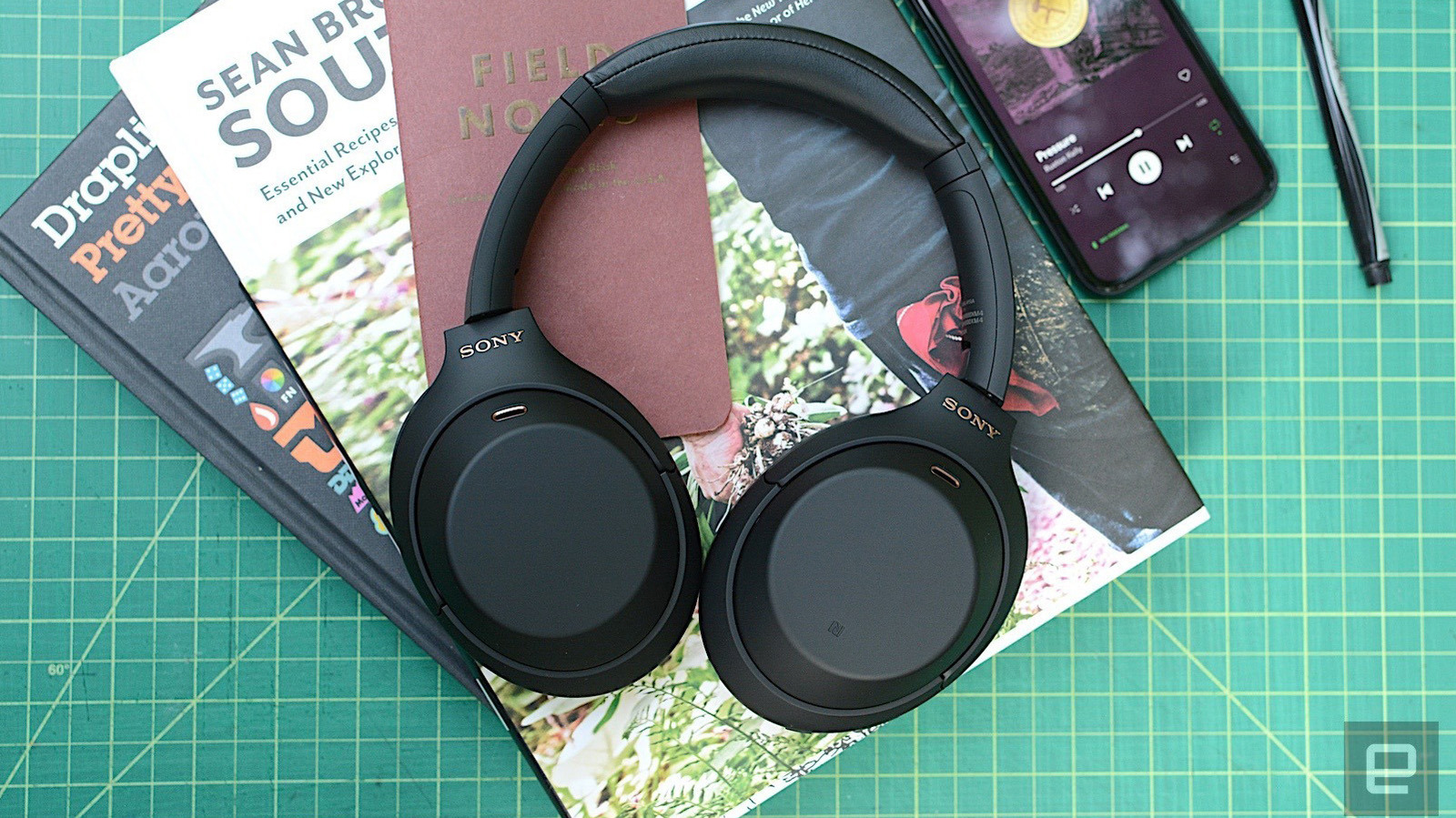
The landscape of consumer electronics, particularly in the premium audio segment, appears to be undergoing a strategic recalibration as manufacturers contend with persistent inflationary pressures, shifting consumer purchasing behaviors, and the ever-present challenge of maintaining market share. In a notable development that signals a potential paradigm shift in product lifecycle management, Sony, a titan in the audio industry, is reportedly preparing to reintroduce a celebrated model from its highly successful WH-1000X series. This move, if confirmed, would see the return of the WH-1000XM4, a headphone widely lauded for its industry-leading noise cancellation and audio fidelity, albeit with a new designation and a significantly more accessible price point.
The Genesis of the Rumor: A Reliable Leak Emerges
The initial whispers of this intriguing strategy emanated from the notoriously accurate leaker, billbil-kun, publishing on the French deals platform Dealabs. Billbil-kun, known for a track record that includes prescient disclosures such as the precise announcement window for the PlayStation 5 Pro in 2024, outlined Sony’s alleged plans to launch a new iteration dubbed the WH-1000XM4C. According to the leak, this "new" model is anticipated to debut around September 7th, 2024, with a retail price point hovering around €250 in Europe and £220 in the UK. Projecting these figures to the US market, analysts estimate a price tag in the range of $240 to $250. This potential re-entry at a mid-tier price point raises significant questions about Sony’s overarching product strategy and its response to the current economic climate.
The WH-1000XM4: A Legacy of Excellence
To fully appreciate the implications of this rumored re-release, it is essential to revisit the legacy of the original WH-1000XM4. Launched in August 2020, the XM4 quickly ascended to the pinnacle of the noise-canceling headphone market, earning widespread critical acclaim and numerous industry awards. Engadget, for instance, hailed it as "the best of its generation," a sentiment echoed across countless tech reviews. Its success was built upon a foundation of superior active noise cancellation (ANC), powered by Sony’s proprietary HD Noise Cancelling Processor QN1, combined with exceptional sound quality delivered by 40mm drivers.
Beyond its core audio performance, the XM4 introduced several innovative features that cemented its flagship status. These included "Speak-to-Chat," which automatically pauses music and lets in ambient sound when the user speaks, and improved "Adaptive Sound Control," which intelligently adjusted ambient sound settings based on the user’s location and activity. Multipoint connectivity, allowing simultaneous connection to two Bluetooth devices, was another highly praised addition, significantly enhancing user convenience. The original XM4 boasted an impressive battery life of up to 30 hours with ANC activated and 38 hours without, a benchmark for its time. Its foldable design and comfortable earcups made it a favored companion for commuters and frequent travelers.
Distinguishing the XM4C: Subtle Shifts for Strategic Positioning
The leak suggests that the WH-1000XM4C will largely retain the core architecture and features that defined its predecessor. The foldable design, the acclaimed 40mm drivers, and the powerful noise-canceling processor are all expected to carry over, ensuring that the new variant delivers a premium audio experience synonymous with the 1000X series. However, the report indicates two primary differentiators: battery life and color options.
While the original XM4 was rated for 30 hours of ANC-enabled playback and 38 hours without ANC, the rumored XM4C is said to offer a slightly reduced battery performance: up to 27 hours with ANC and 34 hours without. This marginal dip, though notable, might be a strategic concession to achieve the lower price point, potentially through the use of a different battery cell supplier or a slightly less optimized power management system. From a consumer perspective, a few hours less of battery life might be an acceptable trade-off for a significantly reduced price, especially given that 27 hours with ANC remains robust for most users.
In terms of aesthetics, the XM4C is expected to launch in familiar black and platinum silver finishes, alongside a new "lavender" option. This expanded color palette could be an attempt to appeal to a broader demographic, particularly consumers who appreciate more vibrant or distinct personal tech accessories.
Sony’s 1000X Series: A Chronology of Innovation
Sony’s WH-1000X series has been a cornerstone of its premium audio offerings for nearly a decade, each iteration building upon the successes of its predecessor:
- MDR-1000X (2016): The inaugural model, setting the stage for Sony’s ANC dominance.
- WH-1000XM2 (2017): Improved noise cancellation and battery life.
- WH-1000XM3 (2018): Introduced the dedicated QN1 processor for a significant leap in ANC performance and sound quality, alongside USB-C charging.
- WH-1000XM4 (2020): Refined ANC, multipoint connectivity, Speak-to-Chat, and improved comfort. A critical darling.
- WH-1000XM5 (2022): A controversial redesign featuring a new aesthetic, non-foldable headband, and further refined ANC through two processors and eight microphones. Priced at $399/€420 at launch.
- WH-1000XM6 (2024): The latest flagship, building on the XM5’s foundation with incremental improvements, retailing at $460 in the US and €470 in the EU.
The introduction of the XM4C would represent a unique deviation from this linear progression, reinserting an older generation model into the active lineup, a strategy rarely employed for flagship consumer electronics.
Market Dynamics and the Drive for Value
The potential re-release of the WH-1000XM4C cannot be viewed in isolation; it reflects broader shifts in the global consumer electronics market. The past few years have witnessed persistent inflation, supply chain disruptions, and a general tightening of consumer discretionary spending. Premium audio products, while still desirable, are often subject to intense price scrutiny.
The current WH-1000XM6, with its $460 price tag, sits at the very top of the market. Its predecessor, the XM5, though now two years old, still commands a premium, often retailing around $350-$399, albeit frequently discounted to around $250 during promotional periods. This creates a fascinating conundrum for Sony: how to offer a compelling premium noise-canceling experience at a lower, more consistent price point without cannibalizing sales of its current flagships or its budget-friendly CH series?
The XM4C at $250 appears to be Sony’s answer. It offers a well-regarded, proven design and feature set at a price that directly competes with, and in some cases undercuts, mid-range ANC headphones from competitors, while also matching the discounted price of its direct successor, the XM5. This strategy could be aimed at:
- Capturing a Value-Conscious Segment: Attracting consumers who desire premium ANC but are unwilling or unable to pay top-tier prices for the latest models.
- Maintaining Market Share: Offering a competitive option against brands that have aggressively priced their mid-tier ANC headphones.
- Leveraging Existing IP: Re-using a highly successful design and existing component supply chains can reduce R&D and manufacturing costs, enabling a lower retail price.
The "C" Designation: An Interpretation
The suffix "C" in WH-1000XM4C invites speculation. While Sony has not officially commented, several interpretations are plausible:
- Classic: Denoting a return to a beloved, classic design and feature set.
- Core: Emphasizing that it offers the core, essential premium ANC experience without the latest incremental upgrades.
- Cost-effective/Compact: Highlighting its more accessible price point and perhaps its enduring foldable form factor, which the XM5 moved away from.
- Color: Potentially emphasizing the new color option, though less likely to be the sole reason for the suffix.
Regardless of the official meaning, the "C" will likely serve to differentiate it from the original XM4, subtly signaling that while it is familiar, it is being positioned as a distinct product within Sony’s current lineup.
Competitive Landscape and Broader Industry Implications
Sony’s potential move could send ripples across the competitive premium headphone market. Key rivals include Bose, Apple, and Sennheiser, all of whom offer highly regarded noise-canceling headphones:
- Bose QuietComfort Series: Bose has historically been Sony’s fiercest competitor in ANC. While their newer models, like the QuietComfort Ultra, command premium prices, Bose also offers various price points, and a refreshed XM4 at $250 would put pressure on their mid-range offerings.
- Apple AirPods Max: Positioned as a luxury audio product, AirPods Max ($549) remains significantly more expensive. However, if Apple were to consider a more affordable "AirPods Max 1C" as the original article playfully suggested, it could signal a broader industry trend of re-evaluating product lifecycles.
- Sennheiser Momentum Series: Sennheiser’s Momentum 4 Wireless also provides excellent sound and ANC at a competitive price, often around $300-$350. The XM4C would directly challenge this segment.
This strategy of "turning back the clock" could also open a discussion about sustainability in consumer electronics. By extending the life cycle of a successful product design and potentially re-utilizing existing manufacturing processes, companies could argue for a more environmentally conscious approach, reducing the need for entirely new designs and components.
The Perceived Value Proposition and Potential Cannibalization
The most immediate analytical question revolves around the XM4C’s position relative to the discounted XM5. If the XM5 is regularly available at $250, why would a consumer opt for the XM4C, which reportedly has slightly worse battery life and is an older generation?
Several factors might come into play:
- Consistent Pricing vs. Promotional Pricing: The XM4C’s $250 price is expected to be its standard retail price, not a temporary discount. This offers price stability and predictability for consumers. The XM5’s discounts might be seasonal or retailer-specific.
- Design Preference: Many users preferred the XM4’s fully foldable design over the XM5’s non-foldable, more streamlined aesthetic. The XM4C would cater to this preference.
- Regional Availability: Discounting patterns for older models can vary significantly by region. The XM4C might fill a pricing gap in markets where XM5 discounts are less prevalent.
- "New Product" Psychology: Even if based on an older model, the launch of a "new" product can generate interest and marketing buzz that deep discounts on older models might not.
- Perceived Value: For many, the XM4’s performance was already "good enough" or even "excellent," making a slightly cheaper version of a critically acclaimed product a highly attractive proposition.
Analyst Perspectives and Future Outlook
Industry analysts are likely to view this move as a pragmatic response by Sony to a challenging market. "This isn’t about innovating the bleeding edge; it’s about optimizing the portfolio for value," states one hypothetical market analyst. "Sony has a proven winner in the XM4. By bringing it back at a lower, consistent price, they can address a segment of the market that’s hungry for premium features without the premium price tag of the absolute latest model."
The potential success of the XM4C could also set a precedent. If Sony proves that re-launching a slightly modified, older flagship can be a viable strategy, other manufacturers might follow suit, particularly for products that achieved iconic status and still offer competitive performance. This could lead to a future where product lifecycles are less rigid, and popular designs are given second acts, offering consumers more choice and potentially better value.
Conclusion: A Strategic Gambit for the Modern Consumer
The rumored re-release of the Sony WH-1000XM4C represents a fascinating and potentially influential strategic gambit. By leveraging the enduring appeal and proven performance of one of its most successful products, Sony appears to be charting a course to meet the demands of a market increasingly prioritizing value without compromising on quality. While the slight reduction in battery life and the "C" designation will differentiate it, the core promise of industry-leading noise cancellation and superb audio fidelity at a more accessible price point is likely to resonate strongly with consumers. As the anticipated September 7th launch date approaches, the industry will keenly watch to see if this "turn back the clock" strategy successfully carves out a new niche in the fiercely competitive premium audio market, potentially heralding a new era of product lifecycle management in consumer electronics.







