George Chandra Eka
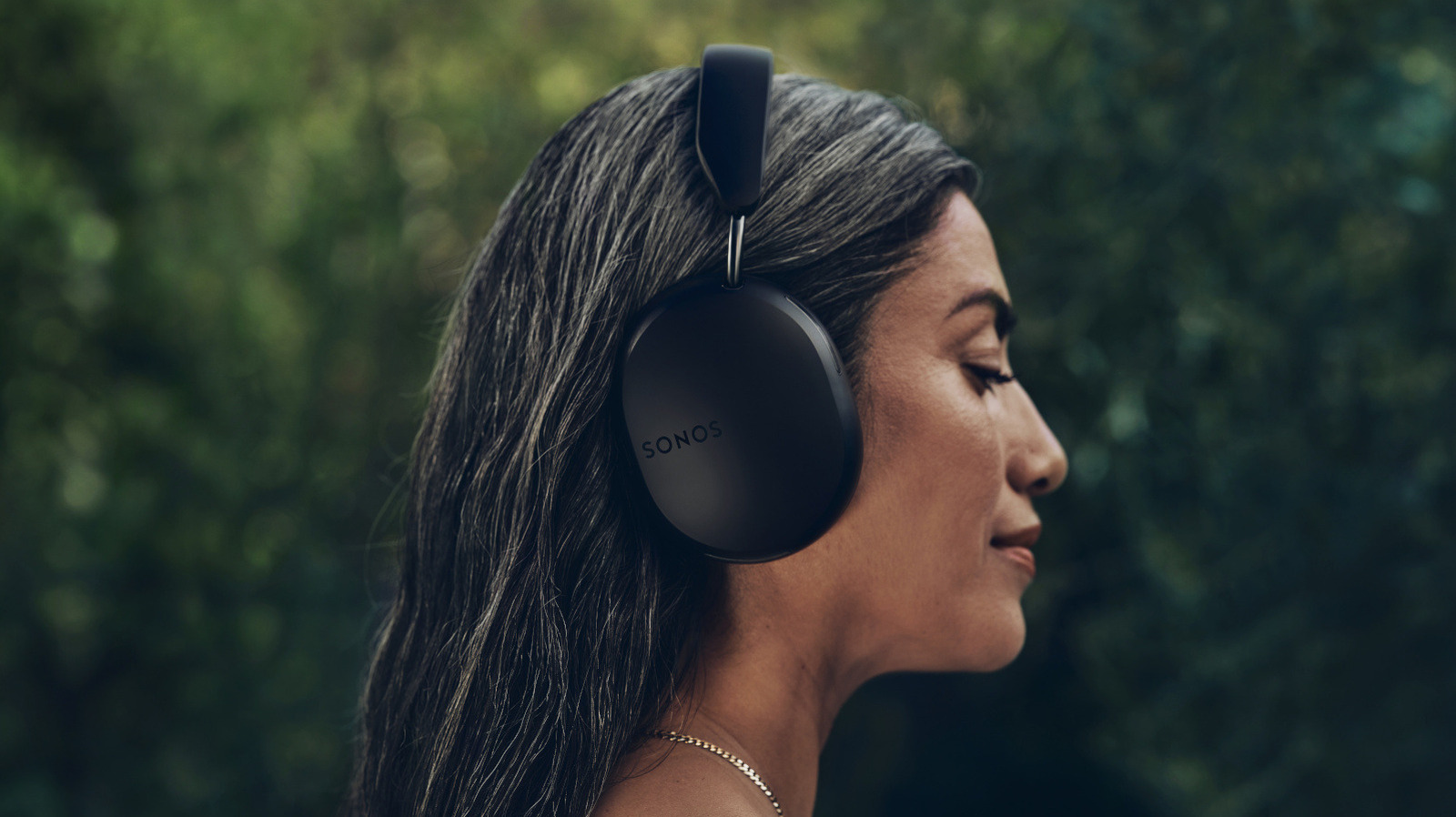
The highly anticipated "Ace Ultra" over-ear headphones from Sonos have made an appearance in a recent Federal Communications Commission (FCC) filing, signaling an imminent product launch expected in September. This development aligns with previous statements made by Sonos during its third-quarter financial call, where the company announced plans for a significant product unveiling later in the year. The filing, though heavily redacted to protect proprietary information, provides crucial details about the device, including its name, design characteristics, an expanded color palette, and a strong indication of integrated voice control capabilities, further cementing Sonos’ strategic pivot towards artificial intelligence (AI) in its product ecosystem.
The Regulatory Glimpse: Decoding the FCC Filing
The surfacing of the "Ace Ultra" in an FCC filing is a standard yet significant step in the product development cycle for consumer electronics. The FCC is the primary regulatory body in the United States responsible for approving electronic devices that emit radio frequency energy, ensuring they comply with safety and interference standards. Companies typically submit detailed documentation, including technical specifications, operational manuals, and images, as part of this approval process. While the public version of such filings often contains redactions to safeguard trade secrets and competitive advantages, the very existence of the filing serves as a strong indicator that a product is nearing its commercial release. For the Sonos Ace Ultra, the filing confirms an over-ear design, suggesting it will build upon the form factor established by the original Sonos Ace, which debuted in 2024. This continuity in design suggests Sonos is refining an existing successful blueprint rather than venturing into an entirely new ergonomic territory for its personal audio offerings.
Sonos’ Foray into Personal Audio: A Brief History and Market Diversification
The introduction of the "Ace Ultra" follows Sonos’ initial venture into the highly competitive personal audio market with the Sonos Ace headphones earlier in 2024. For years, Sonos had been synonymous with multi-room wireless home audio systems, building a loyal customer base around its speakers, soundbars, and subwoofers. The decision to enter the headphone market represented a strategic diversification, aimed at extending the Sonos ecosystem beyond the home and into personal, on-the-go listening experiences. The original Sonos Ace was designed to offer premium sound quality, active noise cancellation, and seamless integration with Sonos’ existing home theater setups, particularly through its innovative TrueCinema spatial audio enhancement feature. This feature, designed to calibrate sound based on a room’s acoustics when paired with a Sonos soundbar, highlighted the company’s ambition to leverage its core expertise in acoustic engineering for personal devices. The "Ultra" designation for the new model suggests an evolution, potentially offering enhanced performance, features, or materials compared to its predecessor, positioning it as a top-tier offering in the premium headphone segment.
The AI Imperative: Sonos’ Strategic Pivot and Voice Control’s Role
A key revelation from the FCC filing, further elaborated by reports from publications like Lowpass and Bloomberg, is the anticipated support for Sonos Voice Control (SVC) in the Ace Ultra. This feature is not merely a convenience; it is central to Sonos’ stated strategic direction. Sonos CEO Thomas Conrad explicitly articulated during the company’s earnings call that AI is set to become a "core part of its business strategy." In the context of a screen-less device like headphones, voice control is paramount for enabling interaction with AI assistants and chatbots. Without a visual interface, natural language processing through voice becomes the primary conduit for users to access advanced AI functionalities, whether it’s managing music playback, querying information, or controlling smart home devices.
Sonos Voice Control, first introduced in 2022, was designed to offer a privacy-focused alternative to third-party voice assistants like Amazon Alexa and Google Assistant, which are also supported on many Sonos speakers. SVC processes voice commands entirely on the device, minimizing data transfer to the cloud and addressing growing consumer concerns about data privacy. Integrating SVC into the Ace Ultra means users could potentially control their headphones, access Sonos’ extensive music services, and interact with future AI features directly through voice commands, creating a more intuitive and hands-free experience. This strategic emphasis on AI and voice control positions the Ace Ultra not just as a pair of premium headphones, but as an intelligent audio companion capable of evolving with Sonos’ broader AI initiatives.
Technical Underpinnings of AI and Voice Control in Headphones
The integration of AI into devices like the Ace Ultra goes beyond simple voice commands. It implies a sophisticated interplay of hardware and software designed to deliver an intelligent audio experience. For instance, AI could power advanced adaptive noise cancellation, dynamically adjusting to ambient sounds in real-time. It could also enable personalized audio profiles, learning user preferences over time to optimize sound equalization for different music genres or listening environments. Furthermore, with Sonos’ focus on a connected ecosystem, the Ace Ultra’s AI capabilities could facilitate seamless transitions between personal listening and whole-home audio, for example, by automatically pausing headphone playback when a user enters a room where a Sonos speaker is playing.
The processing for these AI features could be a hybrid model, utilizing both on-device AI for low-latency tasks (like noise cancellation and basic voice command processing) and cloud-based AI for more complex operations, such as generative AI applications or extensive data analysis. CEO Conrad’s vision for AI suggests a future where Sonos devices, interconnected across the home, act as a distributed network of intelligent audio hubs. Headphones, as a highly personal device, become a critical interface in this network, extending the AI experience directly to the user’s ears. This could involve features like real-time audio translation, intelligent summarization of audio content, or even proactive suggestions based on user context and location, although these advanced applications would likely unfold over time.
A Spectrum of Style: The Expanded Color Palette
The FCC filing also hints at a significant expansion in the aesthetic choices available for the Ace Ultra. While the original Sonos Ace was offered in a more conservative palette of two colors (typically black and white or a similar neutral pair), the Ace Ultra is slated to be available in five distinct hues: Greige (a light gray), Shadow Black, Agave (a muted green), Blush (a soft pink), and Sand (a warm beige). This wider selection suggests a deliberate move by Sonos to appeal to a broader demographic, recognizing that personal audio devices have become as much a fashion statement as a functional gadget. Brands like Apple, Sony, and Bose have long offered their premium headphones in various colors, understanding that customization and personal expression are key drivers in the consumer electronics market.
The inclusion of colors like Agave, Blush, and Sand indicates a trend towards more sophisticated, lifestyle-oriented palettes, moving beyond basic neutrals to shades that can complement personal style and fashion trends. "Greige" and "Shadow Black" offer classic, versatile options, while the other three inject personality. This expanded color range could be a strategic play to attract a younger, design-conscious audience, or simply to offer more choices to Sonos’ existing premium customer base, allowing them to better integrate their audio devices into their daily lives and personal aesthetics.
Learning from the Past: The Sonos App and Ace Launch Challenges
The journey of the original Sonos Ace was not without its hurdles, most notably stemming from issues with the Sonos app redesign in 2024. This redesign, intended to modernize the user interface and improve functionality, unfortunately led to widespread user dissatisfaction due to numerous bugs, missing key features, and general instability. Sonos later acknowledged that the redesign was released prematurely, partly because the new Ace headphones were incompatible with the older version of the app. This forced a rushed rollout that ultimately hampered the initial user experience for all Sonos customers, including early adopters of the Ace headphones.
A particularly salient example of these challenges was the delayed release of the TrueCinema spatial audio enhancement feature for the original Ace. Despite being touted as a key selling point, this feature, which calibrates spatial audio based on a room’s acoustics when paired with a Sonos soundbar, was not available at launch and only arrived a full year later. This delay frustrated users who had invested in the premium headphones expecting immediate access to all advertised functionalities. The incident highlighted the complexities of launching integrated hardware and software products and underscored the critical importance of a stable, fully functional software ecosystem for user satisfaction. For the Ace Ultra, Sonos will undoubtedly be under immense pressure to ensure a flawless software experience from day one, leveraging lessons learned from the previous app rollout and ensuring that all advertised features are fully operational upon release.
The Premium Headphone Arena: Competition and Market Positioning
The premium over-ear headphone market is fiercely competitive, dominated by established players such as Sony with its acclaimed WH-1000XM series, Bose with its QuietComfort line, and Apple with the AirPods Max. Each of these brands offers compelling features like industry-leading noise cancellation, exceptional sound quality, and strong ecosystem integration. Sonos enters this arena with its unique proposition: a deeply integrated multi-room audio ecosystem that offers seamless transitions between home audio and personal listening. This is Sonos’ primary differentiator. While competitors focus heavily on personal listening experiences, Sonos aims to provide a unified audio experience that spans the entire home and extends to the individual.
The pricing strategy for the Ace Ultra will be critical. Given the "Ultra" moniker and the implied enhancements, it is likely to be positioned at or above the original Ace’s premium price point. Sonos will need to justify this pricing with tangible improvements in audio fidelity, noise cancellation, battery life, build quality, and, crucially, the practical utility of its AI and ecosystem integration. Analyst expectations suggest that Sonos’ diversification into headphones is a necessary move to capture new revenue streams and expand its brand presence, but success hinges on delivering a product that genuinely stands out in a crowded market and avoids the software pitfalls of its predecessor. The ability of the Ace Ultra to seamlessly integrate with a user’s existing Sonos home audio setup, perhaps offering advanced features like shared audio streams or spatial sound calibration across devices, could be a compelling factor for existing Sonos users.
Beyond the Ace Ultra: Broader Implications for Sonos’ Ecosystem
The launch of the Ace Ultra is likely just one piece of a larger puzzle in Sonos’ AI-driven future. CEO Thomas Conrad’s assertion that Sonos has a significant advantage in home AI, owing to its interconnected whole-house audio devices, paints a picture of a future where all Sonos products communicate and collaborate as an intelligent system. The Ace Ultra, with its voice control and potential AI capabilities, could serve as a critical gateway for users to interact with this burgeoning smart home audio ecosystem. Imagine a scenario where the headphones can intelligently detect a user’s location within the home and seamlessly transfer audio playback to the nearest speaker, or where voice commands issued through the headphones can control not just music, but also lighting, thermostats, and other smart home devices integrated with Sonos.
This broader vision implies that Sonos is not merely building individual gadgets but is crafting an intelligent audio platform. The success of the Ace Ultra will therefore be measured not just by its standalone performance but by its ability to enhance and extend the value of the entire Sonos ecosystem. As the company continues to invest in AI research and development, we can anticipate a pipeline of future products that leverage machine learning for more personalized, adaptive, and intuitive audio experiences, solidifying Sonos’ position at the forefront of smart home audio innovation. The "Ace Ultra" marks a pivotal step in this ambitious strategic direction, aiming to deliver not just superior sound, but a truly intelligent and integrated audio lifestyle.