George Chandra Eka
Yes, digital cameras remain a profoundly valuable investment for anyone willing to dedicate themselves to the art and craft of photography, offering unparalleled image quality, creative control, and an engaging hobby that smartphones, despite their remarkable advancements, cannot fully replicate. While the ubiquitous smartphone camera has democratized photography, making high-quality imaging accessible to billions, a distinct and thriving market persists for dedicated digital cameras, ranging from sophisticated mirrorless systems with interchangeable lenses to specialized compacts and action cameras. These tools cater to a diverse audience, from professional photographers and videographers to passionate hobbyists and content creators, all seeking capabilities beyond the reach of mobile devices.
The modern photographic landscape is characterized by a fascinating dichotomy. On one hand, smartphone cameras have evolved at an astonishing pace, integrating advanced computational photography techniques and increasingly larger sensors to produce impressive results in a multitude of conditions. The adage, "the best camera is the one you have with you," has never been more pertinent, with smartphones consistently delivering capable snapshots for everyday use, social media sharing, and casual documentation. However, this convenience often comes with inherent limitations that dedicated digital cameras are specifically designed to overcome. For those who prioritize intricate detail, precise control over artistic expression, superior performance in challenging lighting, or specialized optical needs, the digital camera remains an indispensable instrument.
The Evolving Photography Landscape: A Brief History and Current Trends
To fully appreciate the enduring relevance of digital cameras, it’s essential to understand the journey of photography technology. The transition from film to digital began in earnest in the late 20th century, with early digital cameras offering convenience but often lacking the resolution and dynamic range of their film counterparts. The 2000s saw the rapid ascent of Digital Single-Lens Reflex (DSLR) cameras, which quickly became the standard for professionals and serious enthusiasts, offering interchangeable lenses, large sensors, and robust manual controls. Manufacturers like Canon and Nikon dominated this era, pushing innovations in sensor technology, autofocus systems, and high-ISO performance.
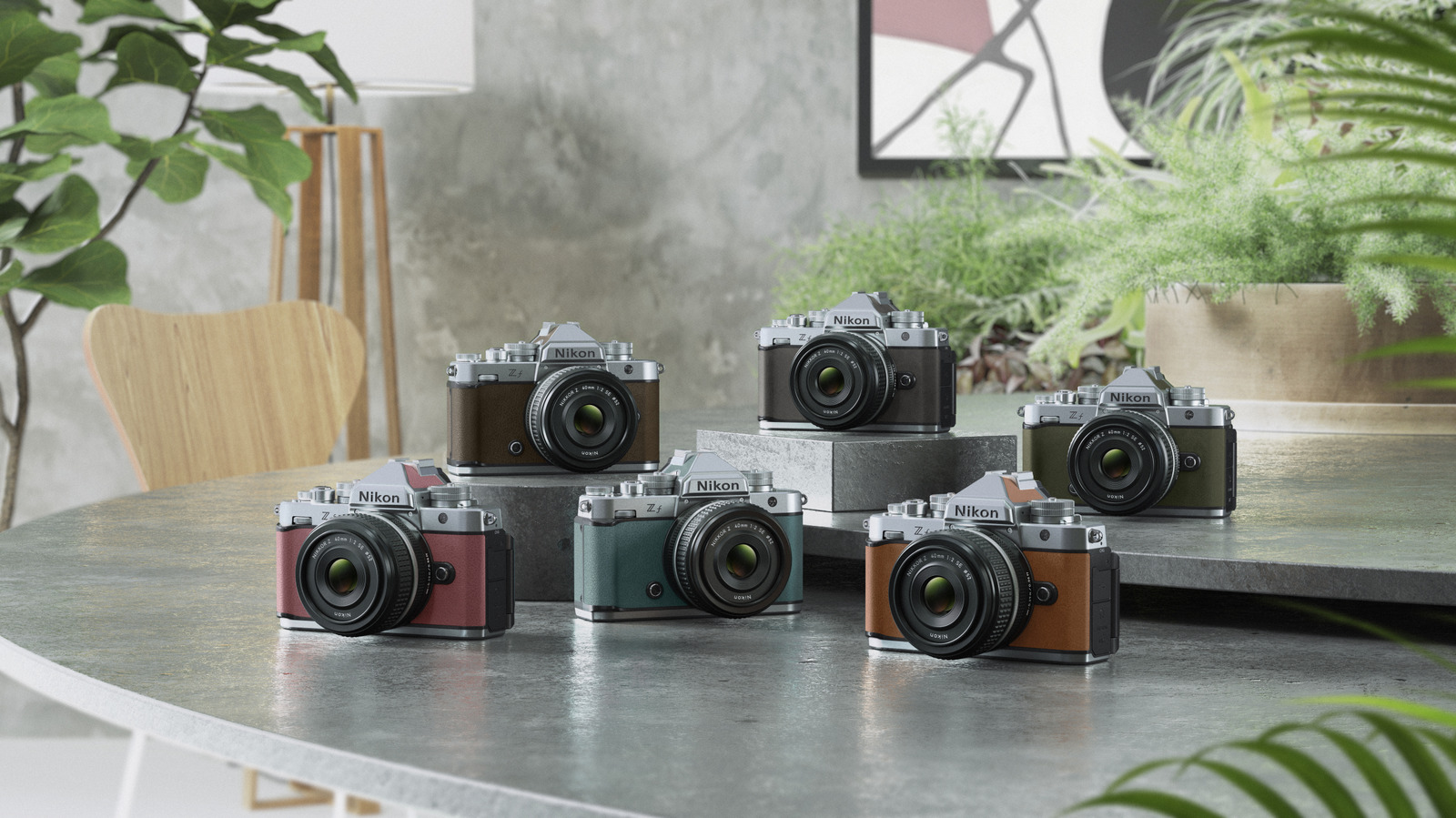
The 2010s marked another significant shift with the introduction and rapid maturation of mirrorless interchangeable lens cameras. Brands like Sony, Fujifilm, and Panasonic pioneered this segment, offering smaller, lighter bodies while retaining the large sensors and lens versatility of DSLRs. By eliminating the mirror box and optical viewfinder in favor of electronic viewfinders, mirrorless cameras achieved faster continuous shooting speeds, more accurate autofocus across the entire sensor, and superior video capabilities. Today, mirrorless cameras, exemplified by models like the Nikon Z f or the professional-grade Nikon Z9, represent the pinnacle of digital camera technology, largely superseding DSLRs in terms of innovation and market share.
Parallel to this, smartphone cameras underwent their own revolution. Initially basic, they transformed into sophisticated imaging devices, largely driven by advances in computational photography. Algorithms now stitch multiple exposures, simulate shallow depth of field, and enhance detail in ways that once required professional-grade equipment and extensive post-processing. This evolution has undeniably raised the bar for what consumers expect from a camera, making the distinction between a "good enough" smartphone photo and a "superior" dedicated camera photo more nuanced than ever. Yet, despite these leaps, fundamental physical limitations persist for smartphones, creating the enduring value proposition for dedicated cameras.
Why Digital Cameras Continue to Be a Worthwhile Investment in 2026
The decision to invest in a digital camera in 2026 hinges on specific needs and photographic aspirations. While a smartphone excels as a general-purpose device, dedicated digital cameras offer a suite of advantages that translate directly into superior image quality, greater creative control, and a more fulfilling photographic experience.
-
Unparalleled Sensor Size and Image Fidelity:
The most fundamental advantage of a digital camera over a smartphone lies in its sensor size. Modern mirrorless cameras often feature APS-C or full-frame sensors, which are significantly larger than the typically tiny sensors found in smartphones (even the most advanced ones, which might feature 1-inch type sensors, are still dwarfed by dedicated camera sensors). For instance, a full-frame sensor (approximately 36mm x 24mm) is roughly 15 times larger than a 1-inch smartphone sensor and over 50 times larger than a typical 1/2.55-inch smartphone sensor. This physical difference translates into:- Superior Low-Light Performance: Larger sensors can gather significantly more light, resulting in cleaner images with less noise at higher ISO sensitivities. This is critical for capturing scenes in dimly lit environments without resorting to heavy digital noise reduction that smears fine detail.
- Wider Dynamic Range: Dedicated cameras capture a broader range of tones from the darkest shadows to the brightest highlights, preserving more detail in high-contrast scenes. This provides greater flexibility in post-processing to recover details that would be clipped or crushed in a smartphone image.
- Shallower Depth of Field (Natural Bokeh): A larger sensor, combined with a fast lens, inherently produces a more pleasing and natural background blur (bokeh). This is crucial for isolating subjects in portraits, still life, and product photography, creating a professional aesthetic that smartphone "Portrait Modes" attempt to simulate computationally but often fall short of in terms of authenticity and refinement, especially around complex edges.
High-resolution models like Sony’s A7R VI, with its high megapixel count, exemplify the capability to capture intricate detail for large prints or aggressive cropping without significant loss of quality, a feat largely unattainable for smartphones.
-
Unmatched Lens Versatility and Optical Quality:
The ability to change lenses is perhaps the most compelling reason to opt for an interchangeable lens digital camera. This offers photographers a specialized tool for virtually every photographic scenario:- Prime Lenses: Fixed focal length lenses (e.g., 50mm f/1.8) offer exceptional sharpness, wider apertures for superior low-light performance, and stunning background blur.
- Zoom Lenses: Versatile for general use (e.g., 24-70mm f/2.8) or specialized telephoto needs (e.g., 70-200mm f/2.8) for sports and wildlife.
- Ultra-Wide Angle Lenses: Essential for expansive landscapes, architecture, and interior shots.
- Macro Lenses: Designed for extreme close-up photography, revealing details invisible to the naked eye.
- Telephoto Lenses: For capturing distant subjects like wildlife or sporting events with incredible reach, such as the capabilities offered by lenses that pair with cameras like the Canon EOS R5 II.
While smartphones offer multiple fixed-focal-length lenses (wide, ultrawide, telephoto), these are inherently limited by their small physical size and cannot match the optical quality, light-gathering capabilities, or specialized applications of dedicated camera lenses. The Sony RX10 V, a compact superzoom camera, showcases the power of a single fixed lens offering an impressive 24-600mm optical zoom, a range physically impossible for a smartphone to achieve without severe compromises in image quality and form factor.
-
Comprehensive Manual Control and Creative Expression:
Digital cameras provide extensive manual control over every aspect of image capture: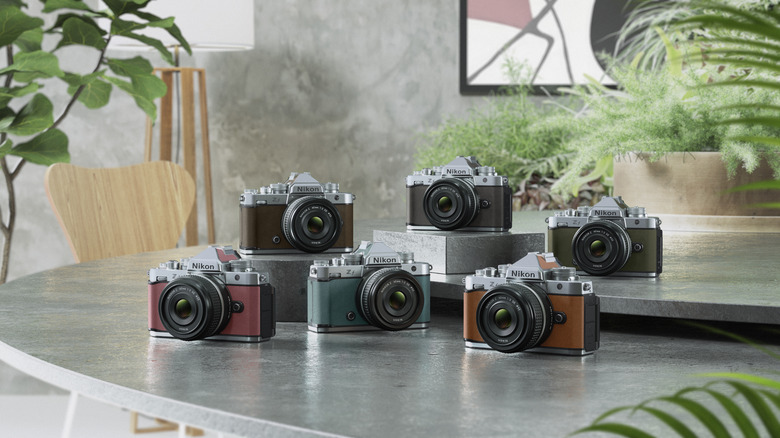
- Exposure Triangle (Aperture, Shutter Speed, ISO): Full manual control allows photographers to intentionally manipulate these settings to achieve specific creative effects, such as freezing fast action with a high shutter speed, creating motion blur with a slow shutter speed, or controlling depth of field with aperture.
- White Balance: Precise control ensures accurate color reproduction under various lighting conditions.
- Focusing Systems: Advanced autofocus systems, often employing AI-driven subject tracking, deliver pinpoint accuracy, especially crucial for fast-moving subjects. Manual focus offers even finer control when needed.
- RAW Image Capture: Dedicated cameras typically capture images in RAW format, which retains significantly more image data than JPEG. This provides immense flexibility during post-processing to adjust exposure, color, and contrast without degrading image quality, allowing photographers to craft their exact vision.
While some smartphone apps like Halide offer more granular control, they operate within the confines of the phone’s hardware and computational processing, which often "helps" the user by default. Digital cameras, by contrast, empower the photographer to make all creative decisions, fostering a deeper understanding and appreciation of the photographic process. This intentionality is a key differentiator for those seeking more than just a snapshot.
-
Ergonomics, Durability, and Specialized Features:
Dedicated cameras are designed with ergonomics in mind. Their larger bodies provide a substantial grip, enhancing stability and comfort, especially with heavier lenses. Physical dials, buttons, and joysticks offer tactile feedback and quick access to critical settings, allowing photographers to react swiftly to changing scenes without navigating touch-screen menus. Electronic viewfinders (EVFs) offer a clear, stable view of the scene, often displaying exposure and white balance in real-time.Furthermore, many digital cameras are built to withstand challenging environments, featuring weather sealing and robust construction. Specialized categories include:
- Action Cameras: Like the GoPro Mission 1 Pro, these are rugged, compact, and designed for extreme sports and adventurous activities, offering unique perspectives and durability that smartphones cannot match.
- Vlogging Cameras: Models such as Sony’s ZV-E1 are specifically tailored for content creators, featuring articulating screens, advanced audio input options, and user-friendly video functionalities like product showcase mode and background defocus.
- High-Performance Cameras: Cameras like the Nikon Z9 offer professional-grade features such as incredibly fast burst speeds (e.g., 20-120 frames per second), intelligent autofocus with deep learning capabilities for subject recognition, and high dynamic range video recording, essential for sports, wildlife, and demanding cinematic productions.
Some Downsides and Considerations for Prospective Buyers
Despite the compelling advantages, potential buyers of digital cameras in 2026 must also consider several notable downsides, primarily related to cost, complexity, and convenience.
-
Significant Financial Investment:
The most substantial barrier to entry for many is the cost. While entry-level mirrorless cameras like Canon’s EOS R100 can be found for around $500 (comparable to a mid-range smartphone), this is often just the beginning.- Camera Bodies: High-end mirrorless cameras can easily cost upwards of $3,000 to $5,000 for the body alone (e.g., Sony Alpha 7 V, Nikon Z9).
- Lenses: The true expense often lies in the lenses. A versatile professional zoom lens can cost $1,500 to $2,500 each, while specialized prime or telephoto lenses can run into several thousands of dollars. Building a comprehensive lens kit can quickly double or triple the initial camera body investment.
- Accessories: Essential accessories like extra batteries, high-speed memory cards, filters, tripods, camera bags, and cleaning kits add further to the overall expenditure. This multi-component investment contrasts sharply with the single-device purchase of a smartphone.
-
Increased Complexity and Learning Curve:
Unlike smartphones that often automate most photographic decisions, digital cameras demand a greater understanding of photographic principles. Mastering concepts like the exposure triangle, composition, focusing techniques, and light metering requires time and effort.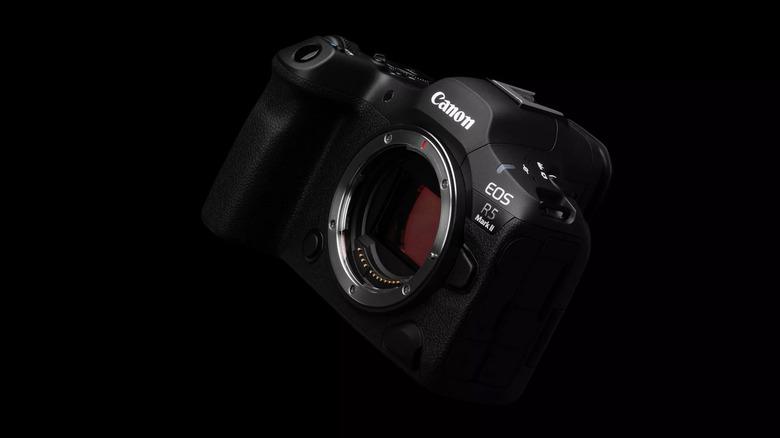
- Post-Processing Workflow: Capturing high-quality RAW files necessitates a post-processing workflow. This involves offloading files from memory cards to a computer, importing them into editing software like Adobe Lightroom or Capture One, and then spending time adjusting various sliders and tools to refine the image. This can be a time-consuming and involved process, a stark contrast to the instant, often AI-enhanced, output of a smartphone. For many casual users, this additional step is a deterrent.
-
Portability and Convenience Trade-offs:
While mirrorless cameras are generally more compact than their DSLR predecessors, they are still significantly larger and heavier than smartphones. Carrying a camera body, multiple lenses, and accessories can be cumbersome, especially when traveling or for casual outings. The "best camera is the one you have with you" principle strongly favors the smartphone in terms of sheer convenience and immediacy. Sharing photos from a dedicated camera typically involves transferring files, whereas smartphones offer instant sharing capabilities across various platforms.
Market Segments and Target Audiences in 2026
The market for digital cameras in 2026 is increasingly segmented, catering to specific user profiles and needs:
- Professional Photographers: For wedding photographers, photojournalists, commercial artists, and studio professionals, dedicated digital cameras are non-negotiable. They rely on the superior image quality, robust build, reliability, and specific optical tools that only high-end camera systems can provide to meet client demands and withstand rigorous use.
- Serious Hobbyists and Enthusiasts: This segment values the creative control, technical mastery, and superior results that dedicated cameras offer. They view photography as a passionate pursuit, often investing significant time and resources into learning and improving their skills.
- Content Creators and Videographers: With the boom of platforms like YouTube and TikTok, there’s a growing demand for cameras optimized for video production. Models like the Sony ZV-E1, with their advanced video features, excellent low-light performance, and user-friendly vlogging ergonomics, cater directly to this demographic.
- Niche Specialists: Wildlife photographers, astrophotographers, sports photographers, and macro photographers require specialized lenses and camera features that are simply unavailable on smartphones. Their unique demands drive the continued innovation in telephoto lenses, high-speed autofocus, and extreme low-light sensitivity.
Future Outlook and Continued Innovation
The future of digital cameras promises continued innovation, ensuring their relevance for years to come. Manufacturers are constantly pushing boundaries in several key areas:
- Sensor Technology: Expect even more advanced sensors with improved dynamic range, lower noise, and faster readout speeds (e.g., global shutters to eliminate rolling shutter distortion).
- Artificial Intelligence Integration: While distinct from smartphone computational photography, AI is increasingly being integrated into camera systems for more sophisticated autofocus tracking, improved in-body image stabilization, and intelligent scene recognition, enhancing user experience without sacrificing creative control.
- Connectivity and Workflow: Cameras will likely offer more seamless integration with cloud services, faster wireless transfer to mobile devices for quick sharing, and more intuitive in-camera editing options.
- Miniaturization: While physical limits exist, continued efforts to reduce the size and weight of camera bodies and lenses without compromising performance will make them even more appealing.
Simultaneously, smartphone photography will continue its impressive trajectory, likely improving in areas like optical zoom and computational bokeh. However, the fundamental physics governing sensor size and lens optics will likely prevent smartphones from fully replicating the capabilities of dedicated cameras, especially at the high end. The physical constraints of a slim device mean that true optical performance, specialized lens designs, and substantial light-gathering capabilities will remain the domain of dedicated photographic equipment.
In conclusion, digital cameras are unequivocally still worth buying in 2026 for individuals who seek to transcend casual photography. For those who view photography as a craft, an art form, or a professional endeavor, the superior image quality, extensive creative control, specialized tools, and robust build of a dedicated camera system offer an experience and results that no smartphone can match. The decision to invest in a digital camera is a commitment—a commitment to learning, to engaging with the process, and to pursuing a vision that goes beyond the immediate snapshot. For those willing to put in the work, the rewards in photographic quality and personal fulfillment will continue to be profound.