Clarissa Hana
The sophisticated Android malware known as ToxicPanda has undergone a significant evolution, emerging in its version 2.0 with a potent new arsenal of malicious functionalities. This updated threat landscape now encompasses a broadened attack surface, targeting an extensive 349 applications, and boasts an expanded command repertoire of 167 remote instructions. The most alarming development is its newfound ability to leverage VPN service permissions, creating a local network interface that grants it granular control over network traffic. This capability is strategically employed to cripple communication channels with Google Play and Google Play Services, effectively isolating infected devices from critical security updates, app verifications, and other protective measures enforced by Google.
This strategic network-level interference is a critical escalation, allowing ToxicPanda 2.0 to circumvent and neutralize various security checks and user protection mechanisms. By disrupting communication with Google Play, the malware can prevent legitimate app verifications, halt essential security updates, interfere with Play Protect’s safeguarding protocols, and even disable other benign disruptions designed to protect users from malicious activity. This insidious approach not only facilitates the malware’s own clandestine operations but also significantly degrades the device’s overall security posture, leaving it vulnerable to further compromise.
A Deceptive Onboarding Process
The modus operandi of ToxicPanda 2.0 after gaining VPN service permissions is particularly insidious. It first establishes its network blockade against Google Play. This crucial step is designed to prevent any immediate detection or removal attempts by Google’s security infrastructure. Following this, the malware proceeds to extract and install its primary malicious payload. Only after these initial stages are completed does it initiate a request for Accessibility Service permissions. This sequence is carefully orchestrated to ensure maximum stealth and operational effectiveness.

Mobile security firm Zimperium, which has been closely monitoring the threat, has identified that ToxicPanda 2.0 is being disseminated through Amazon AWS-hosted buckets. This distribution method leverages cloud infrastructure, which can provide a degree of anonymity and scalability for the threat actors. The use of compromised or maliciously configured cloud storage services is a common tactic employed by malware distributors to host and serve their malicious payloads, making it challenging to trace the origin of the attacks.
Expanding Capabilities and Data Theft
Further analysis of the malware has revealed a disturbing enhancement: the integration of functions to automate the Android Wireless Debugging Bridge (ADB). This allows ToxicPanda 2.0 to achieve shell-level access to infected devices, granting it profound control over the Android operating system. ADB, a powerful developer tool, is designed for debugging and interacting with Android devices, but its misuse by malware opens up a vast array of vulnerabilities.
The latest iteration of ToxicPanda boasts support for an impressive 167 remote commands, enabling a wide range of malicious actions. Its targeting has also expanded significantly, with phishing overlays designed to deceive users and steal credentials from 349 banking, financial, cryptocurrency, and e-wallet applications. These targeted applications span 16 different countries, indicating a broad geographical scope for the threat actors’ operations. The malware’s ability to dynamically update its target list suggests an adaptive and persistent approach to evolving financial fraud schemes.
A particularly concerning module within the malware is dedicated to PIN harvesting. This specialized component focuses on 140 financial and cryptocurrency applications. It can dynamically update its target list, meaning that even if a user’s specific financial app is not initially targeted, it could be added to the list of compromised applications at any time. The researchers have highlighted that the app overlays employed by ToxicPanda are designed to be invisible to the victim. This invisibility is crucial, as it allows the malware to capture touch inputs on targeted apps without raising suspicion, directly leading to the theft of sensitive login credentials and financial information.

Sophisticated Evasion and Persistence Tactics
Beyond its data-stealing capabilities, ToxicPanda has also developed sophisticated methods to evade detection and maintain persistence on infected devices. The malware can spoof the Android lock screen, presenting a convincing replica of the legitimate interface to trick users into entering their device PINs, unlocking patterns, and passwords. This allows attackers to gain full access to the device, bypassing even the most basic security measures.
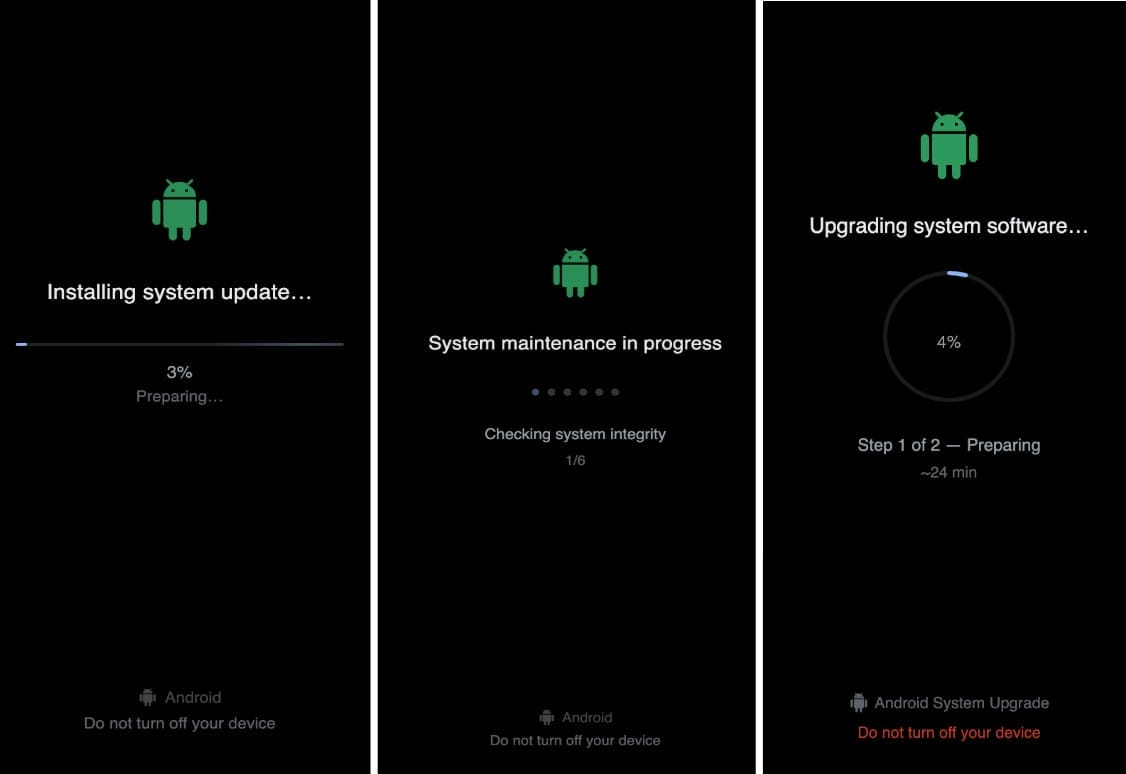
In some analyzed samples, ToxicPanda has been observed using fake system update screens. These deceptive overlays serve a dual purpose: they mask ongoing malicious activity from the user’s view and can be used to prompt users to grant further permissions or download additional malicious components, disguised as necessary updates. This social engineering tactic preys on users’ trust in system updates as a legitimate part of device maintenance.
A critical command, identified as "autoBoot," demonstrates the malware’s commitment to persistence. This command intelligently identifies the host device’s manufacturer and then executes OEM-specific auto-start or power management settings. The objective is to ensure that ToxicPanda can relaunch itself automatically after device reboots or even when background processes are terminated by the operating system. This bypasses battery consumption protections implemented by manufacturers like Xiaomi, OPPO, Vivo, Samsung, and Huawei, which are designed to kill resource-intensive background processes, thereby ensuring the malware remains active on the device for as long as possible.
Abusing Android Debug Bridge (ADB) for Elevated Access
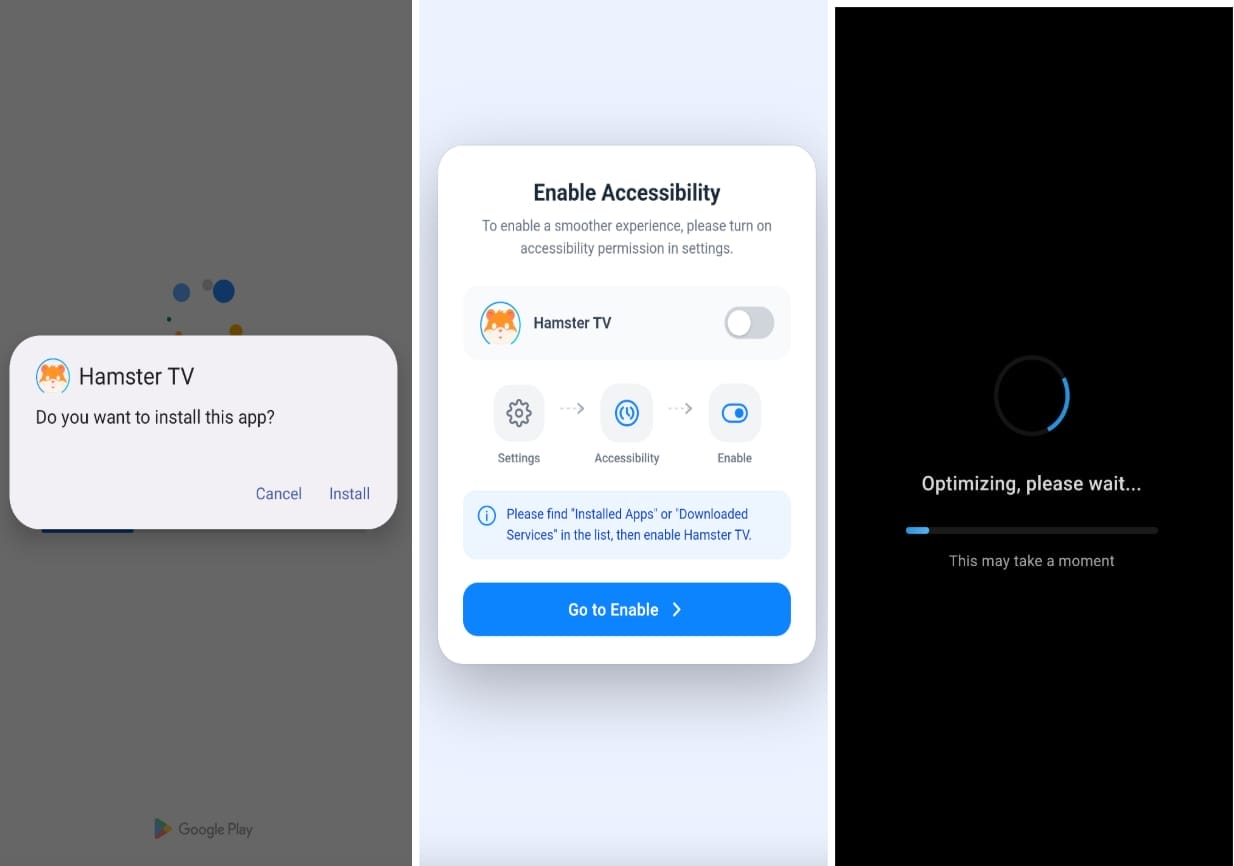
One of the most significant and concerning advancements in the analyzed recent version of ToxicPanda is its automated abuse of the Android Debug Bridge (ADB) to secure shell-level access. ADB, typically a tool for developers to debug and interact with Android devices, is now being weaponized by this malware. Wireless ADB, a feature introduced in Android 11, allows for this debugging access over Wi-Fi without the need for a physical USB connection, making it an attractive target for malware seeking remote control.
The process by which ToxicPanda 2.0 exploits Wireless ADB is particularly clever and requires a combination of permissions. By first obtaining Accessibility Services permissions, the malware can programmatically enable Developer Options on the infected device. Once Developer Options are active, it can then activate Wireless Debugging. The subsequent steps involve extracting the six-digit ADB pairing code and the associated port number. With this information, ToxicPanda can then establish a connection with the device’s local ADB service.
Once the malware gains shell user permissions through this ADB connection, it can execute high-privilege commands directly through the ADB daemon. This allows ToxicPanda to bypass standard Android runtime consent prompts that would typically require user approval for granting broad permissions. It can neutralize operating system background restrictions, silently enable critical system components that are usually protected, and enforce its own persistence mechanisms without any user intervention. This level of access effectively renders the device’s native security controls largely irrelevant.
The abuse of Wireless ADB is not an isolated incident; it represents a growing trend among Android malware developers. Other sophisticated Android malware families have recently been observed implementing similar mechanisms to gain elevated access. For instance, Group-IB recently reported that the latest version of the RedHook malware also employs a comparable method utilizing Wireless ADB for shell access. This suggests a broader adoption of this technique within the Android threat landscape, indicating a potential shift towards more deeply integrated and system-level attacks.
Broader Implications and Threat Landscape
The evolution of ToxicPanda underscores the persistent and adaptive nature of mobile malware threats. The malware’s ability to block Google Play communications is a particularly concerning development, as it directly undermines the primary defense mechanism for most Android users. This strategy allows the malware to operate in a stealthier environment, free from the watchful eye of Google’s security services.
The expansion of targeted applications and the inclusion of specialized PIN-harvesting modules highlight the financial motivations behind these attacks. Threat actors are increasingly sophisticated in their approach to financial fraud, employing multi-faceted strategies that combine credential theft, social engineering, and deep system access.
The use of cloud infrastructure for distribution and the exploitation of advanced Android features like Wireless ADB demonstrate the evolving technical capabilities of malware developers. This necessitates a continuous arms race between security researchers and threat actors, with an ongoing need for enhanced detection methods and proactive security measures.
Zimperium has made a valuable contribution to the cybersecurity community by publishing a comprehensive list of indicators of compromise (IoCs) associated with the latest ToxicPanda version. This information, available in a dedicated GitHub repository, is crucial for security professionals and researchers to identify and mitigate the threat on their networks and devices.
The increasing sophistication of Android malware, as exemplified by ToxicPanda 2.0, poses a significant and growing risk to users worldwide. The trend of exploiting system-level features and evading established security protocols demands heightened vigilance from both end-users and the cybersecurity industry. As malware continues to evolve, so too must our defenses to effectively counter these persistent and increasingly dangerous threats. The ability to disable crucial security checks and maintain stealthy persistence on a device makes ToxicPanda a particularly formidable adversary in the ongoing battle for mobile security.