Clarissa Hana
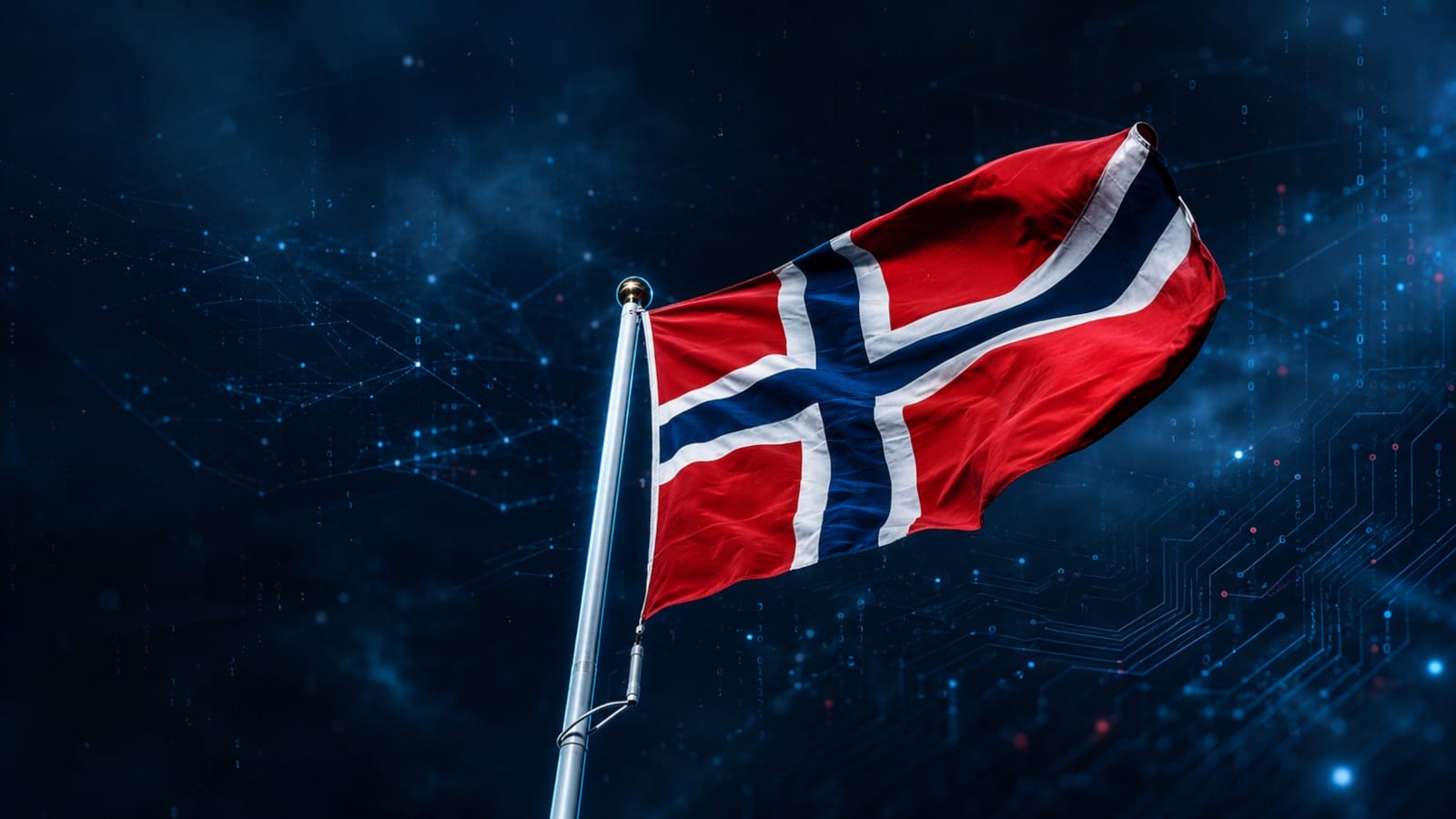
A significant distributed denial-of-service (DDoS) attack, commencing early Monday morning, has severely impacted Norway’s shared digital government infrastructure, disrupting a wide array of public services essential for citizens and the public sector. The ongoing cyber onslaught, which began at 03:38 CEST on Monday, has targeted the core systems managed by the Norwegian Digitalization Agency, known locally as Digitaliseringsdirektoratet (Digdir), and its operational partner, Vivicta. This coordinated assault has led to intermittent but complete service outages and significant performance degradation across numerous digital platforms.
Chronology of the Attack and Disruption
The incident unfolded rapidly, with the first indications of trouble appearing in the early hours of Monday. By 03:38 CEST, the coordinated flood of malicious traffic began overwhelming the servers responsible for hosting and delivering critical government digital services. This type of attack aims to make online services unavailable by flooding them with an overwhelming amount of internet traffic, effectively grinding them to a halt.
Digdir, which is responsible for the nation’s foundational digital infrastructure, experienced immediate and widespread effects. Services that citizens and public employees rely on daily, such as the national electronic identification portal (ID-porten), electronic signature services (eSignering), secure digital mail, and the submission of government forms, were among the first to show signs of distress. For short periods, many of these services were rendered completely inaccessible to users.
As the attack persisted throughout Monday and into Tuesday, the Norwegian Digitalization Agency worked to stabilize the affected systems. While significant progress has been made, and many services have seen their availability restored, a residual impact remains. As of the latest updates, services like ID-porten and eSignering are still experiencing partial inaccessibility. This means that even when users can connect, they may face lengthy login times, intermittent connection failures, and slow server responses, significantly hindering their ability to conduct official business online.
Scope and Impact of the Disruption
The ramifications of this attack extend far beyond the immediate technical difficulties. Digdir underpins a vast ecosystem of digital interactions within Norway. Its services facilitate secure and efficient communication between citizens, businesses, and government entities. This includes:
- Public-Service Logins: Providing a unified and secure way for citizens to access various government portals.
- Electronic IDs and Signatures: Enabling secure digital authentication and the legally binding signing of documents.
- Secure Digital Mail: A platform for official communication between government bodies and the public.
- Government Forms: The digital gateways for submitting applications, declarations, and other official documents.
- Public-Record Access: Facilitating the retrieval of information from government databases.
- Data Exchange Between Agencies: Ensuring seamless and secure flow of information within the public sector.
The disruption to these core services has a ripple effect across the entire Norwegian digital landscape. For instance, Altinn, Norway’s central digital platform for communication between citizens, businesses, and government agencies, has issued a direct warning to its users. Altinn has reported login issues and general operational problems, explicitly linking these to the ongoing disruptions affecting Digdir. Similarly, Skatteetaten, Norway’s tax administration agency, has posted notices on its website acknowledging login difficulties and advising users to attempt their transactions at a later time. This indicates that the attack’s impact is not confined to Digdir’s direct services but also affects all entities that rely on its foundational infrastructure for their own operations.
Official Statements and Investigation
Frode Danielsen, the director of Digdir, addressed the situation in a recent announcement, confirming the agency’s efforts to restore full functionality. He emphasized that while the investigation into the incident is ongoing, there are currently no indications of a security breach that would compromise the organization’s internal systems or lead to the exposure of personal data. This is a critical point, as it suggests the attack is primarily focused on disruption rather than data theft, although the distinction can sometimes blur in complex cyber incidents.
Danielsen also revealed a concerning trend: this is not an isolated incident. This marks the third significant DDoS attack targeting Digdir in recent months. Previous attacks occurred in June and most recently on August 3, indicating a persistent and possibly escalating campaign against Norway’s digital infrastructure. The frequency and scale of these attacks raise questions about the motives and capabilities of the perpetrators.
In response to the severity of the situation, both the Norwegian National Security Authority (NSM) and the Norwegian Data Protection Authority (Datatilsynet) have been formally notified. These agencies are responsible for national security and data privacy, respectively, and their involvement underscores the gravity of the cyber threat.
Attribution and Speculation
As is often the case with large-scale cyberattacks, there has been no official attribution of responsibility for this latest incident. However, Norwegian media outlets have begun to speculate about potential involvement, with some reports pointing towards Russia. Such speculation, while not officially confirmed, often arises in the context of geopolitical tensions and the known cyber warfare capabilities of state-sponsored actors. It is important to note that such attributions are often complex and require extensive investigation by intelligence agencies.
The Evolving Threat Landscape of DDoS Attacks
Distributed Denial-of-Service (DDoS) attacks have evolved significantly over the years. Once considered a relatively unsophisticated method of disruption, they have become more potent and complex, often serving as a smokescreen for more malicious activities or as a tool for geopolitical pressure. Modern DDoS attacks can leverage vast botnets composed of millions of compromised devices, making them incredibly difficult to mitigate. Attackers can also employ sophisticated techniques such as application-layer attacks, which mimic legitimate user traffic, making them harder to distinguish from genuine requests.

The sustained nature of the attack on Digdir suggests a determined effort. The sheer volume of malicious traffic required to overwhelm government-grade infrastructure points to a well-resourced and organized attacker. The fact that the attacks have been recurring further suggests a strategic objective rather than a one-off opportunistic strike.
Broader Implications for Cybersecurity in Norway
The repeated targeting of Norway’s digital infrastructure highlights critical vulnerabilities within the nation’s cybersecurity posture. The reliance on shared digital infrastructure, while offering efficiencies, also presents a single point of failure that can be exploited. The Norwegian government has been a proponent of digitalization, aiming to streamline public services and enhance citizen engagement through digital channels. However, these efforts are inherently dependent on the security and resilience of the underlying digital infrastructure.
The attacks serve as a stark reminder of the persistent and evolving threat landscape that governments and critical infrastructure providers face. The Norwegian government, alongside its operational agencies like Digdir, will likely need to reassess and strengthen its defenses. This could involve:
- Enhanced DDoS Mitigation Strategies: Investing in more advanced and adaptive DDoS protection services, potentially involving global network providers and specialized security firms.
- Diversification of Infrastructure: Exploring strategies to reduce reliance on a single point of failure for critical services.
- Increased Intelligence Sharing: Collaborating more closely with international partners to share threat intelligence and identify potential perpetrators.
- Public Awareness Campaigns: Educating citizens and public sector employees about cybersecurity best practices to prevent their devices from being co-opted into botnets.
- Resilience Planning: Developing robust business continuity and disaster recovery plans that can be swiftly activated in the event of cyberattacks.
The Norwegian Digitalization Agency has provided a public service for live updates on the availability of its services. Citizens and stakeholders can consult the official operating status page (http://status.digdir.no/) and the incident report page (https://testmiljo.status.digdir.no/incidents/ntvftz0nwhl6) for the most current information. This transparency is crucial for maintaining public trust during a period of disruption.
In conclusion, the ongoing DDoS attacks against Norway’s digital government infrastructure represent a significant challenge. The disruption to essential public services underscores the critical importance of robust cybersecurity measures in an increasingly digitized world. While the immediate focus remains on restoring full service and investigating the perpetrators, the long-term implications for Norway’s digital resilience and national security are substantial. The recurring nature of these attacks suggests a deliberate and persistent campaign that requires a comprehensive and strategic response from all levels of government and the security apparatus.