Evan Lee Salim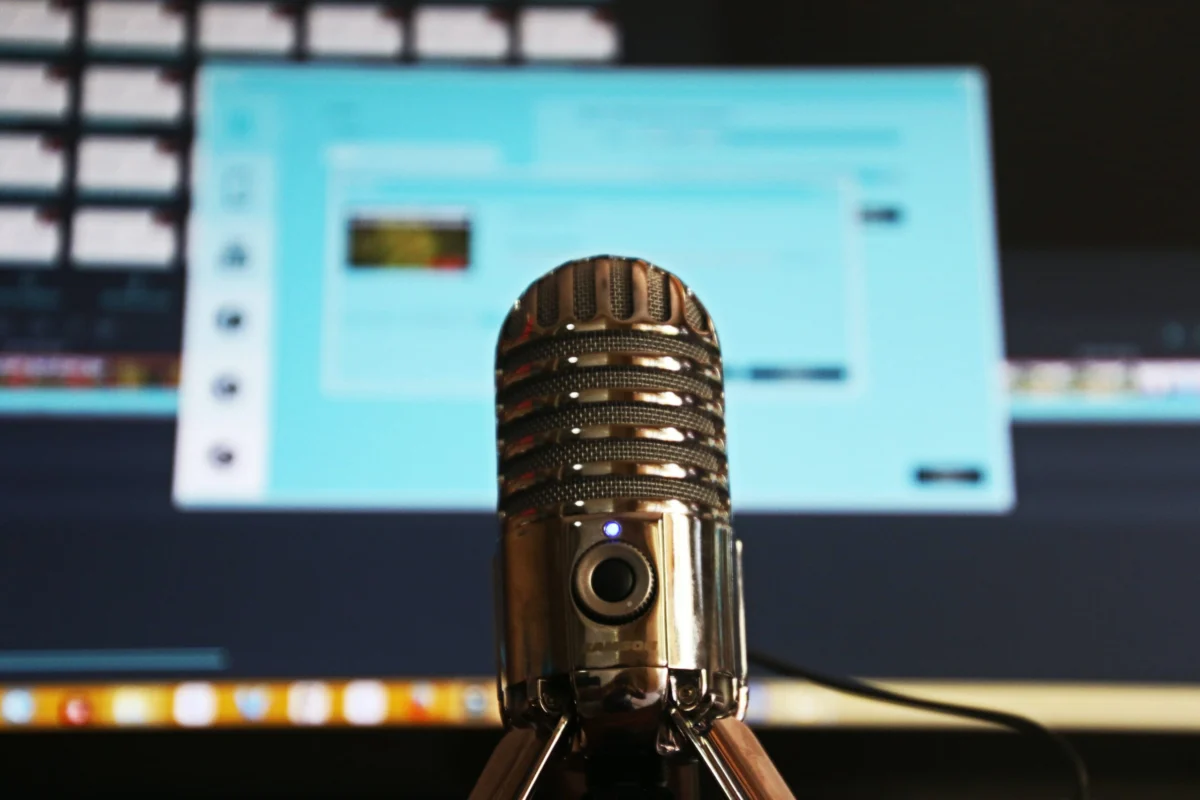
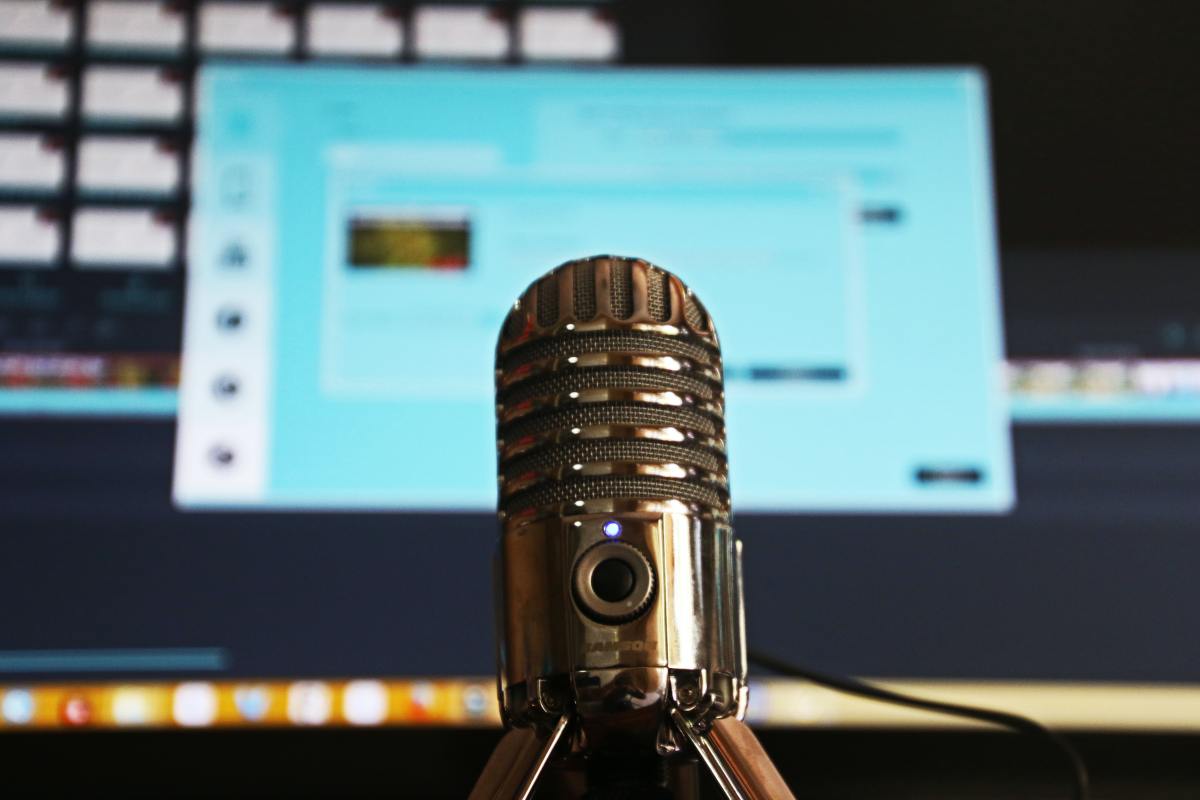
Particle, the innovative AI newsreader startup founded by a team of former Twitter engineers, has announced a significant strategic pivot, shifting its core focus to a potentially transformative and lucrative new endeavor: indexing the vast repository of spoken conversations embedded within podcasts and making them intelligently discoverable. On Wednesday, the company introduced Radar, a sophisticated podcast search engine designed not only to transcribe audio but to comprehend its semantic meaning, enabling users to extract key quotes, highlights, and deep insights from an ever-growing ocean of auditory content. This move positions Particle at the forefront of the burgeoning "audio intelligence" market, offering a solution that promises to unlock previously inaccessible data for a diverse range of high-value clients.
A Strategic Pivot into Uncharted Audio Territory
The genesis of Radar lies in a beloved feature of Particle’s original AI news-reading application. The initial platform, launched by ex-Twitter engineers who sought to redefine how users consumed news with artificial intelligence, utilized its internal API to identify and source compelling podcast clips, integrating them alongside relevant news stories within the app’s feed. This functionality, while popular, represented a glimpse into a much larger opportunity that the Particle team soon recognized was constrained within the confines of a news aggregator. As the development and adoption of AI agents began to accelerate across industries, the company identified a critical gap: these agents, primarily trained on text-based web data, were largely "blind" to the immense volume of information contained within audio formats.
Particle CEO and co-founder Sara Beykpour elaborated on this strategic reorientation, stating, "Our vision is really to have all new media intelligence and all audio intelligence in that API. One of the reasons why it’s an interesting space is that most API agents and services crawl the web and they’re focused on text. We are providing that layer with audio. Agents are generally blind to audio; they can’t see it unless something or someone has transcribed it." This insight proved to be the catalyst for the pivot, leading Particle to dedicate its resources to building an API-first product capable of providing this crucial audio intelligence layer. The transition underscores a broader trend in the tech industry where startups are increasingly refining their value propositions to address specific, high-demand niches within the broader AI ecosystem, particularly those involving unstructured data.
Unlocking the "Dark Data" of Podcasts
The business potential of Radar has quickly become evident, attracting significant interest from high-stakes sectors, most notably hedge funds. These financial institutions are constantly in pursuit of "alpha"—unique, actionable insights that can provide a competitive edge in volatile markets. Traditional data sources, while plentiful, are often already priced into market movements. The spoken word within podcasts, however, represents a vast reservoir of "dark data"—information that is publicly available but has been historically difficult to systematically access, analyze, and integrate into decision-making processes.
Beykpour confirmed the early traction, noting, "Hedge funds have been the highest-volume customers that are directly integrating with the API." This indicates a strong market pull from sophisticated users who recognize the value of early signals, sentiment analysis, and competitive intelligence that can be gleaned from conversational audio. For a hedge fund, tracking mentions of specific companies, executives, or emerging market trends discussed by industry experts or key opinion leaders in real-time can translate into millions of dollars in investment decisions. An early alert about a new technology being discussed by a CEO on a niche podcast, or a shift in economic outlook from a prominent analyst, could provide a crucial informational advantage.
Beyond the financial sector, Radar’s capabilities extend to a broader clientele. AI search platforms, which aim to provide comprehensive answers by synthesizing information from myriad sources, stand to benefit immensely from integrating audio intelligence. Data resellers, who package and distribute specialized datasets to various enterprises, are also among the top-paying customers. Exa, a search API provider for AI agents, has already partnered with Radar, highlighting the immediate utility of this technology within the AI development community. Moreover, journalists and academic researchers are poised to leverage Radar for in-depth investigations, trend spotting, and historical analysis, providing them with tools to sift through hours of interviews and discussions with unprecedented efficiency.
The Growing Demand for Alternative Data
The financial industry’s appetite for alternative data has surged in recent years. As traditional data sources like financial statements, news articles, and market data become increasingly commoditized, firms are turning to unconventional datasets to gain an informational edge. This includes satellite imagery, anonymized credit card transaction data, social media sentiment, and now, critically, the rich, nuanced information embedded in audio. The global alternative data market size was valued at over $2.7 billion in 2022 and is projected to grow substantially, driven by the demand for predictive analytics and differentiated insights. Podcasts, with their candid discussions, expert interviews, and unfiltered commentary, represent a goldmine of such alternative data, offering insights into market sentiment, supply chain issues, consumer trends, and geopolitical risks that might not appear in formal reports until much later.

Radar’s Advanced Capabilities: Beyond Transcription
What sets Radar apart from basic transcription services is its advanced AI-driven understanding of the content. The platform doesn’t just convert speech to text; it processes the meaning, context, and entities within the conversations. At an impressive scale, Radar transcribes over 130,000 podcasts, establishing itself as the largest transcribed podcast service available. This extensive index includes all of Apple’s Top 200 podcasts across its 135 verticals, with approximately 20,000 new episodes added to Radar’s index daily. This sheer volume ensures comprehensive coverage of the most influential and widely listened-to audio content.
The transcriptions provided by Radar are rich with analytical metadata. They include speaker labels, allowing users to identify who said what, a critical feature for analyzing discussions and attributing statements. More profoundly, Radar understands the various "entities" being discussed—distinguishing between specific people, companies, brands, products, and overarching topics. This semantic understanding enables highly granular and targeted searches, moving beyond keyword matching to conceptual relevance. For instance, a search for "AI ethics in large language models" would yield not just mentions of "AI" but specific discussions around its ethical implications within the context of LLMs, even if the exact phrase isn’t spoken.
Real-time Intelligence and Customizable Alerts
One of Radar’s most powerful features is its real-time intelligence and customizable alert system. Users can configure the platform to track mentions of specific entities—be it a competitor’s product, a key industry figure, or a emerging technological trend—across its vast podcast index. These alerts can be delivered immediately when a mention occurs, or as a daily or weekly digest, ensuring users stay informed without being overwhelmed. The customization options are extensive, allowing users to fine-tune their alerts. For example, a user might request alerts only when a particular guest appears on a specific set of top podcasts and discusses a predefined topic. This level of specificity transforms passive listening into active, targeted intelligence gathering. Delivery options include email, Slack, or webhook integrations, ensuring seamless integration into existing workflows.
Actionable Insights through Curated Clips and Deeper Analytics
Beyond comprehensive search and alerts, Radar provides actionable insights in several forms. It can extract relevant, self-contained clips from podcasts, complete with precise timestamps. This feature allows users to quickly grasp the essence of a discussion without having to listen to an entire episode. As Beykpour explained, "We’ve pre-chosen notable clips, so if you can’t listen to the whole podcast and you don’t want to read a summary, this is the best way to just get an idea of what’s happening in that podcast." This functionality is invaluable for busy professionals who need to quickly ascertain the context and impact of a particular statement.

The platform’s intelligence extends to tracking various podcast attributes:
- Topic Tracking: Monitoring the evolution and prominence of specific subjects over time.
- Entity Mentions: Detailed logs of who or what was mentioned, and precisely when, providing a temporal dimension to data analysis.
- Listener Ratings and Reviews: Aggregating audience feedback to gauge public perception and sentiment.
- Advertising Analysis: A dedicated podcast ads search engine allows users to identify every episode where a given company advertises and track advertising trends over time. This feature holds immense monetization potential for brand strategists, advertisers, and market researchers looking to understand competitive advertising spend and campaign effectiveness.
- Additional Monetization Tools: Radar offers a suite of advanced analytical tools, including political bias analysis, chart rankings data, audience size estimates, sponsorship data, and brand suitability assessments. These tools cater to a wide range of enterprise needs, from political campaign strategists to media buyers and content creators.
The Architecture of Intelligence: API-First Approach
While Radar offers a user-friendly web interface for direct interaction, the true power and strategic focus of Particle lie in its API (Application Programming Interface) and MCP (Managed Cloud Platform). These programmatic interfaces allow AI agents, enterprise software, and other businesses to tap directly into Radar’s sophisticated audio intelligence. This API-first approach signifies Particle’s understanding that the future of AI lies in interoperable systems, where specialized intelligence can be seamlessly integrated into larger platforms and automated workflows.
The pricing structure reflects this tiered offering. Individual users or small teams can access Radar via a subscription model, starting at $29 per month per seat, with a business plan offering 20 seats for $399 per month. For API users, who require customized access and scale, pricing is tailored to their specific needs and usage patterns, acknowledging the diverse requirements of enterprise clients and AI developers. This flexible model ensures that Radar can serve a broad spectrum of users, from individual researchers to large corporations building advanced AI applications.
Broader Market Implications and Future Outlook
The launch of Radar by Particle has profound implications for how information is accessed, analyzed, and utilized across various sectors. By effectively making spoken word data searchable and understandable at scale, Radar is poised to disrupt traditional information intelligence paradigms. It democratizes access to a vast, previously fragmented data source, enabling more comprehensive market intelligence, deeper investigative journalism, and more informed decision-making across industries.

For the burgeoning field of AI agents, Radar represents a critical advancement. As AI systems become more autonomous and capable, their effectiveness is directly tied to the quality and breadth of the data they can access and interpret. By providing AI agents with the ability to "hear" and understand the internet’s audio content, Radar empowers them to gather richer context, detect nuanced sentiment, and identify emerging trends that are often first discussed in spoken form. This capability could lead to the development of more sophisticated, human-like AI agents capable of truly comprehensive environmental scanning.
Particle’s ambitions extend beyond podcasts. In the future, the company plans to expand Radar’s service to support other forms of audio content, including the spoken word within YouTube videos and traditional news clips. This expansion would further solidify Radar’s position as a foundational layer for audio intelligence across the digital landscape, addressing the overarching challenge of making all forms of unstructured audio data readily accessible and analyzable.
The Expanding Audio Landscape and AI’s Role
The timing of Radar’s launch is particularly pertinent given the explosive growth of the podcast industry. In 2023, the global podcast market was valued at over $19.5 billion and is projected to reach over $130 billion by 2030, driven by increasing listenership and advertising spend. With millions of podcasts available and hundreds of thousands of new episodes released weekly, the sheer volume of content has outpaced human capacity for consumption and analysis. This creates a compelling need for AI-driven solutions like Radar.
Particle’s pivot and the introduction of Radar represent a significant step towards a more intelligent and interconnected information ecosystem. By tackling the challenge of unstructured audio data with advanced AI, the company is not only opening up new monetization avenues but also laying crucial groundwork for the next generation of AI applications that can truly understand and interact with the full spectrum of human communication. As the digital world increasingly incorporates audio and video, tools like Radar will become indispensable for navigating and extracting value from this rich, multi-modal data landscape.