Vera Intan Clara
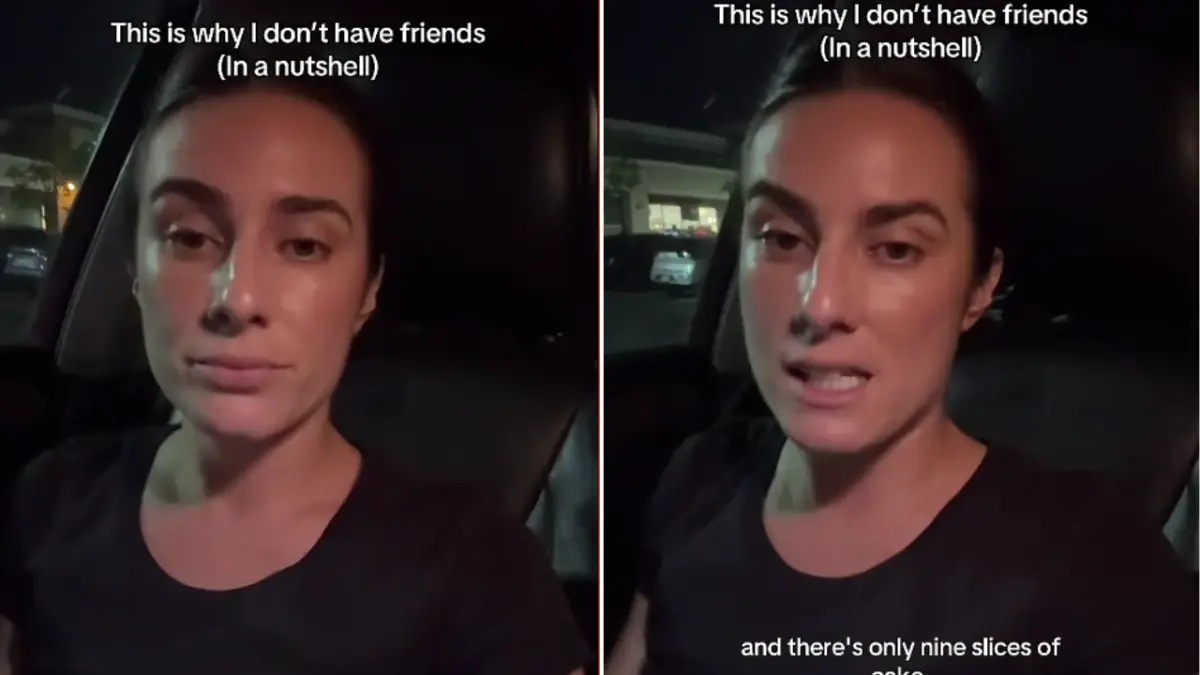
A recent incident at a Walmart in Bradenton, Florida, where a local woman reported being followed by two men, has ignited a significant online conversation about personal safety in public spaces. The woman, who shared her unsettling experience on TikTok under the handle @brokenbutgrafted, issued a stark warning to fellow shoppers to "stay alert," prompting hundreds of thousands of views and a broad dialogue on situational awareness and perceived threats. This account, though not independently verified by media outlets, underscores a prevalent concern among individuals navigating daily routines in large retail environments.
A Detailed Account: From Gas Pump to Grocery Aisle
The unsettling sequence of events began when the woman made a routine trip to the Bradenton Walmart, intending to purchase groceries and fill her vehicle’s gas tank. As she pulled up to the gas station located within the Walmart complex, her attention was drawn to two men observing her from the side of the curb, near their parked car. While initially finding their scrutiny uncomfortable, she dismissed it as potentially harmless, opting to ignore their gaze and proceed with her task. This initial observation, however, would soon prove to be the precursor to a more concerning chain of events.
Upon completing her gas fill-up, she drove through the same sprawling parking lot, which connects the gas station directly to the main store. After parking, she began her walk towards the entrance. It was at this point that she again noticed the familiar car and license plate belonging to the men she had seen at the gas station. Despite the recurrence, her initial thought was to attribute it to coincidence, a common occurrence in a busy retail hub. She entered the store, intent on completing her shopping list.
Her shopping trip involved navigating various aisles, a task that typically consumes a considerable amount of time in a large supermarket. As she delved deeper into her grocery list, moving through different sections, a heightened sense of unease began to develop. Upon reaching the food section, she observed one of the two men walking down the same aisle. What struck her as particularly odd was his lack of a shopping cart or any items in his hands, coupled with his continuous scanning of the surroundings rather than focusing on products. This unusual behavior triggered a nascent sense of alarm, a feeling she would later describe as her "Spidey senses going off."
Proceeding to an assisted self-checkout station, her suspicions were further amplified. There, she encountered the second man she had seen earlier. He was checking out with only a single bottle of water, an unusually minimal purchase given the context of a full-service grocery store. Adding to her discomfort, he was engaged in a phone conversation, speaking in Spanish. The seemingly innocuous details, when pieced together, began to form a pattern that suggested more than just a casual shopping trip.
Escalating Concerns: The Parking Lot Confrontation
The woman’s intuition strongly indicated that she was being followed. To test this theory, she deliberately allowed the man to proceed ahead of her, while she chose a different exit route from the store. This strategic maneuver was designed to observe his reaction and confirm her growing suspicions. Just before they diverged, she made eye contact with him, noting what appeared to be a look of regret or frustration as he continued towards his chosen exit. This brief, non-verbal exchange solidified her conviction that her concerns were legitimate.
Rather than exiting immediately, she took another circuitous route through the grocery store, extending her time inside before ultimately choosing to exit through the same door as the man. This deliberate delay was a calculated measure to create distance and observe without directly engaging.
Upon finally reaching her parked car, her immediate priority was a comprehensive safety check. She meticulously scanned the parking lot for any signs of the men or their vehicle, particularly in the vicinity of her car. She also checked her vehicle’s interior to ensure no one had entered it. Her search revealed one of the men located elsewhere in the parking lot, still on his phone, and still observing her. The moment their eyes met again, he began to walk casually in her direction. This direct approach, following the prolonged observation and the earlier incidents, triggered an immediate and decisive response. Her instincts, now fully activated, dictated that it was time to leave.
Navigating Peril: Post-Incident Safety Protocols
Recognizing the potential danger of being followed home, the woman implemented an immediate safety protocol. Instead of driving directly to her residence, she began driving in circles, executing a series of turns and maneuvers designed to determine if she was being tailed. During this period, she maintained an active phone call with a loved one, ensuring someone was aware of her situation and could potentially trace her if necessary. Furthermore, at each stop, she diligently checked her vehicle for any signs of a tracking device, a modern concern for those fearing surveillance. This proactive approach highlights the level of vigilance many individuals, particularly women, feel compelled to adopt in moments of perceived threat.
In the aftermath of her experience, she shared her story online, concluding with a potent warning to her female followers: "Ladies, you are not overreacting. Have your spidey senses on; check your surroundings at all times no matter if you’re with somebody or by yourself, and document everything." This advice, rooted in her firsthand experience, resonated deeply with a broad audience, quickly propelling her video to viral status with over 500,000 views.
The "Spidey Sense" Phenomenon: Intuition as a Safety Tool
The woman’s reference to her "Spidey senses" going off encapsulates a widely recognized, albeit scientifically complex, aspect of human psychology: intuition or gut feeling in the face of perceived danger. This phenomenon, often described as an internal alarm system, is believed to be an evolutionary mechanism designed to alert individuals to potential threats before conscious processing can occur. It involves the subconscious assimilation of subtle cues—body language, environmental details, unusual patterns—that, when combined, trigger a sense of unease or warning.
Research in psychology and neuroscience suggests that the brain’s limbic system, particularly the amygdala, plays a crucial role in rapidly assessing threats and initiating a "fight or flight" response. While not always accurate, intuition serves as a vital first line of defense, prompting individuals to heighten their awareness, reassess their surroundings, or take evasive action. In the context of personal safety, trusting these instincts is often advocated by law enforcement and self-defense experts, as they can provide critical seconds to react to a developing situation. The Bradenton incident serves as a poignant example of an individual heeding such internal warnings, transforming a vague sense of discomfort into decisive, self-protective action.
Broader Context: Safety in Large Retail Environments
The incident at the Bradenton Walmart is not an isolated occurrence but rather reflective of broader concerns regarding personal safety in large retail environments. Superstores and their expansive parking lots, while designed for convenience, can also present unique security challenges. The sheer scale of these establishments, coupled with high traffic volumes and diverse demographics, makes comprehensive surveillance and immediate intervention difficult.
According to data from the National Retail Federation (NRF), retail crime, encompassing everything from organized retail crime (ORC) to individual shoplifting, costs the industry billions annually. While the Bradenton incident does not involve theft, the presence of suspicious individuals in these spaces contributes to a pervasive sense of insecurity among shoppers. Parking lots, in particular, are frequently cited as locations where individuals feel vulnerable due to reduced visibility, potential isolation, and the transition phase between vehicle and store. The U.S. Bureau of Justice Statistics indicates that a significant percentage of violent crimes occur in parking lots or garages, highlighting them as areas requiring heightened vigilance. This background context underscores why a seemingly minor observation can quickly escalate into a genuine fear for personal safety.
Understanding the Legal Landscape: When to Involve Authorities
In the second part of her viral video, the woman addressed numerous comments questioning why law enforcement was not involved. She articulated a critical distinction: "legally, they didn’t do anything wrong to her." This statement reflects a common challenge in cases of perceived stalking or suspicious behavior—the legal threshold for police intervention. For law enforcement to act, there typically needs to be evidence of a crime being committed, an overt threat, or a clear pattern of harassment that meets the legal definition of stalking, which often requires repeated and escalating acts that cause reasonable fear.
While her friends who were police officers might have filed a report to "make her feel better," as she stated, such a report would primarily serve as documentation rather than immediate criminal action. Police departments generally advise individuals to report any suspicious activity, even if it doesn’t immediately constitute a crime. This documentation can be crucial if the behavior escalates or becomes a recurring issue, providing a historical record for future investigations. However, without direct threats, physical contact, or clear intent to commit a crime, the immediate legal options for intervention are often limited, leaving individuals to rely heavily on their personal safety strategies.
Retailer Responsibility and Security Measures (General Industry Practices)
Large retail chains like Walmart typically employ a range of security measures aimed at ensuring customer and employee safety. These can include overt measures such as uniformed security guards, surveillance cameras (CCTV) both inside stores and in parking lots, and well-lit parking areas. Covert measures might involve plainclothes security personnel and partnerships with local law enforcement. Many retailers also have policies in place for employees to report suspicious behavior to management, who can then decide on appropriate action, such as approaching individuals or contacting authorities.
While the original article noted that Walmart did not respond to a request for comment regarding this specific incident, it is a general industry standard for major retailers to emphasize their commitment to customer safety. Their public statements often encourage customers to report any concerns to store management or security personnel immediately. The challenge lies in the vastness of these operations and the sheer volume of daily visitors, making it difficult to prevent every potential incident or monitor every individual’s behavior. The woman’s experience highlights the gap that can sometimes exist between corporate security protocols and the individual customer’s lived experience of feeling vulnerable.
Empowering Shoppers: Essential Personal Safety Strategies
The incident at the Bradenton Walmart serves as a powerful reminder of the importance of proactive personal safety strategies. Beyond the woman’s immediate advice, several universally accepted guidelines can help individuals mitigate risks in public spaces:
- Situational Awareness: Always be aware of your surroundings. Avoid distractions like cell phones, especially when walking to and from your car. Scan the area regularly.
- Trust Your Gut: As the woman emphasized, if something feels off, it probably is. Your intuition is a powerful safety tool.
- Vary Your Routine: Whenever possible, change your routes, shopping times, and parking spots. Predictability can make you a target.
- Communicate Your Plans: Inform a trusted friend or family member about your whereabouts, especially when going to unfamiliar places or late at night.
- Utilize Technology: Carry a fully charged cell phone. Consider sharing your location with a trusted contact. Many apps offer personal safety features.
- Secure Your Vehicle: Always lock your car doors immediately upon entering, and check the back seat before getting in. Park in well-lit areas close to store entrances.
- Be Prepared for Self-Defense (Non-Lethal): Consider carrying a personal alarm, pepper spray (where legal), or taking a self-defense class.
- Document and Report: If you experience or witness suspicious activity, make a mental note of descriptions (individuals, vehicles, license plates) and report it to store management or local law enforcement. Even if no crime has occurred, a documented report can be vital.
- Avoid Going Straight Home: If you suspect you are being followed, drive to a police station, fire department, or another public, well-lit place with people. Do not lead a potential threat directly to your home.
The Digital Watchdog: Social Media’s Role in Awareness
The rapid virality of the Bradenton woman’s TikTok video underscores the transformative role of social media in contemporary public safety discourse. Platforms like TikTok, Instagram, and Facebook have become powerful conduits for sharing personal experiences, issuing warnings, and fostering community support around safety concerns. What might once have been an isolated incident discussed among friends now has the potential to reach millions globally within hours.
This digital amplification serves several purposes: it raises widespread awareness about potential threats, validates the experiences of others who may have felt similar unease, and disseminates practical safety advice. It also acts as a form of collective vigilance, empowering individuals to share information and collectively respond to perceived risks. While social media narratives can sometimes be difficult to independently verify, their impact on public perception and the promotion of personal safety dialogue is undeniable, transforming individual anecdotes into broader calls for heightened awareness and community action.
Conclusion: A Call for Heightened Vigilance
The unsettling experience of the Florida woman at a Bradenton Walmart serves as a potent reminder that vigilance remains paramount in navigating public spaces. While the incident did not culminate in a direct criminal act, the psychological impact of perceived threat and the necessity of immediate, self-protective action are undeniable. Her story, amplified through social media, has effectively galvanized a conversation about situational awareness, the importance of trusting one’s instincts, and the proactive measures individuals can take to enhance their personal safety. In an era where daily routines often involve large, busy environments, the collective call for heightened alertness, informed decision-making, and community awareness stands as an essential safeguard for all shoppers.