George Chandra Eka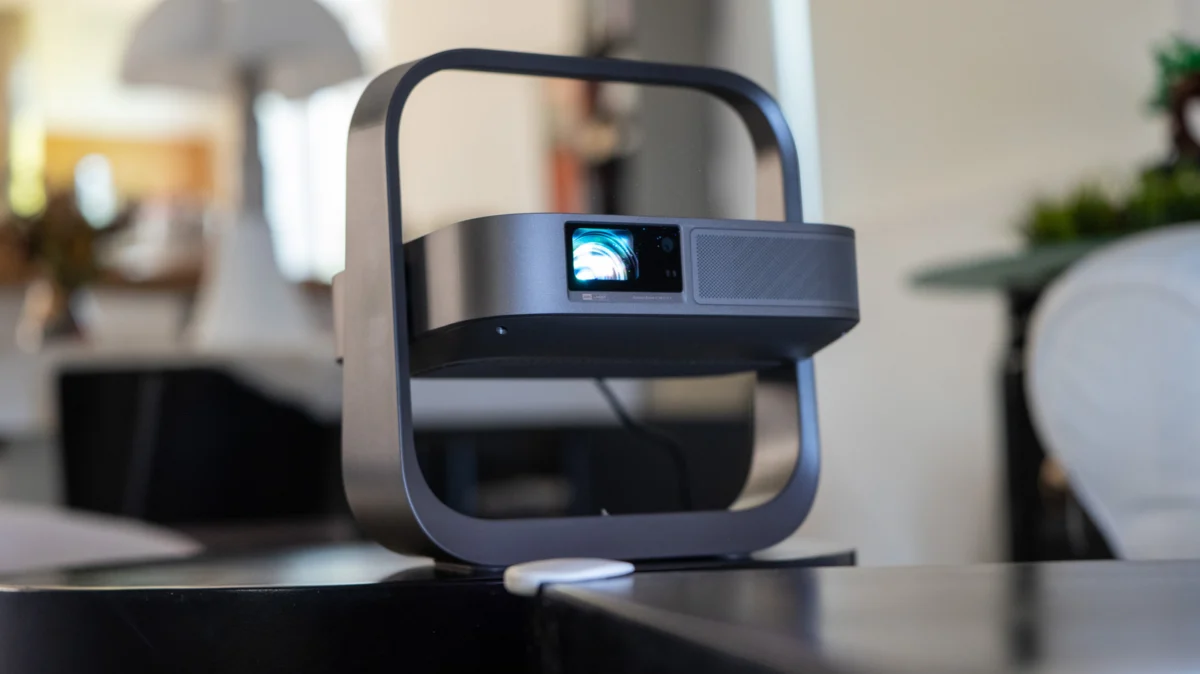
The perennial debate between televisions and projectors for the ultimate home entertainment experience has intensified, driven by rapid advancements and shifting price points in both technologies. While large-screen televisions exceeding 75 inches have become increasingly affordable, projectors have simultaneously achieved unprecedented levels of brightness, sharpness, and color fidelity, largely thanks to innovative laser light engines and sophisticated 4K image chips. This evolution presents a complex choice for consumers, but for those prioritizing immense screen size and cinematic immersion, projectors consistently emerge as the superior value proposition. They offer the ability to display images 120 inches or larger at price points that place televisions of comparable scale into an entirely different, often prohibitive, financial category. Beyond sheer size, projectors boast distinct advantages in color accuracy, discreet integration into living spaces, and a viewing experience that, in controlled environments, more closely mimics a professional cinema.
The Quest for Immersion: Unrivaled Screen Size and Value
The human desire for a truly immersive visual experience is undeniable, a sentiment powerfully underscored by the enduring appeal of formats like IMAX. While replicating a 59 by 79-foot cinema screen at home remains impractical, consumers are increasingly seeking the largest possible display within their living spaces. Here, the fundamental distinction between TVs and projectors becomes starkly apparent.
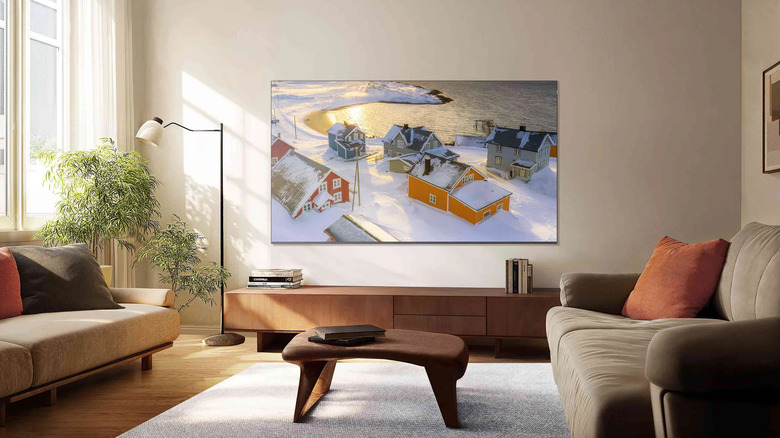
For consumer televisions, the upper limit for readily available models typically ranges from 98 to 115 inches diagonally. Achieving these sizes demands significant financial investment and dedicated physical space. For instance, TCL’s 115-inch QM7K QLED Mini LED 4K TV commands a price tag nearing $14,000. While more budget-friendly options exist, such as Hisense’s 100-inch Mini LED model at approximately $1,750, these remain substantial purchases. Scaling down to 85-inch Mini LED TVs can bring prices under $1,000, with standard 75-inch LED sets sometimes found below $500, but these sizes, while large, pale in comparison to what projectors can deliver.
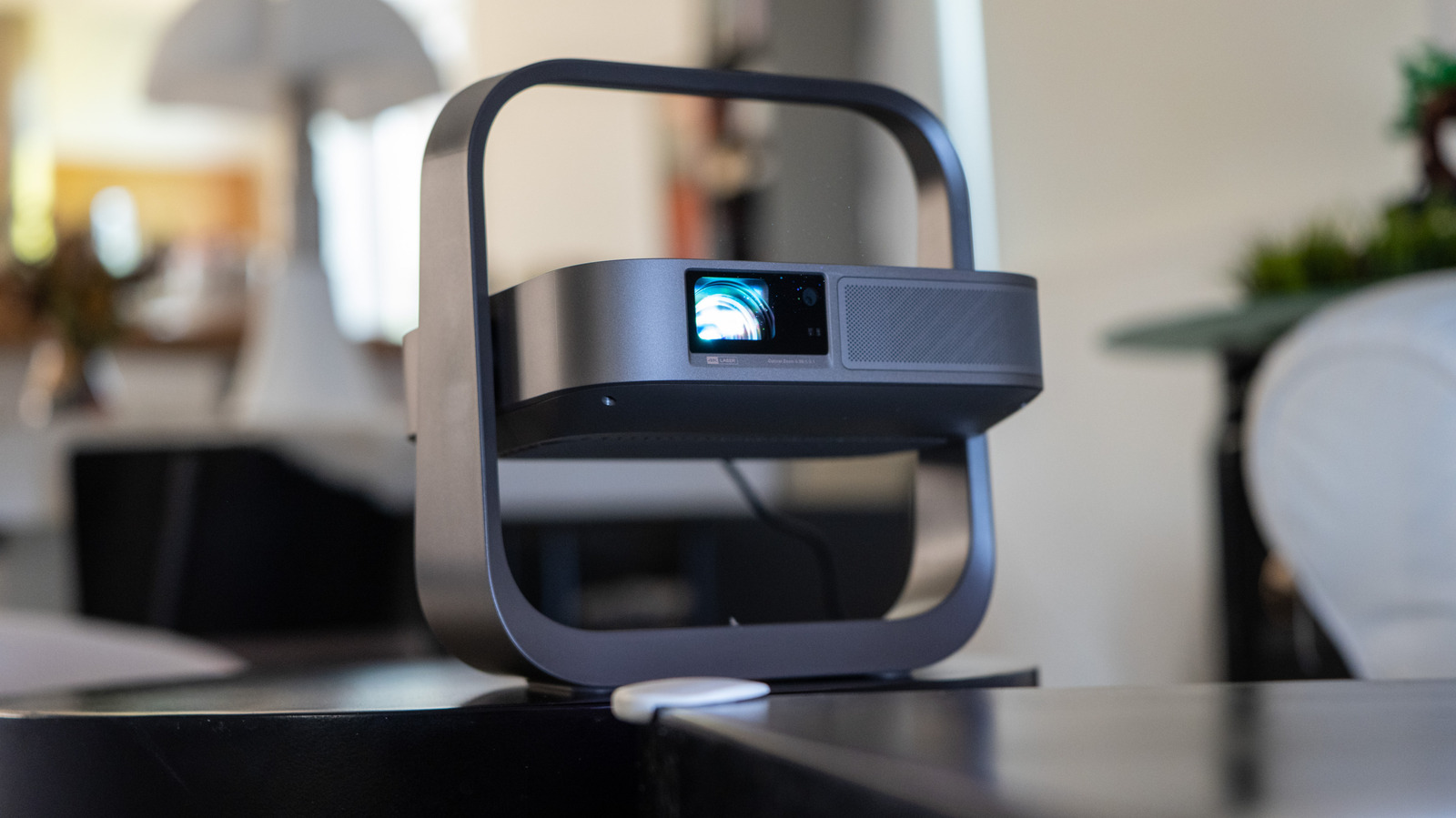
Projectors, by their very nature, are limited in screen size only by the projector type, focal distance, and available surface area. Modern laser projectors, such as the Anker Nebula X1 triple-laser projector or the Valerion VisionMaster Pro 4K laser projector, are capable of beaming stunning 4K images up to an astonishing 300 inches diagonally. To put this into perspective, a 300-inch image spans approximately 25 feet, a scale utterly unattainable by consumer televisions. Even mid-priced projectors, often costing no more than a good 75-inch TV, can easily project images up to 200 inches, or nearly 17 feet. This inherent flexibility also extends to deployment; a projector can be effortlessly relocated for outdoor movie nights, casting a massive image onto a wall or screen, a feat impossible with a bulky large-format television. The cost-per-inch advantage of a projector is therefore profound, offering significantly more screen real estate for a given budget.
Technological Evolution: A Brief Chronology of Display Advancements
Both television and projector technologies have undergone a remarkable transformation over the past decade, pushing the boundaries of visual fidelity and user experience.
Televisions: The evolution of televisions has seen a rapid progression from traditional CCFL-backlit LCDs to LED-backlit LCDs, which offered improved contrast and energy efficiency. This was followed by the advent of Quantum Dot (QLED) technology, enhancing color saturation and brightness. The most significant recent leap has been Mini LED, which utilizes thousands of tiny LEDs for backlighting, arranged in numerous local dimming zones to achieve vastly superior contrast ratios and peak brightness levels. Concurrently, OLED (Organic Light-Emitting Diode) technology has matured, with each pixel emitting its own light, allowing for perfect blacks and infinite contrast, though historically with slightly lower peak brightness compared to the brightest Mini LED sets. More recently, Micro RGB TVs, as discussed at events like CES, represent the next frontier, promising even greater control over light and color.
Projectors: Projectors have similarly evolved from their lamp-based predecessors, which were often dim, noisy, and required frequent bulb replacements. The transition to laser light engines has been a game-changer, dramatically increasing brightness, extending lifespan (often up to 20,000-30,000 hours, equivalent to many years of use), reducing noise, and enabling instant on/off capabilities. The integration of high-resolution 4K image chips, often utilizing pixel-shifting technology to achieve ultra-high definition, has brought cinematic sharpness to the home. The latest triple-laser projectors further refine this, using discrete red, green, and blue lasers to achieve an exceptionally wide and accurate color gamut. This chronological development underscores a consistent drive in both sectors towards greater realism and immersion, albeit through different technological pathways.
Brightness, Contrast, and Eye Health: A Deeper Dive
One of the most frequently cited advantages of televisions is their inherent brightness, a characteristic rooted in their direct illumination. Modern TVs, particularly Mini LED models, can achieve incredibly high nit levels, with some hitting peaks of 4,000 nits on a 10 percent portion of the screen. OLED TVs, while generally not reaching the same peak brightness, still offer impressive output, with the brightest models approaching 2,475 nits in similar test windows. This high luminosity ensures vibrant images even in well-lit rooms, making TVs highly versatile for diverse viewing environments.
However, this brightness advantage is not without its drawbacks, particularly concerning eye health and long-term viewing comfort. As Viewsonic, a company with vested interests in display technology, has highlighted, many LED TVs emit direct blue light, which can contribute to eyestrain and, over prolonged periods, potentially impact eyesight. Furthermore, the extreme brightness levels of modern TVs, while beneficial in daylight, can be overwhelmingly intense for continuous viewing in a darkened room. Valerion, a projector manufacturer, notes that TVs rated at 4,000 nits and higher are approaching the brightness levels typically reserved for outdoor digital billboards, which is often considered excessive for intimate home entertainment and can lead to visual fatigue during movies or long-form content.
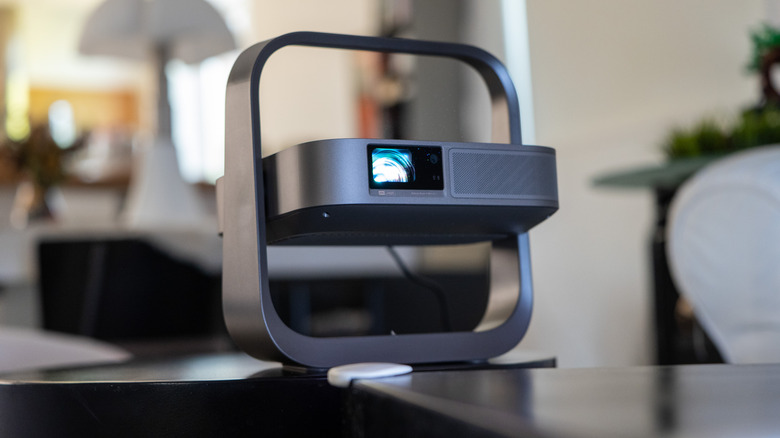
Projectors operate on a fundamentally different principle: they bounce light off a screen or wall. This indirect illumination significantly reduces the overall on-screen brightness, contributing to a more comfortable viewing experience in dark environments. A powerful triple-laser projector, such as the Valerion VisionMaster Max or Anker Nebula X1 Pro, capable of outputting 3,500 to 5,000 ANSI lumens, translates to approximately 280 nits of on-screen brightness when projected onto a 120-inch screen. A typical mid-range projector with 2,000 ANSI lumens would deliver around 160 nits to the same size screen. While these figures are considerably lower than high-end TVs, they are perfectly adequate for darkened rooms and, crucially, are far less taxing on the eyes. For a relevant comparison, a typical IMAX 70mm film theater, utilizing a 30,000-watt dual-xenon bulb setup, delivers around 75 nits from its massive screen. This benchmark illustrates that projectors, even with seemingly lower nit counts, are calibrated to provide an authentic, immersive, and comfortable cinematic experience without the harshness of direct, ultra-bright light.
Visual Fidelity: Color Accuracy and Resolution
In the realm of visual fidelity, both projectors and high-end televisions have made tremendous strides, offering breathtaking color accuracy and sharpness. Yet, nuanced differences persist, particularly at the pinnacle of each technology.
Modern projectors, especially those featuring triple-laser light engines, have achieved exceptional color accuracy. Models like the 3,500 ANSI lumen Valerion VisionMaster Max and the 5,000 lumen XGIMI Titan Noir Max boast an incredible 110 percent coverage of the BT.2020 color gamut, the standard used for High Dynamic Range (HDR) video. This means they can reproduce a wider spectrum of colors than many premium TVs, ensuring that content is displayed precisely as intended by filmmakers, with nuanced tones and vibrant hues. These projectors also support HDR via Dolby Vision and HDR10+, delivering billions of colors and enhanced contrast that reveal intricate details even in challenging dark scenes, such as the famous "Hardhome" battle in Game of Thrones. Projector resolution has also advanced, with 4K UHD now a common feature. Many utilize Texas Instruments’ 0.47-inch digital micro-mirror device (DMD), which employs pixel-shifting technology to achieve a perceived 4K resolution at up to 60Hz. While technically a touch less than native 4K, the visual difference is imperceptible to most viewers. For gaming enthusiasts, high-end projectors like the BenQ X3100i now offer refresh rates up to 240Hz, or 60Hz at 4K, with input lag as low as 4.2ms. While some 4K 120Hz TVs might offer slightly better gaming performance, the sheer immersion of gaming on a 100-inch-plus screen often outweighs minor differences in refresh rate or latency.
High-end televisions, particularly quantum dot and OLED models, also deliver stunning color accuracy, typically achieving around 90 percent coverage of the BT.2020 color gamut. While this is an impressive range, it generally falls short of the best triple-laser projectors. However, TVs maintain a distinct advantage in native resolution. Most premium TVs offer true 4K resolution, with an increasing number of flagship models now boasting 8K resolution, effectively doubling the pixel count of any consumer-level projector currently on the market. This higher pixel density can result in sharper images, especially when viewed up close, though the impact diminishes at typical viewing distances for very large screens.
Practicality and Integration: Space, Flexibility, and Setup
Beyond technical specifications, the practical considerations of space, flexibility, and installation play a crucial role in the TV vs. projector decision. Here, projectors offer unique advantages that often go unappreciated.
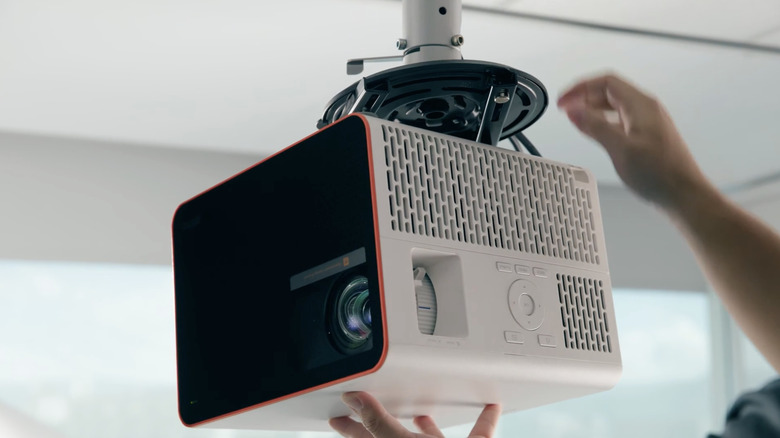
While projectors might initially seem more complex to set up, their ability to disappear when not in use is a significant draw, especially for those living in smaller spaces. Consider a typical urban apartment, perhaps 320 square feet. Installing a ceiling-mounted 100-inch roll-down projector screen and a corresponding ceiling-mounted triple-laser projector allows for an incredible cinematic experience. When not in use, the screen retracts, and the projector remains discreetly tucked away, freeing up valuable wall space and maintaining the room’s aesthetic. A television of comparable size would dominate such a space, potentially blocking windows or requiring extensive wall modification, proving to be an awkward and imposing fit. This discreet presence is a major selling point for interior design-conscious consumers or those with limited living areas.

Furthermore, the inherent portability of many modern projectors enhances their flexibility. Many models are designed to be easily moved, allowing for impromptu outdoor movie nights or even entertainment on road trips and camping excursions. The thought of transporting a 100-inch television for such purposes is simply ludicrous. Modern laser projectors also simplify the setup process with automatic features. When a projector is correctly positioned relative to the screen, functions like auto screen fit can center and size the image perfectly with minimal user intervention, streamlining installation.
Conversely, large televisions, particularly those 85 inches and above, demand considerable physical presence. Their installation often involves heavy wall mounts, careful cabling management, and a permanent visual footprint. While aesthetically pleasing when off, they remain a prominent fixture in any room, lacking the ‘hideaway’ capability of a projector.
Market Dynamics and Consumer Choice: Broader Implications
The ongoing innovation in both the television and projector sectors indicates a dynamic market driven by diverse consumer preferences. The choice between a TV and a projector ultimately hinges on a combination of budget, desired screen size, viewing environment, and specific use cases.
For consumers whose primary viewing occurs in brightly lit rooms, often with casual content like news or sports, the sheer brightness and ambient light performance of a modern Mini LED or OLED TV remain unparalleled. The convenience of a self-contained unit that requires minimal setup and delivers consistent performance regardless of external light conditions is a compelling factor.
However, for cinephiles, dedicated home theater enthusiasts, or anyone prioritizing the most immersive, large-scale cinematic experience, particularly in a light-controlled environment, projectors offer a superior and often more cost-effective solution. The ability to achieve screen sizes up to 300 inches for a fraction of the cost of the largest TVs, combined with exceptional color accuracy and a viewing experience designed for reduced eye strain, makes them an undeniable choice for a truly theatrical feel at home.
The price comparison further solidifies this stance. While budget 4K TVs under $1,000 for 75-inch models and under $2,000 for 100-inch Mini LED TVs exist, these represent the entry-level for these sizes. Mid-range 100-inch TVs from brands like Hisense or LG typically fall into the $2,500 to $3,000 range, with premium 75-inch models from Sony or TCL exceeding $3,000, and 98-inch+ flagships costing $5,000 or more.
In contrast, budget 4K projectors like ViewSonic’s PX701-4K offer 300-inch screen capabilities with excellent brightness for under $1,000. Even bright 1080p projectors can be found for less than $600. Mid-range laser projectors, such as the 2,500 ANSI lumen Valerion VisionMaster Pro with Dolby Vision, are priced around $1,700. High-end, color-accurate triple-laser models like the Anker Nebula X1 and XGIMI Titan Noir 4K, offering 3,000-5,000 lumens, typically range from $3,000 to $4,000, often available at significant discounts. Even factoring in the additional cost of a quality motorized roll-down screen (ranging from $200 to $1,000), the overall investment for a projector-based system delivering 100-inch-plus images remains highly competitive, if not outright more affordable, than a comparable television.
In conclusion, for consumers seeking the largest possible screen size, unparalleled cinematic immersion, superior color accuracy, and the flexibility of discreet integration into their living spaces, projectors present an exceptionally strong value proposition. While televisions excel in ambient light and offer higher native resolutions, the unique benefits of projectors – particularly their cost-effectiveness per inch, eye comfort in darkened rooms, and spatial adaptability – make them the undisputed choice for dedicated home theater enthusiasts and anyone aspiring to a truly grand visual experience.