Sisilia Frederika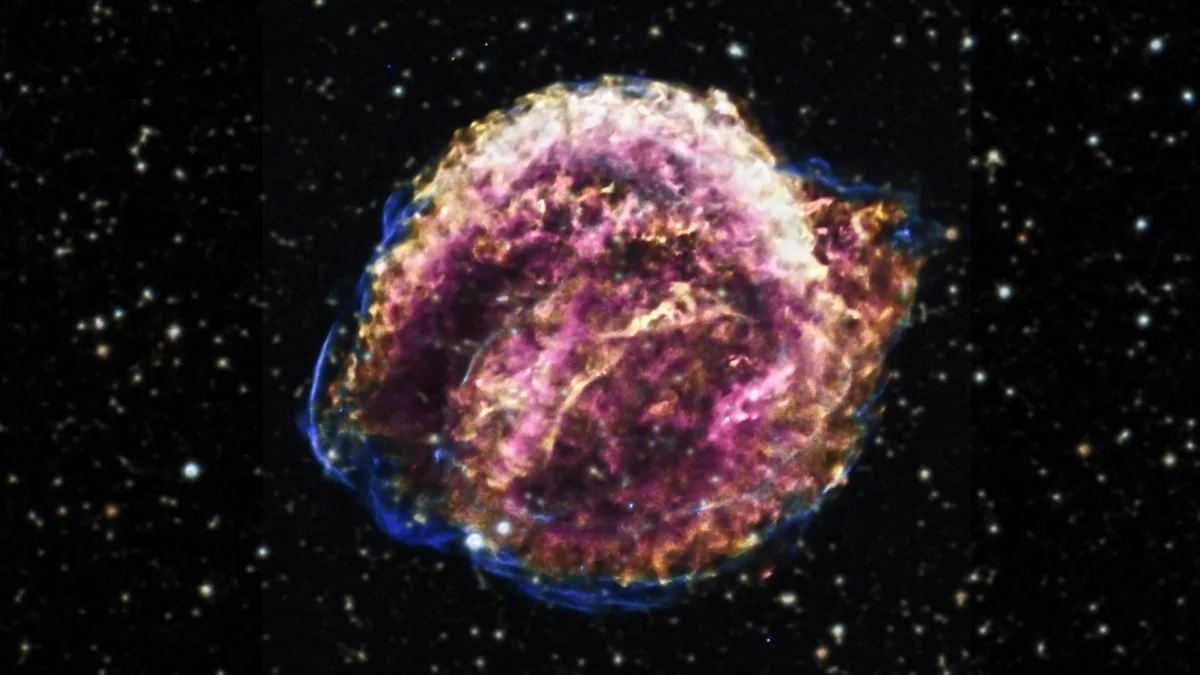
The Moon has long been regarded as a silent witness to the history of the Solar System, its cratered surface serving as a preserved record of billions of years of celestial activity. However, recent research conducted by scientists at the University of Hawaii Institute of Geophysics and Planetology (HIGP) suggests that the lunar surface is more than just a graveyard of asteroid impacts; it is a sophisticated "time capsule" that has captured the radioactive debris of ancient supernova explosions. By developing a new mathematical framework to decode the scrambled layers of the lunar soil, researchers have opened a new window into the history of our galaxy’s most energetic events and their direct influence on our local cosmic neighborhood.
Led by researcher Emily Costello, the team has introduced a stochastic model designed to unscramble the effects of "impact gardening"—the relentless process of meteoroid bombardment that flips, mixes, and redistributes the Moon’s top layer of debris, known as regolith. This breakthrough allows scientists to distinguish between local geological noise and the faint, interstellar signals left behind by stars that exploded millions of light-years away. As NASA and international partners prepare for the Artemis missions and the establishment of a permanent lunar presence, this research provides a vital roadmap for where future explorers should drill to find the most pristine records of the Universe’s violent past.
The Mechanics of Impact Gardening and the Regolith Archive
To understand the significance of this research, one must first understand the nature of the lunar surface. Unlike Earth, which possesses a protective atmosphere and active plate tectonics that erase geological history, the Moon is geologically "dead" and exposed to the vacuum of space. For billions of years, it has been bombarded by everything from microscopic dust grains to massive asteroids. This process, termed "impact gardening," creates a layer of pulverized rock and dust—the regolith—that can be several meters deep.
While this bombardment appears chaotic, it follows certain physical laws. When a meteoroid strikes the surface, it excavates material from beneath and splashes it across the surrounding area. Simultaneously, the force of the impact compacts the soil. Over millions of years, this constant churning acts like a slow-motion blender, mixing layers of material that were deposited at different times. For scientists trying to find specific signatures—such as isotopes from a supernova that occurred 2 million years ago—this mixing presents a significant challenge. The signal is not found in a neat, chronological line but is instead "gardened" into a complex vertical profile.
Costello’s model utilizes an advection-diffusion approach to account for these variables. Advection in this context refers to the gradual burial of the surface as new material is deposited, while diffusion represents the random mixing caused by impacts. By balancing these forces alongside the known rates of radioactive decay, the model can predict the "depth-concentration" profile of specific isotopes. This allows researchers to look at a core sample and mathematically "un-mix" the soil to determine when certain materials arrived on the Moon.
Radioactive Isotopes: The Fingerprints of Stellar Death
The primary targets of this modeling effort are radioactive isotopes that do not occur naturally on Earth or the Moon in significant quantities. When a massive star reaches the end of its life, it collapses and explodes in a supernova, forging heavy elements in a process known as nucleosynthesis. Among these products are "short-lived" radionuclides—isotopes that decay over millions of years.
One of the most critical isotopes is Iron-60 (60Fe), which has a half-life of approximately 2.6 million years. Because Iron-60 is not produced in significant amounts by standard planetary processes, its presence in the Solar System is a "smoking gun" for a nearby supernova. Other isotopes tracked by the Costello model include Plutonium-244, Iodine-129, Hafnium-182, and Curium-247. Each of these elements provides a different piece of the puzzle regarding the type of explosion that occurred and the distance of the progenitor star.
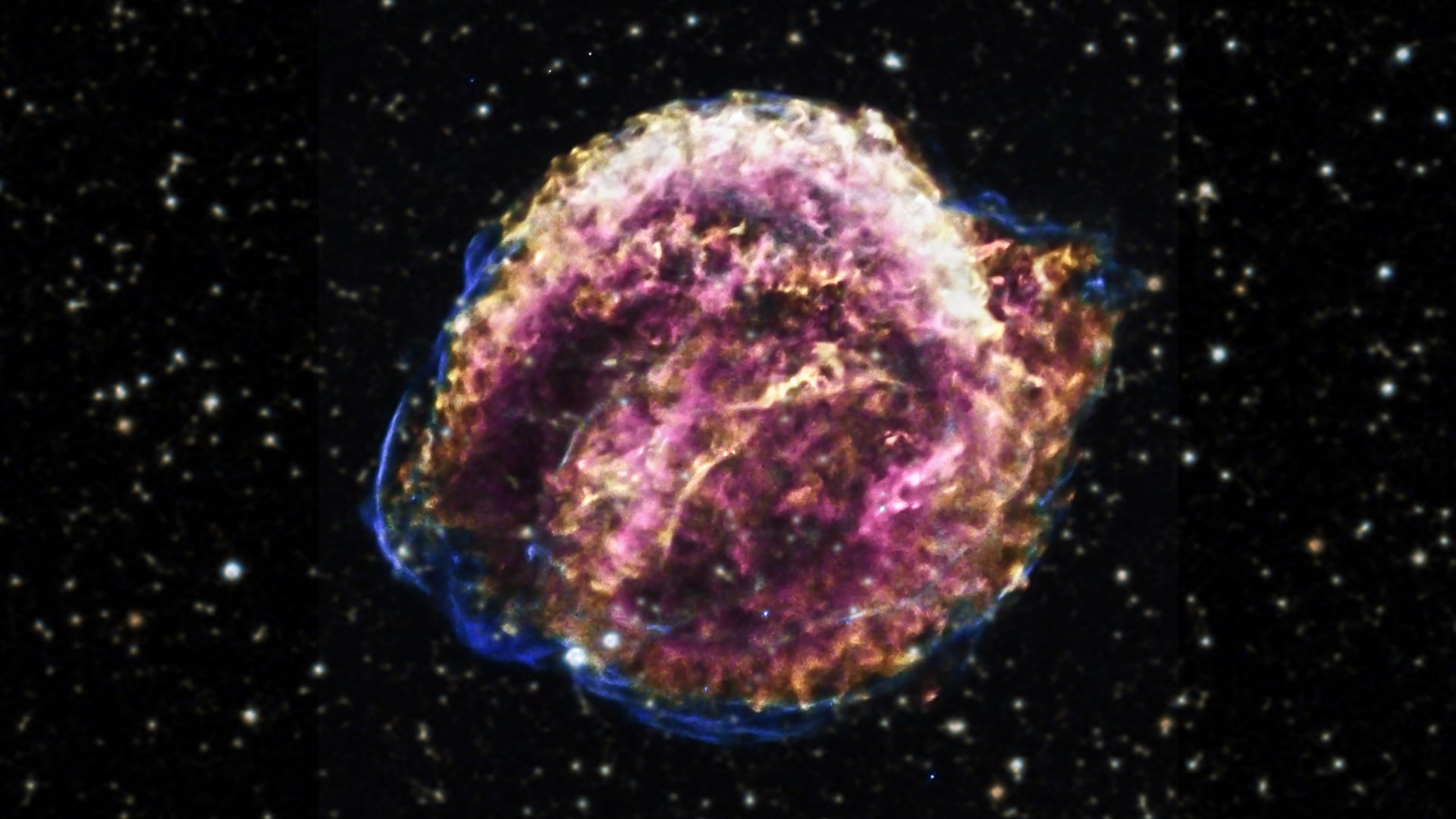
For instance, Plutonium-244 is often associated with "r-process" nucleosynthesis, which may occur in specific types of supernovae or during the merger of two neutron stars. By mapping the concentrations of these isotopes within the lunar regolith, scientists can reconstruct a timeline of how many times the Solar System has passed through the debris clouds of dying stars.
Comparing the Lunar Record to Earth’s Deep-Sea Archives
The quest to find supernova debris is not entirely new. In the late 1990s and early 2000s, scientists discovered traces of Iron-60 in deep-sea ferromanganese crusts on Earth’s ocean floor. These crusts grow incredibly slowly—only a few millimeters every million years—allowing them to trap interstellar dust as it settles through the atmosphere and into the depths of the ocean.
However, the Earth is an imperfect archive. Biological activity on the seafloor, ocean currents, and the chemical reactivity of seawater can all alter or obscure the isotopic signal. Furthermore, Earth’s magnetic field and atmosphere act as filters, potentially biasing the types of dust that reach the surface.
In contrast, the Moon lacks these complications. The lunar regolith acts as a direct collector, catching every grain of cosmic dust that falls upon it. According to Costello, the lunar regolith can preserve history spanning 80 to 100 million years, a significantly longer and more stable window than most accessible Earth-based reservoirs. By comparing the lunar data produced by the new model with existing deep-sea data, scientists can verify the timing of "supernova pulses." Current data suggests at least two major pulses: one occurring approximately 2 to 3 million years ago, and another more distant pulse around 6 to 8 million years ago.
Validation through Apollo Samples
The strength of the HIGP model lies in its ability to match empirical data collected during the Apollo era. The team applied their mathematical framework to existing depth-concentration profiles of isotopes found in samples returned by Apollo 12, 15, 16, and 17. These samples, particularly the deep core tubes driven into the lunar surface by astronauts, provided the "ground truth" needed to test the model.
When the model’s predictions for Iron-60 distribution were compared to the actual measurements of the Apollo samples, the results were remarkably consistent. This fidelity indicates that the physics of impact gardening are now sufficiently understood to use the Moon as a predictive tool. The model successfully accounted for the fact that higher concentrations of supernova debris are often found slightly below the immediate surface, where they have been "gardened" into a protective layer that shields them from further space weathering and direct solar wind bombardment.
The researchers noted that the model is versatile enough to predict the profiles of heavier isotopes like Curium-247 and Hafnium-182. These isotopes are particularly difficult to detect because of their rarity, but the model provides a "map" for where they are most likely to be concentrated in future samples.
Implications for the Local Bubble and Galactic History
Beyond the immediate chemistry of the Moon, this research has profound implications for our understanding of the "Local Bubble." The Solar System currently resides in a region of space characterized by low-density, high-temperature gas, believed to have been carved out by a series of supernova explosions over the last 10 to 20 million years.
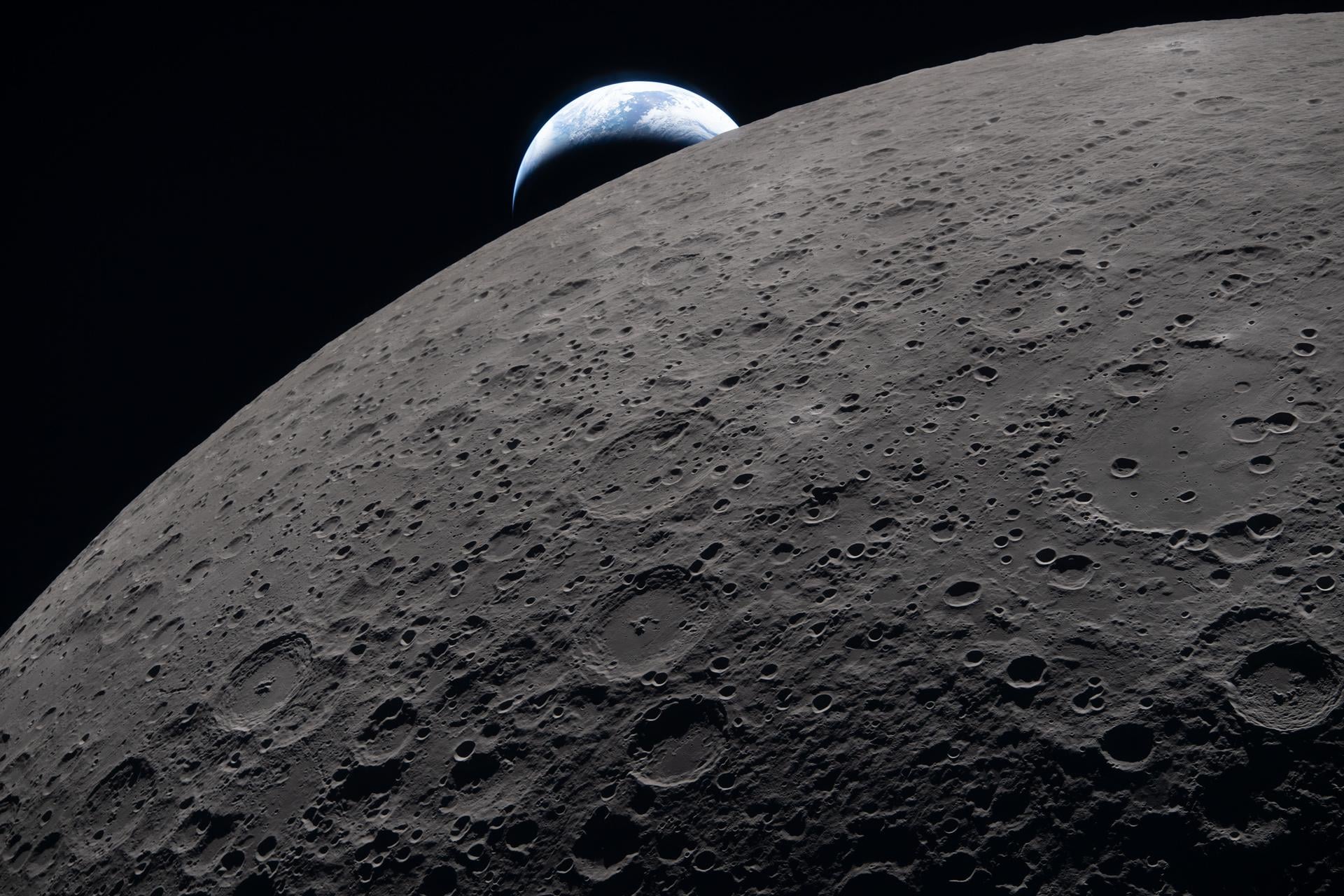
By precisely dating the arrival of supernova debris on the Moon, scientists can determine when the Solar System entered this bubble and how many stars exploded in our immediate vicinity. This is not merely a matter of curiosity; nearby supernovae can have significant effects on planetary environments. A supernova within 100 light-years could potentially damage a planet’s ozone layer or increase the flux of cosmic rays, influencing biological evolution or climate. Understanding the frequency of these events helps astrobiologists assess the long-term habitability of Earth and other Earth-like planets.
Future Exploration: Artemis and the Next Frontier of Lunar Science
The timing of this research is particularly relevant as NASA’s Artemis program aims to return humans to the lunar surface. One of the primary scientific goals of Artemis is to collect deeper and more diverse core samples than those obtained during the Apollo missions.
The HIGP model provides a critical decision-making tool for mission planners. It suggests that the best locations for finding "clean" supernova records may be in regions where the impact gardening rate is lower, or where specific geological features have sheltered the regolith from excessive mixing. Furthermore, the model highlights the importance of "cryogenic sampling"—preserving the samples in their original state to prevent the loss of volatile components or the alteration of delicate isotopic ratios.
International interest is also peaking. The China National Space Administration (CNSA), through its Chang’e missions, has already begun returning new samples from the lunar farside and northern latitudes. As these new samples are analyzed, the Costello model will serve as the primary lens through which the data is interpreted.
Conclusion: Reading the Stardust
The ability to read the lunar regolith as a cosmic archive represents a major leap in planetary science. It transforms the Moon from a static object into a dynamic recorder of galactic history. As Emily Costello noted, the "remains of past stars" provide a way to navigate the history of our Earth-Moon neighborhood, provided we have the mathematical tools to decipher the "scrambled layers."
As humanity moves toward becoming a multi-planetary species, the Moon continues to prove its value as a scientific asset. The stardust buried in the lunar soil is a testament to the fact that Earth and its Moon do not exist in isolation; they are intimately connected to the life cycles of stars throughout the Milky Way. With the new insights provided by the University of Hawaii’s gardening model, the next generation of lunar explorers will not just be digging for dirt—they will be unearthing the history of the Universe itself.