Evan Lee Salim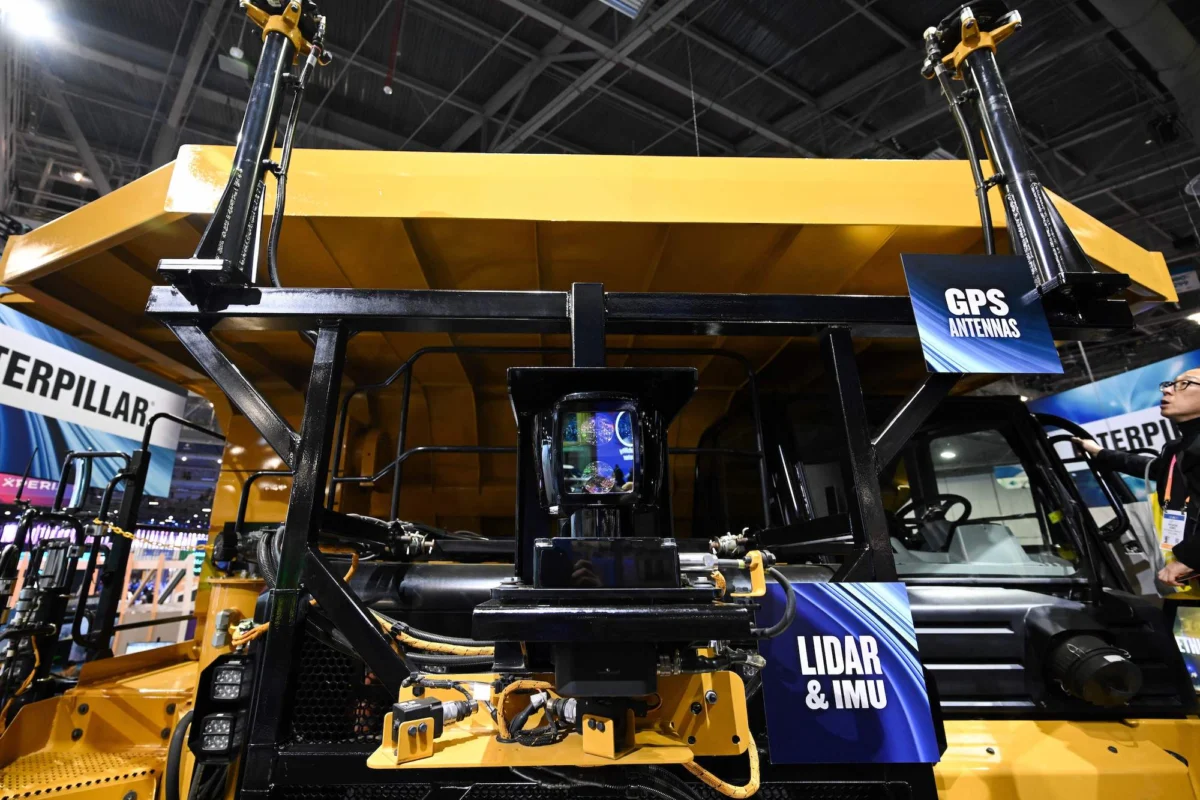
The pervasive challenge of integrating artificial intelligence into everyday operations, a hurdle faced by nearly every enterprise attempting AI deployment, is being systematically addressed by industrial behemoth Caterpillar. Drawing upon its extensive experience in navigating complex physical-world automation over decades, the company is now applying this deep institutional knowledge to strategically implement AI across its vast global ecosystem, setting a precedent for industrial sectors worldwide. This strategic pivot positions Caterpillar not just as a consumer of AI, but as a key innovator in bridging the gap between cutting-edge digital intelligence and the tangible demands of heavy industry.
From Mines to Mainstream: A History of Automation Prowess
Caterpillar’s journey into advanced automation began in the highly demanding and often perilous environment of mining. This sector, perpetually grappling with acute labor shortages and inherent safety risks, presented an ideal crucible for developing and refining autonomous technologies. The inherent need for robust, reliable, and safe operational solutions in mining provided a unique testing ground for automation that could withstand extreme conditions and complex logistical challenges. The lessons learned in these controlled yet harsh environments have been foundational to Caterpillar’s broader AI strategy.
Pioneering Autonomy in Hazardous Environments
The initial push into autonomous mining equipment was a direct response to critical industry needs. Operating heavy machinery in deep pits or underground tunnels exposes human operators to significant hazards, from rockfalls and collisions to dust inhalation and extreme temperatures. Automation offered a compelling solution, promising enhanced safety by removing humans from direct danger zones, while simultaneously boosting productivity through optimized, continuous operation. Early investments focused on developing systems that could precisely control large-scale machinery like haul trucks and drills, ensuring consistency and efficiency far beyond what manual operation could achieve over extended periods. This focus on safety and efficiency became a hallmark of Caterpillar’s approach.
The Evolution of Caterpillar’s Autonomous Toolkit
Today, Caterpillar’s autonomous portfolio in mining is extensive and sophisticated. It includes self-driving haul trucks that transport materials along predefined routes, automated drilling rigs that execute precise drilling patterns, and intelligent underground loaders designed to navigate confined spaces autonomously. Beyond these heavy-duty machines, the company also offers remote-controlled construction equipment, expanding the reach of its automation capabilities to less constrained environments. This hardware is complemented by a suite of advanced software solutions, forming a comprehensive autonomous toolkit. This includes robust command centers for remote oversight and control, sophisticated fleet management systems for optimizing operational flows, and cutting-edge remote terrain intelligence that provides real-time mapping and analysis of job site conditions, crucial for dynamic decision-making by autonomous systems.
Scaling AI Beyond Controlled Settings
The insights gleaned from decades of deploying autonomy in mining are now being strategically transferred to more dynamic and diverse operational landscapes. Jaime Mineart, Caterpillar’s CTO, articulated this ambitious expansion during a fireside chat at the Ai4 conference in Las Vegas, highlighting the “super exciting time where we can take all of that learning from mining and bring it into much more dynamic environments, jobsites, quarries, and construction sites.” This transition marks a significant leap, moving from relatively predictable mining patterns to the often chaotic and ever-changing conditions found in typical construction projects.
Navigating the Complexity of Diverse Work Sites
The shift from controlled mining environments, where routes and tasks are often highly structured and repetitive, to the unpredictable nature of construction sites presents a new set of formidable challenges for AI. Construction projects are characterized by constantly evolving layouts, diverse materials, dynamic human-machine interactions, and unforeseen obstacles. AI systems deployed in these settings must exhibit a higher degree of adaptability, real-time decision-making capability, sophisticated object recognition for identifying moving personnel and varied equipment, and the ability to operate safely alongside human workers in shared spaces. This requires advanced perception systems, robust planning algorithms, and sophisticated human-machine interface designs to ensure seamless and safe integration. The implications for worker safety, project timelines, and overall efficiency are profound, making this a critical area of development for Caterpillar and the industry at large.
Empowering the Workforce with Intelligent Tools
Beyond large-scale autonomous machinery, Caterpillar is also integrating AI into tools designed for its technicians and employees, fundamentally altering daily workflows and enhancing productivity. This internal application of AI underscores a holistic approach to technological adoption, recognizing that AI can augment human capabilities across the enterprise.
The Cat AI Assistant: A Digital Co-Pilot
A prime example of this integration is the Cat AI Assistant, an innovative tool leveraging voice commands to support field technicians. Standing next to a machine, a technician can verbally request repair procedures, troubleshoot potential problems, and identify necessary parts before commencing a repair. This drastically reduces diagnostic time, minimizes errors, and improves the efficiency of maintenance operations. Mineart confirmed that this tool is already in active use by customers, operators, and technicians, demonstrating its immediate practical value. The AI Assistant acts as a digital co-pilot, providing on-demand institutional knowledge and expert guidance, thereby elevating the skill set of the entire workforce. This innovation promises to significantly reduce equipment downtime, improve first-time fix rates, and streamline maintenance schedules, leading to substantial cost savings and enhanced operational continuity for customers.
Leveraging a Data-Rich Legacy
The intelligence underpinning the Cat AI Assistant and other AI initiatives is drawn from Caterpillar’s vast repository of proprietary data. This data ecosystem spans information generated by an estimated 1.6 million connected assets globally, accumulating to more than 16 petabytes of structured data. This immense data lake, comprising operational telemetry, maintenance logs, sensor readings, and performance metrics, serves as the lifeblood for Caterpillar’s AI systems. It enables the development of highly accurate machine learning models for predictive maintenance, operational optimization, and advanced diagnostics. The ability to collect, process, and analyze such a massive and diverse dataset provides Caterpillar with a distinct competitive advantage, allowing its AI to be tailored precisely to the nuances of heavy equipment operation and maintenance. The continuous feedback loop from these connected machines further refines the AI models, ensuring they remain relevant and effective as equipment evolves and operating conditions change.
AI’s Pervasive Reach: From Digital Twins to Code Generation
Caterpillar’s adoption of AI extends far beyond the operational field, permeating its manufacturing processes, enterprise operations, and even software development lifecycle. This comprehensive integration reflects a belief in AI’s transformative potential across all facets of a modern industrial enterprise.
Optimizing Operations with Digital Twins and Analytics
The company is leveraging AI to power software for scanning physical sites and generating digital twins. These highly detailed virtual replicas of machines, facilities, or entire job sites allow for comprehensive analysis of operations in a simulated environment. In manufacturing, digital twins facilitate predictive maintenance, optimize production lines, and enable virtual testing of new designs, drastically reducing physical prototyping costs and time-to-market. By simulating various scenarios, Caterpillar can identify inefficiencies, anticipate potential failures, and optimize resource allocation with unprecedented precision. This capability transforms decision-making, moving from reactive responses to proactive, data-driven strategies, thereby enhancing efficiency, reducing waste, and improving the overall resilience of its supply chain and manufacturing processes.
Transforming Software Development with AI Agents
Like many leading technology companies, Caterpillar is also harnessing AI within its enterprise operations and, notably, for software development. Mineart highlighted the use of "AI agents to modernize legacy code, generate and test new software, and identify defects earlier." This application of AI in software engineering represents a significant stride towards accelerating development cycles and enhancing software quality. AI agents can automate repetitive coding tasks, identify vulnerabilities, suggest optimizations, and even generate entire code blocks, freeing human developers to focus on higher-level architectural challenges and innovation. For a company with a vast array of complex software systems supporting its global operations, this translates into faster development, reduced technical debt, and more reliable software products that power its next generation of intelligent machines and services.
The Human Element: Redefining Workflows and Roles
Despite the technological advancements, Mineart is quick to emphasize that building the technology is merely one part of the equation. The true challenge lies in deploying autonomous machines and transforming existing sites to effectively utilize AI, which necessitates a fundamental rethinking of how people interact with technology and how established processes must evolve.
Beyond Technology: The Challenge of Workflow Integration
"The hard part about autonomy and about physical AI is incorporating that technology into the customer jobsite and into the workflows," Mineart stated. This highlights the critical importance of change management and socio-technical system design. Integrating AI is not just about installing new hardware or software; it requires adapting human behaviors, refining operational protocols, and sometimes completely restructuring traditional workflows. Companies must invest in understanding the human element, ensuring that the technology enhances rather than disrupts the productivity and safety of their workforce. This "last mile" problem of AI deployment—ensuring seamless integration into existing human-centric systems—is often the most complex and resource-intensive aspect of technological adoption.
Cultivating a New Generation of Operators
Caterpillar actively leans on the invaluable experience of its seasoned operators to train its AI systems. This strategy leverages decades of institutional knowledge, ensuring that the AI learns from the best human expertise available. As machines become increasingly autonomous, the role of human operators is evolving from directly controlling a single machine to overseeing multiple machines from a remote command center. This shift necessitates a different skill set, moving from manual dexterity and direct physical interaction to supervisory roles, data interpretation, and strategic decision-making. Operators will become more like system managers, ensuring the smooth functioning of complex autonomous fleets, intervening only when necessary, and continually optimizing performance. This evolution is critical for maximizing the benefits of autonomy while retaining valuable human oversight.
Investing in the Future: A $100 Million Commitment to Upskilling
This transformative shift in operational paradigms, however, presents a new and significant challenge for Caterpillar: the comprehensive training of its vast workforce. With 118,000 employees globally, ensuring that its personnel are equipped for the future of AI, autonomy, and robotics is a monumental undertaking.
A Blueprint for Workforce Transformation
Recognizing this imperative, Caterpillar plans to invest a substantial $100 million over the next five years specifically for workforce training in AI, autonomy, and robotics. This significant financial commitment underscores the company’s proactive approach to reskilling and upskilling its employees, preparing them for the demands of an increasingly automated and AI-driven industrial landscape. This investment is not merely about technical training; it encompasses fostering a culture of continuous learning, adaptability, and innovation. The curriculum will likely cover foundational AI concepts, specialized training for operating and maintaining autonomous equipment, data analytics, and the development of new roles focused on AI system management and optimization. This ambitious program serves as a blueprint for other heavy industries facing similar technological transitions, emphasizing that human capital development is as crucial as technological investment for successful digital transformation. The long-term benefits include improved employee retention, enhanced safety records through better human-AI collaboration, and a more agile, high-performing workforce capable of driving future innovation.
Caterpillar’s AI Dividend: Fueling Growth and Innovation
This strategic investment in AI infrastructure and applications is already yielding tangible financial benefits for Caterpillar, positively impacting its top-line performance. The broader boom in AI infrastructure, driven by the escalating demand for cloud computing and generative AI, presents a unique strategic advantage for the industrial giant.
Powering the AI Revolution: A Strategic Advantage
Caterpillar reported an all-time high quarterly revenue of $20.5 billion in the second quarter, a testament to its robust market position and strategic diversification. A significant contributor to this record performance was the strong demand for power-generation equipment, which saw sales spike an impressive 72% to $3.10 billion. This surge is directly attributable to the explosive growth in data centers required to power the AI revolution. Joe Creed, Caterpillar’s CEO, affirmed that "no one is slowing down" when it comes to the demand for cloud computing and generative AI infrastructure. As the foundational infrastructure for AI continues to expand globally, Caterpillar’s role as a critical supplier of reliable and high-capacity power solutions positions it at the heart of this technological transformation. Its engines, generators, and associated power systems are essential for the continuous, energy-intensive operations of hyperscale data centers, providing a consistent and growing revenue stream independent of its traditional heavy equipment sales.
The Broader Economic Implications
This dual benefit—internal AI adoption driving operational efficiency and external demand for AI infrastructure fueling revenue—illustrates a powerful synergy. Caterpillar is not only leveraging AI to enhance its own products and processes but is also a direct beneficiary of the broader economic investment in AI. This trend is likely to continue, as the insatiable demand for processing power and data storage shows no signs of abating. The implications extend beyond Caterpillar, signaling a broader industrial shift where traditional manufacturing and heavy equipment companies are finding new avenues for growth by supporting the digital economy. It highlights how core industrial capabilities, such as reliable power generation and infrastructure development, remain indispensable even in the age of advanced artificial intelligence, cementing Caterpillar’s strategic importance in the global economic landscape.
Conclusion: Charting the Course for Industrial AI
Caterpillar’s holistic approach to AI integration, marrying decades of physical world automation expertise with cutting-edge digital intelligence, positions it as a vanguard in the industrial sector. From pioneering autonomous mining solutions to deploying sophisticated AI assistants for technicians and transforming internal software development, the company is systematically addressing the complex challenges of AI adoption. The strategic investment in workforce training and the remarkable financial gains from powering the global AI infrastructure underscore a well-executed vision. As the world increasingly leans on intelligent machines and data-driven insights, Caterpillar’s journey offers a compelling blueprint for how established industrial giants can not only adapt to, but also lead, the era of pervasive artificial intelligence, shaping the future of work and operational excellence in heavy industry.