Garick Elordi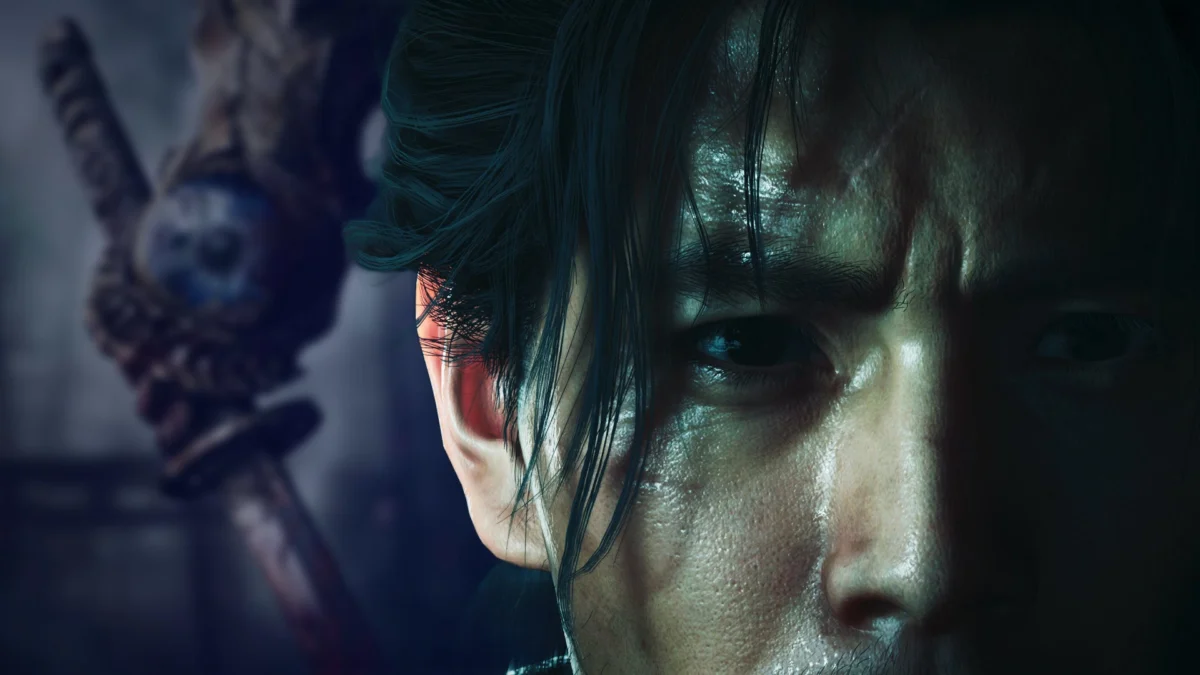
Capcom has officially released Onimusha: Way of the Sword, marking a significant pivot for the long-standing franchise that first debuted in 2001. This latest entry departs from the supernatural-heavy narratives of its predecessors to offer a more grounded, yet stylistically elevated, exploration of Japan’s most famous duelist, Miyamoto Musashi. By integrating the philosophical teachings of Musashi’s "The Book of Five Rings" directly into its mechanical framework, Capcom has delivered a title that emphasizes precision, observation, and minimalism over the chaotic button-mashing often associated with the character action genre. The game serves as a technical showcase for Capcom’s proprietary RE Engine, utilizing advanced motion capture and likeness rights to recreate a cinematic experience reminiscent of mid-20th-century samurai cinema.
The Evolution of the Onimusha Franchise
The Onimusha series has a storied history within the Capcom portfolio, originally conceived as a "ninja version" of the Resident Evil formula. The first title, Onimusha: Warlords, made history as the first PlayStation 2 game to reach one million copies sold. However, following the release of Onimusha: Dawn of Dreams in 2006, the franchise entered a period of dormancy, save for a 2019 remaster of the original game.
Onimusha: Way of the Sword represents a "soft reboot" of the intellectual property. While it retains the core conflict against the "Genma"—demonic entities seeking to subvert the human realm—the focus has shifted toward historical authenticity and character-driven storytelling. The development cycle for Way of the Sword was reportedly one of Capcom’s most intensive for a non-Resident Evil title, involving a two-year negotiation process to secure the likeness of the late Toshiro Mifune, the legendary actor synonymous with the works of Akira Kurosawa. This commitment to aesthetic pedigree suggests a strategic move by Capcom to compete in the high-fidelity historical action space currently occupied by titles like Ghost of Tsushima and Sekiro: Shadows Die Twice.
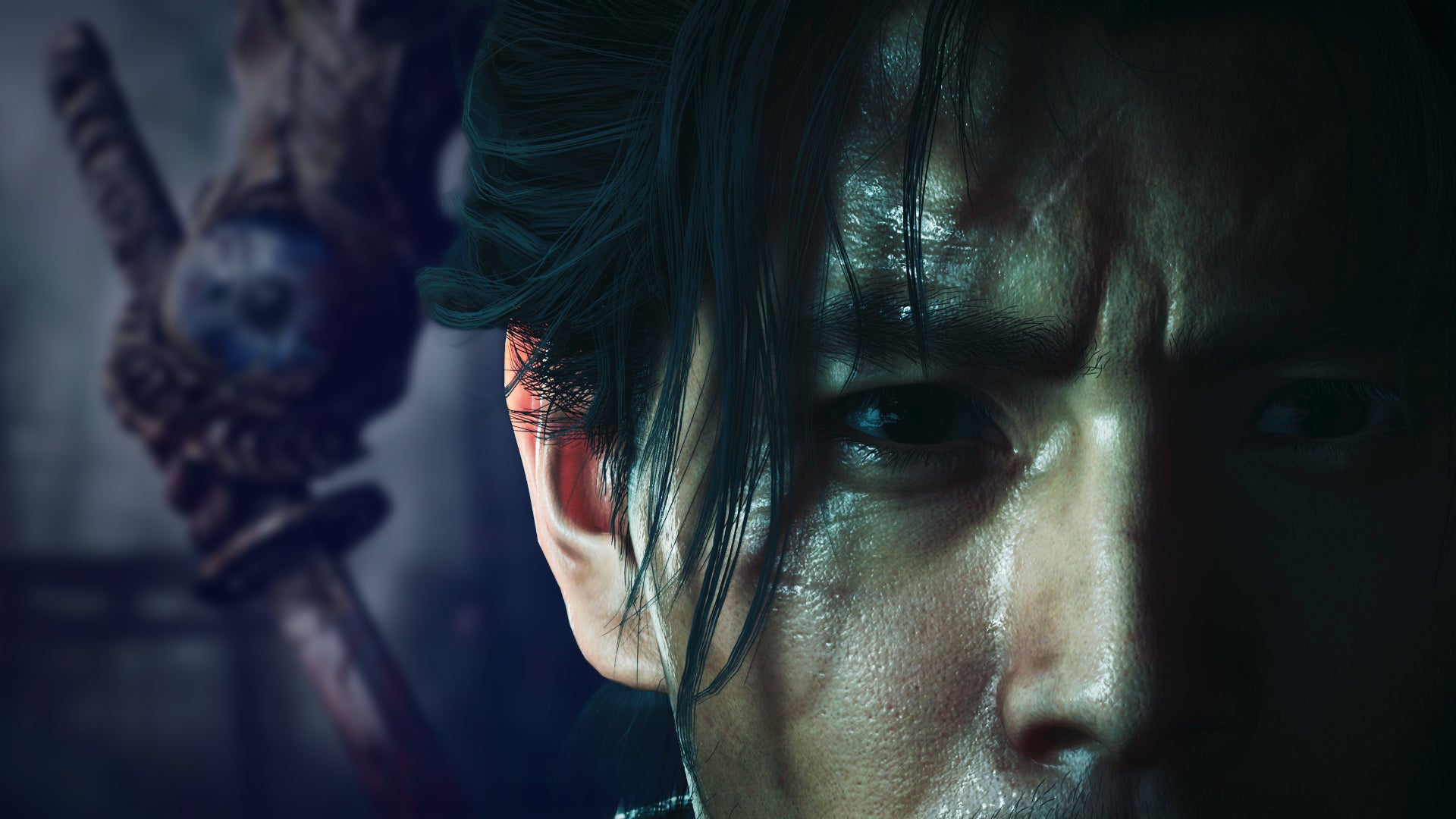
Combat Mechanics: The Philosophy of the Issen
At the heart of Way of the Sword is a combat system that prioritizes momentum and reactive play over aggressive offense. Capcom’s development team hired professional swordsmen to provide motion capture data, ensuring that every stance and strike reflects authentic 16th-century martial arts. The central pillar of this system is the "Issen," or flash attack. This counter-strike mechanic requires players to time their inputs precisely as an enemy’s blade is about to make contact.
Unlike many contemporary "Soulslike" games that rely on a parry-and-posture system, Way of the Sword treats combat as a psychological duel. The player, assuming the role of Miyamoto Musashi, must utilize "filler moves"—light and heavy attack strings—not to deplete a health bar, but to compromise the enemy’s defense. The most lethal strikes are reserved for follow-ups to successful dodges and deflections. This creates a rhythmic "dance" of combat where the player is encouraged to be a "better reactor than instigator," mirroring Musashi’s real-life reputation for winning over 60 duels through superior strategy and timing.
To assist players in navigating these high-stakes encounters, Capcom has implemented a color-coded visual language:
- Flashing Telegraphs: Indicate opportunities for deflect-only counters.
- Red Aura: Signifies an undodgeable attack that must be parried or interrupted.
- Blue Aura: Denotes a heavy strike that cannot be blocked and must be evaded.
This "Simon Says" approach to high-speed decision-making ensures that while the game is notoriously difficult, it remains mechanically fair, rewarding players who have "sharpened their reflexes" through repeated practice.

Integrating The Book of Five Rings
The narrative and mechanical design of Way of the Sword are inextricably linked to Miyamoto Musashi’s seminal text, "The Book of Five Rings" (Go Rin No Sho). Capcom has used the book’s maxims as a guide for level design and enemy AI. Musashi’s advice to "pay attention even to trifles" is manifested in the game’s telegraphing system; even low-level fodder enemies possess intricate animations that require the player’s full attention.
The game also features a unique "Demon Realm" vision mechanic, mapped to the R2 trigger. This allows Musashi to "perceive those things which cannot be seen," highlighting hidden objectives and critical paths through the environment. While some critics may view this as a concession to modern gaming convenience, it aligns with the game’s theme of intuitive judgment. By the midpoint of the 20-to-30-hour campaign, players are expected to have internalized these "trifles," allowing them to navigate the ruins of Kyoto with the lethal efficiency of a master swordsman.
Narrative Structure and Cinematic Presentation
The story follows Musashi as he navigates a crumbling Kyoto under siege by the Genma. The narrative is driven by what early reviewers have called "sumptuous cinematography" and "pitch-perfect characterization." The direction of cutscenes borrows heavily from the "Chambara" (sword fighting) film genre, specifically the works of Akira Kurosawa. The camera work emphasizes the stillness before a strike and the explosive violence of the resolution.
The inclusion of Toshiro Mifune’s likeness provides a gravitas that anchors the often-fantastical plot. The digital recreation of Mifune captures subtle nuances—a raised eyebrow, a dubious sniff, or a grimace of pain—that bridge the gap between video game character and cinematic icon. This focus on "uncanny" realism extends to the supporting cast, who are integrated into a rudimentary RPG system. Players can unlock new skins, upgrade weapons, and progress through a skill tree that reflects Musashi’s evolution from a wandering duelist to a master strategist.

World Design and Side Content
Onimusha: Way of the Sword utilizes a "hub-and-spoke" world design rather than a fully open world. This allows for "legacy dungeons" and tightly controlled environments that maximize the impact of the game’s lighting and atmospheric effects. While the main path is linear, the game features medium-sized areas where players can engage in side missions.
These missions often involve:
- Hunting down rogue Genma clusters.
- Retrieving rare artifacts for weapon upgrades.
- Solving environmental puzzles to unlock "Genma Realm" challenges.
Data suggests that a "rushed" playthrough of the main story takes approximately 20 hours, while a completionist run, which involves mastering the RPG skill tree and discovering all hidden items, extends to 30 hours. Some early feedback indicates that the side content can feel repetitive compared to the high-quality boss encounters, suggesting that the game is at its strongest when it remains "blinkered" and focused on its core combat loop.
Comparative Analysis and Industry Impact
The release of Onimusha: Way of the Sword comes at a time when the "samurai action" subgenre is seeing a resurgence. However, Capcom has consciously avoided the "Soulslike" label. By focusing on the Issen system and reactive combat, Way of the Sword differentiates itself from the stamina-management focus of Nioh or the posture-breaking focus of Sekiro.

Industry analysts suggest that Capcom’s success with this title could signal a broader trend of reviving classic IPs with a focus on "prestige" production values rather than live-service models. The game’s insistence on "honest play"—forcing players to learn mechanics rather than grinding for stats—positions it as a purist’s action game.
Conclusion and Future Outlook
Onimusha: Way of the Sword is a testament to Capcom’s current mastery of action game development. By blending 16th-century philosophy with cutting-edge digital acting and a refined combat engine, the developer has created a title that feels both ancient and modern. While the "connective tissue" of exploration and side missions may lack the polish of the central boss fights, the overall package offers a level of role-playing immersion rarely seen in the genre.
The game concludes with a robust post-game hub, allowing players to replay boss encounters with new gear—a feature that highlights the depth of the combat design. As Capcom continues to leverage its RE Engine and legacy titles, Way of the Sword stands as a bold declaration that the Onimusha franchise has successfully found its "way" in the modern gaming landscape.
A copy of Onimusha: Way of the Sword was provided for this review by Capcom.