Vera Intan Clara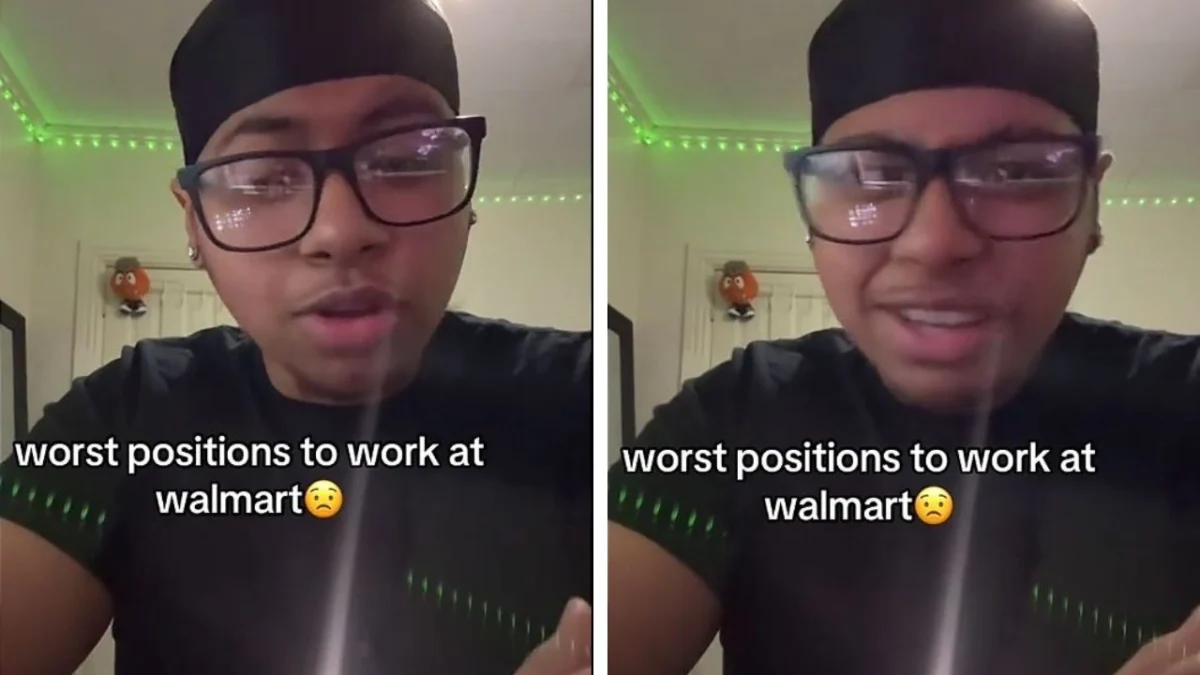
A recent TikTok video, which rapidly garnered significant attention and engagement, has ignited a widespread discussion regarding the most challenging entry-level positions within Walmart stores. The video, posted by creator @rackksinmyypurple, had amassed over 480,000 views and more than 3,200 comments at the time of this report, ranking the roles of cashier and Online Grocery Pickup (OGP) as the two least desirable positions at the retail giant. The creator explicitly stated that this ranking was derived from his personal experience working at the store and was intended to offer guidance to individuals contemplating entry-level employment in the retail sector.
The Genesis of a Viral Grievance: A Worker’s Perspective
The video, which appeared on TikTok, a platform increasingly utilized by employees to share candid insights into their workplaces, quickly resonated with a broad audience, many of whom claimed to have similar experiences. The creator’s unfiltered commentary provided a raw look into the day-to-day realities of these roles, contrasting sharply with the often-sanitized public image of large retail corporations. His direct address to potential new hires underscores a growing trend of peer-to-peer career advice circulating on social media, often bypassing traditional recruitment channels and offering unvarnished truths about specific jobs.
The Cashier Conundrum: Repetitive Tasks and Restrictive Policies
According to the TikToker, the cashier position stands as the most arduous overall, primarily due to a confluence of highly repetitive tasks and stringent workplace regulations. He vividly described the experience as spending "eight hours straight doing not sh-t, but just listen to customers b—-ing complain while you’re scanning their f–king s–t." This blunt assessment highlights a core issue in many customer service roles: the emotional labor involved in constantly managing customer interactions, which can often be negative or demanding, alongside the monotonous physical tasks.
Furthermore, the creator detailed specific policies that he found particularly restrictive, including prohibitions on using personal phones or listening to music during shifts. Bathroom breaks, he noted, were similarly constrained. These rules, while common in many retail environments, were presented as contributing factors to a sense of stifling control and lack of autonomy. Exacerbating this pressure, he claimed, was pervasive managerial oversight, stating, "Then you got two, three managers that are just breathing down your f–king neck." This perception of constant surveillance and limited freedom is a frequently cited cause of job dissatisfaction in entry-level positions across various industries.
The TikToker asserted that his tenure as a Walmart cashier was more challenging than other retail roles he had held, including positions at gas stations. He unequivocally advised viewers against accepting a cashier role in any industry, emphasizing that the unique difficulty stemmed from the high volume of direct customer complaints coupled with the minimal autonomy granted to workers during their shifts. This lack of control over one’s immediate work environment, combined with sustained customer-facing pressure, can contribute significantly to burnout and stress, particularly in roles with limited opportunities for creative problem-solving or varied responsibilities.
Online Grocery Pickup (OGP): Enjoyable, Yet Imperfect
In contrast to the cashier role, the creator described the Online Grocery Pickup (OGP) position as "the funniest job in the f—— world," citing reduced managerial oversight and less direct customer interaction as key advantages. The OGP role primarily involves retrieving and organizing online orders throughout the store, a task that often requires considerable movement and navigation across different departments. This dynamic nature, as opposed to the static environment of a cash register, appeared to contribute to a more positive perception of the job, offering a sense of activity and less direct confrontation with demanding customers.
However, the OGP position was not without its drawbacks. The TikToker lamented the inability to accept tips, a common frustration for many service-oriented roles not traditionally classified as "tipped" positions. More frequently, OGP employees reportedly field complaints concerning the method of bagging orders or how items are placed into customers’ vehicles. "People complain about the way you bag their f–king groceries," he stated, illustrating how even seemingly minor details can become sources of customer dissatisfaction, placing additional pressure on employees.
Another significant challenge in the OGP role, according to the video, involves the strict policy regarding dropped items. Employees are reportedly required to immediately clean up any items that fall from delivery crates, with the risk of being formally coached by management if they fail to do so. This policy, while likely aimed at maintaining store cleanliness and preventing losses, adds another layer of pressure and responsibility to an already physically demanding job. The creator highlighted that the OGP role necessitates "near-constant movement throughout a shift," with only a short break period integrated into the workday, underscoring the physical toll such a position can take.
Beyond the Register: The Physically Demanding Unloaders
The video also included an "honorable mention" for employees responsible for unloading delivery trucks at Walmart stores, characterizing it as the most physically demanding job available at the company. The creator drew a direct comparison between the physical intensity of this role and that of general warehouse labor. These positions, often behind the scenes, involve heavy lifting, repetitive movements, and working within tight deadlines, which can lead to significant physical strain and a higher risk of injury. While not the focus of the "worst jobs" ranking, its inclusion acknowledges the spectrum of physical challenges present in a large retail environment.
Broader Context: The Retail Labor Landscape
Walmart, as one of the world’s largest private employers with millions of associates globally, operates a vast network of stores that rely heavily on entry-level labor. The experiences detailed in the TikTok video resonate within a broader conversation about working conditions in large retail chains. The retail sector, particularly entry-level positions, is often characterized by high turnover rates, which some studies attribute to factors such as low wages, limited career advancement opportunities, and demanding work environments.
The growth of e-commerce, particularly accelerated by the COVID-19 pandemic, has significantly transformed retail operations. Roles like OGP have become critical components of omnichannel retail strategies, meeting consumer demand for convenience. While these new roles offer some variation from traditional in-store positions, they introduce their own set of challenges, including the pressure of timely order fulfillment, inventory management, and adapting to fluctuating customer expectations regarding online orders. The inability to accept tips in OGP, despite providing a direct service to customers, reflects a broader industry standard that can leave service workers feeling undervalued compared to those in traditional tipping roles.
The Impact of Social Media on Worker Narratives
The virality of @rackksinmyypurple’s video underscores the increasing power of social media platforms like TikTok in shaping public perception of jobs and amplifying individual worker voices. These platforms provide an unfiltered forum for employees to share their experiences, criticisms, and advice, often bypassing traditional media filters or corporate communications. Such content can influence job seekers, potentially impacting recruitment efforts for specific roles, and can also spark broader discussions about labor practices, employee well-being, and corporate responsibility.
Reactions from the Digital Community: Validation and Dissent
The comment section of the TikTok video quickly became a lively forum for current and former retail workers to share their own perspectives, offering both validation and alternative viewpoints. One commenter, echoing the sentiment about customer interaction, wrote, "Cashier ain’t hard but dealing with the people is atrocious." This highlights a critical distinction: the physical or cognitive demands of a job might be manageable, but the emotional burden of constant, sometimes negative, customer engagement can be the most taxing aspect.
Another commenter affirmed the OGP struggles, stating, "My girl work at ogp and constantly complaining," [sic] lending credibility to the TikToker’s assessment of that role’s challenges. These comments demonstrate how personal experiences, when shared publicly, can find widespread resonance and validation within online communities.
Not all feedback was in agreement, however. One commenter offered a contrasting opinion, suggesting an alternative position they found more favorable: "Cart attendant the best one we sit around all day when we get it full inside," [sic] they wrote. This perspective illustrates the subjective nature of job satisfaction and highlights how different roles, even within the same company, can offer vastly different experiences depending on individual preferences, store specificities, and management styles. The role of a cart attendant, while often physically demanding in retrieving carts, might offer periods of respite or less direct customer interaction, which some employees might prefer.
Inferred Industry and Corporate Perspectives
While Walmart did not issue a specific public statement directly addressing this particular TikTok video, large corporations typically maintain a stance on employee welfare and working conditions. A hypothetical response from Walmart’s corporate communications might emphasize the company’s commitment to providing a supportive work environment, competitive wages, and opportunities for growth. Such a statement would likely highlight training programs, employee benefits, and mechanisms for feedback and concern resolution, asserting that the company values its associates and continuously strives to improve their experience. They would likely also point to the diversity of roles and opportunities available within their vast operations, suggesting that individual experiences can vary significantly.
From an industry expert’s perspective, these viral discussions underscore the ongoing challenge for retailers to balance operational efficiency with employee satisfaction. Dr. Emily Thorne, a labor market analyst specializing in retail, might suggest that "the rise of these unfiltered worker narratives on social media forces companies to confront the realities on the ground. Attracting and retaining talent in entry-level retail roles requires more than just a paycheck; it demands a focus on work-life balance, psychological safety, and opportunities for autonomy, however limited."
Labor advocates would likely view such videos as critical evidence of the need for stronger worker protections and collective bargaining power. Representatives from labor organizations might argue that "these individual accounts highlight systemic issues within the retail sector: inadequate staffing, intense productivity pressures, and insufficient avenues for workers to voice concerns without fear of reprisal. Platforms like TikTok are empowering workers to share their truth, which should prompt corporations to re-evaluate their labor practices."
Implications for Recruitment, Retention, and the Future of Retail Work
The insights shared in this viral TikTok video carry significant implications for both Walmart and the broader retail industry. For companies, such public disclosures can complicate recruitment efforts, particularly for roles that are already perceived as challenging or undesirable. Potential applicants, informed by peer reviews and candid social media content, may be more discerning, leading to increased pressure on employers to genuinely improve working conditions or enhance compensation and benefits.
The ongoing debate also highlights the evolving nature of customer expectations. In an era of instant gratification and omnichannel shopping, the pressure on front-line employees to deliver seamless service is immense. This pressure, combined with limited autonomy and stringent rules, can lead to high levels of stress and burnout, contributing to the high turnover rates often seen in retail. Addressing these issues may require innovative approaches to employee engagement, better training for managers, and a re-evaluation of performance metrics to include aspects of employee well-being.
Ultimately, the phenomenon of workers sharing their experiences on social media platforms like TikTok serves as a powerful, decentralized mechanism for accountability. It compels large employers to consider the lived realities of their workforce and the impact of their policies on individual employees. The discussion sparked by @rackksinmyypurple’s video is a microcosm of a larger societal conversation about fair labor practices, the dignity of work, and the role of corporations in fostering positive and sustainable employment environments.
The Daily Dot was unable to independently verify the specific store location or current workplace policies described in this video. The details above reflect the account shared by @rackksinmyypurple on TikTok and the subsequent public discourse it generated.