Garick Elordi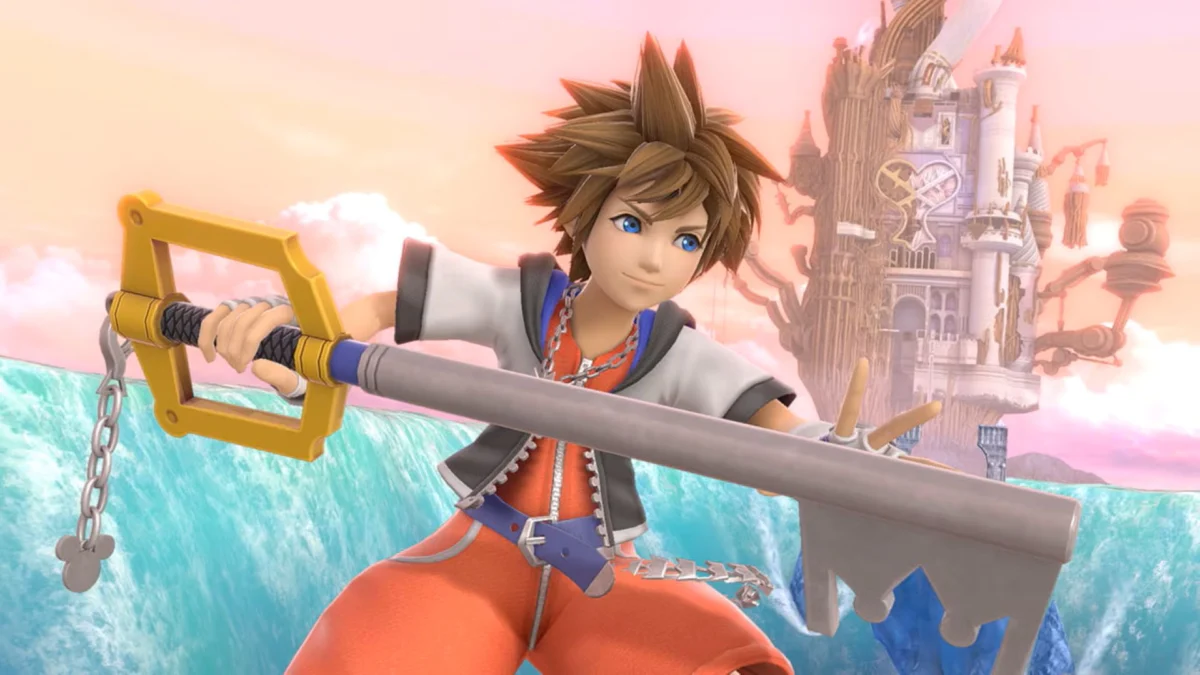
The intersection of beloved intellectual properties and competitive gaming nearly took a radical turn in the early 2000s, according to recent revelations from veterans of the video game industry. Following the unexpected commercial and critical triumph of the original Kingdom Hearts, Disney Interactive reportedly explored the development of a crossover fighting game modeled after Nintendo’s Super Smash Bros. series. This project, which carried the working title Disney’s Action Figure Face Off, represents a pivotal "what if" moment in the history of licensed interactive entertainment, illustrating the internal friction between creative ambition and corporate brand management.
According to Ken Christiansen, a former concept artist for Disney Interactive who contributed to the first Kingdom Hearts title, the path to multi-franchise integration was fraught with executive hesitation. In a detailed retrospective, Christiansen outlined how the success of the Square Enix-developed crossover paved the way for a internal project that sought to pit Disney’s most iconic heroes and villains against one another in a dedicated combat arena. While the project ultimately failed to move past the prototype stage, its existence underscores a transformative era for the Walt Disney Company’s approach to its digital assets.
The Kingdom Hearts Catalyst and Corporate Friction
To understand the origins of Disney’s Action Figure Face Off, one must examine the climate surrounding the development of Kingdom Hearts in the late 1990s and early 2000s. The collaboration between Square (now Square Enix) and Disney was initially viewed as a high-risk experiment. At the time, Disney maintained a rigorous "silo" policy regarding its intellectual properties. Each film world was treated as a distinct entity, and the concept of characters from disparate eras and settings interacting was considered a potential violation of brand integrity.
Christiansen noted that the production of the first Kingdom Hearts was marked by significant internal pushback. Executives were reportedly "reluctant" to allow crossovers that felt narratively jarring, such as characters from The Lion King appearing alongside those from The Little Mermaid. This protective stance created a challenging environment for developers who saw the potential for a unified Disney "multiverse" long before the term became a staple of modern cinema.
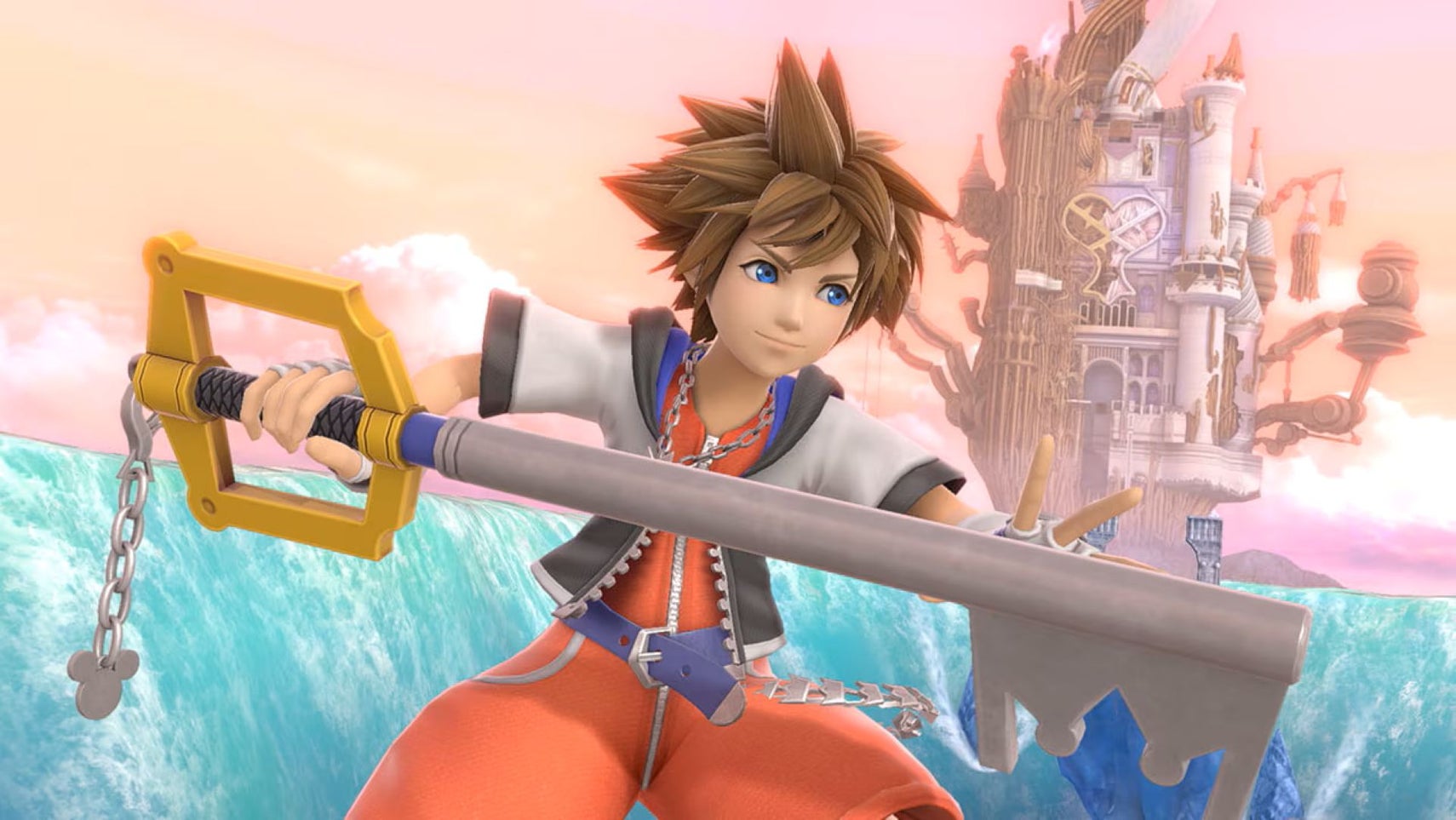
However, when Kingdom Hearts launched on the PlayStation 2 in 2002, it defied expectations. The game went on to sell over 6 million copies worldwide, becoming one of the best-selling titles on the platform. The success of Sora’s journey through various Disney worlds effectively dismantled the internal argument against character crossovers, proving that fans were not only willing to accept such mashups but were actively craving them. This shift in sentiment provided the momentum necessary for Disney Interactive to greenlight the pre-production of its own crossover fighter.
Disney’s Action Figure Face Off: A Forgotten Concept
With the corporate barriers beginning to thin, Disney Interactive began conceptualizing a project that would leverage the company’s vast library of characters in a competitive format. The proposed title, Disney’s Action Figure Face Off, was designed to bypass the narrative complexities of Kingdom Hearts by utilizing a "toys-to-life" framing device—a concept that predated the actual Toys-to-Life genre by nearly a decade.
The creative vision, as described by Christiansen, drew direct inspiration from Pixar’s Toy Story. The premise involved a child’s bedroom where various Disney action figures would come to life and engage in combat. This meta-narrative provided a convenient explanation for why characters like Tarzan, Simba, and Jim Hawkins from Treasure Planet could occupy the same space without disrupting their respective film canons.
This framing mirrored the original Super Smash Bros. on the Nintendo 64, which utilized a similar conceit involving a child playing with dolls. By positioning the characters as playthings rather than the "actual" heroes, Disney’s creative team hoped to appease the brand managers who remained wary of seeing their flagship characters engage in direct, aggressive conflict. The roster was intended to be expansive, drawing from the "Disney Renaissance" era as well as then-recent releases like Treasure Planet, ensuring the game would appeal to a wide demographic of young gamers.
The Shift to Safer Alternatives
Despite the strength of the concept and the success of Kingdom Hearts, Disney’s Action Figure Face Off never reached full-scale production. During the early 2000s, the video game industry saw a massive influx of licensed movie tie-ins. These projects were often viewed by major studios as "safe" investments with guaranteed returns, as they launched alongside major theatrical releases.
Disney leadership ultimately decided to prioritize these individual film tie-ins over the experimental crossover fighter. The logic of the time suggested that a standalone Tarzan or Lilo & Stitch game was a more predictable revenue stream than an ambitious, multi-brand fighting game that lacked a direct cinematic equivalent to promote. Consequently, the prototypes for Face Off were shelved, and the concept of a Disney-centric platform fighter remained dormant for years.
Chronology of Disney’s Crossover Evolution
The cancellation of Action Figure Face Off did not mark the end of Disney’s interest in crossovers; rather, it delayed the company’s entry into the genre. A look at the timeline of Disney’s interactive strategy reveals a slow but steady embrace of the "multiverse" concept:
- 2002: Kingdom Hearts launches, proving the viability of Disney/Square Enix crossovers.
- 2003-2005: Internal discussions and prototyping for Disney’s Action Figure Face Off are halted in favor of traditional film licenses.
- 2010: Disney Universe is released, a co-op action-adventure title that allowed players to dress up as various Disney characters, marking a return to the crossover concept.
- 2013: Disney Infinity is launched. This project finally realized the "toys-to-life" vision Christiansen had described years earlier, incorporating characters from Disney, Pixar, Marvel, and eventually Star Wars into a single sandbox experience.
- 2022-2023: Disney expands into diverse genres with Disney Dreamlight Valley (a life simulation) and Disney Speedstorm (a combat racing game), both of which rely heavily on the crossover appeal first pioneered by Kingdom Hearts.
Market Implications and the Rise of the Platform Fighter
The decision to cancel a Disney-themed fighting game in the early 2000s can be seen as a missed opportunity to dominate a genre that has since become a cornerstone of the industry. Nintendo’s Super Smash Bros. Melee, released in 2001, became a cultural phenomenon and established the "platform fighter" as a lucrative and competitive sub-genre.
In recent years, other major entertainment conglomerates have successfully capitalized on this format. Warner Bros. Games released MultiVersus, featuring characters from DC Comics, Looney Tunes, and Game of Thrones, while Nickelodeon launched Nickelodeon All-Star Brawl. These titles demonstrate that the appetite for mascot-based fighting games remains high. Had Disney moved forward with Action Figure Face Off, they would have entered the market with a roster of characters—Mickey Mouse, Donald Duck, and the Disney Princesses—that arguably possess greater global brand recognition than any other stable of IPs in history.
The Legacy of the "Mouse House" Crossover
While Disney’s Action Figure Face Off remains a footnote in gaming history, its legacy persists through the continued evolution of the Kingdom Hearts franchise. The series remains the gold standard for how Disney manages its properties in the gaming space. With Kingdom Hearts IV currently in development and slated for a 2027 release window, the brand synergy that was once a source of internal conflict is now a primary marketing engine.
Furthermore, reports of a Kingdom Hearts anime series in production for Disney+ suggest that the company is no longer hesitant about blurring the lines between its various worlds. The modern Disney executive team appears to have fully embraced the strategy of inter-connectivity, as evidenced by the company’s recent $1.5 billion investment in Epic Games. This partnership aims to create a "persistent universe" within Fortnite, essentially building the ultimate digital version of the crossover fighter that Christiansen and his colleagues envisioned over two decades ago.
In retrospect, the story of Disney’s Action Figure Face Off is a testament to the foresight of the developers at Disney Interactive. They recognized the power of the crossover at a time when corporate policy was defined by isolation. While the "Smash Bros. clone" never saw the light of day, the spirit of that project lives on in every modern Disney title where Buzz Lightyear can race against Maleficent or build a home next to Wall-E. The walls of the Disney "silos" have finally crumbled, leaving behind a landscape where the only limit to a crossover is the imagination of the developers and the passion of the fans.