Clarissa Hana
Multiple lawsuits have been filed against identity verification company IDScan following allegations that hackers breached its service and offered to sell more than 153 million driver’s licenses. The scale of the alleged breach, which could impact a significant portion of the driving population in the United States and Canada, has prompted immediate legal action and sparked a federal investigation. Several prominent law firms have launched investigations into potential class-action litigation, signaling a potentially lengthy and complex legal battle for the identity verification provider.
The repercussions of this alleged security incident began to surface publicly on September 1, 2026, when cybersecurity journalist Brian Krebs reported on a dark-web identity-theft service operating under the moniker "Nexus." This service, according to Krebs’s extensive reporting, was advertising access to an enormous cache of sensitive personal data. The illicit offering included over 153 million scans of U.S. and Canadian driver’s licenses, a staggering 10 million additional ID cards, 3 million travel documents, and a further 579,000 medical cards. Krebs’s investigation, which involved verifying samples from the database using his own personal information and that of consenting individuals, traced the origin of this massive data leak back to IDScan.
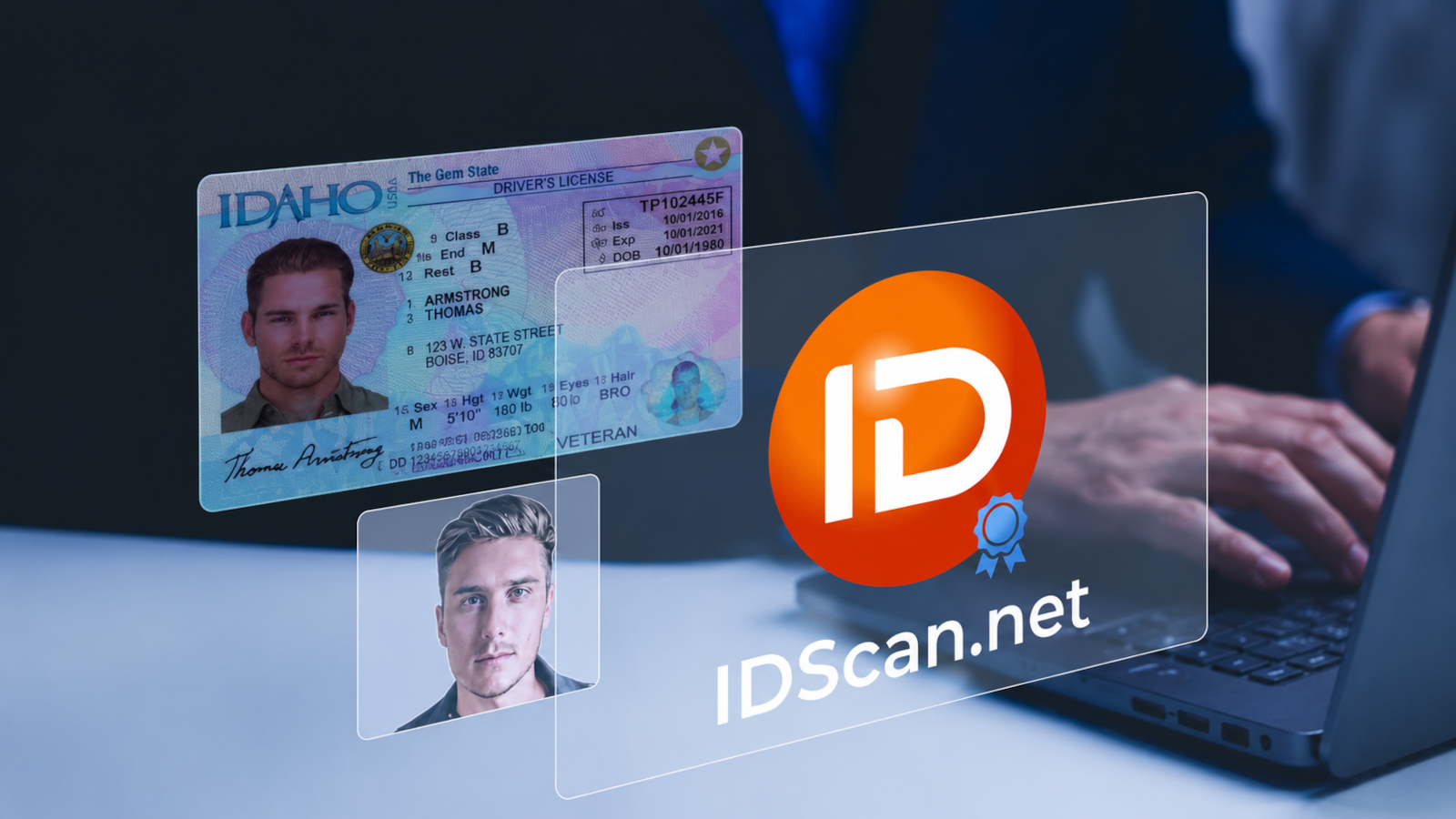
IDScan, a company specializing in identity verification technology, provides businesses with both hardware and software solutions designed to scan, authenticate, and extract critical information from government-issued identity documents. Their technology is widely deployed across a diverse range of industries and sectors within the United States. This includes its use by car rental firms, retailers, gun shops, financial institutions, cannabis dispensaries, and various hospitality establishments. The widespread adoption of IDScan’s services means that individuals interacting with these businesses may have had their identification documents processed through the company’s systems.
As of the latest reporting, IDScan has remained conspicuously silent on the allegations. The company has not issued any official statements addressing the purported data breach or the subsequent lawsuits. Furthermore, IDScan did not respond to multiple requests for comment from BleepingComputer, the publication that initially broke the news about the lawsuits. This lack of communication leaves many questions unanswered, particularly regarding the precise nature of the compromise and the extent of the impact on individuals whose data may have been exposed. It remains unclear whether IDScan’s core systems were directly compromised, or if the breach occurred through a third-party vendor or a client’s implementation of the IDScan service.
The gravity of the situation has not been lost on law enforcement. The FBI’s New Orleans office has reportedly launched an investigation into the incident. This federal inquiry was independently confirmed by Reuters, underscoring the seriousness with which the alleged breach is being treated. While the FBI has not yet released an official statement concerning its investigation or provided specific details, its involvement signifies a high-level effort to understand the scope and perpetrators of the data exfiltration. As of this report, the agency has not responded to requests for confirmation of ongoing investigative actions.
The illicit service, "Nexus," which was the purported platform for selling the stolen driver’s license scans, is no longer accessible online. However, this does not diminish the threat posed by the data. Cybercriminals who gained access to the database still possess the sensitive information, and it is presumed that this data could be disseminated through other dark-web marketplaces or used for malicious purposes, such as identity theft and fraud.
The legal ramifications for IDScan are already unfolding. Lawsuits have been filed in Louisiana, the state where IDScan is headquartered. These legal actions broadly allege that IDScan failed to adequately protect the sensitive personal information of its clients’ customers. Among the clients identified as potentially impacted is Hertz, a major global car rental company, highlighting the far-reaching implications of a breach involving such a large dataset.
According to information provided by the law firm Markovits, Stock & DeMarco, one of the firms investigating potential class-action litigation, IDScan began notifying some of its business customers around September 1st. This notification timing aligns with the public reporting of the breach, suggesting that the company may have been aware of the incident for some time before making any public statements. The firm is actively seeking potential claimants who may have had their identification documents scanned through businesses utilizing IDScan’s systems. This outreach is a critical step in building a case for a potential class-action lawsuit, aiming to represent the collective interests of all affected individuals.
The sheer magnitude of the alleged data breach, involving over 153 million driver’s licenses, suggests that the number of affected individuals could be substantial. Experts in data privacy law anticipate that the current lawsuits may be just the beginning. It is highly probable that additional legal actions, including further class-action suits, will be filed as more information becomes available. In cases of this scale and complexity, it is common for related lawsuits to be consolidated into multidistrict litigation (MDL) by federal courts. This consolidation aims to streamline the legal process, avoid duplicative discovery, and ensure consistent rulings across all related cases.
Beyond civil litigation, the incident could also trigger investigations and enforcement actions by state attorneys general and federal regulators. Historical precedents, such as the significant data exposures involving companies like 23andMe, Marriott, and Equifax, have often resulted in parallel regulatory scrutiny. These investigations can lead to substantial fines, mandatory security enhancements, and consent decrees aimed at improving data protection practices for the companies involved. The U.S. Federal Trade Commission (FTC) and various state data protection agencies are likely to be closely monitoring developments in this case.
The nature of the data allegedly compromised – driver’s licenses – is particularly concerning. These documents contain a wealth of personally identifiable information (PII) beyond just a name and address. They typically include date of birth, physical descriptions, license numbers, and sometimes even signatures. This information is highly valuable to identity thieves, as it can be used to open fraudulent accounts, file false tax returns, obtain credit, and even impersonate individuals for criminal activities. The sheer volume of these compromised documents increases the risk of widespread identity theft and fraud for millions of individuals.
The context of IDScan’s services further amplifies the concerns. The company’s technology is designed to verify identities, a critical function in preventing fraud and ensuring compliance with regulations, particularly in industries like car rentals and firearms sales. If the very systems designed to protect against identity fraud have become the source of a massive data leak, it raises serious questions about the security protocols and oversight employed by IDScan. The alleged breach underscores the inherent risks associated with collecting and storing vast amounts of sensitive personal data, even for legitimate business purposes.
Timeline of Key Events (Alleged and Reported):
- Prior to September 1, 2026: Alleged data breach of IDScan’s systems and exfiltration of driver’s license scans and other identification documents. The "Nexus" dark-web service gains access to this data.
- September 1, 2026: Cybersecurity journalist Brian Krebs publishes his initial report detailing the "Nexus" service and its offering of over 153 million driver’s license scans, tracing the leak to IDScan.
- September 1, 2026 (approximate): IDScan reportedly begins notifying some of its business customers about the incident.
- September 2, 2026: Reuters independently confirms that the FBI’s New Orleans office is investigating the reported breach.
- September 4, 2026 (and ongoing): Multiple lawsuits are filed against IDScan in Louisiana, alleging negligence in data protection. Law firms initiate investigations into potential class-action litigation.
- Present: IDScan has not issued public statements. The "Nexus" service is offline, but the data is presumed to be in circulation. FBI investigation is ongoing.
Broader Implications and Industry Context:
The alleged IDScan breach is emblematic of a growing trend of sophisticated cyberattacks targeting companies that hold large volumes of sensitive personal data. The identity verification sector, in particular, is a high-value target for cybercriminals. These companies often possess the very keys to unlocking individuals’ identities, making their systems prime objectives for data theft.
The incident also highlights the critical importance of robust cybersecurity measures throughout the entire data lifecycle, from collection and storage to processing and disposal. For companies like IDScan, whose core business revolves around handling sensitive documents, a failure to implement and maintain state-of-the-art security protocols can have devastating consequences, not only for the company itself but for millions of individuals whose data is entrusted to them.
The regulatory landscape surrounding data privacy is also becoming increasingly stringent. Regulations like the GDPR in Europe and various state-level laws in the U.S. impose significant obligations on companies to protect personal data and report breaches promptly. Failure to comply can result in substantial financial penalties and reputational damage. The IDScan case will likely be scrutinized not only for its security failures but also for its adherence to any applicable data protection regulations.
The long-term impact of this alleged breach could be significant. For affected individuals, it means increased vigilance against potential identity theft and fraud, which can be a time-consuming and emotionally draining process. For IDScan, it could mean substantial legal liabilities, significant financial penalties, and a severe blow to its reputation and customer trust. For the broader identity verification industry, it serves as a stark reminder of the constant threat posed by cybercriminals and the paramount importance of prioritizing data security above all else. The outcomes of the ongoing investigations and lawsuits will undoubtedly shape future practices in data protection and identity verification.