admin
admin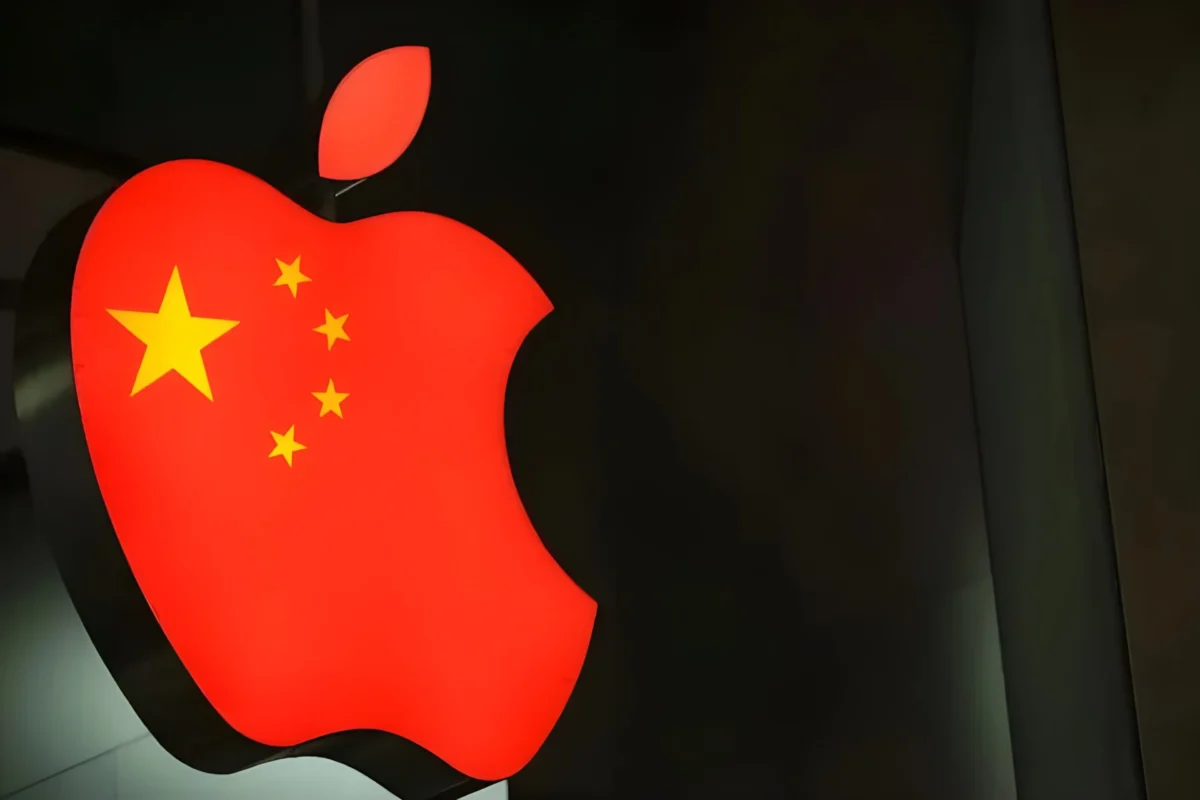
During its most recent quarterly earnings report, Apple Inc. officially acknowledged that it is actively evaluating memory chip sources from Chinese manufacturers, including ChangXin Memory Technologies (CXMT) and Yangtze Memory Technologies Corp (YMTC). This admission marks a critical juncture in the technology giant’s supply chain strategy, as it attempts to balance the economic necessity of diversifying its component sources against a backdrop of escalating geopolitical tensions between Washington and Beijing. Despite vocal and bipartisan opposition from United States lawmakers, who have raised significant national security concerns regarding these specific vendors, Apple appears to be prioritizing the mitigation of rising component costs and the stabilization of its global supply chain.
The Economic Imperative: Rising Costs and Supply Chain Volatility
The primary driver behind Apple’s interest in Chinese memory vendors is the volatile nature of the global semiconductor market. During the earnings call, Apple executives provided a transparent look into the financial pressures currently impacting the production of iPhones, iPads, and Macs. The company noted that it paid more for memory in the March quarter than in the preceding December quarter, a trend that accelerated into the June quarter. Looking ahead to the September quarter, Apple anticipates that memory costs will climb even higher.
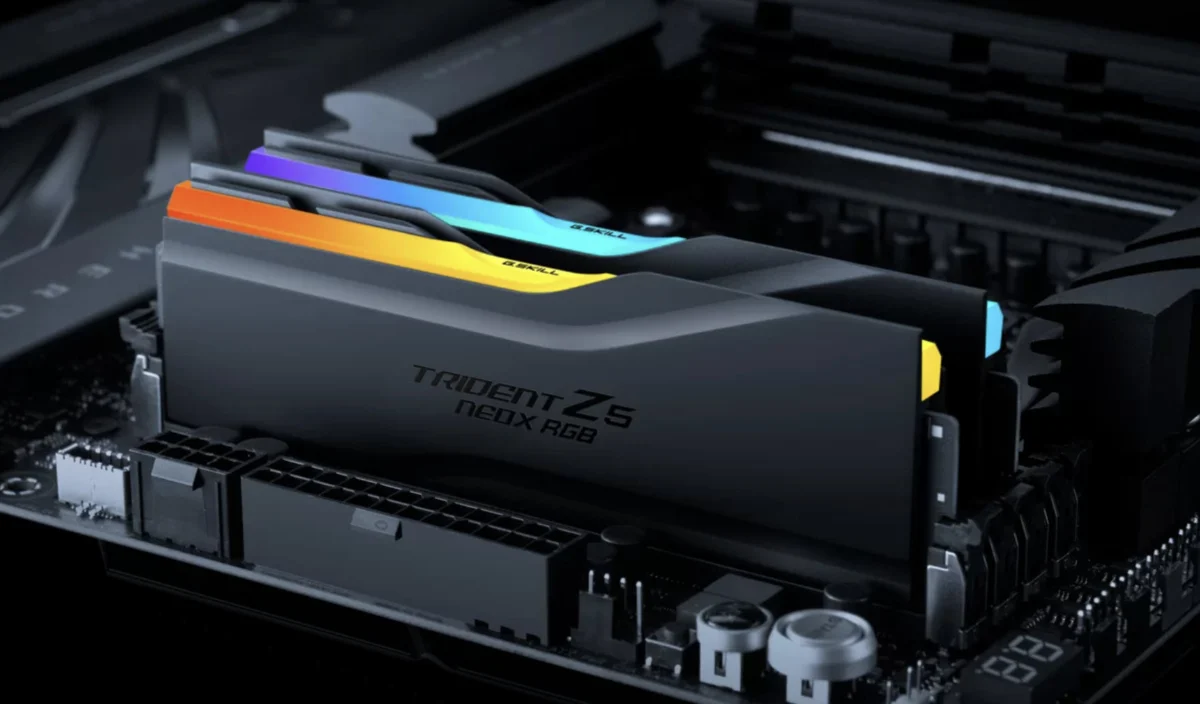
While the company has managed to partially offset these price hikes through strategic inventory management—effectively using stock purchased at lower rates—the long-term trajectory of memory pricing remains a concern for Apple’s profit margins. Memory chips, encompassing both Dynamic Random-Access Memory (DRAM) and NAND flash storage, are among the most expensive components in modern consumer electronics. As Apple integrates more advanced artificial intelligence capabilities into its devices, the demand for higher-capacity and faster memory is expected to surge, further inflating production costs.
By considering CXMT for DRAM and YMTC for NAND, Apple is seeking to introduce more competition into a market currently dominated by a trio of major players: Samsung Electronics, SK Hynix, and Micron Technology. Apple’s management explicitly stated that bringing Chinese vendors into the fold would assist on the "supply side," ensuring a more robust flow of components even if the immediate impact on pricing remains uncertain.
The Political Firestorm: Washington Responds to Apple’s Gambit
Apple’s supply chain ambitions have run headlong into a wall of political resistance in the United States. Lawmakers from both sides of the aisle have expressed alarm over the prospect of the world’s most valuable technology company deepening its reliance on Chinese semiconductor firms, particularly those with alleged ties to the Chinese military.
Both CXMT and YMTC have been identified by the U.S. Department of Defense as "Chinese military companies" under Section 1260H of the National Defense Authorization Act. Furthermore, YMTC has been placed on the Department of Commerce’s Entity List, which restricts its access to U.S.-origin technology due to concerns that its activities run counter to U.S. national security interests.
A group of influential lawmakers, led by Senator Chuck Schumer and Representative Jim Banks, has issued a formal warning to Apple. The group has demanded that Apple abandon any plans to procure memory from these firms, regardless of whether the components are destined for products sold globally or exclusively within the Chinese domestic market. The lawmakers have set a deadline of August 21 for Apple to provide a formal commitment to halt these negotiations and to disclose any technical specifications or proprietary information that may have already been shared with CXMT or YMTC during the evaluation process.
The concern in Washington is twofold. First, there is the issue of data security and the potential for "backdoors" in hardware sourced from state-linked entities. Second, there is a strategic concern regarding the "CHIPS and Science Act" and the broader effort to decouple critical technology supply chains from China. Lawmakers argue that by awarding contracts to CXMT and YMTC, Apple is effectively subsidizing the growth of China’s domestic semiconductor industry at the expense of American and allied firms.
Strategic Context: The "China for China" Supply Chain Model
To mitigate political blowback, Apple has reportedly explored a "China for China" strategy. Under this model, any memory chips sourced from CXMT or YMTC would be used solely in devices manufactured and sold within the People’s Republic of China. This approach is intended to satisfy Beijing’s "Buy China" preferences and reduce logistics costs without introducing Chinese-made memory into the highly sensitive U.S. and European markets.
However, this compromise has failed to appease critics in Washington. Lawmakers argue that the technical expertise and financial windfall Apple provides to these companies would bolster their global standing, eventually allowing them to compete more effectively against Western firms like Micron. Furthermore, there are concerns that the complexity of modern supply chains makes it difficult to ensure that components do not "leak" into global versions of the iPhone.

Reports have also surfaced indicating that Apple has engaged in high-level lobbying efforts to navigate these political waters. The company has reportedly sought clearance or at least a "non-interference" understanding from various administrative bodies, including discussions aimed at minimizing the fallout should they proceed with the Chinese vendors.
A Chronology of Apple’s Memory Diversification Efforts
The timeline of Apple’s engagement with Chinese memory firms reflects a multi-year effort to break the oligarchy of the "Big Three" memory producers:
- 2022: Initial reports emerge that Apple is testing YMTC’s 128-layer 3D NAND flash memory for the iPhone 14. Following intense pressure from the U.S. Senate Intelligence Committee, Apple reportedly pauses these plans.
- Late 2022: YMTC is added to the U.S. Entity List, significantly complicating any potential partnership.
- 2023-2024: Despite the blacklist, Apple continues to monitor the technical progress of Chinese firms. CXMT makes significant strides in DDR4 and LPDDR4X production, catching the attention of Apple’s procurement teams.
- Early 2025: Rumors circulate that the upcoming iPhone 17 and iPhone 18 Pro models face surging memory costs. Apple begins formal evaluations of CXMT’s DRAM.
- July 2026: During its earnings call, Apple confirms it is still "evaluating all options" regarding supply sources, specifically mentioning the benefits to the supply side.
- August 2026: U.S. lawmakers issue a public ultimatum to Apple, demanding a cessation of talks with CXMT and YMTC by August 21.
Technical Analysis: The Capabilities of CXMT and YMTC
From a purely technical standpoint, the Chinese vendors have become increasingly viable options for Apple.
YMTC (Yangtze Memory Technologies Corp): YMTC surprised the global semiconductor industry with its Xtacking architecture, which allowed it to achieve high bit density and performance that rivaled industry leaders. Its 232-layer NAND technology was considered a major breakthrough, proving that Chinese firms could innovate rather than just replicate Western designs. For Apple, YMTC offers a high-performance, lower-cost alternative for the massive amounts of storage required in modern smartphones.
CXMT (ChangXin Memory Technologies): While DRAM is notoriously difficult to manufacture due to its precision requirements and patent thickets, CXMT has emerged as China’s champion in the space. They have moved into the production of LPDDR5 memory, which is the standard for high-end mobile devices. While they may still trail Samsung in power efficiency and die size, their products are increasingly "good enough" for many consumer applications, particularly if the price point is significantly lower than that of their competitors.
Broader Implications for the Global Tech Industry
Apple’s decision-making process carries weight far beyond its own balance sheet. As the world’s largest buyer of semiconductors, Apple’s endorsement of a supplier can validate that company’s technology and provide the scale necessary to drive down costs through volume.
If Apple proceeds with CXMT and YMTC, it could signal a fragmentation of the global tech industry into two distinct ecosystems: one centered on Western and allied technologies (U.S., Taiwan, South Korea, Japan) and another centered on indigenous Chinese technology. This "bifurcation" of the supply chain would create significant challenges for interoperability and could lead to higher costs for consumers as the efficiencies of a single global market are lost.
Furthermore, this move places Apple at the center of a burgeoning trade war. If the U.S. government decides to take punitive action against Apple for its supply chain choices—such as imposing fines or further restricting exports—it could lead to a retaliatory response from Beijing. Given that China remains one of Apple’s largest markets and its primary manufacturing hub, the stakes for CEO Tim Cook and his leadership team could not be higher.
Conclusion: The Path Forward for the iPhone Maker
As the August 21 deadline imposed by U.S. lawmakers approaches, Apple finds itself in an unenviable position. The company must choose between the economic pragmatism of diversifying its supply chain and the political necessity of adhering to Washington’s national security mandates.
For now, Apple’s public stance remains one of cautious evaluation. By stating that it is "evaluating all options," the company is signaling that it will not be easily swayed by political rhetoric alone, especially when the financial health of its most important product lines is at stake. However, the intensity of the current opposition suggests that any move to integrate CXMT or YMTC will be met with unprecedented scrutiny, potentially forcing Apple to rethink its long-term strategy in the world’s second-largest economy.