
 George Chandra Eka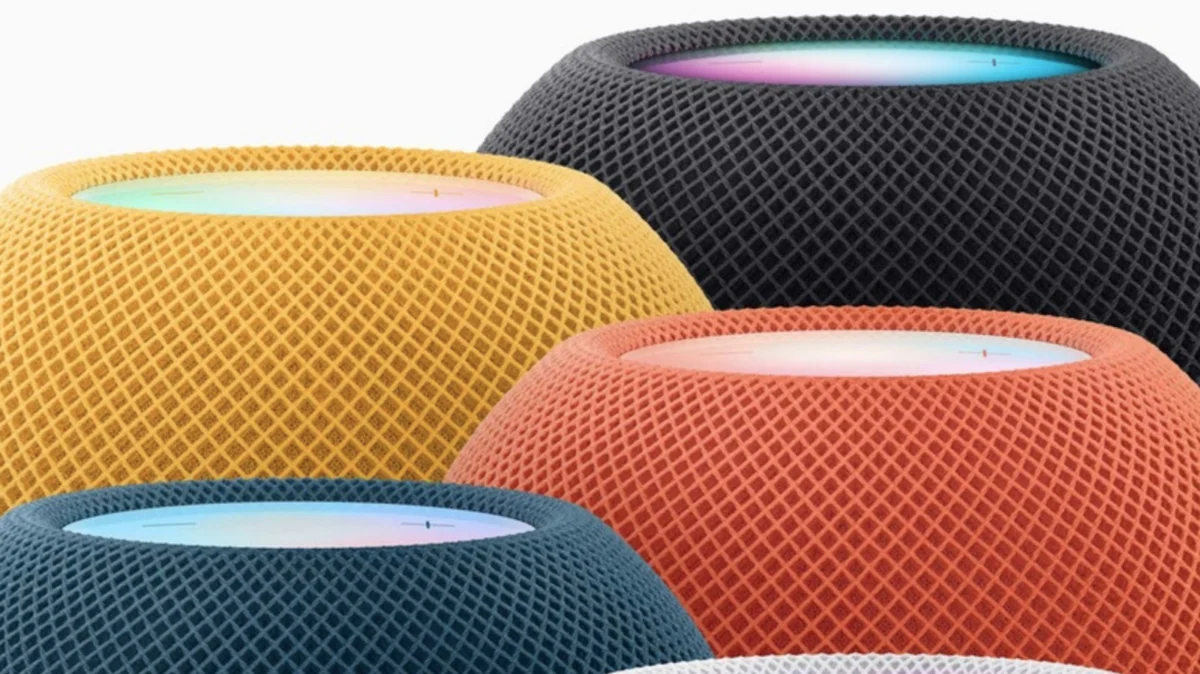
Cupertino, CA – Significant new details, including likely images and color options, for Apple’s long-anticipated HomePod mini 2 have surfaced directly from the company’s own internal code base, according to a recent report by MacRumors. This revelation, occurring almost six years after the original HomePod mini’s debut, strongly indicates that a refreshed version of the compact smart speaker is nearing release, with industry observers anticipating a launch this fall alongside an updated Apple TV and the official rollout of Apple’s enhanced Siri AI assistant. The discovery within Apple’s proprietary software not only confirms the existence of the next-generation device but also provides a rare glimpse into its aesthetic evolution and Apple’s strategic direction for its smart home ecosystem.
Unveiling the HomePod mini 2: Design and Color Palette
The meticulous digging through Apple’s code base by MacRumors has yielded not only textual information but also clear, high-resolution images of the forthcoming HomePod mini 2. These images suggest that the overall design language of the device will remain largely consistent with its predecessor, maintaining the spherical, mesh-fabric-clad form factor that has become a recognizable staple of Apple’s smart speaker line. This design continuity underscores Apple’s commitment to its established industrial aesthetic, prioritizing subtle refinements over radical overhauls for products that have found a comfortable niche in users’ homes.
However, where the HomePod mini 2 truly diversifies is in its color offerings. The leaked information points to a vibrant new palette that includes green, pink, light blue, white, and black. This expanded selection contrasts with the original HomePod mini’s initial launch colors of yellow, orange, blue, white, and midnight black. The introduction of fresh hues like green and pink indicates Apple’s continued effort to appeal to a broader demographic and allow for greater personalization within home decor, a strategy successfully employed with other accessory lines such as the iMac and iPhone. The inclusion of white and black (or a similar dark shade) ensures that classic, versatile options remain available for those who prefer understated elegance. The choice of specific shades—a lighter blue compared to the original’s deeper tone, and the vibrant additions of green and pink—suggests a careful consideration of current market trends and consumer preferences for more playful yet sophisticated electronics.
The consistency in design, coupled with a refreshed color scheme, aligns with Apple’s typical approach to product updates where core functionality and user experience are paramount, with visual changes serving to invigorate interest and offer new choices rather than reinventing the wheel. This approach often allows for existing accessories and mounting solutions to remain compatible, easing the transition for current users contemplating an upgrade.
A Long-Awaited Refresh in a Evolving Market
The timeline of the HomePod mini’s journey highlights the significance of this upcoming refresh. The original HomePod mini was first introduced in October 2020, priced initially at $99. While it quickly garnered acclaim for its impressive sound quality relative to its size and its deep integration within the Apple ecosystem, the smart speaker market has seen rapid advancements in the intervening years. Competitors like Amazon with its Echo line and Google with its Nest speakers have continued to innovate, offering various form factors, enhanced AI capabilities, and often more aggressive pricing strategies.
The six-year gap since a substantial hardware update for the HomePod mini is considerable in the fast-paced consumer electronics industry. During this period, Apple did introduce new colorways in July 2024, but these were cosmetic changes rather than significant hardware revisions. This extended period without an update had led some analysts to question Apple’s long-term commitment to the smart speaker segment, especially given the initial struggles and eventual discontinuation of the larger, first-generation HomePod in 2021 before its surprise revival in 2023. The leaked information, therefore, serves as a strong reaffirmation of Apple’s intent to remain a key player in the smart home arena, leveraging its powerful ecosystem.
The smart speaker market itself has matured significantly. According to reports from market intelligence firms like Canalys and Strategy Analytics, global smart speaker shipments experienced phenomenal growth in the late 2010s and early 2020s, before settling into more modest, steady expansion. While Amazon and Google have historically dominated market share, Apple has consistently carved out a premium niche, appealing to users deeply entrenched in its ecosystem. The introduction of the HomePod mini 2 is critical for Apple to maintain and potentially grow this share, especially as smart home integration becomes a more central aspect of consumer technology. A modern refresh will allow the HomePod mini to compete more effectively on features and performance, not just brand loyalty.
Siri AI at the Core: A New Era of Intelligence
Perhaps the most compelling aspect of the HomePod mini 2’s anticipated launch is its presumed tight integration with Apple’s rebuilt Siri AI assistant. Reports have consistently linked the new speaker to the major advancements in artificial intelligence that Apple showcased at its recent Worldwide Developers Conference (WWDC). This next generation of Siri, leveraging on-device processing combined with cloud intelligence, is expected to offer a more natural, context-aware, and powerful conversational experience. For a device whose primary interface is voice, an upgraded AI assistant is not merely an enhancement but a transformative necessity.
The original HomePod mini, while capable, often faced criticism for Siri’s limitations compared to Google Assistant or Amazon Alexa, particularly in understanding complex queries or maintaining conversational context. With the HomePod mini 2 expected to ship with a new, more powerful chip – a logical assumption given the six-year technology gap – it will likely be designed from the ground up to fully harness the capabilities of the new Siri AI. This could translate to faster response times, more accurate voice recognition, improved multi-user support, and seamless integration with a wider array of smart home devices through the Matter standard.
The "AI-first" approach to Siri signals Apple’s strategic move to position its AI capabilities as a core differentiator across its entire product lineup. The HomePod mini 2, as a dedicated voice interface for the home, becomes a critical endpoint for this new AI architecture. Users can anticipate a more intuitive interaction with their smart home devices, better personalized recommendations, and a more robust assistant for daily tasks, from playing music to managing schedules and getting information. This emphasis on on-device intelligence also aligns with Apple’s long-standing commitment to user privacy, as more processing can occur locally without sending sensitive data to the cloud.
The Competitive Landscape and Apple’s Niche
The smart speaker market remains fiercely competitive, dominated by Amazon’s Echo devices and Google’s Nest speakers. These platforms offer a vast array of devices at various price points, often integrating deeply with a multitude of third-party services and smart home accessories. Apple, with its HomePod line, has historically pursued a more premium, ecosystem-centric strategy. The original HomePod mini, despite its competitive pricing relative to Apple’s other products, positioned itself as a superior audio experience for its size, deeply integrated with Apple Music, Apple Podcasts, and the HomeKit smart home platform.
The HomePod mini 2 needs to strengthen this position. Its success will likely hinge on its ability to offer compelling improvements in sound quality, microphone performance for Siri interactions, and the seamlessness of its AI integration. While Amazon and Google boast broader compatibility with smart home devices, Apple’s focus on a curated, secure, and user-friendly experience within its ecosystem continues to attract a dedicated user base. The HomePod mini 2, armed with a more intelligent Siri and potentially enhanced audio components, will aim to solidify Apple’s reputation for quality and integration, justifying its premium positioning even in a crowded market segment.
Moreover, the HomePod mini 2’s launch is expected to coincide with a new Apple TV streaming box. This simultaneous release underscores Apple’s strategy of building a cohesive entertainment and smart home hub. The HomePod mini can act as a sound output for the Apple TV, providing a high-quality, spatially aware audio experience, further cementing its role as a central component of Apple’s home ecosystem. This integrated approach offers a distinct advantage for users who are already invested in Apple’s hardware and software.
Historical Context of Apple’s Smart Speakers
Apple’s journey in the smart speaker market has been characterized by ambition and adaptation. The original HomePod, launched in February 2018, was initially positioned as a high-fidelity audio device with smart assistant capabilities. While praised for its exceptional sound quality, its premium price point ($349) and nascent Siri functionality limited its mainstream appeal. Recognizing the need for a more accessible entry point into its smart home ecosystem, Apple introduced the HomePod mini in October 2020 at a more competitive $99. This smaller, more affordable variant proved significantly more popular, leading to the discontinuation of the original HomePod in March 2021 as Apple streamlined its smart speaker offerings around the mini.
However, the demand for a larger, more powerful HomePod persisted, particularly for those seeking superior audio for larger rooms or as a dedicated home theater sound system. This led to the unexpected return of the full-sized HomePod in January 2023, priced at $299. The second-generation HomePod brought updated internal components, enhanced sound, and U1 chip integration for precise device finding, but crucially, it maintained the same external design. This history illustrates Apple’s iterative approach, learning from market reception and refining its product strategy. The HomePod mini 2 fits squarely into this pattern, building upon a successful formula while injecting new technology.
The initial price of the HomePod mini was $99, a strategic move to compete with lower-cost options from Amazon and Google. However, Apple later raised the price to $129, reflecting supply chain pressures, increased component costs, or perhaps a re-evaluation of its market positioning. For the HomePod mini 2, while no pricing details have been leaked, it is plausible that Apple will either maintain the $129 price point or introduce a slight increase, especially if the new chip and enhanced AI capabilities represent a significant cost increase. The pricing strategy will be crucial for its competitiveness, balancing premium features with market accessibility.
Broader Smart Home Ambitions: The Rumored Home Hub
Beyond the HomePod mini 2, the leaked code and ongoing industry whispers point to an even more ambitious expansion of Apple’s smart home strategy: a dedicated smart home hub designed entirely around Siri AI. This rumored device, described as potentially looking like a "sliced-in-half HomePod mini with a small display," suggests Apple is exploring new form factors and interaction methods for its home devices. Such a device could serve as a central control panel for the entire HomeKit ecosystem, offering visual feedback and touch controls alongside voice commands.
This potential smart home hub represents a convergence of Apple’s strengths in hardware design, software integration, and artificial intelligence. A display-equipped hub would bridge the gap between purely voice-controlled devices like the HomePod mini and screen-based interfaces like the iPad, offering a dedicated portal for managing smart lights, thermostats, cameras, and other connected devices. It would also likely provide a more robust platform for the new Siri AI, potentially incorporating features like proactive suggestions, personalized dashboards, and enhanced communication capabilities. The HomePod mini 2 could then serve as a distributed audio and voice input device, extending the reach of this central hub throughout the home.
Such a move would put Apple in direct competition with Google’s Nest Hub and Amazon’s Echo Show devices, which have long offered screen-based smart home control. Apple’s entry into this segment would leverage its reputation for intuitive user interfaces and strong privacy features, potentially offering a more polished and secure experience for users seeking a visual interface for their smart home.
Industry Reactions and Analyst Perspectives
While Apple maintains its characteristic silence on unreleased products, industry analysts are already weighing in on the implications of the HomePod mini 2 leak. Analysts at firms like Counterpoint Research and IDC anticipate that a refreshed HomePod mini, particularly one with a significantly upgraded Siri AI, could provide a much-needed boost to Apple’s smart home market share. "The original HomePod mini was a strong performer for Apple, but the market has moved on," noted one unnamed industry analyst. "A six-year gap is substantial. This refresh is essential to keep pace, and the emphasis on a more capable Siri AI is exactly what Apple needs to differentiate itself."
Experts also highlight the strategic importance of aligning the HomePod mini 2 with the broader rollout of Apple’s AI initiatives. "Apple is clearly signaling that its AI will permeate every aspect of its ecosystem," commented a technology journalist specializing in Apple products. "The HomePod mini, as an ambient computing device, is a perfect conduit for that. It could redefine how users interact with Siri in their homes, making it truly indispensable."
The potential new colorways are also seen as a smart move to broaden appeal. "Customization and aesthetics play a huge role in home electronics," said a design trend consultant. "Apple’s move to offer more vibrant, modern colors for the HomePod mini 2 suggests they understand this dynamic and want to make the device more of a lifestyle product than just a piece of tech."
What Lies Ahead: Anticipation for Apple’s Fall Event
The emergence of the HomePod mini 2 details from Apple’s own code base leaves little doubt that the device is nearing its public debut. Historically, Apple’s major product launches and software updates often converge at its fall events, typically held in September or October. It is highly probable that the HomePod mini 2, alongside a new Apple TV and potentially other hardware, will be unveiled during such an event. This timing would allow Apple to showcase the full capabilities of its enhanced Siri AI assistant across its ecosystem, particularly within the home environment.
The official announcement will undoubtedly provide comprehensive details on the new speaker’s internal specifications, including the specific chip powering it, precise audio enhancements, and any new connectivity features. Price and exact availability will also be confirmed. For consumers and industry watchers alike, the HomePod mini 2 represents a critical evolution in Apple’s smart home strategy, promising a more intelligent, integrated, and aesthetically diverse experience for users seeking to integrate Apple’s technology seamlessly into their daily lives. The smart home landscape is poised for another exciting chapter, with Apple clearly positioning itself to play a more dynamic and intelligent role.







