Vera Intan Clara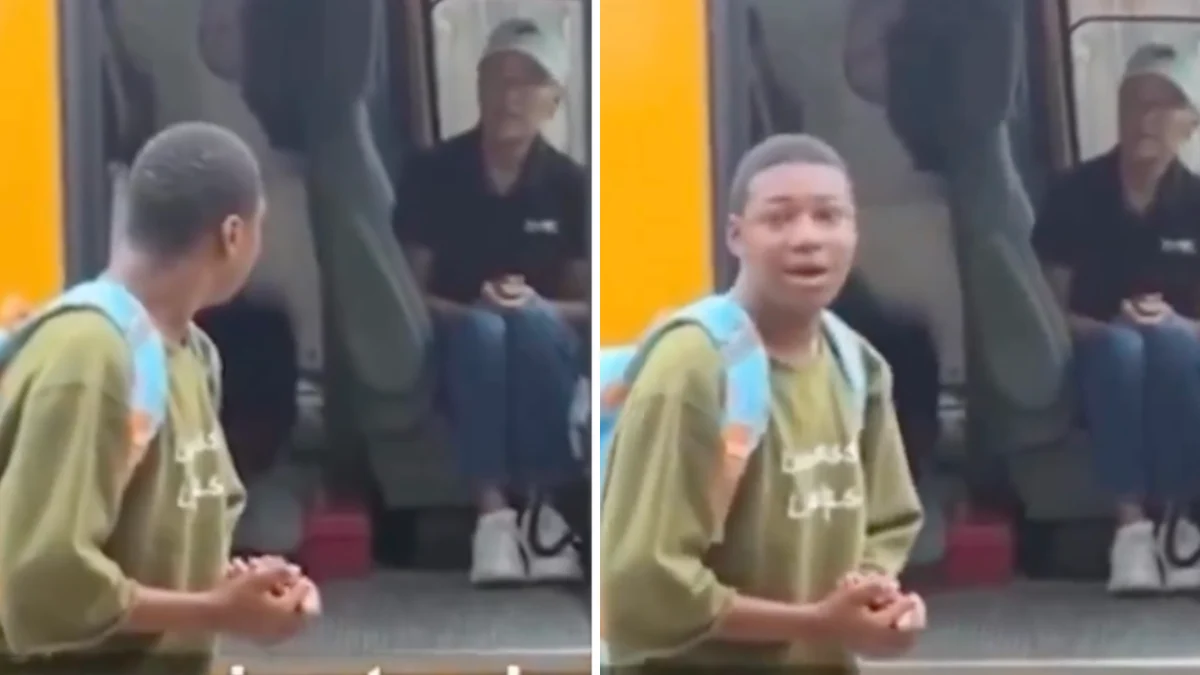
A poignant video widely circulated on X, formerly Twitter, has captivated global audiences by showcasing a bus driver’s extraordinary ability to connect with a young boy diagnosed with autism spectrum disorder (ASD) through a shared interest. The interaction, which transformed the child’s hesitant morning routine into an enthusiastic boarding, underscores the profound impact of empathy and specialized understanding in daily public services. The driver’s simple yet powerful technique—engaging the boy in conversation about "Fortnite," a popular video game—demonstrates a model of compassionate care that resonated deeply with viewers and experts alike.
The sequence of events, captured in two distinct clips, illustrates the gradual development of trust and rapport between the child and the bus driver. The first clip opens with the boy exhibiting common signs of apprehension often associated with transitions for individuals with ASD, appearing uneasy as he stood at the bus door, conversing with his mother. This initial hesitancy, a familiar scenario for many parents of neurodivergent children, was swiftly diffused by the bus driver’s keen observation and proactive intervention. With an enthusiastic cheer, the driver interjected, "Fortnite! Come tell me about Fortnite! You were going to play yesterday." This specific, interest-based prompt acted as an immediate emotional anchor, redirecting the boy’s anxiety into excitement. His mood visibly shifted, a broad smile replacing his initial unease, and he turned to his mother, who gently encouraged him, "Go tell her about Fortnite." Without a backward glance, the boy confidently boarded the bus, greeted once more by the driver’s eager invitation: "Come tell me about Fortnite, I want to hear!" This seamless transition from reluctance to engagement highlights the driver’s intuitive grasp of the child’s emotional landscape and the power of validating his special interests. Once the boy was settled, the driver exchanged a warm wave with his mother, signifying a shared understanding and partnership in ensuring the child’s comfort and safety.
A second clip within the same viral video further cemented the narrative of an established, caring relationship. This segment showed the bus driver providing a personalized touch to the boy’s journey: a picture affixed to the window where he typically sits. As the boy boarded, he was met with a high-five from the driver, who affectionately exclaimed, "That’s my boy! Thank you, mom!" The interaction concluded with the driver reassuring the mother about retrieving an important paper from the boy’s backpack, indicating a level of communication and collaborative care that extends beyond mere transportation. These interactions collectively paint a picture of a daily routine transformed into a nurturing experience, fostering confidence and a sense of belonging for the young passenger.
Understanding Autism Spectrum Disorder and Daily Challenges
To fully appreciate the significance of the bus driver’s actions, it is crucial to understand the complexities of Autism Spectrum Disorder (ASD). ASD is a neurodevelopmental condition characterized by challenges in social communication and interaction, as well as restricted, repetitive patterns of behavior, interests, or activities. According to the Centers for Disease Control and Prevention (CDC), recent estimates suggest that approximately 1 in 36 children in the United States has been identified with ASD, highlighting the widespread nature of this condition.
Children with ASD often experience the world differently, particularly regarding sensory input and social cues. Transitions, such as moving from home to school or boarding a bus, can be particularly challenging due to changes in environment, routine, and the need to interact with unfamiliar people or navigate unpredictable situations. These challenges can manifest as anxiety, resistance, or distress. For many children with ASD, predictability and routine are paramount, providing a sense of security and control. Deviations from these routines, or the introduction of new elements, can trigger significant emotional responses. Furthermore, social interactions, which come naturally to neurotypical individuals, can be complex and overwhelming for those on the spectrum, leading to hesitation or avoidance.
In this context, the school bus journey represents more than just a means of transport; it is a critical component of a child’s daily routine, bridging the gap between the familiar home environment and the structured school setting. For children with ASD, a positive bus experience can set the tone for their entire school day, influencing their ability to engage in learning and social activities. Conversely, a stressful or uncomfortable commute can exacerbate anxiety and negatively impact their overall well-being and academic performance. The role of school bus drivers, therefore, extends beyond mere logistics; they are often the first and last school-affiliated adults a child interacts with each day, placing them in a unique position to influence a student’s emotional state.
The Power of Shared Interests: Bridging Communication Gaps
The bus driver’s specific choice to engage the boy about "Fortnite" was not arbitrary but a testament to an insightful understanding of common coping and connection mechanisms for individuals with ASD. "Special interests," sometimes referred to as hyperfocus, are a hallmark of autism. These intense, focused interests can range from specific topics like trains or dinosaurs to popular culture phenomena like video games. For children with ASD, these interests often serve multiple purposes: they can be a source of comfort, a means of self-regulation, a deep well of knowledge, and, critically, a pathway for social connection.
Leveraging a child’s special interest provides a natural and non-threatening entry point for communication. When the bus driver mentioned "Fortnite," she tapped into a realm where the boy felt confident, knowledgeable, and secure. This immediately shifted the dynamic from a potentially anxiety-provoking social interaction to an engaging conversation about a preferred topic. For many neurodivergent individuals, discussing their special interests can be incredibly validating and empowering, creating a sense of being understood and seen. This approach bypasses typical social hurdles, allowing for a more authentic and comfortable exchange. The driver’s enthusiasm about "Fortnite" mirrored the boy’s own, creating a shared positive emotional experience that fostered trust and reduced perceived social demands.
Expert Perspectives on Empathetic Engagement
Child development specialists and autism advocates frequently underscore the profound benefits of such empathetic and individualized approaches. Dr. Sarah Jenkins, a hypothetical child psychologist specializing in neurodevelopmental disorders, might comment, "This bus driver’s actions exemplify best practices in supporting children with autism. By acknowledging and engaging with the child’s special interest, she created a bridge of communication that bypassed potential anxieties. This approach validates the child’s identity and interests, fostering a sense of safety and predictability that is crucial for neurodivergent individuals." Such strategies, experts note, are not merely acts of kindness but are rooted in evidence-based understanding of how to support children on the spectrum.
Organizations like the Autism Society of America consistently advocate for greater understanding and training for all individuals who interact with children with ASD, particularly those in public-facing roles such as transportation. A representative might state, "This video beautifully illustrates the transformative power of empathy and tailored interaction. It highlights the critical need for school districts and transportation services to provide comprehensive training for their staff on neurodiversity-affirming practices. Such training can equip individuals with the tools to create inclusive and supportive environments, ultimately improving the daily lives of children with autism and their families." They would likely emphasize that these small, consistent acts of understanding contribute significantly to a child’s long-term development of social skills, confidence, and independence.
A Wave of Online Acclaim: Community Response
The widespread sharing of the video on X garnered an overwhelming outpouring of positive reactions, underscoring a collective appreciation for such acts of kindness and a growing awareness of the challenges faced by the autistic community. Comment sections were flooded with messages praising the driver, many describing her as an "angel," a "gift to this world," and "Bus driver of the year!" These reactions reflect not only an appreciation for the individual driver but also a broader societal yearning for more compassion and understanding in public interactions.
Users highlighted the rarity of such genuine empathy, with one commenter writing, "Some people are born with beautiful gifts and hearts that make the world a better place." Another noted, "God bless this bus driver. Showing a caring and loving side." Many comments specifically acknowledged the difficulties individuals with autism often face due to a lack of public understanding, expressing gratitude for someone who actively works to make their world more comfortable. The consensus was that such kindness extends far beyond the immediate moment, potentially shaping the child’s confidence and outlook on social interactions for years to come. This public recognition serves as a powerful testament to the ripple effect of individual compassion, inspiring others to adopt similar attitudes of understanding and acceptance.
Broader Implications: Fostering Inclusivity and Empathy
The viral success of this video extends beyond a heartwarming anecdote; it carries significant broader implications for community inclusivity, public service training, and societal perceptions of neurodiversity. On an individual level, the consistent, positive interactions with the bus driver can profoundly impact the boy’s development. By creating a predictable and welcoming environment, the driver reduces anxiety, fosters a sense of security, and helps the child build social skills in a low-pressure setting. This contributes to increased self-esteem and a more positive association with school and public interactions.
For the community, the video serves as a powerful educational tool. It demystifies aspects of autism, illustrating a practical and effective way to connect with neurodivergent individuals. It challenges preconceived notions and promotes a culture of understanding and acceptance. Such public displays of empathy can inspire other service providers—from teachers and healthcare workers to retail staff—to consider how they might adapt their interactions to better serve individuals with diverse needs.
Call for Systemic Support and Training
The incident also highlights a critical area for systemic improvement within public services, particularly school transportation. While the driver’s actions appear to be an intuitive display of compassion, they also underscore the need for formalized training programs. School districts and transportation companies could benefit immensely from incorporating comprehensive modules on neurodiversity, sensory sensitivities, and effective communication strategies for students with ASD and other special needs. Such training should not only cover theoretical knowledge but also practical, scenario-based approaches, similar to the bus driver’s engagement about "Fortnite."
Implementing such programs could lead to several positive outcomes:
- Enhanced Student Well-being: A more supportive transport environment directly contributes to reduced student anxiety and improved school readiness.
- Increased Driver Confidence and Competence: Training equips staff with the tools and confidence to handle diverse situations effectively, improving job satisfaction.
- Improved Parent-School Communication: Parents often feel more secure knowing their child is in capable and understanding hands, fostering stronger home-school partnerships.
- Promotion of Inclusivity: Systemic training reinforces a commitment to creating an inclusive environment for all students, reflecting broader societal values.
While the specific circumstances and identities in the video could not be independently verified by The Daily Dot, the universal message of kindness and understanding remains potent. The bus driver’s simple, yet profoundly effective, method of connecting with a child with autism serves as a powerful reminder that sometimes, the most significant changes begin with the smallest acts of empathy. It is a testament to the idea that a caring heart, combined with a willingness to understand and adapt, can indeed make the world a better, more accessible place for everyone. The viral nature of this story is a clear indicator that society is eager for more such examples, advocating for a future where empathy is not just appreciated, but expected and systematically supported in all public interactions.