
 George Chandra Eka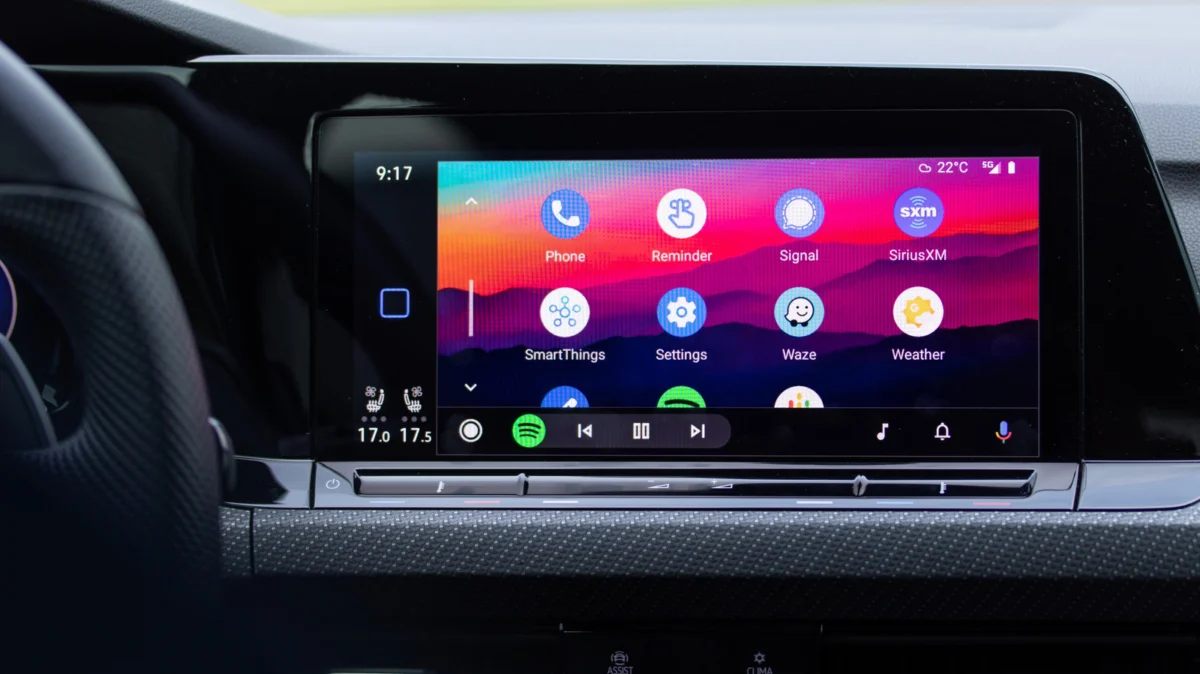
The landscape of in-car infotainment systems has undergone a profound transformation, marked by the convergence of automotive engineering and consumer technology. At the forefront of this evolution are Google’s two distinct yet often conflated offerings: Android Auto and Android Automotive OS. While their names suggest a singular purpose, their fundamental architectures, functionalities, and implications for both drivers and automakers diverge significantly, with the most straightforward distinction being their reliance on an external smartphone. Android Auto functions as a projection of a user’s smartphone interface onto the car’s display, whereas Android Automotive OS is a complete, embedded operating system running natively within the vehicle’s hardware, independent of a connected phone. This fundamental difference shapes everything from user experience to the strategic decisions of global automotive manufacturers.
Android Auto: The Smartphone Projection System
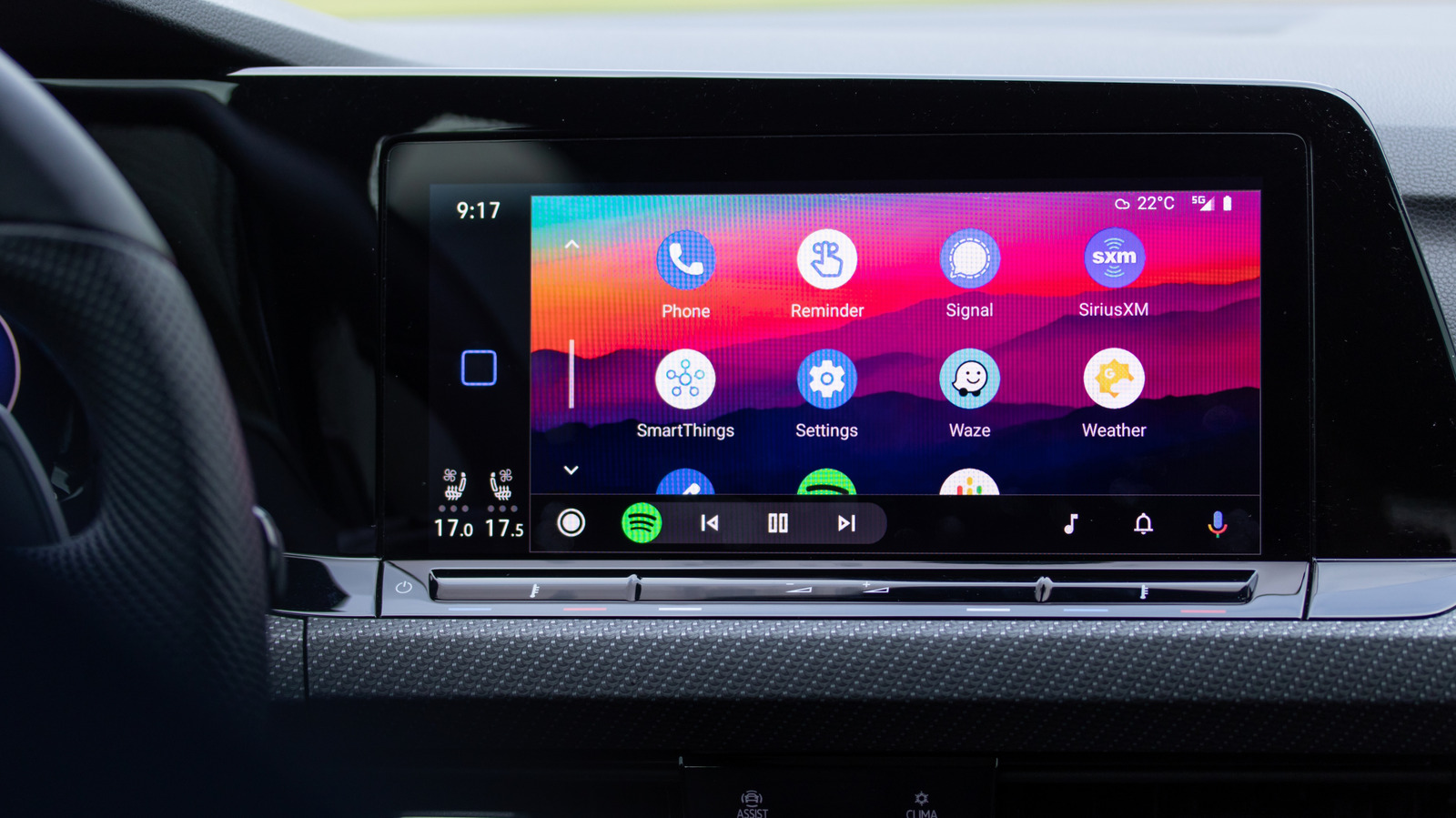
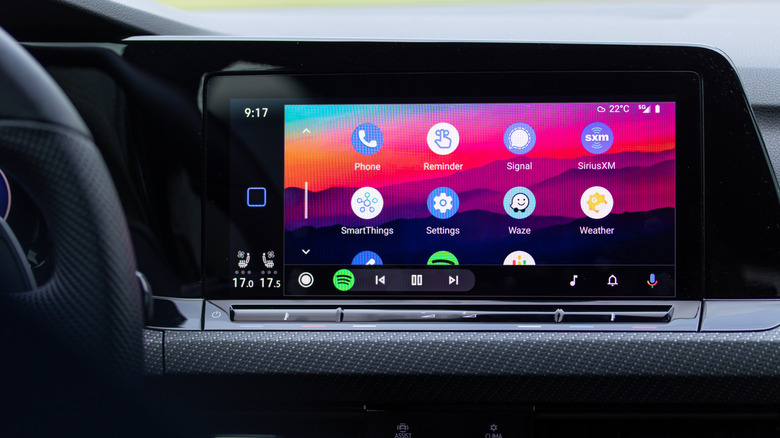
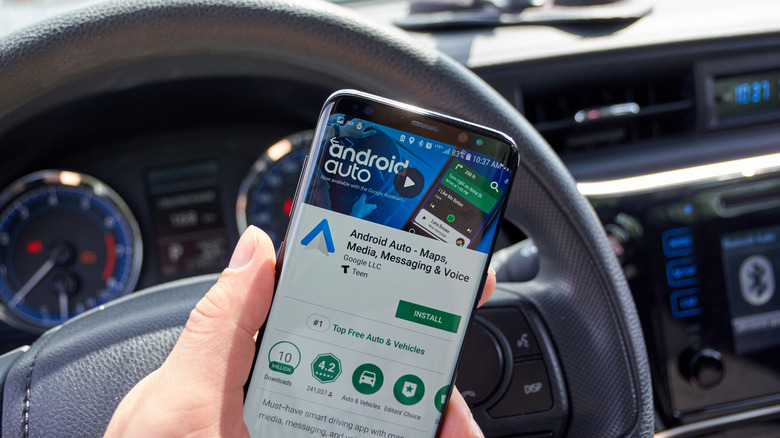
Android Auto represents Google’s initial foray into integrating smartphone capabilities with the driving experience, first introduced in 2015. It operates primarily as a secondary interface, mirroring a simplified, driving-optimized version of a user’s Android smartphone applications onto the car’s built-in infotainment screen. The system itself is not resident on the vehicle’s hardware but rather streamed or projected from the connected phone. This connectivity can be established either through a USB cable, a common method for ensuring stable data transfer and charging, or wirelessly, utilizing Wi-Fi Direct and Bluetooth technologies for a more seamless, cable-free experience, depending on the capabilities of both the phone and the car.
For drivers, Android Auto offers immediate familiarity and convenience. Upon connection, the car’s display transforms into a user-friendly dashboard populated with essential applications such as Google Maps for navigation, Spotify or YouTube Music for audio streaming, and various messaging apps like WhatsApp, all presented with large icons and simplified interfaces designed to minimize distraction. Voice commands, powered by Google Assistant, are central to the Android Auto experience, allowing users to control navigation, make calls, send messages, and manage media playback without physically interacting with their phone. This "bring your own device" model ensures that a driver’s personalized apps, contacts, and preferences are instantly accessible in any compatible vehicle, making it a highly portable and user-centric solution.
The architecture of Android Auto positions the smartphone as the "brain" of the operation. The car’s head unit acts merely as a display and input device, receiving video and audio signals from the phone and sending touch or voice commands back to it. This design choice has several implications. On one hand, it ensures that users always have access to the latest software and app versions, as updates are managed directly through their smartphone. On the other hand, it means the system’s performance and stability are inherently tied to the phone’s processing power and connection quality. If the phone’s battery dies, or if there’s a connectivity issue, the Android Auto experience is interrupted. Despite these considerations, Android Auto has seen widespread adoption, with an estimated over 100 million cars supporting it globally across more than 50 major automotive brands as of recent reports, making it a ubiquitous feature in modern vehicles and a direct competitor to Apple CarPlay. Its success stems from its ability to enhance the driving experience with smart features without requiring automakers to overhaul their vehicle’s underlying software architecture.
Android Automotive OS: The Embedded Operating System
In stark contrast, Android Automotive OS (AAOS) represents a paradigm shift, functioning as a full-fledged, embedded operating system that runs directly on the car’s hardware. It is not merely an interface projected from a phone but the foundational software platform upon which the entire infotainment system, and potentially other vehicle functions, are built. Unveiled in 2017, AAOS empowers automakers to integrate Google’s robust software ecosystem directly into the vehicle from the ground up, allowing for a deeply customized and cohesive user experience.
With AAOS, the vehicle itself becomes an Android device. This means that applications, including navigation (e.g., Google Maps), entertainment (e.g., Spotify), and communication services, are installed and run natively on the car’s hardware. Consequently, there is no requirement for a smartphone to be connected to enable core functionalities. The car can access cellular data independently, allowing for over-the-air (OTA) updates, real-time traffic information, and streaming services without a driver’s phone. This independence provides a more seamless and reliable experience, as the system is purpose-built for the automotive environment, potentially offering faster response times and deeper integration with vehicle-specific sensors and controls.
A crucial distinction within the AAOS ecosystem is between the open-source Android Automotive OS itself and "Google built-in" (formerly Google Automotive Services or GAS). AAOS is open source, meaning automakers can take the base Android code and customize it extensively, designing their own unique user interfaces, adding proprietary services, and integrating it with vehicle-specific hardware like climate controls, instrument clusters, and advanced driver-assistance systems (ADAS). This level of customization allows car manufacturers to maintain their brand identity and differentiate their offerings. Rivian, for example, utilizes AAOS as its foundation but builds its entirely bespoke software experience on top, opting not to include Android Auto or Apple CarPlay projection, thereby controlling every aspect of the user interface.
"Google built-in," on the other hand, refers to a separately licensed suite of proprietary Google services that can be integrated into an AAOS-based vehicle. This package typically includes native Google Maps, the Google Play Store for downloading compatible in-car applications, and Google Assistant for voice control. For automakers, integrating "Google built-in" provides immediate access to Google’s mature and widely adopted suite of services, reducing development costs and time-to-market for a feature-rich infotainment system. However, it also means relinquishing some control over the user experience to Google’s design guidelines and business models. The Polestar 2, launched in 2020, was a pioneering example of a production car featuring AAOS with "Google built-in," demonstrating how a vehicle could offer a comprehensive Google experience natively while still providing compatibility with Android Auto and Apple CarPlay for users who prefer their phone-centric interfaces. This flexibility highlights that AAOS with "Google built-in" is not mutually exclusive with projection systems, offering automakers a spectrum of choices for their infotainment strategies.
Historical Context and Evolution
The journey from rudimentary car radios to sophisticated in-car computing platforms reflects a broader trend towards digitalization in the automotive sector. Before the advent of smartphone integration, car infotainment systems were largely proprietary, often clunky, and quickly outdated. Drivers yearned for the seamless connectivity and rich app ecosystems they enjoyed on their smartphones.
Google recognized this demand, launching Android Auto in 2015, following Apple’s introduction of CarPlay in 2014. These projection systems offered a pragmatic solution, leveraging existing smartphone technology to bring familiar interfaces and services into the car without requiring significant re-engineering of vehicle hardware. This marked a pivotal moment, shifting the focus from static, embedded navigation units to dynamic, app-driven experiences. The early years saw rapid adoption of Android Auto, driven by its ease of use and the widespread availability of Android smartphones.
However, as vehicles became more software-defined and connected, automakers began to seek deeper integration and greater control over the user experience. They desired an operating system that could manage not just infotainment but also critical vehicle functions, collect data, and enable new revenue streams through subscription services or personalized experiences. This ambition gave rise to Android Automotive OS, first announced in 2017. The development of AAOS signaled Google’s intent to move beyond mere screen mirroring and establish Android as the foundational operating system for the next generation of connected cars. Automakers like Volvo and Polestar were early adopters, recognizing the potential for a powerful, flexible, and regularly updated platform that could evolve with vehicle life cycles. The shift from a phone-dependent projection to a native, embedded OS underscores the industry’s progression towards making cars smart, connected devices in their own right.
The Strategic Divide: Why Two Systems?
The existence of both Android Auto and Android Automotive OS is not a redundancy but a strategic differentiation catering to distinct market needs and technological philosophies.
From Google’s perspective, Android Auto serves as a broad-reach solution, ensuring that a vast majority of Android smartphone users can experience Google’s services in their car, regardless of the vehicle’s underlying infotainment system. It’s an accessible entry point that requires minimal investment from automakers beyond hardware compatibility. This strategy maximizes Google’s presence in the automotive ecosystem and reinforces the Android brand.
Android Automotive OS, conversely, represents Google’s ambition for deeper integration and control. By providing the core operating system, Google aims to standardize the software stack for vehicles, fostering a consistent developer environment and enabling a richer, more integrated experience that extends beyond infotainment. This positions Google as a key technology partner for automakers, offering a robust platform that can handle complex vehicle data, over-the-air updates, and advanced connectivity features. The "Google built-in" component further strengthens this, providing automakers with a ready-made suite of Google’s most popular services, potentially accelerating their digital transformation.
For automakers, the choice between supporting Android Auto, adopting AAOS (with or without Google built-in), or developing entirely proprietary systems is complex. Android Auto offers a low-cost, low-risk way to provide desirable smartphone integration, satisfying consumer demand without sacrificing control over the vehicle’s core systems. It allows automakers to maintain their existing software architectures and brand identity for their primary infotainment.
However, the trend towards software-defined vehicles is pushing many manufacturers towards AAOS. Adopting AAOS, even the open-source version, allows automakers to leverage Google’s expertise in software development, security, and a vast developer ecosystem, potentially reducing their own R&D costs and accelerating innovation. The ability to customize AAOS means they can still infuse their brand’s distinct look and feel while benefiting from a robust underlying platform. Furthermore, AAOS facilitates deeper integration with vehicle diagnostics, telematics, and emerging services like advanced driver-assistance systems (ADAS) or autonomous driving features, positioning the car as a dynamic platform for new digital services and revenue streams throughout its lifespan. Manufacturers like General Motors, Ford, Honda, and Renault have publicly committed to integrating AAOS into future vehicle models, signaling a significant industry shift towards embedded Android solutions.
Market Adoption and Ecosystem Growth
The adoption trajectory for both systems highlights their complementary roles. Android Auto’s market penetration is vast, primarily due to its retrofit nature and widespread support across countless car models and infotainment systems from diverse brands. As long as a car has a compatible USB port and a display, and a user has an Android phone, Android Auto is often an option. This accessibility has made it a default expectation for many car buyers, with recent data indicating that a significant majority of new cars sold in key markets like North America and Europe offer Android Auto compatibility.
Android Automotive OS, while newer, is rapidly gaining traction among major automakers. Following Polestar’s pioneering adoption, brands like Volvo, General Motors (for vehicles from 2022 onwards), Ford (starting with specific models), Honda, and Renault have announced plans or already begun deploying AAOS in their vehicles. This shift signifies a strategic decision by these companies to move towards a software-centric approach for their vehicles, viewing the infotainment system as a core differentiator and a platform for future services rather than a mere accessory. The number of vehicles shipping with AAOS is projected to grow substantially in the coming years, transforming the in-car digital experience for millions of drivers. The Google Play Store for cars, specifically for AAOS, is also expanding its catalog of optimized applications, fostering a dedicated developer ecosystem for in-car experiences.
Developer Landscape and Future Innovations
The distinction between Android Auto and Android Automotive OS also has significant implications for developers. For Android Auto, developers primarily focus on adapting existing Android smartphone applications to the simplified, driving-friendly interface specifications provided by Google. The development tools and processes largely mirror standard Android app development, with specific guidelines for in-car usage, emphasizing minimal distraction and large touch targets.
For Android Automotive OS, the development landscape is broader and more complex. Developers can create native applications specifically designed for the car’s hardware and integrated with its systems. This opens up possibilities for apps that interact directly with vehicle data (e.g., battery charge level, fuel efficiency, tire pressure), control vehicle functions (e.g., climate, seat adjustments, charging schedules for EVs), or provide highly personalized experiences based on driving patterns or location. The open-source nature of AAOS allows automakers and third-party developers to innovate on a deeper level, potentially leading to a richer and more diverse ecosystem of in-car applications that go beyond traditional infotainment.
Looking ahead, both platforms are poised for continuous innovation. Android Auto is likely to evolve with new wireless connectivity standards and deeper integration with phone features, such as Apple CarPlay Ultra’s ambition to take over more displays. Android Automotive OS, however, holds the greater long-term potential for shaping the future of the connected car. Its native integration allows for seamless over-the-air updates that can introduce new features, improve performance, and enhance security throughout the vehicle’s lifecycle, mirroring the smartphone update model. This capability is crucial for software-defined vehicles, enabling new business models for automakers centered on subscription services, personalized content, and advanced driver assistance features that can be updated or unlocked remotely.
Implications for Consumers and the Automotive Industry
For consumers, the choice between Android Auto and Android Automotive OS (with or without Google built-in) boils down to a balance of familiarity, portability, and deep integration. Android Auto offers immediate comfort and the flexibility to carry one’s digital life between cars. AAOS promises a more integrated, purpose-built experience that leverages the car’s native capabilities, potentially offering superior performance and unique features. The growing trend of automakers offering AAOS with "Google built-in" alongside compatibility for both Android Auto and Apple CarPlay provides consumers with the best of both worlds, offering flexibility while delivering a robust native experience.
For the automotive industry, the rise of AAOS signifies a profound shift from hardware-centric product development to a software-first approach. Automakers are increasingly becoming software companies, and platforms like AAOS provide a powerful foundation for this transformation. The strategic decisions made regarding these platforms will determine who controls the in-car user experience, who owns the valuable vehicle data, and who captures the emerging revenue streams from connected services. The competitive landscape will continue to be shaped by Google’s offerings, Apple’s CarPlay evolution, and the proprietary systems developed by automotive giants, all vying for dominance in the rapidly expanding market for in-car digital services. The ultimate winner will be the platform that best balances innovation, user experience, developer support, and strategic alignment with the diverse needs of global automakers.







