Garick Elordi
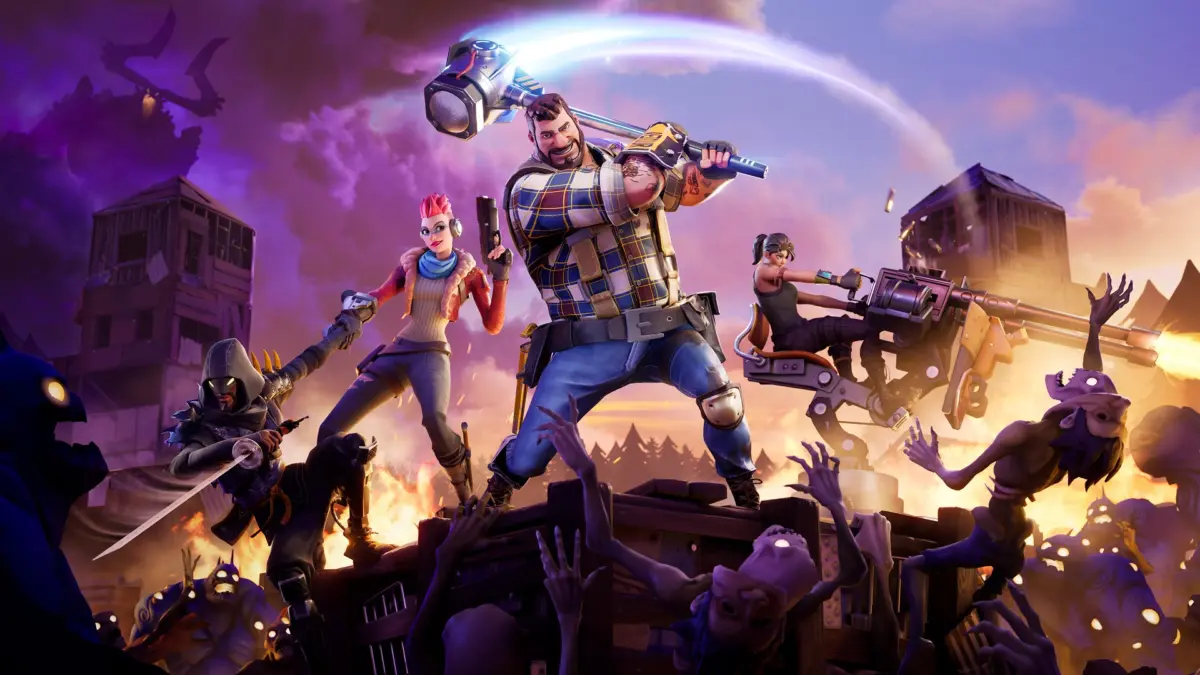
Epic Games has officially confirmed a strategic shift toward the intensive use of generative artificial intelligence across its entire development pipeline, signaling a transformative approach to the creation of Unreal Engine 6 and the ongoing evolution of the Fortnite ecosystem. This announcement, delivered by Marcus Wassmer, Epic’s executive vice president of development, underscores the company’s commitment to "vibe-coding"—a methodology where engineers utilize AI tools to generate the bulk of software code while focusing their human expertise on high-level architectural guidance and iterative refinement.
The transition represents a significant pivot for the North Carolina-based technology giant, which oversees one of the world’s most widely used game engines and the global cultural phenomenon Fortnite. According to Wassmer, the integration of generative AI is no longer a peripheral experiment but a core component of the company’s "dev streams," particularly those associated with the Unreal Editor for Fortnite (UEFN) and the forthcoming Unreal Engine 6 (UE6). The company asserts that this move is essential to maintaining its competitive edge and meeting the increasing demands for speed, scalability, and performance in modern software development.
The Shift to Vibe-Coding and Unreal Engine 6
The term "vibe-coding" has gained traction within the software development community to describe the process of using large language models (LLMs) and specialized AI coding assistants to interpret natural language prompts and output functional code. For Epic Games, this transition means that their engineering teams are moving away from traditional manual syntax entry. Instead, they are acting as directors for AI systems, ensuring that the generated output aligns with the strict memory, performance, and scalability requirements necessary for high-end game development.
Wassmer clarified that the company is not seeking a "one-shot" solution where AI writes an entire engine autonomously. Rather, the process is iterative. Engineers use AI to prototype features, debug existing systems, and accelerate the rollout of updates for Unreal Engine. The primary goal is to deliver features that developers request more rapidly while reducing the incidence of human error and technical debt.
Unreal Engine 6, the next iteration of Epic’s foundational technology, is being built with these AI-driven workflows at its center. While Unreal Engine 5 introduced groundbreaking features like Nanite (virtualized geometry) and Lumen (dynamic global illumination), UE6 is expected to focus heavily on the concept of the "metaverse"—a persistent, interoperable digital universe. By leveraging AI, Epic aims to simplify the creation of complex assets and environments, potentially lowering the barrier to entry for creators within the Fortnite ecosystem and beyond.
Chronology of Epic Games’ AI Adoption
The formal confirmation of AI integration follows a series of incremental steps and public statements from Epic Games leadership over the past year.
In late 2023, Epic Games underwent a significant corporate restructuring, which included the layoff of approximately 830 employees—roughly 16% of its workforce. CEO Tim Sweeney noted at the time that the company had been "spending way more money than we earn" as it invested in the next evolution of Epic and Fortnite as a platform for creators. Analysts suggest that the push toward AI is partly a response to these economic pressures, seeking to maximize productivity with a leaner staff.
Earlier this month, Epic revealed that it had used generative AI to "vibe-code" the latest update for the Epic Games Launcher. The company claimed that this approach allowed them to optimize the launcher’s performance, making it run faster and more efficiently than its primary competitor, Valve’s Steam client. This public admission was met with a mixture of technical curiosity and industry skepticism, particularly regarding the long-term maintainability of AI-generated codebases.
Furthermore, internal reports indicated that developers working on high-profile projects, including a collaborative shooter featuring Disney and Marvel intellectual properties, were instructed to incorporate generative AI into both code and art production. This directive aligns with the $1.5 billion investment Disney made in Epic Games earlier this year, intended to create a "games and entertainment universe" that expands the reach of Disney’s stories and characters.
Industry Reactions and the Dispute with Valve
Epic’s aggressive stance on AI has placed it at the center of a growing debate within the gaming industry. The most notable point of friction has been with Valve, the operator of the Steam marketplace. In January 2024, Valve introduced a policy requiring developers to disclose the use of generative AI in their games, including "live" AI that generates content on the fly. Steam’s policy is designed to protect against copyright infringement and ensure transparency for consumers.
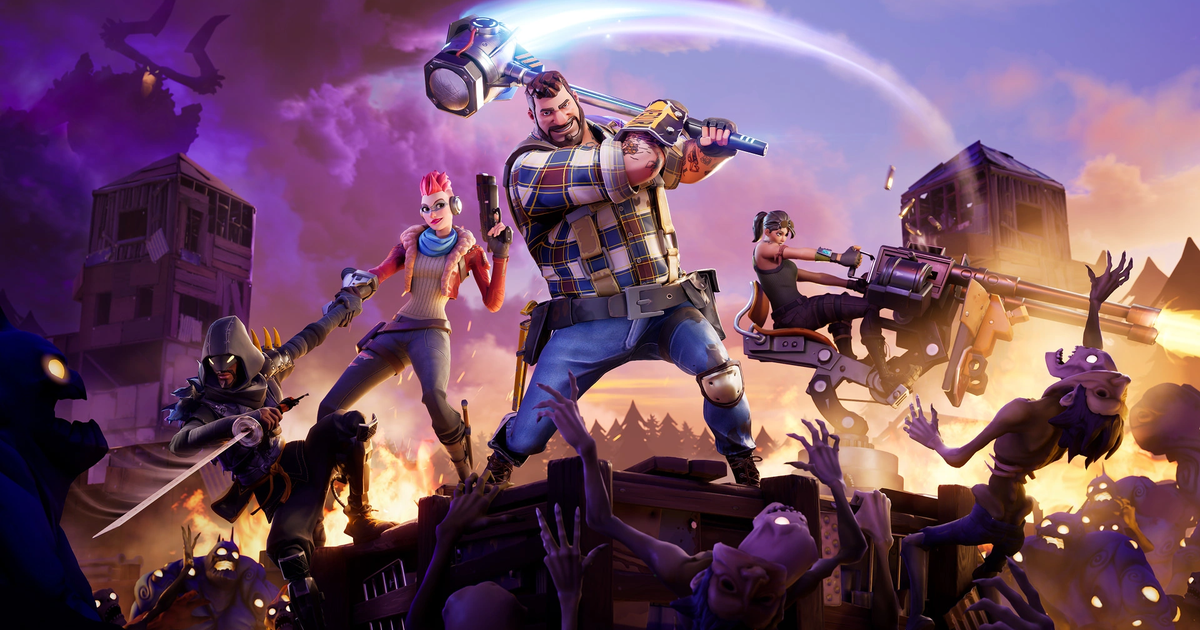
Tim Sweeney, CEO of Epic Games, has been a vocal critic of this approach. Sweeney characterized the mandatory disclosure as a "political statement" and argued that such policies could be used to incite "hate mods" or organized harassment against developers who utilize modern tools. Sweeney’s defense of AI is rooted in a libertarian view of technological progress, suggesting that developers should have the freedom to use any tools available to them without being stigmatized by storefront policies.
This ideological divide highlights a broader tension in the industry. While Epic views AI as an inevitable and necessary evolution of the creative process, critics and other platform holders remain concerned about the legal and ethical implications of the technology.
Supporting Data and Technical Implications
The move toward AI-assisted development is supported by internal data suggesting significant gains in efficiency. Industry benchmarks for AI coding assistants, such as GitHub Copilot or specialized LLMs for C++, suggest that developers can see productivity increases ranging from 20% to 50% in specific tasks like boilerplate generation and unit testing.
For a company like Epic, which maintains a codebase as vast as Unreal Engine, the potential for AI to assist in "refactoring" (restructuring existing code without changing its external behavior) is immense. UE6 is expected to handle massive amounts of concurrent users and complex data streams across different platforms, from mobile devices to high-end PCs. AI-driven optimization is seen as the only viable way to manage the "scalability envelopes" required for such a diverse hardware landscape.
However, the environmental and ethical costs remain a point of contention. Generative AI models require immense computational power, leading to concerns about the carbon footprint of data centers. A 2024 United Nations report highlighted the rising energy demands of AI technologies, urging tech companies to find more sustainable paths forward. Epic has yet to release a detailed environmental impact report specifically addressing its AI development streams.
Impact on the Workforce and Creative Community
The shift to "vibe-coding" has sparked intense discussion among professional game developers and digital artists. There are two primary concerns: job security and the potential for plagiarism.
- Job Security: As AI takes over the "bulk of the code," the role of the junior programmer may be significantly diminished. If entry-level tasks are automated, the pathway for new talent to enter the industry and gain experience becomes less clear. Epic’s leadership argues that AI will "up-level" engineers, allowing them to focus on creative problem-solving rather than rote syntax.
- Plagiarism and Copyright: Generative AI models are trained on existing data, leading to fears that AI-generated code or art may inadvertently infringe on the intellectual property of other creators. While Epic maintains that it is sharing "best practices" and iterating responsibly, the legal landscape regarding AI-generated output remains unsettled in many jurisdictions.
Within the Fortnite community, the integration of AI into UEFN could democratize game creation, allowing users with little to no programming knowledge to build complex "Islands" and experiences. This aligns with Sweeney’s vision of Fortnite as a decentralized platform for user-generated content, similar to Roblox but with the graphical fidelity of Unreal Engine.
Analysis of Broader Implications
Epic Games’ decision to "triple down" on generative AI is a calculated risk that reflects a broader trend in the technology sector. By prioritizing speed and technological advancement over the concerns of skeptics, Epic is positioning itself as the vanguard of the next industrial revolution in software.
The company’s stance that it is "more concerned about the risks of moving too slowly than we are about AI skepticism" suggests a belief that the competitive advantage provided by AI will eventually outweigh the current social and legal pushback. If Epic successfully launches Unreal Engine 6 as a robust, AI-optimized platform, it could set a new standard for the industry, forcing other engine providers and studios to follow suit or risk obsolescence.
However, the "vibe-coding" approach also introduces new risks. AI-generated code can be opaque, making it difficult to debug if systemic errors emerge deep within the engine’s architecture. Furthermore, the reliance on AI tools could lead to a homogenization of game mechanics and aesthetics if the models are not guided by diverse and highly skilled human creators.
As Epic Games continues to merge the worlds of gaming, social media, and cinema through its "metaverse" initiatives, the success of its AI strategy will be a bellwether for the entire digital economy. The industry will be watching closely to see if AI can truly deliver on the promise of faster, bug-free development, or if the "vibe-coding" era will bring about a new set of unforeseen technical and ethical challenges.